Redundancy is vital because it mitigates risks associated with relying on a single source or method, ensuring that essential supplies remain accessible when most needed. Common mistakes include underestimating the variety of potential disruptions and failing to regularly assess and update supply chain strategies. Prioritizing redundancy can mean the difference between effective response and chaos during emergencies.
Identifying Critical Supplies
Identifying critical supplies is the first step in creating redundancy within emergency supply systems. This process involves analyzing the specific needs of your organization or community during a crisis. Essential items typically include food, water, medical supplies, and communication tools.
When assessing needs, consider factors such as the size of the population served and the types of emergencies most likely to occur in your area. One common oversight is failing to account for seasonal variations in demand or the unique needs of vulnerable populations, which can lead to inadequate preparation.
In addition, regularly reviewing and updating your list of critical supplies ensures that you remain prepared for evolving challenges. Include stakeholders in this assessment to gain diverse perspectives and ensure comprehensive coverage.
Diversification of Suppliers
Diversification of suppliers is essential for ensuring a consistent flow of critical resources during emergencies. Relying on a single supplier can lead to significant vulnerabilities if that source becomes unavailable.
Establishing relationships with multiple suppliers can mitigate risks associated with supply chain disruptions. Consider local, regional, and national suppliers to create a robust network. It’s also crucial to assess the reliability and capacity of each supplier, as not all can meet demands during peak times.
Regular communication with suppliers can also yield insights into their capabilities and any potential issues they may face. This proactive approach allows for timely adjustments to your supply strategy, reducing the risk of shortages.
Stockpiling Strategies
Effective stockpiling strategies are critical in maintaining redundancy in emergency supply systems. These strategies should focus on determining the right quantity and types of supplies to store, ensuring they remain accessible and usable.
When stockpiling, consider the shelf life of items and rotate supplies regularly to avoid waste. Implementing a tracking system can help monitor inventory levels and expiration dates, ensuring that resources are always available when needed. A common mistake is overstocking non-essential items while neglecting critical supplies.
Additionally, establishing a safe and organized storage location is essential for quick access during emergencies. Training staff on inventory management can enhance readiness and efficiency in times of crisis.
Alternative Distribution Methods
Implementing alternative distribution methods enhances the flexibility and reach of emergency supply systems. This may involve setting up multiple distribution points or utilizing various transportation methods to ensure supplies can reach those in need.
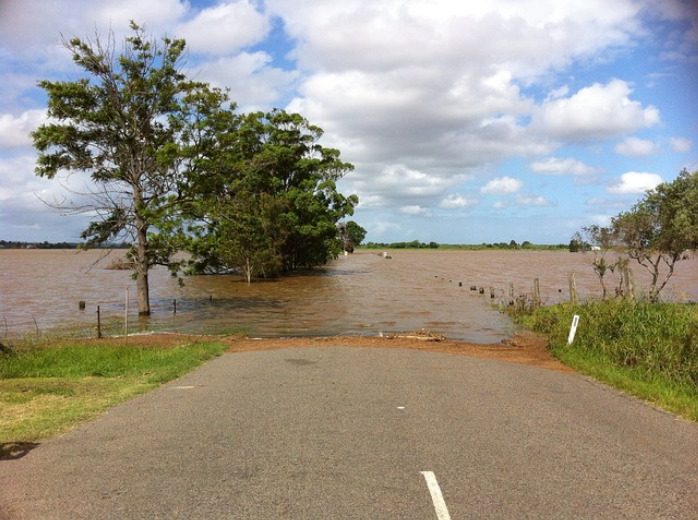
Consider the local infrastructure and potential obstacles when planning distribution methods. For example, during natural disasters, certain roads may become impassable, necessitating alternative routes or transportation methods such as boats or helicopters. A common oversight is failing to test these methods in advance, which can lead to delays during actual emergencies.
Regular drills and simulations can help identify potential weaknesses in your distribution strategy and improve overall preparedness. Engaging with local agencies and community organizations can also enhance collaboration and resource sharing during crises.
Further Reading
Authoritative Sources
FEMA Emergency Management fema.gov
Offers comprehensive guidelines and resources for emergency preparedness and supply management
American Red Cross redcross.org
Provides information on emergency preparedness, including supply lists and planning tools
CDC Emergency Preparedness cdc.gov
Features resources on health-related emergency preparedness and supply considerations
Ready.gov ready.gov
A government resource for emergency preparedness planning, including supply chain strategies
Frequently Asked Questions
What supplies should be prioritized for redundancy?
Prioritize critical items like food, water, medical supplies, communication tools, and sanitation products to ensure effective emergency preparedness.
How often should emergency supplies be checked?
Emergency supplies should be checked at least twice a year to ensure items are up-to-date and usable, with regular assessments for critical items.
What are common mistakes in emergency supply planning?
Common mistakes include underestimating the variety of potential disruptions, failing to diversify suppliers, and neglecting to regularly update supply inventories.
How can I improve my supply chain resilience?
Improve supply chain resilience by diversifying suppliers, regularly assessing inventory, and implementing alternative distribution methods to ensure access during emergencies.
What is the role of community collaboration in emergency supply systems?
Community collaboration enhances resource sharing, improves response times, and strengthens overall preparedness through mutual support and coordinated efforts.
Conclusion
Creating redundancy in emergency supply systems is crucial for effective crisis management. By identifying critical supplies, diversifying suppliers, implementing stockpiling strategies, and exploring alternative distribution methods, organizations can enhance their resilience against various emergencies. Prioritizing these elements ensures that communities remain prepared and responsive, ultimately saving lives and resources. Regular assessments and community collaboration further strengthen these systems, making them more robust in the face of unexpected challenges.
Understanding the types of disasters that could affect your documents is essential. Natural disasters like floods and fires can cause irreversible damage, while technological failures may lead to data loss. By recognizing these risks, you can prioritize which documents need immediate protection. For instance, legal documents and irreplaceable records should be digitized first, while less critical paperwork can follow. This prioritization helps allocate resources effectively, ensuring that the most important documents are secured.
Moreover, many people overlook the importance of regular updates to their document management strategies. As personal or business circumstances change, so do the documents that need protection. Conducting regular audits of your stored documents will help you identify what needs to be digitized, what can be discarded, and how to improve your overall disaster preparedness plan. Additionally, consider using a checklist to ensure all necessary steps are taken to safeguard your documents.
Digitization of Important Documents
Digitizing important documents is one of the most effective ways to protect them from disasters. By scanning and storing documents electronically, you can ensure that they remain safe even if the physical copies are damaged or lost. This process not only preserves the documents but also makes them easier to access and share when needed. Utilize reputable scanning services or high-quality scanners to ensure clarity and accuracy in your digital copies.
When digitizing, prioritize documents based on their importance. Legal documents, financial records, and personal identification should be scanned first. Consider using PDF format for document storage, as it retains formatting and is widely accessible. Additionally, ensure that your digital storage is secure by using strong passwords and encryption methods to protect sensitive information.
It’s also crucial to regularly update your digital archives. As new documents are created, they should be added to your digital file system promptly. This habit not only keeps your records current but also reduces the risk of losing vital information during a disaster. Furthermore, consider implementing a naming convention for your files to facilitate easy retrieval.
Physical Storage Solutions
Physical storage solutions play an integral role in protecting documents during disasters. For those who need to keep original copies, investing in waterproof and fireproof safes is essential. These safes can protect documents from water damage during floods or fire damage during a blaze, ensuring that your important papers remain intact.
When choosing a safe, look for one with a high fire rating and water resistance. Additionally, consider the size and organization of the safe. Keeping documents organized within the safe can save time when retrieval is necessary, especially during a chaotic situation. Labeling folders or using a filing system can help streamline the process.
Regularly check the condition of your physical storage solutions. Ensure that seals are intact, and the safe is in good working order. This proactive approach can prevent unexpected failures during emergencies.
Regular Backups and Updates
Regular backups are crucial for safeguarding your documents against potential loss. Create a routine for backing up both digital and physical documents. For digital files, use cloud storage solutions that offer automatic backups and version control. This feature allows you to restore previous versions of documents if needed.
Additionally, consider maintaining a physical backup of critical documents in a separate location. This could be a trusted friend’s house or a secure storage facility. Having these backups in different geographical locations minimizes the risk of losing everything in a single disaster.
It’s important to schedule regular reviews of your document backups. Ensure that any new documents are included and that older files are still relevant. This ongoing process will help maintain the integrity of your document protection strategy.
Educating Stakeholders on Preparedness
Educating all stakeholders about document protection strategies is essential for effective disaster preparedness. This includes family members, employees, or partners who may need access to important documents during a crisis. Conduct training sessions or workshops focusing on the importance of document preservation and the steps to take during a disaster.
Developing a clear plan that outlines responsibilities for document management can significantly improve readiness. Each person involved should understand their role in protecting documents, whether that means digitizing records, maintaining physical storage, or executing backup procedures.
Furthermore, consider conducting drills that simulate disaster scenarios. These exercises can help familiarize stakeholders with the plan and identify any weaknesses in your document protection strategy. Regular practice can enhance confidence and effectiveness in real situations.
Further Reading
Authoritative Sources
Business Continuity Planning ready.gov
This resource provides comprehensive guidelines on developing a business continuity plan, including document protection strategies
Preservation of Records archives.gov
An official source that outlines best practices for preserving physical and digital records
FEMA Disaster Preparedness fema.gov
FEMA offers extensive resources on disaster preparedness and recovery, including document protection
Keeping Your Documents Safe nationalarchives.gov.uk
This guide provides practical advice on safeguarding important documents from various threats
Frequently Asked Questions
What types of documents should be prioritized for protection?
Legal documents, financial records, personal identification, and irreplaceable family photos should be prioritized for protection.
How often should I back up my documents?
It’s advisable to back up documents at least once a month and after any significant changes or additions.
What is the best way to digitize documents?
Using a high-quality scanner and saving files in PDF format is the best way to digitize documents for clarity and accessibility.
How can I ensure my physical storage is safe?
Invest in waterproof and fireproof safes and regularly check their condition to ensure they are secure.
What should I include in a disaster preparedness plan?
Your plan should include strategies for digitization, physical storage, regular backups, and roles for stakeholders in document protection.
Conclusion
Protecting documents during disasters requires a proactive approach that combines digitization, secure physical storage, regular backups, and stakeholder education. Prioritizing the most critical documents and implementing effective strategies can significantly reduce the risk of loss. Regularly reviewing and updating your document management practices ensures ongoing protection. By taking these steps, you can safeguard your vital records against any disaster that may arise.
When crafting an emergency plan, pet owners should assess their pets’ specific requirements, including dietary needs, medical conditions, and behavioral traits. Commonly, pet owners overlook these factors, leading to inadequate preparations that can jeopardize the well-being of both pets and humans during crises. For instance, a sudden evacuation might leave pets without essential medications or comfort items, increasing their stress and vulnerability.
It’s crucial to recognize that pets are not just additional responsibilities; they are family members whose safety is paramount. This means incorporating them into all aspects of emergency planning, from identifying pet-friendly shelters to ensuring that the necessary supplies are readily available. Failing to do so can lead to chaotic situations where pet owners are forced to make last-minute decisions that could endanger their pets.
Understanding Your Pet’s Needs
Understanding your pet’s needs is the foundation of effective emergency preparedness. Each pet has unique requirements based on their species, breed, age, and health status. For example, a senior dog may require specific medications, while a cat might have distinct dietary preferences. Recognizing these needs ensures you can provide the proper care during emergencies.
Prioritizing your pet’s health and comfort in your emergency plan can prevent panic and stress when time is of the essence. Often, pet owners mistakenly believe that their pets can adapt easily to sudden changes, but this can lead to serious issues. Animals may react unpredictably in stressful situations, so it’s essential to prepare them in advance.
Moreover, familiarize yourself with your pet’s behavior during stressful situations, as this knowledge can inform how you manage them in emergencies. For instance, some pets may require calming aids, while others might need familiar items like toys or blankets to ease anxiety.
Creating a Pet Emergency Kit
A well-stocked pet emergency kit is vital for any pet owner. This kit should include essential items such as food, water, medications, and first aid supplies tailored to your pet’s specific needs. Additionally, consider including copies of important documents, such as vaccination records and identification.
When assembling your pet emergency kit, ensure that the food is stored in a durable, moisture-proof container to keep it fresh. Fresh water is equally important; a good rule of thumb is to have at least one gallon per pet per day for at least three days. Don’t forget to rotate these supplies regularly to ensure they remain usable.
It’s also wise to include a leash, a muzzle for safety, and a crate that your pet is comfortable in, as these items can facilitate smoother evacuations. Consider having a few comfort items, such as a favorite toy or blanket, to help reduce anxiety during stressful situations.
Evacuation Plans for Pet Owners
Evacuation plans are crucial for pet owners, especially in areas prone to natural disasters. You should identify pet-friendly shelters or hotels ahead of time, as not all accommodations accept pets. This planning helps avoid last-minute scrambling when an emergency arises.
In addition to knowing where to go, practice the evacuation route with your pets. This practice helps them become familiar with the process, reducing their anxiety and making it easier to navigate the situation during an actual emergency. It’s also essential to have a designated person who can assist in evacuation if you are unable.
Moreover, consider how your pet will react to different environments and people. Preparing them for a variety of situations can help prevent behavioral issues during stressful times. For instance, if your pet is not used to being in a carrier, it’s vital to acclimate them beforehand.
Common Mistakes in Pet Emergency Planning
Many pet owners make critical mistakes in their emergency planning, often underestimating the time and resources needed to ensure their pets’ safety. A common oversight is failing to include pets in emergency drills, which can lead to confusion and delays during real emergencies.
Another frequent error is neglecting to update pet information, such as vaccination records or emergency contacts. Keeping these documents current is essential for ensuring your pet can receive necessary care if separated from you.
Additionally, pet owners sometimes rely too heavily on local shelters to provide for their pets, forgetting that many may not accept animals. Researching and planning ahead can mitigate these risks and ensure your pet’s safety is prioritized.
Further Reading
If you’re interested in learning more about how pets change emergency preparedness planning needs, consider exploring resources from local animal shelters or emergency management organizations. They often provide guidelines tailored to pet owners, ensuring that both human and animal safety are prioritized during emergencies.
Further Reading
Authoritative Sources
Ready.gov ready.gov
Official U.S. preparedness guidance, checklists, and planning resources for households and emergencies.
FEMA fema.gov
Federal emergency management resources, disaster planning information, and recovery guidance.
American Red Cross Emergency Preparedness redcross.org
Practical emergency preparation steps, supply lists, and safety guidance for families.
National Weather Service weather.gov
Official forecasts, hazard alerts, and weather safety information.
CDC Emergency Preparedness and Response cdc.gov
Public health guidance for emergencies, disasters, and recovery situations.
Frequently Asked Questions
What should I include in a pet emergency kit?
Your pet emergency kit should include food, water, medications, first aid supplies, identification documents, a leash, a muzzle, and comfort items like toys.
How can I prepare my pet for evacuation?
Practice the evacuation route with your pet, familiarize them with their carrier or crate, and ensure they are comfortable with being handled by others.
What are common mistakes in pet emergency planning?
Common mistakes include not including pets in emergency drills, failing to update pet information, and assuming all shelters accept animals.
How often should I update my pet’s emergency information?
Update your pet’s emergency information regularly, especially after any changes in health, contact information, or vaccination updates.
What should I do if I can’t evacuate with my pet?
If you can’t evacuate with your pet, identify a trusted friend or family member who can take care of them and ensure they have your pet’s emergency information.
Conclusion
Incorporating pets into emergency preparedness planning is not just an afterthought; it is a necessity. By understanding your pet’s unique needs, creating a comprehensive emergency kit, and planning effective evacuation routes, you can significantly enhance their safety during emergencies. Avoid common pitfalls by staying informed and proactive, ensuring that your pets are well-prepared for any situation. Prioritize their needs as you develop your plans, and remember that their well-being is a critical component of your overall emergency strategy.
Understanding the context of being stranded is essential. It could occur due to various reasons, such as a vehicle breakdown in a remote area or getting lost while hiking. Each scenario presents unique challenges, but the core principles of survival remain the same. You must quickly evaluate your situation and prioritize tasks based on urgency and available resources.
A common mistake in survival situations is underestimating the importance of water. Human beings can survive for days without food, but only a few days without water. Therefore, your first goal should be locating a reliable water source. Additionally, avoid consuming unfamiliar plants or animals without proper knowledge, as this could lead to illness.
Assessing Your Situation
The first step when stranded is to assess your situation thoroughly. Identify your immediate environment, potential dangers, and available resources. This assessment will help you make informed decisions. For example, if you are in a remote area, consider the weather conditions, terrain, and any nearby landmarks.
Prioritize your survival tasks based on urgency. For instance, if you are injured, addressing your medical needs should come first. If not, focus on securing water and food. A smart reader should also consider the time of day and how it affects visibility and temperature.
Common mistakes include panicking or making impulsive decisions. Take a moment to breathe and think critically about your situation. Create a mental checklist of what needs to be done first, keeping in mind that clear thinking is essential for effective survival.
Finding Water and Food
Finding water should be your top priority. Look for natural sources like streams, rivers, or lakes. If no water sources are visible, consider methods to collect rainwater or dew. Remember to purify any water you collect to avoid illness.
When it comes to food, prioritize high-energy sources. If you’re unfamiliar with local flora and fauna, it’s safer to wait for rescue than to risk consuming potentially dangerous items. If you must forage, look for edible plants and insects that are known to be safe.
Many people overlook the importance of rationing. Even if food sources are available, it’s crucial to conserve your energy and supplies, especially if rescue could take time. Focus on small, manageable portions rather than consuming everything at once.
Creating Shelter
Your next step should be to create a shelter to protect yourself from the elements. Look for natural formations, like caves or overhangs, or create a makeshift shelter using branches, leaves, and any available material.
Consider the location of your shelter. Avoid areas prone to flooding or falling debris. If possible, choose a spot that offers visibility for rescuers while providing some concealment from the elements.
Many underestimate the importance of insulation. If the weather is cold, ensure your shelter retains heat by using leaves or grass for insulation. Staying warm is crucial for maintaining energy and preventing hypothermia.
Signaling for Help
Once your immediate needs are met, focus on signaling for help. Use reflective materials, colorful clothing, or create large symbols on the ground to attract attention. Fire can also serve as a powerful signal, so if it’s safe to do so, build a fire using available resources.
Be mindful of your surroundings when signaling. Avoid actions that could attract unwanted attention, such as smoke signals in areas where wildfires are a risk. Instead, focus on creating visible markers and sounds that indicate your presence.
Remember, signaling is about persistence. Keep your signals consistent and be patient. Rescuers may be searching for you, but it may take time for them to locate you.
Further Reading
Authoritative Sources
Wilderness Survival Tips redcross.org
This resource provides comprehensive guidelines on survival tactics in wilderness scenarios
National Park Service Survival Tips nps.gov
Offers practical advice for surviving in national parks and other wilderness areas
Ready.gov Emergency Preparedness ready.gov
A government resource for emergency preparedness and survival strategies
Frequently Asked Questions
What should I do first if I get stranded?
First, assess your situation, secure shelter, and find a water source before looking for food.
How can I find clean water?
Look for natural sources like streams or lakes, or collect rainwater. Always purify water before drinking.
What are the best food sources in the wild?
Edible plants, nuts, and insects are often safe options, but avoid unfamiliar species to prevent poisoning.
How can I signal for help?
Create large symbols, use reflective materials, or build a fire, ensuring visibility to attract rescuers.
What mistakes should I avoid when stranded?
Avoid panicking, consuming unknown plants or animals, and neglecting to signal for help consistently.
Conclusion
Being stranded without supplies can be a life-threatening situation, but understanding how to prioritize your needs can significantly increase your chances of survival. Focus first on securing water, creating shelter, and signaling for help. Remember, staying calm and collected is crucial. Evaluate your environment, make informed decisions, and be prepared for the unexpected. Your survival depends on the actions you take in those critical moments.
In emergencies, access to medications can be severely affected due to supply chain disruptions or healthcare facility closures. Prioritizing a comprehensive medication management plan is crucial, which includes checking expiration dates, ensuring proper storage conditions, and being aware of potential substitutions. Mistakes in medication management can lead to serious health complications, particularly for individuals with chronic conditions.
One common pitfall is underestimating the amount of medication needed. Always calculate your supply based on the expected duration of the emergency and include extra doses for unforeseen circumstances. Furthermore, keeping a detailed list of medications, dosages, and administration schedules can help maintain adherence to treatment regimens.
Understanding Your Medications
Understanding your medications is the first step in effective management during emergencies. Each medication has specific indications, dosages, and potential side effects that you should be familiar with. This knowledge helps you make informed decisions if you need to adjust your medication regimen due to supply issues.
It’s essential to regularly review your medications with a healthcare provider, especially before an anticipated emergency. Be aware of any critical medications that may have severe withdrawal effects or require strict adherence to dosing schedules. Failing to manage these effectively can lead to health crises.
Moreover, consider getting a written medication list from your healthcare provider, including generic names and dosages. This document can be invaluable if you need to seek refills or alternative medications in an emergency setting.
Creating a Medication Supply Plan
A well-structured medication supply plan is crucial for managing medications during long-term emergencies. Start by assessing your current medication needs and calculating the amount required for an extended period, factoring in the possibility of supply shortages.
To create a comprehensive supply plan, consider the following: stockpiling at least a 30- to 90-day supply of critical medications, including over-the-counter medications for common ailments. It’s also wise to consult with your pharmacist about the best way to manage your supply and inquire about any available alternatives in case of shortages.
Keep in mind that some medications may require special handling or storage conditions. Regularly check expiration dates and rotate your stock to ensure that you always have effective medications available.
Storage and Handling of Medications
Proper storage and handling of medications are essential for maintaining their efficacy during emergencies. Most medications should be stored in a cool, dry place away from direct sunlight. However, some may require refrigeration.
When preparing for an emergency, organize your medications in a way that makes them easy to access. Use clear containers and label them with medication names, dosages, and expiration dates. This organization can save time and reduce stress during critical moments.
Additionally, consider the potential impact of power outages on medications that require refrigeration. Have a plan for alternative storage, such as coolers with ice packs, to ensure these medications remain effective.
Alternatives and Emergency Substitutions
In the event of a medication shortage, knowing potential alternatives or substitutions is vital. For many common medications, there are generic alternatives that may serve as substitutes. Discuss these options with your healthcare provider to prepare in advance.
Being proactive about alternative treatments can also be beneficial. For instance, if you take a specific medication for hypertension, understanding lifestyle changes that can help manage blood pressure could provide a temporary solution during supply disruptions.
Moreover, consider keeping a list of local pharmacies or healthcare facilities that may have access to different medication supplies. This can save time and ensure you have options if your primary source is unavailable.
Further Reading
What You Need to Know About Your Medications fda.gov
This FDA resource provides essential information about managing medications safely and effectively, especially during emergencies.
Further Reading
Authoritative Sources
Ready.gov ready.gov
Official U.S. preparedness guidance, checklists, and planning resources for households and emergencies.
FEMA fema.gov
Federal emergency management resources, disaster planning information, and recovery guidance.
American Red Cross Emergency Preparedness redcross.org
Practical emergency preparation steps, supply lists, and safety guidance for families.
National Weather Service weather.gov
Official forecasts, hazard alerts, and weather safety information.
CDC Emergency Preparedness and Response cdc.gov
Public health guidance for emergencies, disasters, and recovery situations.
Frequently Asked Questions
How can I ensure I have enough medication during an emergency?
Calculate your medication needs based on your treatment plan, and aim to have a 30- to 90-day supply on hand. Consult your pharmacist for guidance on stockpiling safely.
What should I do if my medication expires during an emergency?
Do not use expired medications unless advised by a healthcare professional. Consult your pharmacist for possible alternatives or replacements.
Are there safe ways to store medications without refrigeration?
Most medications can be stored at room temperature. Keep them in a cool, dry place away from sunlight. For those requiring refrigeration, consider using a cooler with ice packs.
What are some common alternatives to prescription medications?
Generic medications often serve as effective alternatives. Additionally, lifestyle changes and natural remedies may help manage certain conditions temporarily.
How can I keep track of my medication schedule during an emergency?
Maintain a detailed medication log that includes names, dosages, and administration times. Use reminders on your phone or a physical calendar to stay on schedule.
Conclusion
Effectively managing medications during long-term emergencies requires preparation, organization, and knowledge. Prioritize understanding your medications, creating a comprehensive supply plan, and ensuring proper storage. Be proactive by exploring alternatives and consulting healthcare professionals to avoid potential pitfalls. By taking these steps, you can safeguard your health and well-being during uncertain times.
Find the gaps most families don’t notice until something goes wrong.
Free. Practical. No fear-mongering.
By requesting this resource, you agree to receive practical PREPARE Magazine guides, tools, and email updates. You can unsubscribe anytime. Privacy Policy