
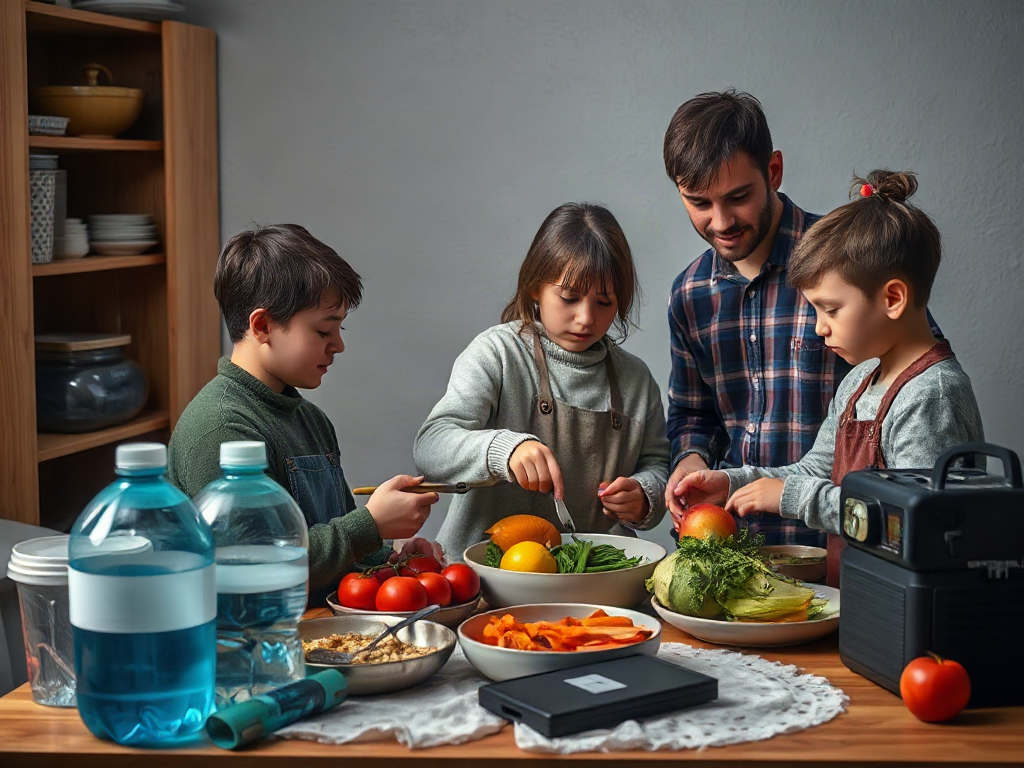
Self-reliance skills worth learning first are the practical abilities that preserve water, food, safety, communication, and sound decisions when routine services fail. Begin with safe water handling, cooking from stored ingredients, basic first aid, household hazard control, and communication without dependable internet access. Practice each skill using the equipment already in your home, because owning filters, radios, or camp stoves does not establish that they work or that you can operate them safely. Add repair, navigation, gardening, and foraging later; foundational household skills address more common disruptions and expose weak supplies, unsafe assumptions, and knowledge gaps before a serious emergency.
What you’ll learn
This guide covers the following practical points:
- Choose Skills by Consequence, Not Novelty — The best starting skills address needs that become urgent quickly and occur across several kinds of disruption.
- Build Water, Food, and Sanitation Capability — Safe water handling should precede most food-production skills.
- Practice First Aid and Household Hazard Control — Basic first aid is more valuable when paired with hazard recognition and a clear threshold for seeking professional help.
- Prepare for Communication and Navigation Failures — Communication skill means exchanging useful information when normal channels are congested, unavailable, or low on power.
Choose Skills by Consequence, Not Novelty
The best starting skills address needs that become urgent quickly and occur across several kinds of disruption. A water outage, winter storm, evacuation, job loss, or broken appliance creates different pressures, but each may require calm decisions, safe food handling, household repairs, and communication. Skills with that kind of overlap deserve attention before specialized pursuits such as trapping, advanced wilderness shelter building, or large-scale food production.
Use three questions to set priorities: How soon would the problem become harmful? How often could it occur where you live? Can the skill be practiced with resources you already have? Water safety ranks highly because dehydration and contamination carry serious consequences. Pantry cooking ranks above primitive fire-making for most households because people are more likely to face a power interruption in a kitchen than an unplanned night in remote terrain.
A useful priority order is:
- Protect life and health: water, first aid, sanitation, temperature control, and hazard recognition.
- Maintain daily function: cooking, communication, budgeting, basic repairs, and transportation alternatives.
- Extend independence: gardening, preservation, sewing, tool maintenance, navigation, and outdoor skills.
A common mistake is choosing a skill because it looks impressive rather than because it closes a realistic household gap. Test the priority against a simple scenario: if electricity and tap water stopped for one day, which missing ability would cause the first serious problem? That answer is a better training target than a generic list of survival skills.
Build Water, Food, and Sanitation Capability
Safe water handling should precede most food-production skills. Learn where household water comes from, how to shut it off, which stored containers are suitable for potable water, and how your chosen filter or treatment method is actually used. Filters differ in what they remove, and clear water is not automatically safe water. Product instructions and local public-health notices should govern treatment decisions rather than improvised recipes.
Practice moving, measuring, and rationing water without contaminating it. Pouring repeatedly from a large container can introduce dirty hands or utensils, so a smaller dispensing container may be easier to manage. Include water for handwashing, food preparation, and cleaning—not only drinking. A plan is failing if stored water has no rotation date, containers leak, or nobody can locate the shutoff valve.
Food capability begins with assembling meals from ingredients you already store. Choose several combinations that need little water, create limited washing, and can be eaten cold if necessary. For example, canned beans, corn, shelf-stable salsa, and tortillas make a practical meal without refrigeration. Oats, dried fruit, and shelf-stable milk offer another option, although cooking oats consumes fuel and water.
Test an alternate cooking method outdoors or in another location approved by its manufacturer. Never assume a grill, camp stove, or fuel-burning heater is safe indoors; combustion equipment can create fire and carbon-monoxide hazards. The weak approach is buying unfamiliar emergency food while ignoring allergies, can openers, fuel limits, ordinary preferences, and sanitation. A successful practice meal is safe, acceptable to the household, and repeatable with measured supplies.
Practice First Aid and Household Hazard Control
Basic first aid is more valuable when paired with hazard recognition and a clear threshold for seeking professional help. Training should cover scene safety, calling emergency services, controlling serious bleeding, burns, choking, and recognizing situations that should not be managed at home. A reputable, hands-on course is preferable to relying on articles during an urgent event.
Inventory the first-aid supplies you can competently use. Gloves, clean dressings, gauze, adhesive tape, and written medical information may be more useful than an elaborate kit filled with unfamiliar items. Check expiration dates and replace damaged packaging. Medication planning requires extra care: follow storage instructions, maintain current prescriptions through appropriate medical channels, and do not share prescription drugs.
Household hazard control includes locating utility shutoffs, testing alarms according to manufacturer instructions, keeping exits usable, and matching extinguishers to likely hazards. Every capable household member should know how to leave safely and where to meet. Turning off a utility without knowing the correct procedure may create a new hazard, and some services should be restored only by the utility or another qualified professional.
Use a short drill rather than a verbal explanation. Ask one person to locate the main water shutoff, retrieve the first-aid kit, identify two exits, and state the outdoor meeting point. Do not operate gas controls merely for practice unless the utility provides safe instructions. Signs of progress include quick retrieval and correct decisions; confusion over shutoffs, blocked exits, dead alarm batteries, or an inaccessible kit indicates unfinished work.
Prepare for Communication and Navigation Failures
Communication skill means exchanging useful information when normal channels are congested, unavailable, or low on power. Memorize or carry essential phone numbers, choose an out-of-area contact, establish a meeting location, and agree on the brief messages family members will send. A concise text stating identity, location, condition, and next action is more useful than repeated calls without a plan.
Learn the limits of each tool. Mobile phones depend on charged batteries and functioning networks. Battery radios receive information but usually do not provide two-way contact. Consumer handheld radios have limited practical range, especially around buildings and terrain, and users should follow applicable operating rules. Paper contact cards remain useful when a phone is lost, locked, or depleted.
Navigation belongs beside communication because detours and evacuations can make familiar routes unusable. Mark home, work, schools, meeting points, fuel stops, and at least two routes on a paper map. Then drive or walk an alternate route during normal conditions. The objective is not advanced land navigation; it is being able to move between essential locations without turn-by-turn service.
A frequent failure is placing all information on one phone. Keep a compact paper copy of contacts, medication details, and meeting instructions, protecting sensitive information appropriately. A drill works when household members reach the correct place or relay the agreed message without improvising. It fails when the plan depends on a single person, device, route, or unspoken assumption.
Turn Knowledge Into Tested Capability
A skill counts only when it can be performed safely under the conditions in which it may be needed. Reading establishes concepts, but practice reveals missing adapters, poor instructions, weak batteries, physical limitations, and unrealistic timing. Start with ordinary exercises that do not create artificial danger: cook one pantry meal, find the water valve, navigate one trip without a phone, or spend an evening using only designated backup lighting.
Use a simple practice record with four fields: task, conditions, result, and correction. Suppose a household tests dinner during a simulated power interruption. The planned meal requires two cups of water, 20 minutes of stove time, and a can opener. If the fuel runs low and cleanup uses more water than expected, the correction could be choosing a shorter-cooking meal, adding a manual opener, and reserving wash water. The exercise produces a concrete improvement rather than a vague sense of readiness.
| Skill Test | Working Sign | Failure Sign | Next Correction |
|---|---|---|---|
| Prepare stored water | Method and instructions are understood | Unknown filter limits or dirty containers | Review specifications and clean storage process |
| Cook a pantry meal | Meal fits fuel, water, and dietary needs | Missing opener or excessive cleanup | Revise ingredients and tools |
| Follow contact plan | Everyone sends the agreed information | No shared meeting point | Issue paper contact cards and rehearse |
| Locate safety equipment | Items are accessible and usable | Expired, blocked, or unfamiliar supplies | Replace, relocate, and practice |
Do not add complexity until the basic exercise is reliable. Advanced gear can conceal weak fundamentals, while frequent, low-risk practice builds familiarity with the household’s actual people, space, and constraints. Review after a move, seasonal change, equipment replacement, or change in mobility or medical needs. Consistent performance—not the size of a supply collection—is the clearest sign that self-reliance is improving.
Conclusion
Prioritize abilities that protect water, health, food, sanitation, and reliable communication before pursuing specialized projects. Choose one realistic household exercise, perform it with the people and equipment actually available, and record what failed. Correct that failure before adding more gear or a harder skill. This measured approach turns self-reliance from a collection of ideas into dependable capability while keeping safety limits, household needs, and professional assistance in view.
Frequently Asked Questions
What self-reliance skill should a complete beginner learn first?
Start with safe household water management: locate the shutoff, inspect stored water, and learn the instructions and limitations of your treatment method. Water affects drinking, cooking, hygiene, and sanitation across many disruptions.
Should I buy emergency equipment before practicing?
Buy only what supports a defined need and can be used safely. Practice first with existing tools when possible; this exposes the specific gap that a new filter, radio, stove, or repair tool must fill.
How often should self-reliance skills be practiced?
Practice a small task regularly and retest after household or equipment changes. The appropriate interval depends on complexity, but any skill that feels unfamiliar, produces errors, or relies on forgotten instructions needs another session.
Are gardening and foraging good beginner skills?
They can expand long-term independence, but they usually come after water, food preparation, first aid, sanitation, and communication. Foraging also requires reliable identification and awareness of contamination, access rules, and personal health risks.
How do I know whether a household drill worked?
Set an observable task before starting, such as preparing one meal within available fuel and water limits. Record delays, missing items, unsafe actions, and assumptions, then repeat the drill after correcting those problems.