
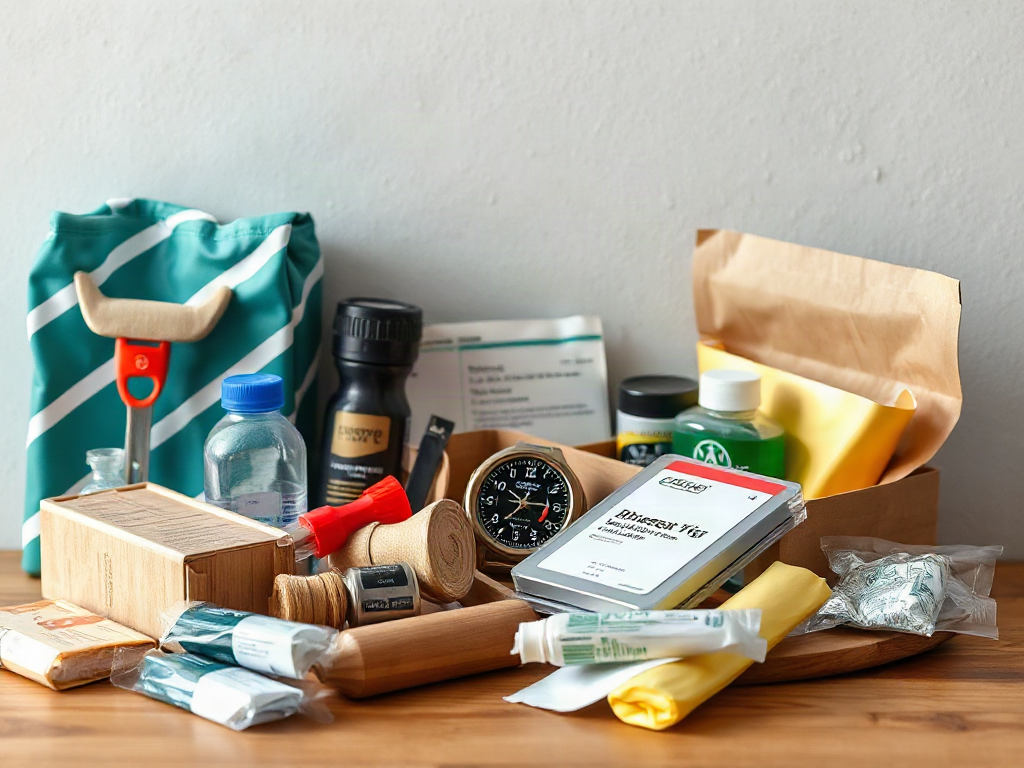
Event planner emergency kit contents should cover minor repairs, guest care, communications, power, documentation, and venue-specific disruptions without replacing professional medical or emergency services. Pack fasteners, tape, basic tools, stain supplies, charging equipment, printed contacts, flashlights, weather protection, and a commercially prepared first-aid kit. Organize supplies by function in labeled pouches so staff can retrieve them under time pressure. Adjust quantities for attendance, venue access, event duration, dress requirements, and outdoor exposure.
What Belongs in the Core Event Kit?
A useful event kit is built around the problems staff can reasonably correct on site: loose décor, damaged clothing, dead devices, unclear instructions, small spills, uncomfortable guests, and interrupted access to ordinary supplies. It should not become an unstructured collection of objects or a substitute for the venue’s life-safety equipment, trained medical personnel, security procedures, or emergency action plan.
Start with repair and installation supplies. Gaffer tape is often preferable for temporary floor and cable work because it is strong and generally removes more cleanly than duct tape, although every adhesive should be tested on an inconspicuous area and used only with venue approval. Add painter’s tape, clear tape, double-sided tape, hook-and-loop fasteners, zip ties, safety pins, binder clips, floral wire, removable hooks, scissors, a utility knife, measuring tape, a multitool, screwdrivers, pliers, and a compact sewing kit. Cutting tools should remain under staff control rather than on an unattended public table.
Guest and wardrobe care calls for a separate pouch containing lint rollers, stain-removal wipes, fashion tape, a static-control product, tissues, unscented wet wipes, menstrual products, blister bandages, mints, and disposable ponchos when weather exposure is plausible. A portable steamer may be useful for formal events, but only where electrical capacity, fire rules, and fabric care allow it. Strong fragrances and unlabelled decanted products create avoidable allergy and identification problems.
Communications and operational supplies deserve equal priority. Include fully charged power banks, common charging cables, spare batteries in protected packaging, flashlights, pens, permanent markers, blank labels, a clipboard, notepaper, and printed copies of the schedule, floor plan, vendor contacts, venue contacts, and escalation chain. Paper records remain available when a phone is lost, a shared file will not load, or cellular service is poor.
Carry a commercially prepared first-aid kit appropriate to the setting, then confirm who is authorized and trained to use it. Avoid creating an improvised medicine cabinet for guests. Medication sharing introduces allergy, interaction, dosing, and liability concerns that an event planner is not positioned to evaluate. The common mistake is packing dozens of low-value comfort items while omitting a flashlight, printed contact sheet, or reliable means to recharge the lead coordinator’s phone.
How Should Supplies Be Prioritized?
Prioritize items by consequence, likelihood, response time, and whether the venue already provides them. A missing place card can usually wait several minutes; a dark exit route, serious injury, fire alarm, or threatening behavior requires immediate escalation to venue personnel or emergency services. The kit should help staff manage ordinary disruptions while preserving a clear boundary around incidents that require trained responders.
A compact priority system prevents the packing list from expanding without limit:
| Priority | Typical Contents | Decision Test |
|---|---|---|
| Immediate operations | Phone power, flashlights, contacts, schedule, keys or access credentials | Would its absence interrupt coordination or access? |
| Frequent corrections | Tape, fasteners, markers, scissors, stain care, sewing supplies | Is the problem likely and safely fixable by staff? |
| Guest comfort | Tissues, wipes, menstrual products, ponchos, blister care | Does it address a predictable need without medical judgment? |
| Event-specific backup | Adapters, presentation remote, printed signage, décor hardware | Is there a single point of failure unique to this program? |
Use the event run sheet to identify single points of failure. If the keynote presentation depends on one laptop connection, bring a compatible adapter and keep a local copy of the approved file, subject to the client’s information-security rules. If escort cards control seating for hundreds of guests, pack blank matching cards, the final seating file, and writing tools. A backup that cannot connect to the installed system or match the event workflow is only apparent redundancy.
Quantities should follow exposure rather than a universal formula. A small indoor meeting may need one repair pouch and several power banks, while a multi-room conference may require duplicate kits stationed with separate floor leads. Duplicate the items that must travel quickly; centralize expensive tools and supplies that require controlled access. Overpacking adds weight, complicates inventory, and makes urgent items harder to find.
Signs of sound prioritization include quick retrieval, few unopened novelty items, and replenishment concentrated in predictable categories. The system is failing when team members buy the same supplies during load-in, cannot identify who holds the kit, or empty an entire case to find one cable. Review those failures after each event and revise the inventory based on actual use rather than hypothetical scenarios.
How Do Venue and Event Type Change the List?
The venue survey should determine the final contents because access, weather, power, dress, security, and supplier distance change what is useful. Before packing, ask the venue about prohibited adhesives, open-flame rules, available ladders and tools, electrical restrictions, first-aid and automated external defibrillator locations, severe-weather procedures, loading access, and the staff member who handles facility problems. Bringing an item does not establish permission to use it.
Outdoor events require weather and terrain additions: ponchos, waterproof document sleeves, towels, weights approved for signs or lightweight décor, insect repellent in original packaging, sunscreen, headlamps, and protected power connections selected by qualified production personnel. A household extension cord is not an acceptable answer to wet-ground electrical needs. Wind also changes the risk profile; tape may hold a paper sign indoors but fail on a dusty tent surface or create a trip hazard outside.
Weddings and formal celebrations place greater demand on garment care and discreet repairs. Add thread in likely attire colors, spare earring backs, corsage pins, shoe grips suitable for the surface, and supplies for replacing a loose button. Corporate conferences shift the emphasis toward presentation adapters, clicker batteries, cable labels, printed speaker contacts, and backup signage. Festivals and public events usually need distributed radios, hearing protection for authorized crew working near amplified sound, weather protection, and tighter control of tools across a larger footprint.
Guest profile matters as much as format. A family event may benefit from child-safe comfort supplies, but sharp tools and small objects must stay secured. An event serving older adults may require more seating coordination and highly visible directional information. Accessibility needs should be addressed through planned accommodations and venue coordination, not guessed at through a generic kit. For example, spare printed programs may help when a digital schedule is inaccessible, but they do not replace accessible routes, communication support, or other arrangements agreed with attendees.
Remote venues justify broader redundancy because replacement purchases may be slow or impossible. Urban hotels usually provide faster access to maintenance, business services, and pharmacies, allowing the planner to carry less. The mistake is assuming an upscale venue supplies every small operational item. Confirm resources and response ownership in writing, then pack around verified gaps rather than the venue’s reputation.
How Should the Kit Be Organized and Maintained?
Organization determines whether packed supplies are usable when the schedule is slipping. Divide the case into labeled modules such as repairs, wardrobe, guest care, power, office supplies, and documents. Use transparent zip pouches or rigid containers that can be removed individually. Place the flashlight, contact sheet, primary charger, and access credentials in an exterior compartment rather than beneath less urgent stock.
Assign custody to a named staff member for each operational period. That person does not need to perform every repair, but should know where the kit is, which tools require sign-out, and when an issue must be escalated. For a large event, a master case can stay in the production office while floor leads carry smaller satellite pouches. This arrangement is faster than moving one heavy case across a ballroom complex, yet it avoids purchasing complete duplicates of rarely used equipment.
Inspect the kit at three points: before departure, after load-in, and after breakdown. Before departure, charge batteries and power banks; test flashlights, presentation remotes, and adapters; replace expired or damaged packaged goods; check liquids for leaks; and verify that documents match the current event version. After load-in, note any supplies consumed during setup. After breakdown, clean tools, record losses, quarantine damaged electrical items, and restock while the event is still fresh.
A simple inventory should list the item, target quantity, current quantity, storage module, and inspection date. Do not force false precision: frequently consumed supplies can use minimum stock levels, while unique adapters and tools should be checked individually. Colored seals or numbered pouches make it obvious when a module has been opened, but they should not delay access.
Storage conditions affect reliability. Heat can damage batteries, adhesives, wipes, cosmetics, and some first-aid components, so a kit left permanently in a vehicle may be compromised. Keep products in original packaging when instructions, ingredients, or expiration dates matter. Remove client records, access codes, and personal attendee information after the assignment; operational convenience does not justify retaining sensitive documents.
A kit is working when staff can name its location, retrieve a requested item quickly, and explain the escalation boundary. It is failing when expired goods accumulate, cables are untested, sharp tools disappear, or no one documents consumption. A short post-event review—what was used, what was missing, and what should never have been packed—produces a leaner and more dependable resource than adding supplies after every imagined mishap.
Conclusion
A dependable event kit reflects the actual venue, program, guest profile, and response structure rather than the longest possible shopping list. Secure communications and operational documents first, then cover frequent repairs, wardrobe problems, guest comfort, and event-specific technical failures. Confirm what the venue supplies and prohibits before adding tools, adhesives, electrical equipment, or safety-related products.
Build labeled modules, assign custody, and test anything powered or connection-dependent before departure. After the event, record what was used, remove confidential paperwork, inspect damaged items, and replenish consumables promptly. The next practical step is to review the run sheet and venue agreement together, identify the few failures that would interrupt the program, and pack verified backups for those gaps.
Frequently Asked Questions
Should an event planner carry over-the-counter medicine?
Medication distribution can involve allergies, interactions, dosage questions, venue rules, and liability. A planner should generally avoid offering loose or shared medication and instead follow the venue’s first-aid procedure or direct guests to an appropriate medical resource.
What type of tape is most useful at an event?
Gaffer tape is useful for many temporary production tasks, while painter’s, clear, and double-sided tape serve different surfaces and visibility needs. Obtain venue approval, test delicate finishes, and never use tape where it creates a trip, fire, or equipment hazard.
How often should the emergency kit be checked?
Inspect it before each event and again during post-event restocking. Charged devices, expiring products, event documents, liquids, and event-specific adapters need direct checks rather than an occasional visual glance.
Should every event staff member carry a separate kit?
Small events usually need one accessible central kit. Large or multi-room programs benefit from compact satellite pouches for floor leads, while costly tools, sensitive documents, and less-used supplies remain in a controlled master case.
What should never be kept in an unattended event kit?
Secure cutting tools, access credentials, sensitive attendee information, medications, valuable electronics, and any item restricted by the venue. Storage should reflect who can reach the case, including children and members of the public.