
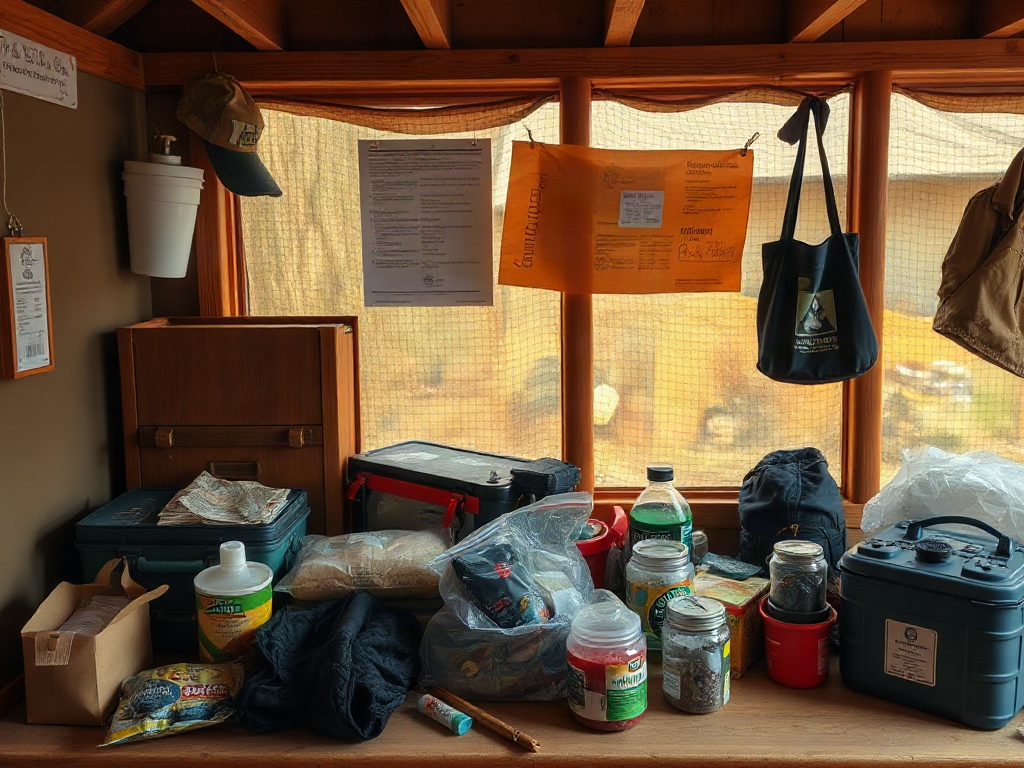
For new preppers, emergency preparedness means building the knowledge, supplies, routines, and backup decisions needed to manage realistic disruptions without depending on one fragile system. The practical starting points are safe water, shelf-stable food, medications, lighting, communication, sanitation, and a household plan matched to local hazards. Preparedness also includes using supplies before they expire, practicing basic skills, and deciding when to shelter, evacuate, or seek outside help. Buying large quantities of specialized gear before solving storage, rotation, and information gaps is a common mistake.
What Preparedness Actually Covers
Emergency preparedness is a capability, not a collection of dramatic supplies. For someone new to prepping, it means making reasonable arrangements for interruptions such as a power outage, severe weather, wildfire smoke, water-service failure, temporary evacuation, or a short disruption to local stores and communications. The aim is to keep people safe and functional while normal services are unavailable, not to predict every disaster or live permanently in crisis mode.
A useful preparedness setup combines four parts: supplies, skills, information, and decisions. Supplies cover immediate needs such as drinking water, food, prescriptions, first-aid materials, sanitation items, batteries, and light. Skills include using a fire extinguisher, storing food safely, treating minor injuries within one’s training, turning off utilities when appropriate, and communicating when internet or cellular service is unreliable. Information means knowing local alerts, shelter locations, road risks, household medical needs, and official instructions. Decisions establish who checks on children, pets, older relatives, or neighbors and what conditions trigger evacuation.
These parts work together. A battery radio is less useful if nobody knows which local agency issues evacuation orders. A pantry is less useful if its contents require cooking with electricity that may be unavailable. A first-aid kit cannot substitute for professional care during a serious injury, and a generator introduces carbon-monoxide and electrical hazards if it is operated incorrectly. The practical question is not “What do preppers own?” but “Which failure would create the greatest danger for this household, and what backup reduces it?”
New preppers often compare an ordinary household setup with an advanced off-grid system and assume they must choose one. That is a false choice. A renter with limited storage may begin with water containers, ready-to-eat food, a flashlight, medication information, and a paper contact list. A homeowner may add fuel storage where lawful, alternate cooking equipment, and a larger sanitation plan. The right scale depends on household size, climate, mobility, finances, and local hazards.
The preparedness planning process becomes clearer when it is treated as ordinary household management with emergency constraints. Start with disruptions your area has experienced or could reasonably experience, then account for the people and animals who depend on you.
Choosing Priorities Before Buying Gear
New preppers should prioritize life-sustaining needs, continuity of essential routines, and hazard-specific protection before specialized equipment. Water, medications, food, sanitation, temperature control, lighting, communication, and basic safety usually deserve attention before elaborate tactical gear. This order reflects consequences: dehydration, missed prescriptions, unsafe sanitation, and exposure can become urgent sooner than the absence of a niche tool.
Use a simple household inventory before shopping. Record the number of people, dietary restrictions, prescriptions, mobility limitations, pets, cooking methods, and likely shelter location. Then identify which utilities or services your household relies on. Someone using an electric medical device has a different priority from someone living alone in a mild climate. A family in an apartment may need compact, ready-to-eat foods and stair-access planning, while a rural household may need water pumping, fuel, and road-access contingencies.
Water deserves particular care because storage volume, container quality, rotation, and sanitation all matter. Keep drinking water in containers intended for that use, protect it from heat and contamination, and follow current public-health guidance for treatment when a supply is questionable. Food should be familiar, affordable, and usable with the available cooking method. Canned beans, nut butter, crackers, shelf-stable milk, oats, and packaged meals may be practical, but preferences and allergies determine whether they will actually be eaten. Buying food nobody likes creates waste rather than resilience.
A compact priority list can prevent impulse purchases:
- Immediate safety: first aid, fire protection, flashlights, batteries, and weather-appropriate clothing.
- Basic needs: water, food, medications, hygiene supplies, and waste management.
- Information and contact: alerts, paper documents, chargers, radio access, and meeting points.
- Hazard-specific items: masks for smoke, cooling supplies for heat, or evacuation bags for local threats.
- Resilience upgrades: backup power, additional storage, repair tools, and advanced training.
Budget tradeoffs matter. A modest supply of reliable items is generally more useful than a large order of untested products. Choose equipment that household members can operate, replace, and store safely. The emergency preparedness approach that fits a household budget and living space is more sustainable than a costly setup that creates debt or clutter.
Building Skills, Plans, And Household Routines
Preparedness becomes dependable when people can act under stress without inventing a procedure at the worst possible moment. A household plan should state how members receive alerts, where they meet, how they leave, who carries essential medications, and how they contact one another if normal routes fail. Keep the plan short enough to read quickly and give a copy to people who may need it.
Practice should be small and specific. Test a flashlight at night, prepare one meal without the usual appliance, locate the main water shutoff, check the fit of smoke alarms, and walk the evacuation route. These exercises expose problems that shopping cannot reveal. A child may not know how to open a window, an older adult may be unable to carry the planned bag, or a phone contact list may exist only on a device with a dead battery.
Consider a winter outage in which the power fails during a cold evening. The household needs more than food. It must know how to keep doors closed, layer clothing, monitor vulnerable occupants, avoid unsafe indoor combustion, preserve phone power, and decide whether conditions require relocation. In a wildfire evacuation, the key sequence may instead involve receiving an official alert, loading pets, taking documents and prescriptions, and leaving before congestion increases. The plan changes with the hazard; the habit of checking it does not.
New preppers sometimes treat self-reliance as refusing outside assistance. That interpretation can increase risk. Preparedness includes knowing when to call emergency services, follow evacuation orders, use a shelter, or ask a trained neighbor for help. Learning a skill does not make a person qualified to perform complex medical, electrical, structural, or hazardous-material work. Responsible preparation improves judgment about limits as well as capabilities.
Assign roles without assuming one person will always be present. A backup caregiver, an out-of-area contact, and a paper list of phone numbers can matter when family members are separated. Include pets, accessibility needs, language needs, and work or school obligations. The new prepper’s plan should be readable by a guest or teenager, not dependent on one household member’s memory.
Testing Supplies And Correcting Weak Assumptions
Testing is the dividing line between stored equipment and usable preparedness. Check dates, seals, battery condition, water containers, fuel rules, clothing sizes, and the actual instructions for unfamiliar devices. Rotate food through normal meals so the household learns what it likes and notices digestive, allergy, or preparation problems before an emergency. Mark replacement dates on a calendar rather than relying on memory.
Run a short “no convenience” exercise, but keep it safe. For a few hours, use only the lighting, communication, and cooking options designated for an outage. Do not simulate dangerous conditions such as disabling heat, consuming untreated water, or operating fuel-burning equipment indoors. Ask what failed: Was the can opener available? Could someone find the batteries? Was the meal possible without excessive water? Did the power bank contain enough charge?
Several assumptions regularly weaken beginner systems. More gear does not compensate for poor organization. A large water reserve may be difficult to move or rotate. A generator may be useless without safe placement, compatible connections, fuel management, and practice. A stockpile that ignores prescriptions, infant supplies, menstrual products, pet food, or sanitation creates a misleading sense of completeness. Even a well-made plan can fail if it depends on one road, one phone, or one person.
Compare two approaches to improvement. An equipment-first approach buys a new item whenever a concern appears. A test-first approach identifies a failure, chooses the simplest correction, and repeats the exercise. The second approach is slower at the register but more informative. If a practice meal reveals that cooking requires too much water, changing the menu may be wiser than buying a complicated stove. If an evacuation drill takes too long because documents are scattered, creating one grab folder may outperform adding another bag.
Review the setup after a move, medical change, new pet, seasonal weather shift, or household addition. Signs that preparation is working include faster decisions, fewer forgotten essentials, familiar equipment, and realistic confidence about when to seek help. Signs it is failing include expired supplies, inaccessible storage, unclear responsibilities, unsafe fuel use, and plans nobody has practiced. For broader household priorities, the preparedness resources on this site can complement local government alerts and hazard guidance.
For hazard-specific instructions, use official local emergency-management notices, public-health departments, utility providers, and national emergency agencies. Their guidance is more useful than a generic shopping list when evacuation routes, water advisories, shelter rules, or weather risks change.
Frequently Asked Questions
What should a new prepper buy first?
Begin with safe water storage, familiar shelf-stable food, required medications, flashlights, batteries, sanitation supplies, first-aid basics, and a way to receive local alerts. Match quantities to household size and likely disruptions.
How long should a beginner prepare for?
Choose a manageable period based on budget, storage, and local guidance, then build gradually. A tested short-duration setup is more useful than an ambitious reserve that cannot be rotated or safely stored.
Does emergency preparedness require living off-grid?
No. Preparedness usually means maintaining essential needs during a temporary disruption while using official services and outside help when available. Off-grid systems are optional and introduce their own maintenance and safety demands.
What skills matter most for new preppers?
Practice alert monitoring, household communication, evacuation, safe food and water handling, basic first aid within your training, fire safety, utility awareness, and the correct use of backup lighting or power.
How often should a preparedness setup be reviewed?
Check consumables and batteries regularly, and conduct a fuller review after seasonal changes, household moves, medical changes, or new dependents. Short practice exercises reveal problems faster than visual inspections alone.
Conclusion
For a new prepper, preparedness is a practical household capability built through sensible supplies, usable skills, clear communication, and repeated testing. Put immediate needs ahead of specialized equipment: water, medications, food, sanitation, lighting, information, and hazard-specific protection form the workable base. Then write a short plan that covers sheltering, evacuation, separated household members, pets, and decisions that require outside assistance.
Choose one realistic disruption and test your response without creating danger. Eat the stored food, operate the lights, check the contact list, inspect storage conditions, and correct the first failure you find. Expand only after the basic arrangement is affordable, accessible, and familiar. That process turns preparedness from an intimidating identity or shopping project into a measured set of actions that can support real people during an ordinary but difficult interruption.
Additional Resources
Authoritative Sources
- American Red Cross Emergency Preparedness
redcross.orgPractical emergency preparation, safety, and supply guidance for households.