
Prepare for a winter heating failure by protecting people first, containing warmth in one livable room, and arranging safe backup heat without using ovens, grills, or fuel-burning devices indoors. Before cold weather, service the heating system, locate shutoffs, test carbon monoxide alarms, gather layered clothing and blankets, and confirm how a generator or portable heater must be operated. When the system stops, check the thermostat and power supply only if it is safe, close unused rooms, monitor indoor conditions, and move vulnerable people elsewhere if the home becomes dangerously cold. Frozen pipes, carbon monoxide, fire, and impaired judgment are the main hazards to manage.
Assess the Heating System Before Winter
A heating-failure plan is strongest when it begins before the furnace, boiler, heat pump, or electrical service fails. Identify the equipment type, its energy source, and the conditions that could stop it. A gas furnace may lose operation during a power outage even when gas service remains available, while an electric heat pump may stop because of a tripped breaker, damaged outdoor unit, or wider utility interruption. These distinctions determine which backup measures are useful.
Record the location of the main electrical panel, fuel shutoffs, thermostat, water shutoff, and any reset controls described in the manufacturer’s documentation. Do not experiment with unfamiliar gas appliances or repeatedly reset equipment that smells of fuel, shows scorch marks, or makes unusual noises. A qualified technician is the appropriate choice for combustion, wiring, refrigerant, and flue problems. A homeowner’s visual check should identify obvious issues, not replace maintenance or repair.
Before the heating season, arrange routine service and replace filters according to the equipment instructions. Test carbon monoxide alarms on every level and near sleeping areas, and replace batteries or the entire alarm when its manufacturer specifies. Keep vents, intake openings, and exhaust outlets clear of snow, leaves, stored items, and vehicles. A common mistake is treating a portable heater as the main plan while ignoring a blocked vent or failing alarm that could turn a minor outage into a life-threatening event.
Write down the heating contractor, utility, landlord, property manager, and local warming-center or emergency-information contacts. Store the list on paper because an outage may remove internet access or drain a phone. Add a note identifying anyone who depends on electrically powered medical equipment, refrigerated medication, mobility devices, or temperature-sensitive care. The useful question is not merely whether the home has heat; it is how quickly each resident would lose a safe alternative if the system stopped.
Create a Warm-Zone Plan for the First Hours
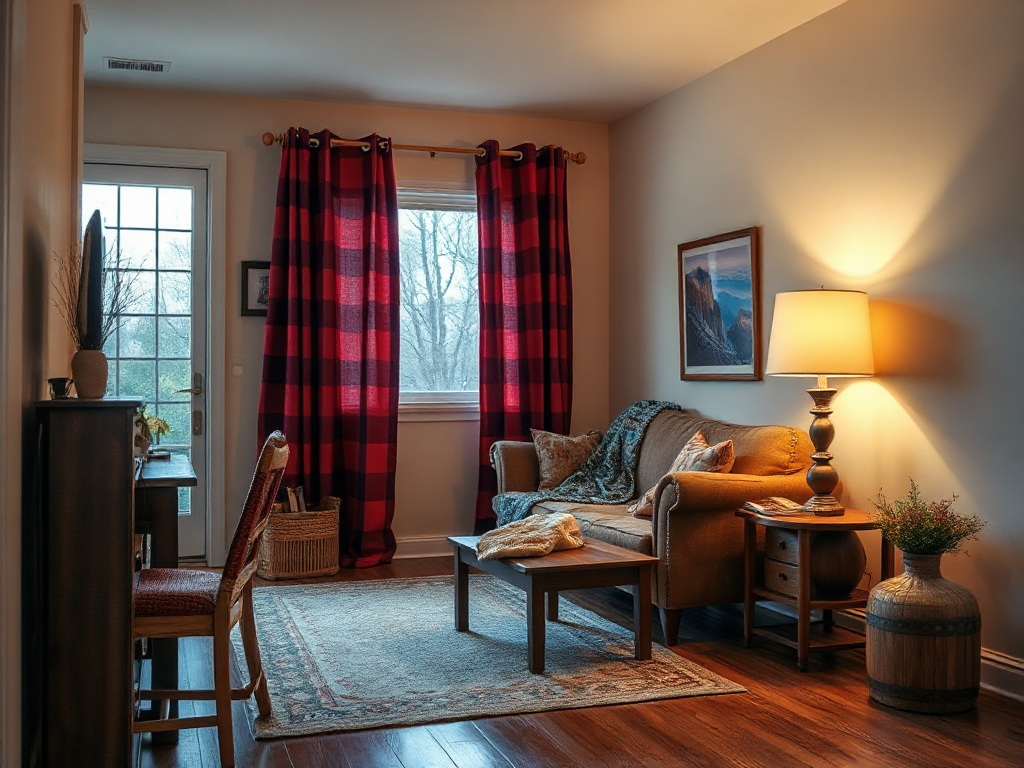
When central heat fails, concentrate available warmth instead of trying to keep the entire house comfortable. Select a small room with few windows, limited exterior walls, and enough space for everyone to sit or sleep safely. Close doors to unused rooms, draw curtains after daylight fades, place rolled towels at noticeable drafts, and keep interior doors open only when they improve access or supervision. Do not block required ventilation or exits.
The room should contain blankets, warm clothing, drinking water, snacks, medication, a phone charger, lighting, and a working carbon monoxide alarm. Layered clothing generally works better than relying on a single heavy garment because layers trap air and can be adjusted as activity changes. Hats, dry socks, and insulated footwear matter when floors are cold. Wet clothing should be changed promptly; damp fabric conducts heat away from the body and makes a mildly cool room feel far more dangerous.
Use the first few minutes to establish whether the problem is local or widespread. Check the thermostat setting, breaker position, and visible power status only when doing so presents no electrical or fire risk. If neighbors also lack heat, utility alerts may clarify the outage. If only one appliance has stopped, a service call may be faster than activating a generator. A weak assumption is that every heating failure needs an improvised heat source; sometimes the safest solution is conserving warmth briefly while arranging repair or relocation.
Set decision points rather than waiting until everyone is uncomfortable. If the indoor temperature continues falling, a resident becomes confused or unusually drowsy, or a vulnerable person cannot remain warm, move to a heated location. A home may remain tolerable for healthy adults wearing layers but unsafe for infants, older adults, or people with certain medical conditions. The winter heating failure plan should name who drives, who needs assistance, and what supplies leave with them.
Choose Backup Heat Without Creating New Hazards
Backup heat should be selected by fuel, ventilation requirement, electrical demand, and fire clearance—not by heat output alone. Electric space heaters avoid indoor combustion but require a dependable power source and can overload circuits or ignite nearby materials. A generator can support selected equipment, but it must remain outdoors, far from doors, windows, and vents, with exhaust directed away from the building. It must never be operated in a garage, basement, shed, porch, or enclosed vehicle area.
Never heat a room with a kitchen oven, stovetop, charcoal grill, camp stove, patio heater, or fuel-burning appliance that is not specifically approved for indoor use. Carbon monoxide is odorless, and opening a window does not make an unsuitable device safe. A generator connected to household wiring without a properly installed transfer arrangement can energize lines and endanger utility workers. Follow the appliance manual and local fire-safety guidance rather than adapting outdoor equipment to indoor conditions.
For a portable electric heater, choose a model with intact cords, place it on a stable noncombustible surface, keep it away from bedding and curtains, and plug it directly into a wall outlet unless the manufacturer explicitly permits another arrangement. Do not run a cord under rugs or use a damaged extension cord. Turn the unit off when leaving the room or sleeping unless its instructions and local safety guidance specifically support unattended operation.
There is a practical tradeoff between buying backup equipment and planning relocation. A generator may preserve a furnace blower, refrigerator, sump pump, or medical device, but it brings fuel storage, noise, maintenance, and carbon monoxide risks. A small heater may be simpler for a short, localized outage but useless during a grid failure. Test equipment before winter, maintain fuel as directed, and confirm that the chosen device matches the circuit capacity and the people who will operate it. The heating-failure checklist should include carbon monoxide alarms, not just batteries and fuel.
Protect People, Pipes, and Household Operations
Cold homes create several problems at once: residents lose body heat, plumbing may freeze, food storage may become unreliable, and darkness makes unsafe decisions more likely. Put human safety ahead of property. Check on people who live alone, older relatives, infants, and neighbors with disabilities. Keep phones charged, use flashlights rather than candles where possible, and avoid alcohol as a warming strategy because it can impair judgment and increase heat loss.
Pipe protection depends on the building, outdoor temperature, insulation, and outage duration. Open cabinet doors beneath sinks on exterior walls when appropriate, allow vulnerable faucets to drip only when local plumbing guidance supports it, and know where the main water shutoff is located. If a pipe freezes, do not use an open flame or attempt a high-temperature repair. A sudden return of water can reveal a split pipe, so inspect carefully and shut off water if leakage appears.
Food and medication deserve separate planning. Keep refrigerator and freezer doors closed as much as possible, follow current food-safety guidance when power returns, and maintain a cooler plan for medicines that require temperature control. Do not place medication outdoors simply because the air feels cold; freezing can damage some products. Contact a pharmacist or clinician for product-specific instructions. This is where a written household plan outperforms improvisation: it identifies which items need a person, a vehicle, or a heated destination first.
A compact priority list can keep decisions orderly:
- Call for emergency help if there is fire, suspected carbon monoxide, a fuel leak, or a medical crisis.
- Move vulnerable residents to a heated location before the home becomes difficult to leave.
- Conserve warmth in the selected room and monitor safe use of any approved heater.
- Protect pipes and essential equipment only after people are secure.
- Document the failure and arrange professional repair rather than repeatedly restarting unsafe equipment.
Common mistakes include closing all vents in an attempt to save heat, running a generator beside the house, and assuming a carbon monoxide alarm detects every combustion problem. Alarms are a backup, not permission to use an unsafe appliance. If an alarm sounds, everyone should leave the building and contact emergency services from outside. The home heating plan is complete only when it covers both staying safely and leaving promptly.
Frequently Asked Questions
What should I do first when the heat stops?
Check for immediate danger, then verify the thermostat and breaker only if safe. Gather residents in the selected warm zone and contact the utility, landlord, or technician.
Can I use a gas oven to heat my home?
No. An oven or stovetop can produce carbon monoxide, fire, or burns. Use only equipment approved for indoor heating and follow its instructions.
Where should a generator operate?
Operate it outdoors in a well-ventilated location far from doors, windows, and vents, following the manufacturer’s clearance instructions. Never use it inside a garage or other enclosed space.
How can I keep pipes from freezing?
Conserve heat around vulnerable plumbing, open suitable sink cabinets, and know the main water shutoff. Do not thaw frozen pipes with an open flame.
When should I leave the house?
Leave before conditions become unsafe for anyone in the household, especially infants, older adults, or people with medical needs. Leave immediately for suspected carbon monoxide, fire, or a fuel leak.
Conclusion
Preparing for a winter heating failure means planning for both lost warmth and the hazards created by desperate shortcuts. Service the heating system, test carbon monoxide alarms, identify shutoffs, and assemble a warm-zone kit before the first severe cold arrives. Decide in advance whether your household can safely use an approved electric heater or generator, and know when relocation is the better option. During an outage, protect people before pipes or food, keep combustion equipment outside unless specifically approved for indoor use, and treat alarms, fuel odors, and unusual symptoms as reasons to leave. A written plan with contacts, transportation, medications, and equipment instructions turns a confusing failure into a sequence of manageable decisions.