
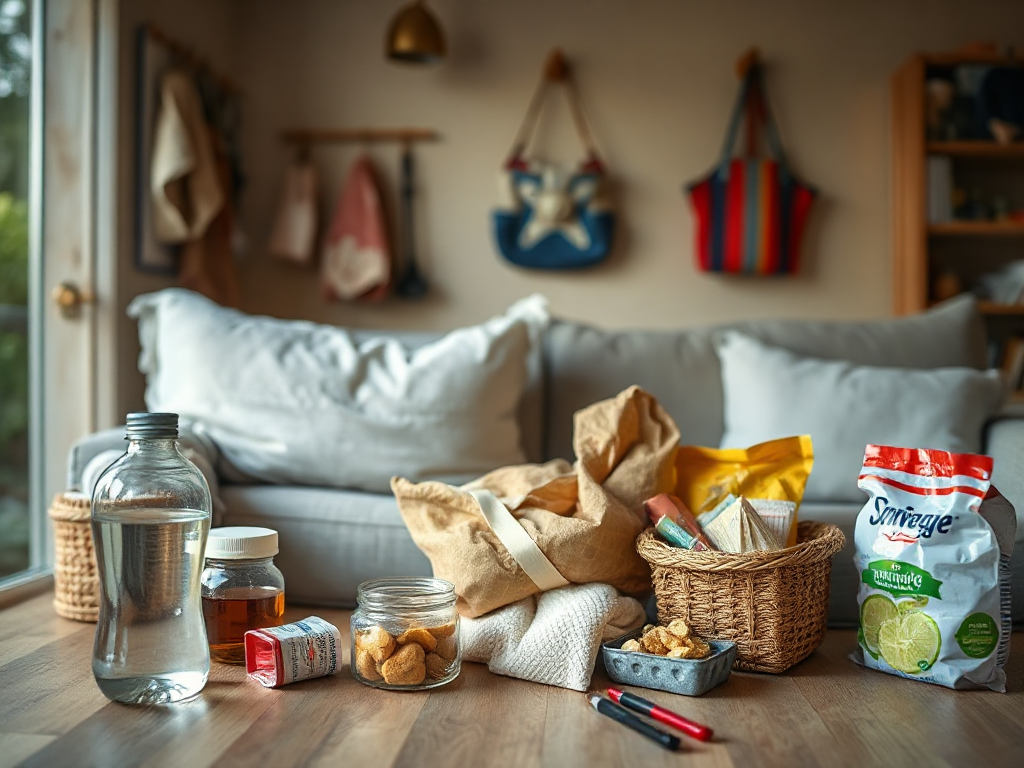
Build resilience with limited household resources by securing water, usable food, basic health needs, communication, and a simple way to stay warm or cool before buying specialized gear. Inventory what you already own, assign each item to a specific household need, and close the most serious gap with repair, reuse, borrowing, or a small targeted purchase. Store familiar foods that require little fuel, keep water containers clean and accessible, write down contacts and procedures, and practice one short household drill. Avoid spreading money across too many categories; a small, maintained system is more dependable than a large collection of forgotten supplies.
Find the Household’s Highest-Impact Gaps
Household resilience improves fastest when limited money, time, and storage space are directed toward the problems that would disrupt daily life first. A family may have plenty of canned food but no safe water containers, or own flashlights but lack spare batteries and a way to receive local information. Resilience is therefore less about owning a large collection of supplies and more about maintaining several basic functions when normal services are interrupted.
Begin with a short inventory rather than a shopping list. Check drinking water, food that can be eaten without much cooking, medicines and hygiene items, lighting, temperature control, communication, and documents. Include the people and conditions that change requirements: infants, older adults, pets, mobility limitations, allergies, prescription schedules, and work obligations. A household with a gas stove may need less cooking equipment than one that relies entirely on electric appliances, while a home in a hot climate may prioritize shade and ventilation over blankets.
Rank each gap by consequence, likelihood, and cost to correct. A missing can opener is inexpensive and immediately actionable; a major power backup system may be useful but financially out of reach. Low-cost substitutes can often close the first gap: a manual can opener, clean food-grade containers, printed contact numbers, sturdy shoes near an exit, or a cooler used to protect temperature-sensitive items for a limited period. The substitute is only valuable if everyone knows where it is and how to use it.
A common mistake is treating resilience as a contest to acquire more equipment. Buying several low-priority items can leave no money for water, sanitation, or necessary medications. Recheck the inventory after each purchase, repair, or change in household membership. The household resource approach works when every item has a clear purpose, a known location, and a maintenance habit.
Build Water, Food, and Sanitation Capacity From What You Have
Water deserves early attention because it supports drinking, food preparation, handwashing, and some cleaning tasks. Use containers designed for water or intended for food contact, label them with the date filled, and store them away from heat, chemicals, and direct sunlight. Reused containers may be unsuitable if they are difficult to clean, previously held chemicals, or cannot be sealed reliably. Follow local public-health guidance for treatment and storage, especially when a water advisory is issued.
Food resilience comes from familiarity and flexibility, not from purchasing unusual products. Choose shelf-stable foods the household already eats, such as oats, rice, pasta, beans, canned vegetables, canned fish, nut butter, shelf-stable milk, and crackers, while accounting for allergies and medical diets. Combine items that cover different preparation conditions. For example, canned beans and fish can be eaten without cooking, while oats and rice require water and fuel. A small manual can opener may be more useful than another case of cans.
Limited resources make rotation especially important. Place newer packages behind older ones, use foods before their quality declines, and replace them during ordinary grocery trips. Test one no-power meal before relying on it. The test can reveal that a food needs more water than expected, that a child refuses it, or that cooking fuel is inadequate. Do not assume a camp stove, grill, or indoor burner is safe inside a home; combustion equipment can create fire and carbon-monoxide hazards. Use only equipment according to its instructions and local safety guidance.
Sanitation is often the overlooked constraint. Set aside soap, toilet paper, menstrual supplies, diapers if needed, trash bags, disinfecting materials, and a way to wash hands when water service is limited. A simple handwashing station may consist of a covered container with a spigot, soap, and a basin, provided it is kept clean and managed safely. Avoid using disinfectants on skin or mixing cleaning chemicals. Compare the cost of a specialized sanitation kit with ordinary household supplies: the latter may be cheaper, easier to replace, and more familiar.
For a practical low-resource household checklist, verify three things: can people drink safely, can they eat without assuming electricity, and can they manage waste and hand hygiene? If any answer is no, that gap usually outranks another comfort item.
Create Resilience Without Depending on Electricity or New Gear
Electricity interruptions expose weak connections between ordinary household tasks. Lighting, refrigeration, phone charging, heating or cooling, information, and medical devices may all depend on the same service. Resilience does not require eliminating that dependence; it requires knowing which functions must continue and what can be reduced temporarily.
Use existing items first. Keep flashlights where they can be reached in darkness, check their batteries, and consider rechargeable lights only if they can be charged reliably. A battery-powered or hand-crank radio may help when internet and cellular service are unavailable, but it is not a substitute for a written contact plan. Print important phone numbers, addresses, medication information, insurance details, and meeting locations. Store copies in a secure place that is accessible if a phone is lost or dead.
Temperature management often benefits more from behavior and preparation than from expensive equipment. Close curtains during extreme heat, use the coolest or warmest room strategically, dress in layers, and avoid opening a refrigerator repeatedly. Never use an oven, charcoal grill, or fuel-burning appliance to heat an indoor space. If someone depends on powered medical equipment, the household should contact the equipment provider or health-care team about an appropriate backup plan rather than improvising with an incompatible battery.
Communication resilience also includes decision rules. Agree on how family members will confirm safety, where they will meet if separated, who checks on neighbors, and which official channels provide instructions. A printed plan is useful only if it reflects real schedules and transportation limits. A family that works in different locations may need two meeting places and a contact outside the immediate area. A household with limited funds can practice the plan without purchasing anything.
The failure mode here is confusing possession with readiness. A power bank left empty, a flashlight with corroded batteries, or a radio nobody can operate provides little capacity. Test equipment quarterly, label unfamiliar controls, and replace damaged cords or batteries. Choose one modest upgrade only after the household has demonstrated that its current system is organized and usable.
Turn Supplies Into a Maintained Household System
Resilience becomes durable when responsibilities, routines, and fallback options are clear. Assign each adult a small area to maintain, and give children age-appropriate tasks such as locating flashlights, checking labels, or learning a meeting point. The aim is not to make one person the household expert. If only one person knows where supplies are or how to shut off utilities, an absence can turn a manageable disruption into confusion.
Use a compact maintenance cycle. Once a month, inspect water containers, food dates, batteries, first-aid items, hygiene supplies, and important documents. Every few months, conduct a short exercise: prepare a meal without the usual appliance, locate the emergency contacts, or spend an evening using alternate lighting. Record what failed. A missing adapter, uncomfortable food, inaccessible container, or unclear instruction is more valuable information than a checklist marked complete.
Priorities should change with the season and the household. Before cold weather, inspect blankets, weather sealing, safe heating options, and supplies for people who may lose mobility. Before hot weather, evaluate shade, drinking water access, ventilation, and plans for anyone vulnerable to heat. When income is tight, spread improvements across regular purchases instead of taking on debt for a large package. Borrowing, sharing, repairing, and buying secondhand can work for non-safety-critical items, but inspect used electrical equipment and never compromise on medications, sanitation, or equipment needed for medical care.
Watch for signs that the system is working: family members can locate essentials quickly, meals can be prepared through more than one method, information is available without a single device, and supplies are consumed and replaced rather than forgotten. Signs of failure include expired food, unlabeled containers, plans that depend on one person, or equipment that has never been tested. Correct the smallest high-consequence failure first.
For households comparing options, a basic, maintained arrangement usually beats an advanced but fragile one. A printed contact sheet and charged light may provide more immediate value than a complex communications device. Once fundamentals are reliable, consider the next constraint, such as water treatment, backup charging, mobility, or neighborhood coordination. That sequence keeps limited resources focused on actual household function. Related planning can be connected through resource-conscious preparedness planning rather than separate, expensive projects.
For current recommendations on drinking water, food safety, sanitation, and hazards, consult guidance from local public-health departments, emergency-management agencies, and the Federal Emergency Management Agency. Requirements and advice can differ by location, climate, household needs, and the type of disruption.
Frequently Asked Questions
What should a household with very little money prioritize first?
Prioritize safe water, familiar shelf-stable food, medications, sanitation supplies, lighting, and a written communication plan. Use inventory, repair, and rotation before buying specialized equipment.
How can I prepare if I have almost no storage space?
Use a small, rotating supply integrated into ordinary cupboards. Favor compact foods, multipurpose hygiene items, collapsible containers, and documents stored digitally and on paper.
Is bottled water the only practical option?
No. Clean, appropriate food-grade containers can store water when prepared and maintained correctly. Follow local health guidance for storage duration, treatment, and replacement.
How often should household supplies be checked?
A monthly inspection catches depleted batteries, expired foods, damaged containers, and missing medications. A brief hands-on drill every few months reveals problems an inventory may miss.
What is the most common low-resource preparedness mistake?
Spending money on impressive but rarely used gear while basic needs remain unaddressed is common. A smaller system that is labeled, accessible, tested, and rotated is generally more dependable.
Conclusion
Building resilience on a limited household budget is a process of reducing the consequences of predictable disruptions, not collecting every possible supply. Map the household’s essential functions, correct the highest-risk gap, and rely on familiar items that can be stored, used, and replaced without strain. Water, food, sanitation, medications, lighting, temperature safety, and communication deserve attention before specialized upgrades. Practice one realistic task and let the result guide the next improvement. A container that is clean, labeled, and accessible is more useful than an ideal supply that never arrives; a written plan that fits real schedules is stronger than a complicated plan nobody remembers. Review the system monthly, adjust it for seasonal conditions, and spend only where the improvement closes a demonstrated weakness.