
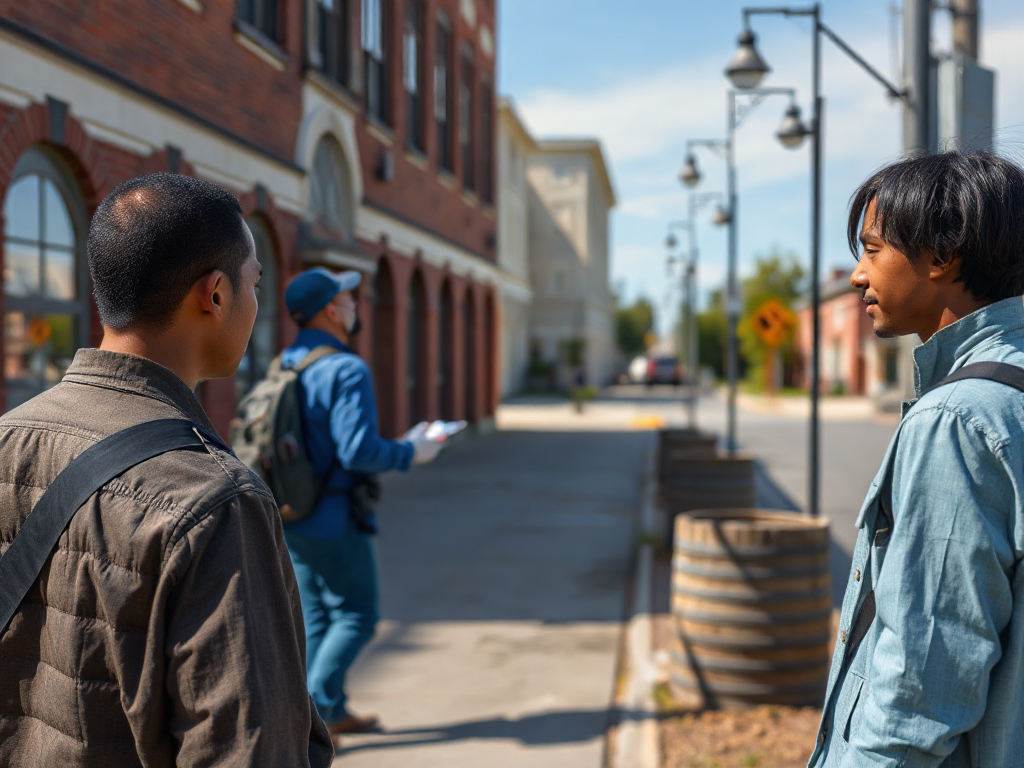
Recognizing barriers to effective emergency communication involves identifying factors such as language differences, technological limitations, and misinformation. These barriers can hinder the accurate dissemination of crucial information during emergencies, leading to confusion and delayed responses. To overcome these challenges, it is essential to implement clear communication strategies, ensure access to reliable technology, and provide training to responders on effective messaging techniques. Addressing these barriers promptly can significantly improve community resilience and response efficiency during crises.
Identifying Key Barriers
Effective emergency communication is critical for ensuring that communities can respond promptly and appropriately during crises. Recognizing barriers to this communication involves understanding various challenges that can disrupt the flow of information. Key barriers include poor message clarity, lack of access to communication channels, and inadequate training for emergency responders. Each of these barriers can lead to miscommunication, confusion, and ultimately, failure to act in a timely manner during emergencies.
For example, during a natural disaster, if emergency alerts are not conveyed clearly, residents may not understand the severity of the situation or the actions required to ensure their safety. Furthermore, if communication channels such as social media, radio, or local news are not utilized effectively, critical information may not reach those who need it most. Therefore, identifying and addressing these barriers is paramount for effective emergency communication.
The Role of Technology
Technology plays a dual role in emergency communication: it can either facilitate or hinder effective communication. On one hand, modern technology enables rapid dissemination of information through various platforms such as mobile apps, social media, and automated alert systems. On the other hand, reliance on technology can create barriers, particularly when there are issues with access or functionality.
For instance, during a power outage or network failure, individuals relying solely on digital communication may not receive important updates. Additionally, not everyone has access to smartphones or the internet, which can lead to significant gaps in information dissemination. To mitigate these challenges, emergency management agencies should adopt multi-channel communication strategies that include traditional methods like door-to-door outreach and community meetings, ensuring that vital information reaches all segments of the population.
Cultural and Linguistic Factors
Cultural and linguistic diversity can pose significant barriers to effective emergency communication. In communities where multiple languages are spoken, failure to provide information in the appropriate languages can lead to misunderstandings and inadequate responses. Additionally, cultural differences can affect how messages are perceived and acted upon.
For example, certain cultures may prioritize family or community decision-making, which can influence how individuals respond to emergency instructions. Emergency managers must recognize these cultural nuances and work to provide tailored communication that resonates with diverse audiences. This may involve collaborating with community leaders to develop culturally relevant messaging and providing materials in multiple languages to ensure inclusivity.
Misinformation and Its Impact
Misinformation can severely undermine effective emergency communication. During crises, individuals may rely on social media or unofficial sources for information, leading to the spread of inaccuracies. This can create panic, confusion, and ultimately hinder proper response efforts.
To combat misinformation, emergency management agencies should establish clear communication channels and actively monitor information being shared within the community. Providing regular updates from trusted sources can help clarify facts and dispel rumors. Additionally, engaging with community members to promote media literacy can empower individuals to critically evaluate the information they encounter during emergencies.
Frequently Asked Questions
What are common barriers to effective emergency communication?
Common barriers include poor message clarity, access issues to communication channels, and cultural or linguistic differences that hinder understanding.
How can technology improve emergency communication?
Technology can facilitate rapid message dissemination through platforms like social media and automated alerts, but it must be complemented by traditional methods to ensure inclusivity.
Why is cultural awareness important in emergency communication?
Cultural awareness helps tailor messages to resonate with diverse audiences, ensuring that information is understood and acted upon appropriately.
How does misinformation affect emergency responses?
Misinformation can create panic and confusion, leading to inadequate responses; clear communication from trusted sources is crucial to combat this issue.
What steps can be taken to address barriers in emergency communication?
Steps include identifying key barriers, utilizing multi-channel communication strategies, providing language support, and promoting media literacy within communities.
Additional Resources
Authoritative Sources
- American Red Cross Emergency Preparedness
redcross.orgPractical emergency preparation, safety, and supply guidance for households.