
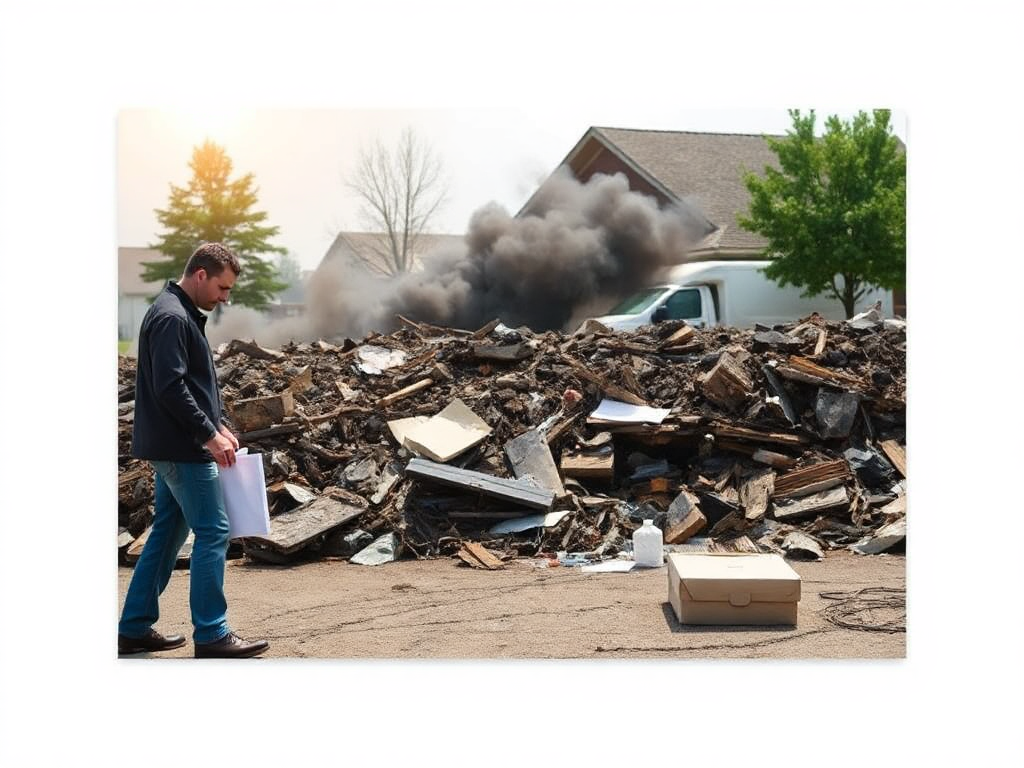
To prepare for potential legal issues after a disaster, you should focus on documenting damage, understanding insurance policies, and creating a legal plan. Proper documentation includes taking photos and keeping receipts for repairs. Familiarize yourself with your insurance coverage to ensure adequate protection. Additionally, consult with legal experts to draft necessary documents, such as wills or power of attorney, to safeguard your interests in case of unforeseen circumstances.
Understanding Legal Risks Post-Disaster
After a disaster, the potential for legal issues significantly increases due to disputes over property damage, insurance claims, and liability concerns. Understanding these risks is crucial for effective preparedness. Legal challenges can arise from various sources, including disputes with contractors, disagreements with insurance companies, and even liability for injuries that occur on your property post-disaster.
One common misconception is that insurance will automatically cover all damages. In reality, many policies have specific exclusions or limits. For example, flood damage may not be covered under a standard homeowner’s policy, necessitating separate flood insurance. Recognizing these gaps can prevent legal complications later.
Additionally, it’s important to consider local laws and regulations that may impact your rights during recovery. Local authorities may impose restrictions or requirements that affect how and when you can repair or rebuild your property.
Documenting Damage Effectively
Effective documentation is a cornerstone of preparing for potential legal issues after a disaster. Start by taking comprehensive photographs of all damage, ensuring to capture different angles and contexts. This visual evidence will be invaluable in substantiating your claims with insurance companies or in legal disputes.
In addition to photographs, keep meticulous records of all repairs, including receipts, invoices, and contracts with contractors. This documentation not only supports your insurance claims but also provides proof of the work done in case of disputes. One common mistake is failing to document temporary repairs. Even if you hire someone for immediate fixes, having records of these actions is crucial.
Moreover, consider creating a video inventory of your property before and after the disaster. This can serve as a visual record that is often more compelling than written descriptions alone. Ensure that this documentation is stored securely, preferably in multiple formats and locations, such as cloud storage and external hard drives.
Navigating Insurance Policies
Understanding your insurance policies is essential to prevent potential legal issues after a disaster. Many individuals are unaware of their policy’s terms, leading to unexpected challenges when filing claims. Review your policies to identify what is covered, the limits of coverage, and any exclusions that may apply.
For instance, if your home suffers damage from a natural disaster, knowing whether your policy covers temporary housing costs during repairs can impact your financial recovery. Additionally, familiarize yourself with the claims process, including timelines and documentation requirements. Delays in filing claims can result in loss of coverage or reduced compensation.
Engaging with your insurance agent or a legal professional can provide clarity on complex terms and help you strategize your claims effectively. One frequent pitfall is assuming all damages will be compensated; understanding the nuances of your policy can help mitigate this risk.
Creating a Legal Preparedness Plan
Creating a legal preparedness plan is a proactive step in addressing potential legal issues post-disaster. This plan should include essential legal documents such as wills, powers of attorney, and health care proxies. These documents ensure that your wishes are honored and that your affairs are managed according to your preferences in case of incapacitation.
Additionally, consider consulting with a legal professional to draft or review these documents. They can provide insights into local laws that may affect your situation, ensuring that your plan is comprehensive and compliant. One often overlooked aspect is the need to update these documents regularly, especially after significant life events such as marriage, divorce, or the birth of a child.
Furthermore, ensure that your legal documents are easily accessible to trusted individuals. This accessibility can expedite decision-making during emergencies and reduce the potential for legal disputes among family members.
Frequently Asked Questions
What should I document after a disaster?
Document all damage with photographs and written records, including receipts for repairs and temporary accommodations.
How can I ensure my insurance covers disaster-related damages?
Review your insurance policy's terms, including coverage limits and exclusions, and consult with your insurance agent for clarification.
What legal documents should I prepare before a disaster?
Prepare wills, powers of attorney, and health care proxies to ensure your wishes are honored and your affairs are managed effectively.
How can I protect myself from liability after a disaster?
Ensure your property is safe and secure, and document any injuries or incidents that occur to mitigate liability risks.
What steps should I take if my insurance claim is denied?
Review the denial letter for specific reasons, gather supporting documentation, and consider appealing the decision or consulting a legal expert.
Conclusion
Preparing for potential legal issues after a disaster involves meticulous documentation, comprehensive understanding of insurance policies, and creating a solid legal plan. By taking proactive steps, such as documenting damage and consulting legal professionals, you can navigate complex legal landscapes with confidence. Prioritizing these actions not only protects your interests but also facilitates a smoother recovery process, ensuring that you are ready to face any challenges that may arise.