
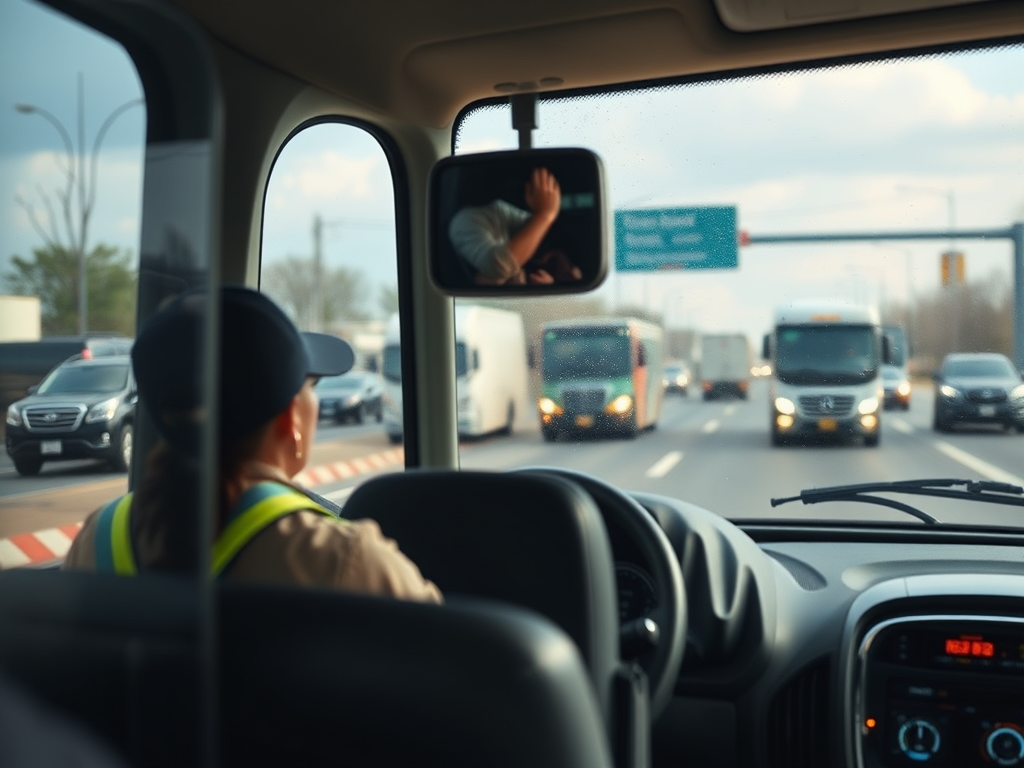
Planning for transportation challenges during disasters involves creating a comprehensive evacuation plan, ensuring vehicle readiness, and establishing communication networks. Prioritize identifying safe routes, maintaining fuel levels, and having emergency supplies readily available. Common mistakes include underestimating the need for multiple transportation options and failing to account for potential road closures. A proactive approach can significantly enhance safety and accessibility during emergencies.
Understanding Transportation Challenges in Disasters
Transportation challenges during disasters can severely hinder relief efforts and evacuation processes. Natural disasters such as hurricanes, floods, and wildfires can lead to blocked roads, damaged infrastructure, and increased traffic congestion. Additionally, the unpredictability of these events makes it crucial for individuals and communities to plan proactively. Understanding the risks associated with transportation during a disaster helps in developing strategies to mitigate these challenges.
One key aspect to consider is the geographical layout of the area. For instance, urban environments may have more alternative routes compared to rural areas, where fewer roads can lead to isolation. Furthermore, understanding the typical weather patterns can inform the timing of evacuations, as certain conditions may exacerbate transportation difficulties. Recognizing these elements is vital for effective disaster planning.
Creating an Effective Evacuation Plan
An effective evacuation plan is a cornerstone of managing transportation challenges during disasters. This plan should outline clear routes, identify safe zones, and designate transportation methods. Begin by mapping out multiple evacuation routes to account for potential road closures. It is essential to consider factors such as traffic flow, accessibility, and distance when selecting these routes.
Moreover, involving local authorities in the planning process can provide insights into real-time conditions and available resources. Regular drills and community meetings can help familiarize residents with the plan, ensuring everyone understands their roles and responsibilities during an emergency. A well-communicated evacuation plan enhances community resilience and facilitates smoother evacuations.
Vehicle Readiness and Maintenance
Ensuring vehicle readiness is critical for effective transportation during disasters. Regular maintenance checks should include inspecting tires, brakes, fluid levels, and fuel efficiency. It is advisable to keep at least half a tank of fuel at all times, as fuel stations may be inaccessible during emergencies. Additionally, consider equipping vehicles with emergency supplies such as first aid kits, non-perishable food, water, and flashlights.
Another critical aspect is knowing how to operate your vehicle in various conditions. For instance, driving through flooded areas can be dangerous; understanding the depth of water and vehicle capabilities can prevent accidents. Community workshops on vehicle safety and emergency driving techniques can empower residents to handle transportation challenges more effectively.
Establishing Communication Networks
Effective communication is vital during disasters, especially regarding transportation updates. Establishing a reliable communication network can help disseminate information about road conditions, evacuation orders, and available transportation resources. Utilize social media platforms, community apps, and local radio stations to share updates quickly and efficiently.
Additionally, consider creating a community emergency contact list that includes local authorities, emergency services, and neighborhood coordinators. This network can facilitate quick responses to transportation challenges and ensure that everyone is informed of the latest developments. Encouraging residents to stay connected and informed can significantly improve community resilience during crises.
Frequently Asked Questions
What are common transportation challenges during disasters?
Common challenges include road closures, traffic congestion, and damaged infrastructure, which can hinder evacuation and relief efforts.
How can I prepare my vehicle for a disaster?
Regular maintenance, keeping fuel levels adequate, and equipping your vehicle with emergency supplies are crucial for disaster readiness.
Why is communication important during a disaster?
Effective communication provides updates on evacuation orders and road conditions, helping individuals make informed decisions during crises.
What should be included in an evacuation plan?
An evacuation plan should include multiple routes, safe zones, transportation methods, and designated meeting points for family members.
How can communities improve transportation during disasters?
Communities can improve transportation by developing comprehensive evacuation plans, conducting drills, and establishing communication networks for real-time updates.
Conclusion
Planning for transportation challenges during disasters requires a proactive approach involving community collaboration, effective communication, and vehicle readiness. By creating a comprehensive evacuation plan, maintaining vehicles, and establishing reliable communication networks, individuals and communities can enhance their resilience during emergencies. Prioritizing these strategies ensures that transportation challenges are managed effectively, ultimately safeguarding lives and facilitating recovery efforts.