
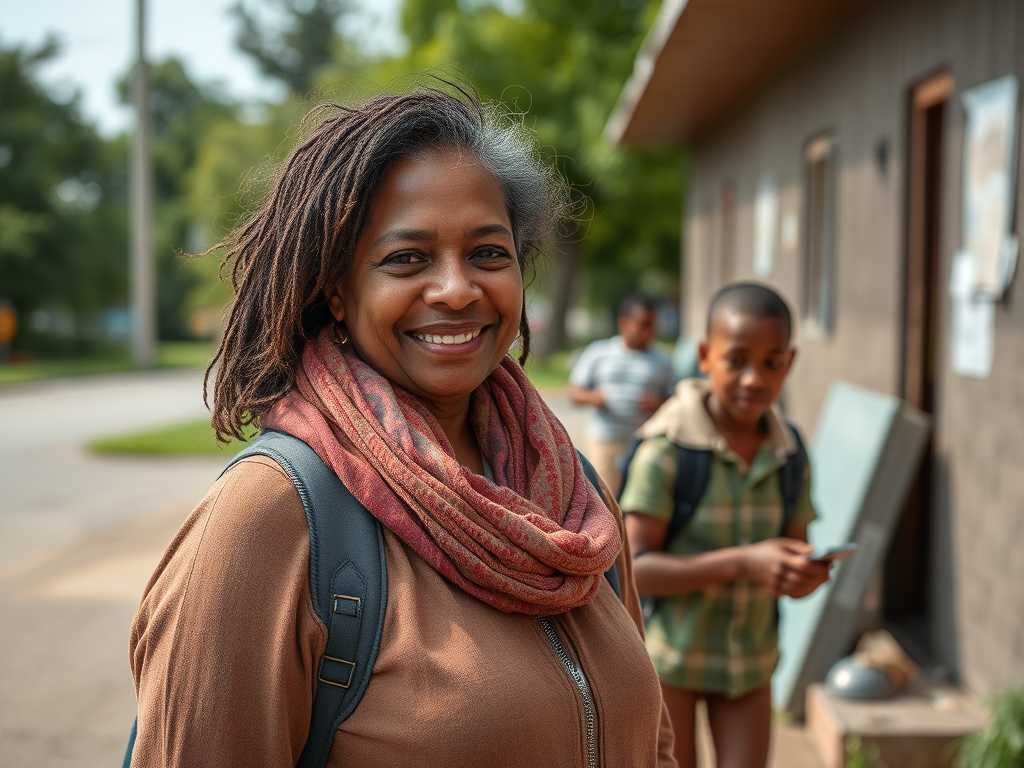
To create support for vulnerable populations in emergencies, it is essential to prioritize effective communication, resource mobilization, and community involvement. Establishing diverse communication channels ensures that critical information reaches those who need it most, particularly individuals with limited access to technology. Collaborating with local organizations can enhance trust and facilitate quicker responses. Additionally, recognizing the unique challenges faced by groups such as the elderly and individuals with disabilities allows for tailored support strategies, such as providing transportation assistance and accessible resources. By addressing these specific needs, communities can significantly improve outcomes during crises.
Understanding Vulnerable Populations
Identifying vulnerable populations is crucial for effective emergency support. These groups often include children, the elderly, individuals with disabilities, and those experiencing economic hardship. Each group faces unique challenges during emergencies, such as limited mobility, communication barriers, or lack of access to essential services. Understanding these specific vulnerabilities allows organizations and communities to tailor their support efforts effectively.
For instance, elderly individuals may struggle to evacuate quickly during a disaster due to mobility issues. Therefore, planning should include transportation assistance and special accommodations. Similarly, people with disabilities may require specific resources to ensure their safety and comfort. Recognizing these needs is the first step toward building a supportive framework that can respond promptly and effectively.
Establishing Effective Communication Strategies
Effective communication is vital for ensuring that vulnerable populations receive timely information during emergencies. This can involve creating multiple communication channels to reach diverse audiences. For example, utilizing social media, community radio, and local organizations can help disseminate critical information quickly and efficiently.
Moreover, communication must be accessible. This means providing information in multiple languages, using simple language, and ensuring that it is available in formats that are suitable for individuals with disabilities. Regular updates about emergency services, shelters, and resources can empower these populations to make informed decisions, ultimately enhancing their safety and well-being.
A common mistake is assuming that everyone has equal access to technology. Many vulnerable individuals may lack smartphones or reliable internet connections. Therefore, it’s essential to partner with local community leaders who can relay messages through face-to-face interactions or community gatherings.
Mobilizing Resources and Support
Mobilizing resources effectively is key to supporting vulnerable populations during emergencies. This involves assessing the needs of these groups and coordinating with local agencies and organizations that can provide necessary supplies, services, and support. Resources may include food, medical supplies, shelter, and mental health services.
Collaboration with NGOs, government agencies, and community groups can facilitate this process. For example, local food banks can provide meals, while health organizations can offer medical assistance. Establishing a centralized command or coordination center can streamline resource allocation and ensure that support reaches those who need it most.
However, it’s important to recognize potential limitations, such as funding shortages or logistical challenges. Planning ahead and establishing partnerships before an emergency occurs can help mitigate these issues, ensuring a more robust response when crises arise.
Community Engagement and Collaboration
Community engagement is a critical component of creating effective support for vulnerable populations in emergencies. Involving community members in planning and response efforts fosters trust and ensures that support is relevant and culturally appropriate. This engagement can take many forms, such as organizing community meetings, forming volunteer groups, or partnering with local organizations that have established trust within the community.
For instance, local faith-based organizations often have deep roots in their communities and can play a significant role in outreach and support efforts. By collaborating with these groups, emergency responders can tap into existing networks of trust and communication, making it easier to reach vulnerable populations.
Common pitfalls in community engagement include failing to involve local leaders or neglecting to listen to the concerns of community members. These oversights can lead to mistrust and ineffective support. Therefore, ongoing dialogue and feedback loops should be established to ensure that the needs of vulnerable populations are continuously addressed.
Frequently Asked Questions
What are some challenges faced by vulnerable populations during emergencies?
Vulnerable populations often face challenges such as limited mobility, lack of access to information, and increased health risks, making it difficult for them to respond effectively in emergencies.
How can communities better prepare for emergencies?
Communities can prepare by conducting drills, creating emergency plans, and establishing communication networks to ensure that vulnerable populations receive timely information and support.
Why is effective communication important in emergencies?
Effective communication ensures that all community members, especially vulnerable populations, are informed about emergency procedures, available resources, and safety measures, which can save lives.
What role do local organizations play in supporting vulnerable populations?
Local organizations often have established trust within the community and can mobilize resources, provide crucial services, and facilitate communication between emergency responders and vulnerable populations.
How can community engagement improve emergency responses?
Community engagement fosters trust, ensures that support is culturally appropriate, and enables responders to understand and address the specific needs of vulnerable populations during emergencies.
Conclusion
Creating support for vulnerable populations in emergencies requires a multifaceted approach that includes understanding their unique challenges, establishing effective communication, mobilizing resources, and engaging the community. By prioritizing these areas, communities can enhance their emergency response capabilities, ensuring that those most at risk receive the necessary support and resources during crises. Moving forward, it’s essential to maintain open lines of communication and continually assess the needs of vulnerable populations to adapt response strategies accordingly.