
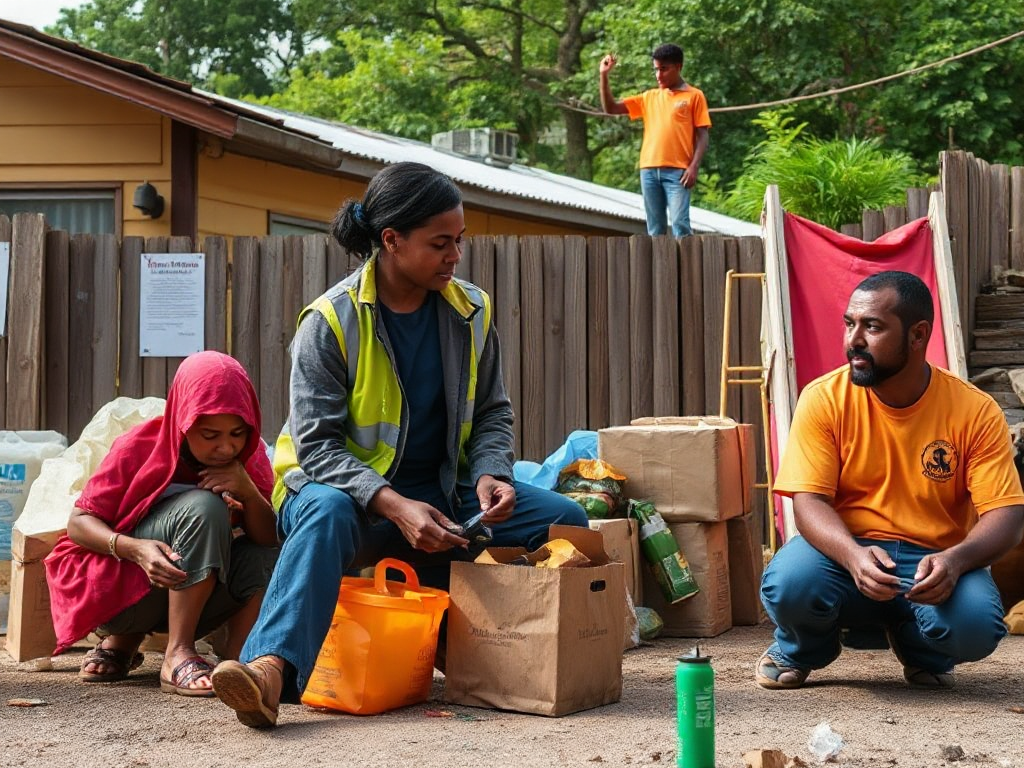
Building resilience in communities for disaster response requires active engagement and collaboration among residents. By fostering strong social networks and involving local leaders in preparedness initiatives, communities can effectively address their unique needs. A common mistake is overlooking the valuable insights of community members, which can lead to ineffective strategies. Establishing clear communication channels is essential for disseminating information during crises, ensuring that everyone is informed and prepared.
Understanding Community Resilience
Community resilience refers to the ability of a community to prepare for, respond to, and recover from disasters effectively. This concept is crucial in disaster response as it emphasizes the importance of local strengths and capacities. Resilient communities can withstand shocks and stresses, minimizing disruption and ensuring a quicker recovery. Key components include social cohesion, economic stability, and infrastructure robustness, which all contribute to a community’s overall resilience.
One common mistake in building resilience is underestimating the importance of social networks. These networks provide emotional and practical support during crises, enabling communities to respond effectively. Building strong relationships among community members fosters trust and collaboration, which are essential in times of need.
Importance of Local Engagement
Engaging community members in disaster preparedness initiatives is vital for building resilience. When individuals feel included and valued, they are more likely to participate actively in preparedness efforts. This engagement can take many forms, such as community meetings, workshops, and volunteer programs.
For example, involving local leaders and organizations in planning can ensure that the unique needs of the community are addressed. Communities that prioritize local knowledge and input often develop more effective disaster response strategies. A common pitfall is relying solely on external experts without considering the insights and experiences of local residents.
Developing Effective Communication Strategies
Effective communication is crucial during a disaster response. Establishing clear channels of communication ensures that vital information reaches community members promptly. This includes alerts about impending disasters, safety instructions, and recovery resources.
Communities should consider utilizing multiple communication platforms, such as social media, local radio, and community bulletin boards, to reach diverse audiences. Additionally, training volunteers to disseminate information can enhance communication efforts. A frequent oversight is failing to test these communication systems regularly, which can lead to confusion and misinformation during an actual disaster.
Training and Resource Allocation
Training community members to respond effectively during disasters is an essential component of building resilience. This training can include first aid, search and rescue operations, and emergency management skills. By empowering individuals with the necessary skills, communities can better manage crises when they arise.
Moreover, allocating resources effectively can enhance a community’s resilience. This includes ensuring that emergency supplies are readily available and accessible to all community members. A common mistake is neglecting to evaluate the specific needs of different community segments, which can lead to inequalities in resource distribution.