
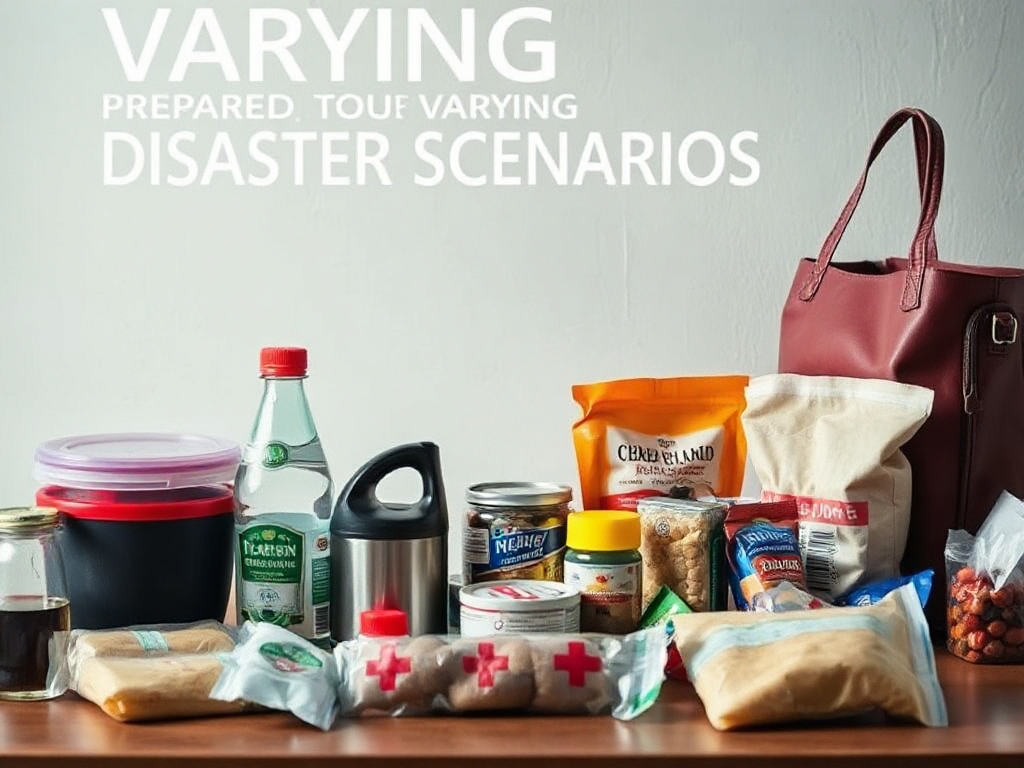
To prepare for varying disaster scenarios, it is crucial to develop a comprehensive emergency plan, assemble essential supplies, and stay informed about potential risks. Start by assessing your specific environment and identifying the types of disasters most likely to occur, such as floods, earthquakes, or wildfires. Create an emergency kit with food, water, medical supplies, and other necessities, while also establishing communication and evacuation plans that can adapt to different situations. Regularly review and practice these plans to ensure readiness.
Understanding Disaster Scenarios
Disaster scenarios can range from natural events like hurricanes and earthquakes to human-made crises such as chemical spills or terrorist attacks. Understanding the specific risks associated with your location is vital for effective preparedness. For instance, coastal areas are more susceptible to hurricanes, while regions near fault lines may face earthquakes. Identifying these risks allows individuals and communities to tailor their emergency plans and responses accordingly.
One common mistake is underestimating the likelihood or severity of certain disasters. Many people may assume that because they have never experienced a particular disaster, it won’t happen to them. However, historical data shows that disasters can strike unexpectedly, making it crucial to prepare for a variety of scenarios.
Creating an Emergency Plan
An effective emergency plan is the backbone of disaster preparedness. It should outline specific actions to take in various scenarios, including evacuation routes, communication strategies, and designated meeting points. Start by involving all family members in the planning process to ensure everyone understands their roles and responsibilities during a crisis.
For instance, if a wildfire threatens your area, your plan should include the quickest escape routes, a checklist of essential items to pack, and a way to communicate with each other if separated. Regular drills can help reinforce these plans and identify areas for improvement.
Another pitfall is failing to update your emergency plan regularly. Life changes, such as moving to a new location, having children, or changes in family dynamics, can impact your preparedness needs. Review and practice your plan at least once a year.
Essential Supplies for Different Disasters
Having the right supplies on hand is critical for surviving a disaster. While basic preparedness kits often include food, water, and first aid supplies, the specific items you need can vary based on the type of disaster. For example, during a flood, having waterproof bags and a supply of clean water is essential, while in the case of an earthquake, sturdy shoes and tools for debris removal may be more important.
Assemble a disaster kit that includes:
- Non-perishable food and water: Aim for at least a three-day supply for each person.
- First aid kit: Include bandages, antiseptics, and prescription medications.
- Flashlights and batteries: Essential for power outages.
- Multi-tool or knife: Useful for various situations.
- Personal hygiene items: Such as wet wipes and hand sanitizer.
Regularly check and replace expired items in your kit to ensure everything is usable in an emergency.
Staying Informed and Engaged
Knowledge is power disaster preparedness. Stay informed about the types of disasters that could affect your area by subscribing to local emergency alerts and following relevant organizations on social media. Additionally, familiarize yourself with the emergency services available in your community and how to access them during a crisis.
Engagement with local preparedness initiatives can also enhance your readiness. Many communities offer training sessions on first aid, CPR, and disaster response. Participating in these programs not only increases your skills but also helps foster a sense of community resilience.
Ultimately, avoid the misconception that preparedness is solely an individual responsibility. Building a network of neighbors who are also prepared can create a support system during emergencies, making it easier to share resources and information.
Frequently Asked Questions
What should I include in my emergency kit?
Your emergency kit should include non-perishable food, water, first aid supplies, flashlights, batteries, personal hygiene items, and any necessary medications.
How often should I review my emergency plan?
Review your emergency plan at least once a year or after any significant life changes, such as moving or having children.
What are the most common types of disasters?
Common types of disasters include natural disasters like hurricanes, earthquakes, floods, and wildfires, as well as human-made disasters such as chemical spills or terrorist attacks.
How can I stay informed about potential disasters?
Subscribe to local emergency alerts, follow relevant organizations on social media, and stay engaged with community preparedness initiatives to stay informed about potential disasters.
What role does community play in disaster preparedness?
Community engagement is essential for building resilience; participating in local preparedness initiatives can foster a support network during emergencies.
Conclusion
Preparing for varying disaster scenarios requires a proactive approach that includes developing a comprehensive emergency plan, assembling essential supplies, and staying informed. Regularly reviewing and practicing your plan ensures that all family members are ready to act when needed. By understanding the specific risks in your area and fostering a sense of community preparedness, you enhance your resilience and ability to respond effectively during crises.
Additional Resources
Authoritative Sources
- American Red Cross Emergency Preparedness
redcross.orgPractical emergency preparation, safety, and supply guidance for households.