
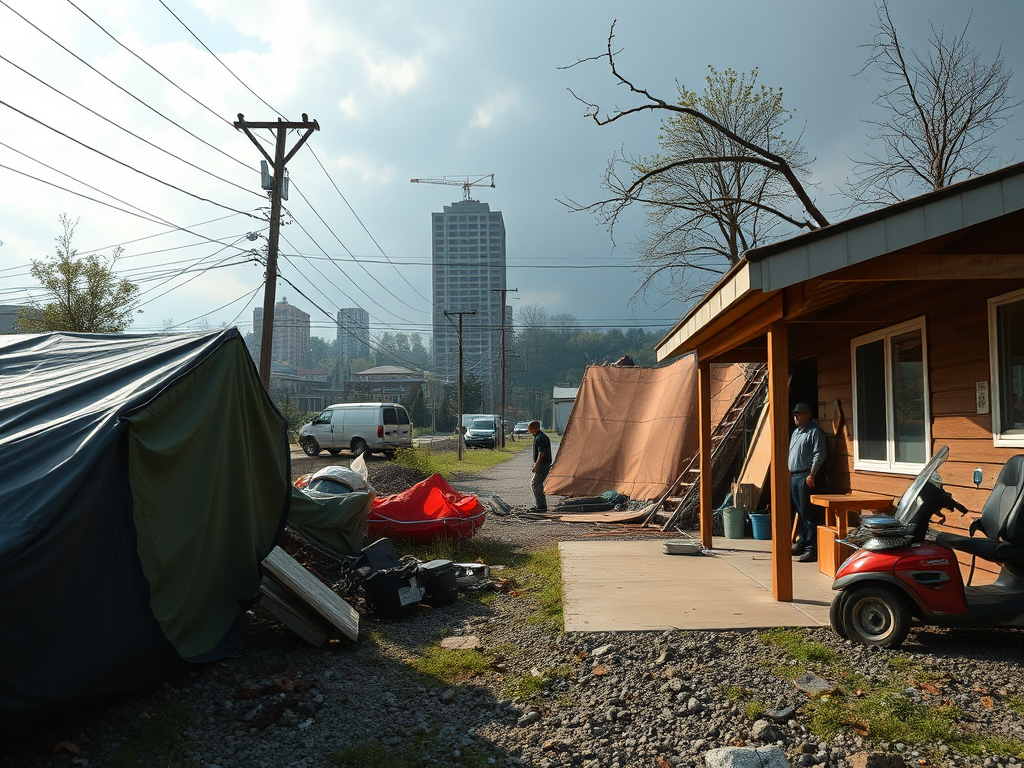
Preparing for natural disasters specific to your region involves understanding local risks, creating an emergency plan, and assembling a disaster supply kit. Begin by assessing the types of disasters common in your area, such as floods, earthquakes, or hurricanes. Next, develop a communication strategy with family members and ensure everyone knows evacuation routes. Ultimately, gather essential supplies, including food, water, medications, and other necessities, tailored to your specific regional risks and needs.
Assessing Regional Risks
Understanding the natural disasters that are most likely to occur in your region is the first critical step in disaster preparedness. Different areas are prone to different hazards; for instance, coastal regions may face hurricanes and flooding, while areas near fault lines are at risk of earthquakes. To effectively prepare, research your local climate and geology, and consult resources such as the Federal Emergency Management Agency (FEMA) or your local government’s emergency management office.
Recognizing the specific risks in your area allows you to tailor your preparation efforts. For example, if you live in a flood zone, you may need to focus on evacuation routes and flood-proofing your home. Conversely, if your area is prone to wildfires, you should consider creating defensible space around your property and having an evacuation plan ready. Each region has unique characteristics that influence disaster risks, making localized knowledge essential.
Creating an Emergency Plan
Once you understand the risks, the next step is to develop a comprehensive emergency plan. This plan should cover various scenarios, detailing how your family will react in case of a disaster. Include information on meeting places, communication methods, and evacuation routes. Ensure that all family members understand the plan and can execute it under stress. Consider conducting regular drills to familiarize everyone with the procedures.
Your emergency plan should also include a communication strategy. In many disasters, conventional means of communication may fail. Establish a reliable way to reach each other, such as designated contact persons outside the area. Additionally, include pet care arrangements in your plan, as many shelters do not accept animals.
Assembling a Disaster Supply Kit
A disaster supply kit is crucial for survival during and after a natural disaster. Your kit should be tailored to your specific needs and the types of disasters you may face. Basic supplies should include non-perishable food, water (at least one gallon per person per day for three days), a flashlight, a first aid kit, and necessary medications.
Consider the unique challenges your region may present. For example, if you are in an area prone to severe winter weather, include warm clothing and blankets. If hurricanes are a concern, add battery-operated fans and waterproof bags for important documents. Regularly check and update your kit to ensure that all items are functional and within their expiration dates.
Staying Informed and Connected
Staying informed during a disaster is vital. Sign up for local alerts and warnings to receive timely information about emergencies. Many communities offer services through text messages or apps that provide updates on weather conditions and safety instructions. Additionally, familiarize yourself with local emergency services, shelters, and resources available in your area.
Maintaining connections with neighbors can also enhance your preparedness. Establish a community network to share resources, information, and support during crises. Engaging with local emergency preparedness groups can provide valuable insights and foster a culture of safety in your community.
Frequently Asked Questions
What should I include in my disaster supply kit?
Your disaster supply kit should include non-perishable food, water, a flashlight, a first aid kit, medications, and personal hygiene items.
How often should I review my emergency plan?
Review your emergency plan at least once a year or whenever there are significant changes in your family or community.
What are some common mistakes in disaster preparedness?
Common mistakes include not having a communication plan, failing to update emergency kits, and underestimating local risks.
How can I stay informed during a disaster?
Sign up for local alerts, follow news updates, and utilize weather apps to stay informed about conditions and safety instructions.
Why is community preparedness important?
Community preparedness fosters shared resources, support, and information, enhancing overall safety and response capabilities during disasters.
Conclusion
Being prepared for natural disasters specific to your region is crucial for ensuring safety and resilience. By assessing local risks, creating a comprehensive emergency plan, assembling a disaster supply kit, and staying informed, you can significantly enhance your readiness. Prioritize regular reviews and updates to your plans and supplies to adapt to changing circumstances. Engaging with your community can also provide additional support and resources, further strengthening your preparedness efforts.
Additional Resources
Authoritative Sources
- A Quick Guide to Staying Safe in Any Natural Disaster
pinole.govKnow the risks in your surrounding areas, make an emergency family plan, build an emergency supply kit, and get involved in your community to ...
- Disaster Preparedness Plan | Make a Plan
redcross.orgBe familiar with natural disaster risks in your community. · Consider how you will respond to emergencies that can happen anywhere, such as home fires and floods ...