
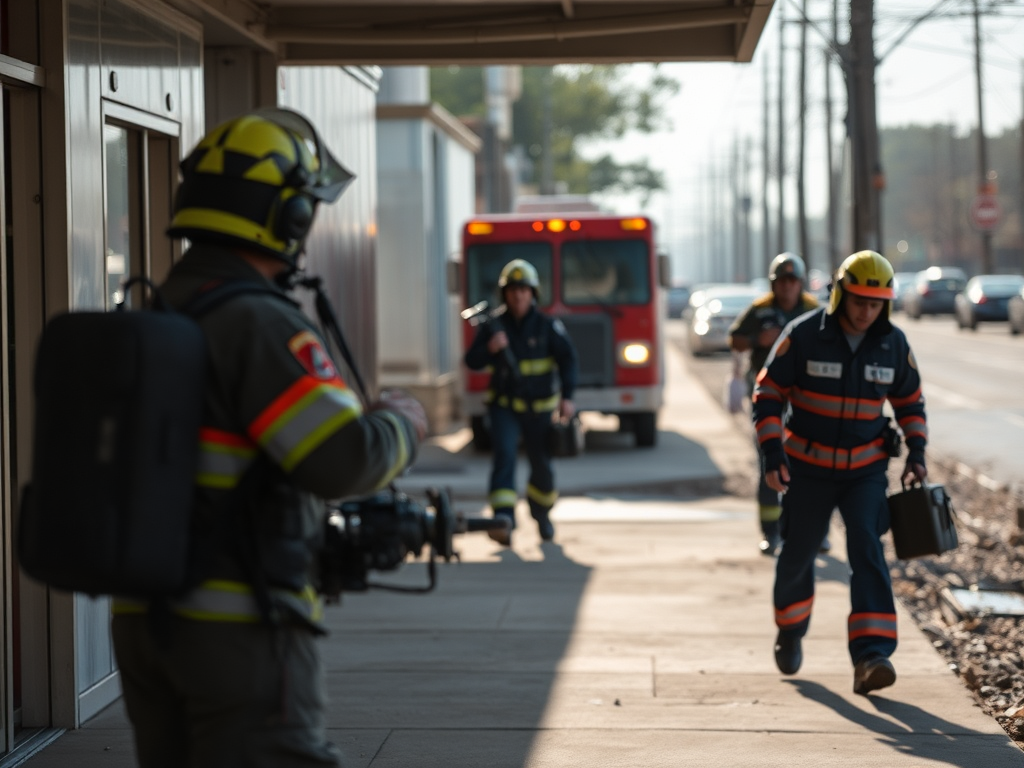
The impact of noise during disaster response can severely disrupt communication and decision-making, leading to increased risks for both responders and victims. High noise levels from emergency vehicles, machinery, and chaotic environments can hinder the clarity of vital information exchange, resulting in miscommunication and errors. To mitigate these challenges, implementing noise reduction strategies, such as using communication devices designed for loud settings and training responders to maintain situational awareness amidst noise, is essential. Recognizing the sources of noise and their effects can enhance operational efficiency and improve the emotional well-being of all involved during critical situations.
Understanding Noise in Disaster Response
Noise during disaster response encompasses various sounds, including emergency sirens, machinery, and human voices, which can create a chaotic environment. Understanding the types of noise is crucial for effective disaster management. High decibel levels can disrupt communication, making it challenging for responders to relay critical information.
For instance, during a natural disaster like an earthquake, the immediate chaos can generate significant noise from collapsing structures and emergency vehicles. This noise not only complicates the logistics of rescue operations but also impacts the mental state of the responders and victims alike. Effective noise management begins with recognizing these sound sources and their potential effects on operations.
Effects of Noise on Communication and Decision-Making
High levels of noise can severely impair communication among disaster response teams, leading to increased errors and delayed actions. For example, when emergency responders cannot hear each other over the din of machinery or crowd noise, vital information may not be conveyed. This lack of clarity can result in miscommunication, which can be disastrous in high-stakes situations.
Moreover, studies show that noise can lead to cognitive overload, where responders struggle to process information effectively. This overload can cause slower decision-making and reduced situational awareness, which are critical during a disaster. Therefore, understanding the implications of noise on decision-making processes is essential for disaster response planning.
Emotional and Psychological Impact of Noise
The emotional and psychological impact of noise during disaster response is often overlooked. Constant exposure to loud and chaotic environments can lead to stress, anxiety, and even post-traumatic stress disorder (PTSD) among responders. Such psychological effects can hinder their performance and decision-making capabilities.
For instance, a study of first responders showed that prolonged exposure to high noise levels correlated with increased levels of anxiety and decreased morale. Addressing these psychological impacts is crucial for maintaining the mental health of responders, which ultimately affects their ability to perform effectively in the field. Providing support systems and training on coping mechanisms can help mitigate these effects.
Mitigation Strategies for Noise Management
Implementing effective noise management strategies is essential for improving disaster response outcomes. One approach is to utilize noise-reduction technologies, such as sound barriers or personal protective equipment designed to dampen sound levels. Training responders on effective communication techniques in noisy environments is also vital.
Additionally, establishing clear protocols for communication can enhance coordination. For example, using visual signals or hand gestures can help convey messages when verbal communication is compromised. Regular drills that simulate high-noise environments can prepare teams for real-world scenarios, ensuring they can maintain effectiveness despite challenging conditions.
Frequently Asked Questions
What types of noise are common during disaster response?
Common types of noise include emergency vehicle sirens, machinery sounds, crowd noise, and communication among responders, all contributing to a chaotic environment.
How does noise affect communication in emergencies?
Noise can hinder effective communication by masking voices and critical information, leading to miscommunication and mistakes during response efforts.
What psychological effects can noise have on responders?
Prolonged exposure to high noise levels can lead to increased stress, anxiety, and potential long-term psychological issues such as PTSD among responders.
What strategies can mitigate noise during disaster response?
Strategies include using sound barriers, providing personal hearing protection, training on non-verbal communication, and establishing protocols for clear communication.
Why is noise management important in disaster response?
Effective noise management is crucial for maintaining communication clarity, reducing cognitive overload, and ensuring the psychological well-being of responders, ultimately improving response outcomes.
Conclusion
Noise during disaster response poses significant challenges, impacting communication, decision-making, and the emotional well-being of responders. By understanding these challenges and implementing effective noise management strategies, disaster response teams can enhance their operational efficiency and protect the mental health of their personnel. Prioritizing noise reduction and effective communication can lead to better outcomes in crisis situations.
Additional Resources
Authoritative Sources
- Exploring communication inefficiencies in disaster response
sciencedirect.comThree key challenges: structural, operational, and information exchange barriers. Weak interpersonal relationships and lack of prior liaison were found to ...
- Responding to Disasters: Training Can Overcome Issues in ...
pmc.ncbi.nlm.nih.govIdentifying the recurring issues in disaster response is critical to advancing best practices, new content, and methods for trainers and the response community.