
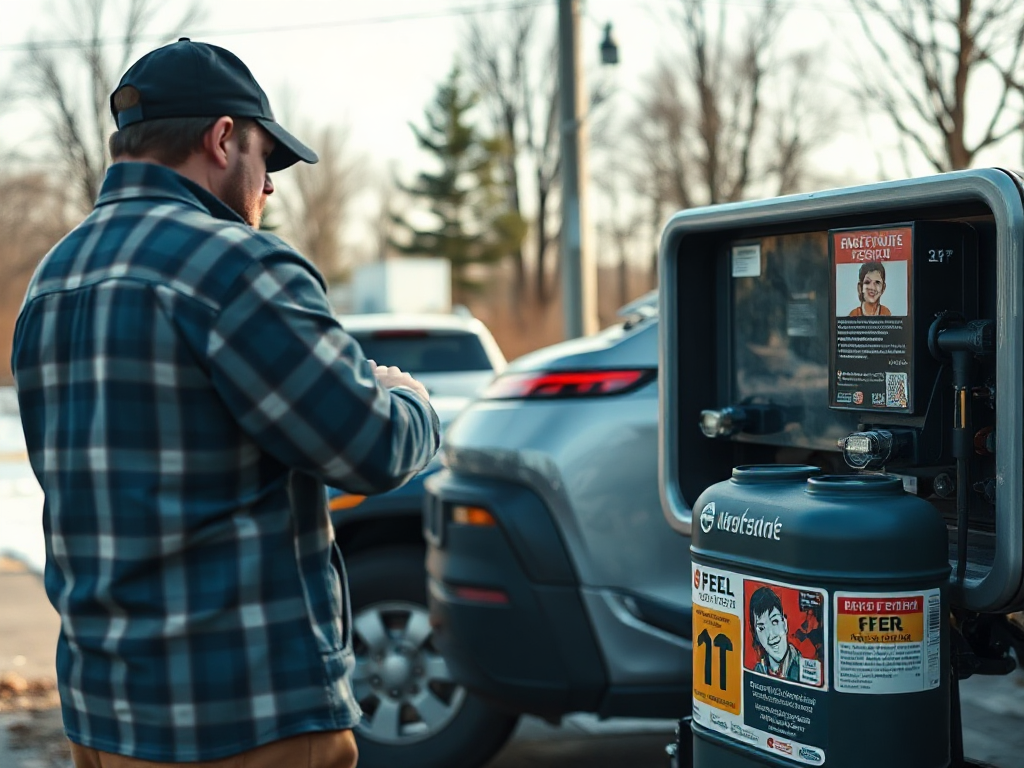
To ensure adequate fuel supplies for emergencies, begin by assessing your specific fuel requirements based on potential scenarios like natural disasters or power outages. Store fuel in approved containers and in a cool, dry place to maintain its viability. Regularly monitor your fuel levels and establish a sourcing plan to mitigate unexpected shortages. Additionally, consider using fuel stabilizers to prolong shelf life, especially for long-term storage. Avoid common mistakes such as neglecting inventory management or failing to comply with safety regulations, as these can lead to dangerous situations or fuel shortages when you need it most.
Assessing Your Fuel Needs
Understanding how to ensure adequate fuel supplies for emergencies begins with a thorough assessment of your fuel needs. This assessment should consider the types of emergencies you may face, such as natural disasters, prolonged power outages, or civil unrest. Each scenario may require different amounts of fuel for various uses, including transportation, heating, and cooking.
For example, if you live in a region prone to hurricanes, you may need to stockpile fuel for generators and vehicles. On the other hand, if you are preparing for a winter storm, you might prioritize heating fuel. Establishing a clear understanding of your specific needs allows for better planning and resource allocation.
Safe Fuel Storage Practices
Safe storage of fuel is critical to preventing accidents and ensuring that your supplies remain viable during emergencies. Fuel should be stored in approved containers that meet safety regulations to prevent leaks and spills. Always keep fuel in a cool, dry location, away from direct sunlight and sources of heat.
When storing gasoline, it is essential to use containers specifically designed for that purpose. These containers should be labeled and kept out of reach of children and pets. Additionally, consider stabilizing fuel with additives to extend its shelf life, especially if it will be stored for several months.
Developing Fuel Sourcing Strategies
Establishing a reliable sourcing plan is crucial for ensuring access to fuel during emergencies. This plan should include multiple sources of fuel, such as local gas stations, bulk fuel suppliers, or even community co-ops. Investigating alternative fuel options, like propane or biodiesel, can also provide additional flexibility.
Engaging with local suppliers and understanding their delivery schedules can help you anticipate shortages during crises. Building relationships with these suppliers can also lead to priority service during emergencies, ensuring that your fuel needs are met when it matters most.
Managing Your Fuel Inventory
Effective inventory management is essential for maintaining adequate fuel supplies. Implement a tracking system to monitor fuel levels, usage rates, and expiration dates. Regularly check your inventory and rotate older fuel supplies to ensure they are used before expiration.
Utilizing technology, such as fuel management software or apps, can streamline this process. This technology can alert you when fuel levels are low, allowing for timely refueling before an emergency occurs. Additionally, keeping a detailed log of fuel purchases and usage can help you identify trends and adjust your storage practices accordingly.
Common Mistakes to Avoid
Many individuals make critical mistakes when preparing their fuel supplies. One common error is underestimating fuel needs, which can lead to shortages during emergencies. It’s essential to overestimate slightly to account for unexpected situations.
Another mistake is failing to maintain fuel supplies properly. Neglecting safety measures, such as improper storage or ignoring expiration dates, can render your fuel unusable. Lastly, not having a contingency plan for fuel sourcing can leave you vulnerable in crises.