
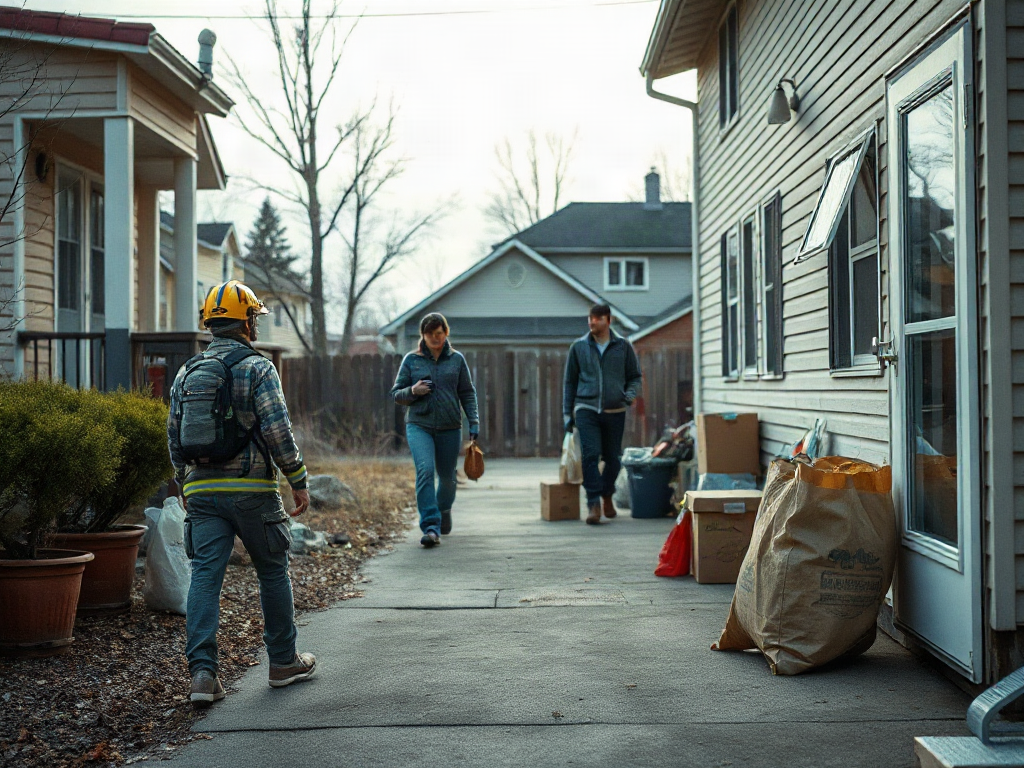
Closing common gaps in emergency preparedness requires checking seven connected areas: local hazards, water, food, medical needs, power, communication, and evacuation. Households should plan for realistic disruptions, store supplies they can safely maintain, assign responsibilities, and test whether alerts, contact methods, backup lighting, and departure routes work under pressure. Priority should go to failures that create immediate danger, such as unsafe water, missing medication, indoor generator use, or reliance on a single route or phone. A written checklist, scheduled supply rotation, and short household drills turn disconnected purchases into a usable system while exposing weak assumptions before an actual emergency.
Identify Gaps by Hazard and Consequence
A useful preparedness review begins with the disruptions a household could plausibly face, not with a universal shopping list. A winter power outage, fast-moving wildfire, contaminated-water notice, and extended heat emergency create different demands. Listing local hazards alongside their likely effects reveals whether the household may need to remain indoors, leave quickly, operate without utilities, or support someone with limited mobility.
Rank each gap by consequence and time sensitivity. A missing entertainment option is inconvenient; an unavailable rescue inhaler, inaccessible mobility device, or unsafe source of drinking water can become urgent. The same logic applies to location. Apartment residents may have little storage and no safe way to operate fuel-burning equipment, while rural households may face delayed responders, private-well failure, or blocked roads. Effective Emergency preparedness solutions for common gaps must reflect those constraints rather than conceal them behind a long inventory.
Use a seven-point review covering hazards, water, food, medical needs, power, communication, and evacuation. For every category, record what is available, how long it should remain usable, who depends on it, and what could disable it. A battery radio stored without suitable batteries is not operational. A vehicle evacuation kit offers limited value if the vehicle routinely has little fuel or the driver cannot reach it during working hours.
A practical test is to walk through one ordinary day without assuming electricity, tap water, mobile data, or an open grocery store. Note where routine tasks stop: preparing infant formula, refrigerating medicine, charging a hearing device, opening an electric garage door, receiving a warning, or contacting a family member. This exercise exposes dependencies that product-focused planning tends to miss.
The common mistake is treating ownership as readiness. Supplies may be expired, buried behind other storage, unfamiliar to household members, or unsuitable for the actual hazard. Close the highest-consequence gaps first, then address comfort and duration. Signs of progress include named backups for essential functions and household members who can locate and use them. A plan is still failing if one absent person holds all the knowledge or if success depends on uninterrupted cellular service.
Secure Water, Food, and Medical Continuity
Water deserves early attention because loss of safe supply affects drinking, food preparation, hygiene, and some medical care at the same time. Store potable water in containers intended for that purpose, protect it from contamination and damaging temperatures, and follow the container manufacturer’s storage guidance. Keep a method for treating additional water, but distinguish filtration from disinfection: a device that improves taste or removes sediment should not automatically be assumed to address microorganisms or chemical contamination.
Plan food around what household members already eat and can prepare during the expected disruption. Shelf-stable meals that require large amounts of water or prolonged cooking may be a poor fit during a utility outage. Ready-to-eat foods, a manual can opener, familiar snacks, and foods suitable for allergies or texture restrictions may be more usable than an inexpensive bulk supply nobody has tested. If using a camp stove or grill, follow its instructions and keep combustion appliances outdoors and away from openings; moving them into a garage or home creates a carbon monoxide hazard.
Medical continuity requires more than a first-aid kit. Record current medicines, doses, allergies, prescribers, pharmacy details, insurance information, and relevant device requirements. Discuss refill timing and emergency options with the prescribing clinician or pharmacist rather than changing medication use independently. Consider spare eyeglasses, hearing-aid batteries, mobility supplies, sanitation items, and a temperature plan for products that require controlled storage. A cooler is only a partial answer unless the household knows the safe temperature range, has a way to monitor it, and can obtain replacement cold packs.
For example, a household may have canned food for several days yet lack safe water to drink alongside salty meals, or it may own a first-aid kit while depending on an electrically powered medical device. The stronger option pairs each critical need with a workable backup: stored water plus an appropriate treatment method, ready-to-eat food plus utensils, and device power plus a clinician-informed contingency.
Rotation prevents a quiet decline in readiness. Mark review dates, use older food and water as appropriate, inspect containers, replace depleted supplies, and update medical records whenever treatment changes. A compact checklist should verify:
- Quantity: enough for household members, pets, and likely disruption length.
- Suitability: safe for dietary, medical, age, and preparation needs.
- Access: reachable without power, special tools, or one particular person.
- Condition: sealed, legible, within applicable dates, and free from damage.
Frequent spoilage, unknown storage dates, and meals that cannot be prepared with backup utilities are signs the system needs revision.
Build Resilient Power and Communication Options
Backup power should be assigned to specific loads rather than purchased around an optimistic claim about capacity. Identify what must operate, its power demand, how long it needs to run, and whether it has a high startup requirement. Lighting and phone charging are relatively modest needs; refrigerators, pumps, heaters, cooking appliances, and medical equipment can require much more. Manufacturer specifications and qualified electrical guidance are safer planning inputs than guessing from outlet count.
Different tools serve different roles. Power banks are convenient for phones and small electronics but eventually require recharging. Portable power stations can support selected devices quietly, although capacity, charging time, battery condition, and temperature affect usefulness. Fuel-powered generators may run larger loads, but they introduce fuel storage, noise, maintenance, connection, and lethal carbon monoxide risks. They must be operated outdoors at a safe distance from doors, windows, and vents according to manufacturer instructions, never inside a home, basement, shed, or garage.
Communication plans need similar redundancy. Mobile networks may become congested, batteries may drain, and household members may be separated. Enable local emergency alerts, keep a battery-powered or hand-crank radio where appropriate, write down essential numbers, and select an out-of-area contact who can receive status updates. Text messages may sometimes succeed when calls do not, but they remain network-dependent. Paper contact cards are low-cost backups for children, older adults, or anyone unlikely to remember numbers under stress.
Consider a weekday outage that begins while adults are at work and children are at school. A home-only plan does not answer who may pick up the children, where the household will reunite, or how everyone will report their status if local calls fail. Set a nearby meeting place for a localized incident and another outside the immediate area for a wider evacuation. Include caregivers and authorized pickup arrangements where applicable.
The weak assumption is that more equipment automatically creates resilience. Uncharged batteries, stale generator fuel, missing cables, and unfamiliar controls routinely undermine that approach. Label cables, store instructions with devices, recharge on a schedule, and perform a short test using only the equipment intended for an outage. The system is working when another household member can power priority devices and receive information without verbal coaching. It is failing when loads exceed capacity, the radio cannot tune to a useful station, or every contact route depends on one phone.
Make Evacuation and Shelter Plans Usable
Evacuation and sheltering are different operating modes, and a household needs triggers for both. Some hazards are safer to escape early, while others may require staying indoors and following official instructions. The decision should be informed by local alerts, public-safety directions, visible conditions, household mobility, and route status—not by a rigid rule that leaving or staying is always preferable.
Map at least two ways out of the neighborhood and identify destinations in different directions. A destination should be more specific than “a hotel” or “a relative’s house.” Confirm the address, contact method, pet policy, accessibility, expected travel route, and an alternative if that location is affected. Households without vehicles should investigate local transportation arrangements before an event and coordinate with trusted contacts rather than assuming public transit will operate normally.
Keep essential departure items together without creating a bag too heavy to carry. Identification copies, medicines, water, weather-appropriate clothing, chargers, cash in practical denominations, hygiene supplies, a flashlight, and pet necessities often matter more than specialized gadgets. Original documents may need secure protection elsewhere; portable copies should be handled with attention to privacy. Seasonal clothing and children’s sizes also need periodic review.
Sheltering has its own gaps. Choose suitable interior locations for relevant hazards, know how to receive instructions, and account for ventilation, sanitation, temperature, and utility shutoffs. Do not shut off gas or restore it without appropriate direction and knowledge. Smoke alarms and carbon monoxide alarms should remain functional according to manufacturer instructions, especially when outages encourage unsafe heating or cooking improvisations.
A short drill gives the plan operational value. Ask everyone to gather departure items, send a status message, locate the meeting point, and explain what they would do if the main exit or route were unavailable. Time pressure should remain controlled; the purpose is to find friction, not frighten participants. Pets hiding, keys being misplaced, a garage door lacking manual access, or a mobility aid not fitting in the vehicle are actionable discoveries.
Review Emergency preparedness solutions for common gaps after moves, medication changes, new pets, changes in mobility, or shifts in work and school locations. A drill is succeeding when people make the same key decisions independently and necessary items are accessible. Repeated confusion about destinations, pickup authority, alerts, or departure triggers means the written plan needs simplification rather than more pages.
Frequently Asked Questions
What preparedness gap should a household fix first?
Fix the gap with the fastest and most serious consequence, such as unsafe drinking water, unavailable essential medicine, missing alarms, or no way to receive hazard warnings. Comfort supplies should follow life-safety needs.
How often should emergency supplies be reviewed?
Use a recurring schedule and review supplies after they are used or household needs change. Check dates, container condition, batteries, clothing sizes, contact details, medicines, and whether every item remains accessible.
Is buying an emergency kit enough?
No. A premade kit may provide a starting point, but it rarely accounts for local hazards, prescriptions, dietary restrictions, pets, mobility needs, communication failures, or the household’s evacuation arrangements.
How can a household prepare with limited storage space?
Prioritize compact, high-consequence needs and distribute supplies in safe, accessible locations. Choose stackable water containers where appropriate, rotate shelf-stable foods through normal meals, and avoid bulky equipment without a defined use.
What is the best way to test an emergency plan?
Run a short scenario that removes one normal service, such as power or mobile data. Practice finding supplies, contacting an out-of-area person, reaching a meeting point, and handling an unavailable route.
Conclusion
Preparedness becomes reliable when every critical need has a realistic backup and someone besides the planner knows how to use it. Begin with a hazard-based review, then correct the gaps that could quickly threaten health or safety: water, medicine, warnings, safe power, and a workable departure or shelter decision. Match food and equipment to actual household needs instead of accumulating supplies without a defined role.
Set a date to inspect storage conditions, update contacts, charge batteries, and run one short scenario. Record every point where the process slows or depends on an unavailable person, device, route, or utility. Correct those failures before adding lower-priority gear. Repeating this cycle after household changes will produce a smaller, clearer, and more dependable system than a kit that is purchased once and never tested.
Additional Resources
Authoritative Sources
- Make A Plan
ready.govStep 1: Meet with Your Family · How will I receive emergency alerts and warnings? · What is my shelter plan? · What is my evacuation route? · What is my family/ ...
- Emergency Preparedness Checklist | Facilities Management
facilities.cuimc.columbia.eduStep 1: Develop an Emergency Plan · Step 2: Develop a Communication Plan · Step 3: Keep Emergency Supplies in Your Home · Step 4: Prepare a Disaster Go Bag! · Step ...