
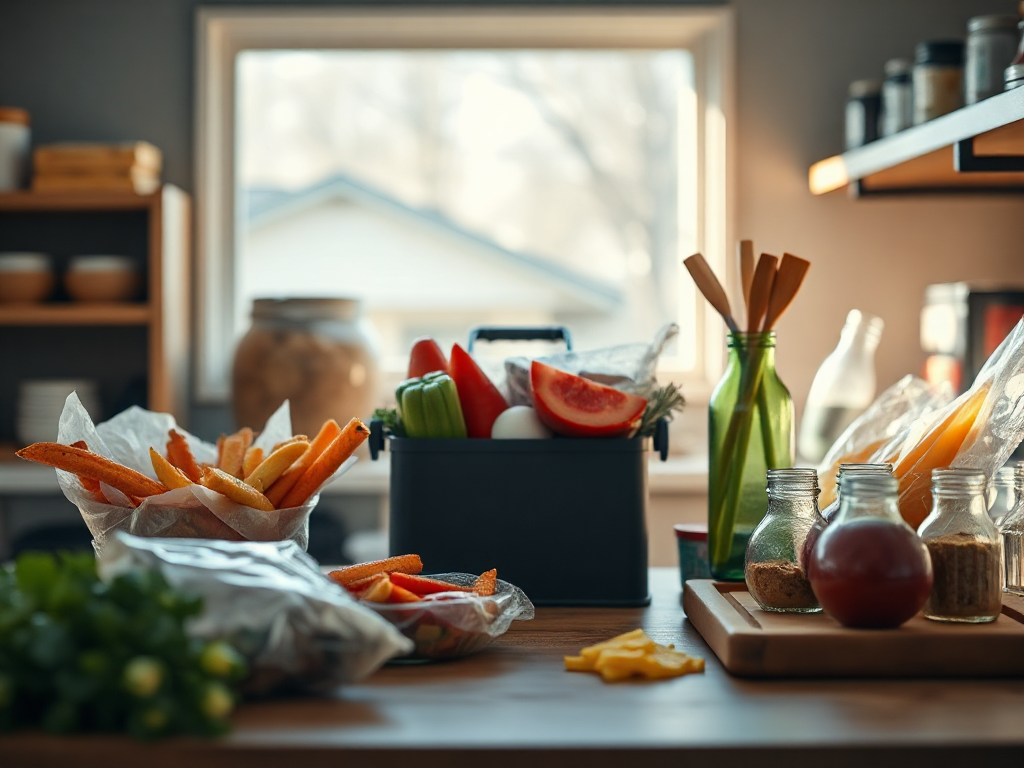
Balancing convenience and preparedness in food choices means selecting foods that are quick to prepare while also being nutritious. Focus on incorporating ready-to-eat items like canned beans and frozen vegetables into your meals, ensuring you have a stock of non-perishable staples such as grains and legumes for emergencies. A practical approach is to create a meal plan that includes both convenient options and wholesome ingredients, allowing for nutritious meals without extensive cooking time. Avoid the common mistake of relying solely on processed convenience foods, which often lack essential nutrients. By maintaining this balance, you can enjoy quick meals while being prepared for unexpected situations.
Understanding Convenience in Food Selection
Convenience in food selection refers to the ease with which meals can be prepared and consumed. This includes ready-to-eat meals, quick-cooking options, and foods that require minimal preparation. In today’s fast-paced world, many people prioritize convenience to save time, especially during busy weekdays. Foods like microwaveable meals, pre-cut vegetables, and instant grains are popular choices because they reduce cooking time and effort. However, while they offer immediate benefits, it’s essential to consider their nutritional value and how they fit into a balanced diet.
For example, while a frozen pizza may be convenient, it often lacks essential nutrients compared to a homemade meal. Choosing convenient foods should not mean compromising on health. Instead, look for options that provide a balance of convenience and nutrition, such as frozen fruits or whole grain wraps. This balance is crucial for maintaining energy levels, especially for those with active lifestyles or during emergencies.
The Role of Preparedness in Food Choices
Preparedness in food choices involves planning and stocking foods that can sustain you during unexpected situations, such as natural disasters or supply chain disruptions. This means keeping a supply of non-perishable items like canned goods, grains, and dried legumes, which can be stored for prolonged periods without spoiling. Preparedness also includes having a variety of foods that can be quickly prepared or consumed, ensuring that you are not solely reliant on convenience foods.
For instance, having a stock of canned vegetables, pasta, and rice allows you to create balanced meals even in times of scarcity. Additionally, understanding how to use these ingredients effectively can enhance your ability to prepare nutritious meals quickly. Developing a meal plan that incorporates both convenient and prepared foods can help maintain dietary quality while ensuring you’re ready for any situation.
Strategies for Balancing Both Aspects
To effectively balance convenience and preparedness in food choices, consider the following strategies:
- Stock Essentials: Keep a variety of non-perishable staples like beans, rice, oats, and canned vegetables. These can serve as a base for many meals.
- Meal Prep: Dedicate time each week to prepare meals in advance. This can include cooking grains, chopping vegetables, or even making entire meals that can be frozen.
- Smart Shopping: When grocery shopping, choose items that are both convenient and nutritious. Look for frozen fruits, pre-cooked proteins, and whole grain options that save time and provide health benefits.
- Emergency Kits: Create an emergency food kit containing ready-to-eat meals, snacks, and essential nutrients. This should be easily accessible and regularly updated.
These strategies help ensure that you are prepared for emergencies without sacrificing the convenience needed for daily meals. Balancing these factors enhances your overall food security and well-being.
Common Mistakes to Avoid
When trying to balance convenience and preparedness, individuals often make several common mistakes that can undermine their efforts. One significant mistake is relying too heavily on processed convenience foods, which may be high in sodium, preservatives, and unhealthy fats. While they save time, they can negatively impact health over time.
Another mistake is neglecting variety in food choices. A diet lacking in diverse foods can lead to nutritional deficiencies. It’s important to include a mix of proteins, carbohydrates, and healthy fats in your meal planning.
Lastly, failing to regularly check and rotate your food supplies can lead to wasted resources. Be sure to follow the first-in, first-out rule with your pantry items to ensure nothing goes unused. By avoiding these pitfalls, you can maintain a balanced approach to food choices that supports both convenience and preparedness.
Frequently Asked Questions
What are some convenient food options for emergency preparedness?
Convenient food options for emergency preparedness include canned goods, freeze-dried meals, granola bars, and ready-to-eat snacks. These items are shelf-stable and require minimal preparation.
How can I ensure my convenience foods are healthy?
To ensure convenience foods are healthy, read labels for nutritional content, focus on whole food ingredients, and choose options low in added sugars and sodium.
How often should I rotate my food supplies?
Food supplies should be rotated every six months to ensure freshness. Regularly check expiration dates and replace items as needed.
What are the benefits of meal prepping?
Meal prepping saves time, reduces food waste, and allows for better nutritional control. It enables you to have healthy meals ready to go, minimizing reliance on convenience foods.
What should I include in an emergency food kit?
An emergency food kit should include non-perishable foods, water, a manual can opener, and any necessary dietary supplements. Aim for items with a long shelf life.
Conclusion
Balancing convenience and preparedness in food choices is essential for maintaining a healthy diet while being ready for emergencies. By prioritizing both aspects, individuals can make informed decisions that promote well-being and food security. Focus on stocking nutritious, non-perishable items, meal prepping, and avoiding common mistakes to create a sustainable approach to eating that meets daily needs and emergency situations.