
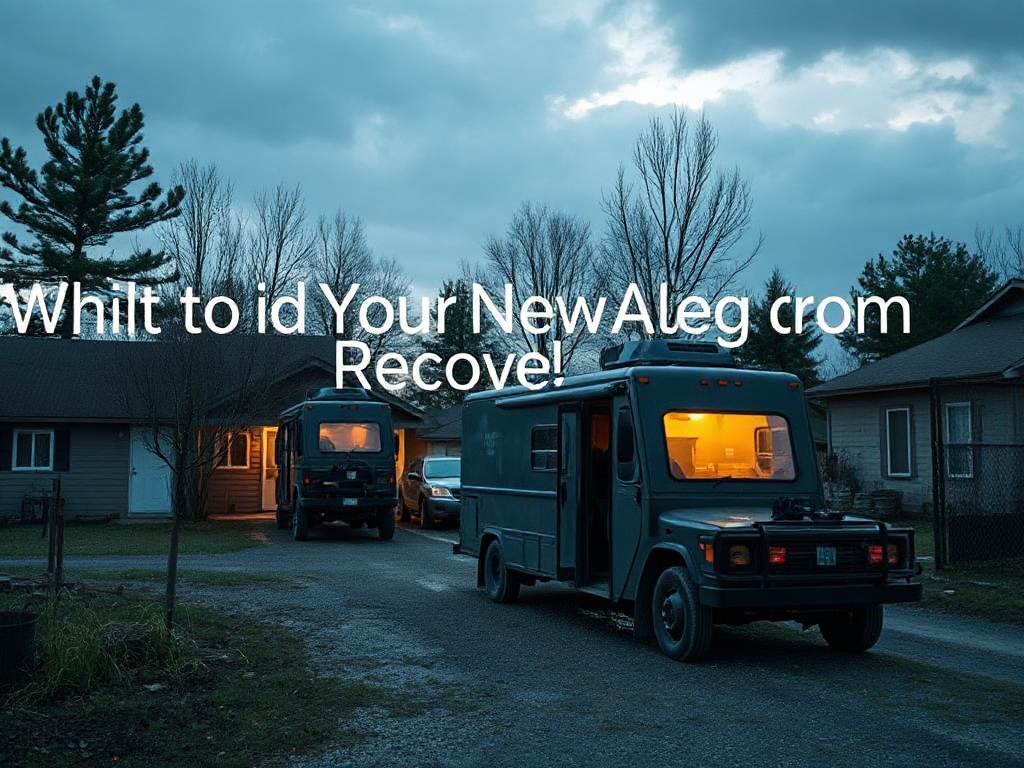
If your bug-out location is compromised, the first step is to assess the nature of the threat to determine your next move. Look for signs of forced entry or any potential dangers in the vicinity. Once you have a clear understanding of the situation, identify alternative safe locations where you can regroup, considering factors like accessibility and available resources. It’s essential to have a communication plan with your group to coordinate your next steps effectively. Remember to stay calm and act swiftly, as hesitation can lead to greater risks.
Evaluating the Compromise
When you discover that your bug-out location is compromised, the first step is to evaluate the situation thoroughly. Understanding how and why the location is no longer safe is critical. Are there visible signs of forced entry or vandalism? Are there people or animals present that pose a threat? Assessing these factors will help you determine if the situation is dire enough to warrant immediate action or if there is still time to secure your resources.
One common mistake is to assume that a temporary threat, such as a nearby fire or flood, will resolve itself. However, such situations can escalate quickly, making it vital to stay vigilant and ready to act. Always have a plan for assessing environmental threats, including how to recognize signs of danger while remaining safe yourself.
Identifying Alternative Locations
Once you assess the compromise, the next step is identifying alternative locations where you and your group can safely regroup. This could be another designated bug-out site or a temporary shelter. When considering alternatives, think about accessibility, security, and the resources available in the area.
For example, if your primary location is in a rural area, a secondary option in an urban setting may provide access to resources like food and medical supplies. However, urban environments also come with their own risks, such as higher population density and potential for civil unrest. Weigh the pros and cons of each alternative location to determine which is the safest option under the current circumstances.
Communication and Coordination
Effective communication is vital when your bug-out location is compromised. Ensure that all members of your group are informed about the situation and the next steps. Use secure methods of communication, such as two-way radios or encrypted messaging apps, to relay information without revealing your position to potential threats.
Coordinate with your group to establish clear roles and responsibilities. This can prevent confusion and ensure that everyone knows what to do, whether it’s gathering supplies, scouting new locations, or preparing for a quick departure. Regular check-ins can also help maintain morale and ensure everyone is accounted for during a crisis.
Gathering Essential Supplies
In the event of a compromised bug-out location, gathering essential supplies quickly is crucial. Make a checklist of necessary items such as food, water, first aid kits, and any important documents. The goal is to be prepared to leave the compromised area swiftly while ensuring you have what you need to survive.
Common mistakes include overpacking or forgetting vital items. To avoid this, prioritize multipurpose tools and lightweight, high-calorie foods that can sustain you during your transition. Consider the duration you may need to stay away from your primary location and gather supplies accordingly. Being organized and having a pre-packed emergency kit can significantly reduce the time it takes to evacuate.
Frequently Asked Questions
What should I do first if my bug-out location is compromised?
Immediately assess the situation for threats, evaluate the extent of the compromise, and decide whether you need to evacuate to a safer location.
How can I identify a new safe location quickly?
Consider factors like accessibility, available resources, and potential threats. Use maps and local knowledge to find the safest options.
What supplies should I prioritize when leaving a compromised area?
Focus on essential items such as food, water, first aid supplies, and important documents. Multipurpose tools can also be beneficial.
How can I communicate safely with my group during a crisis?
Use secure communication methods like two-way radios or encrypted messaging apps to avoid detection by potential threats.
What common mistakes should I avoid in this situation?
Avoid overpacking, neglecting to secure your safety first, and assuming that the threat will resolve itself without action.
Conclusion
When your bug-out location is compromised, the urgency of the situation necessitates quick and decisive action. By evaluating the threat, identifying alternative safe locations, maintaining effective communication, and gathering essential supplies, you can enhance your safety and preparedness. Always remain aware of your surroundings, and be ready to adapt your plans as necessary to respond to changing circumstances.