
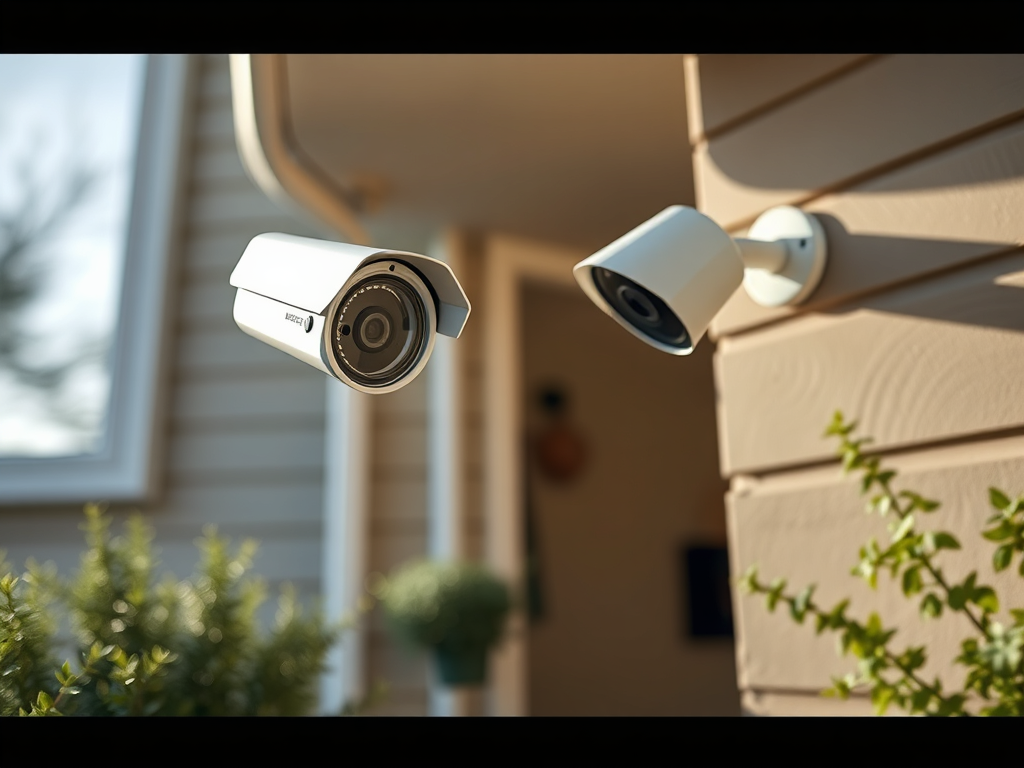
Evaluating the effectiveness of home security systems requires a comprehensive analysis of their crime deterrence capabilities, emergency response times, and overall user satisfaction. Homeowners should examine crime statistics before and after the installation of security systems to gauge their impact. Additionally, understanding the average response time to emergencies can highlight a system's reliability; faster response times can significantly reduce potential losses. It's also beneficial to consider the visibility of security measures, as well-placed cameras and alarm signs can enhance deterrence. Ultimately, selecting a system that aligns with local crime trends and offers robust emergency protocols will lead to more informed security investments.
Assessing Crime Deterrence
One of the primary purposes of home security systems is to deter crime. Evaluating their effectiveness in this regard involves analyzing crime statistics in areas before and after installation. Studies show that homes equipped with visible security systems are less likely to be targeted by burglars. This deterrent effect can often be quantified by examining the reduction in local crime rates.
For instance, a neighborhood that implements a community-wide security system may see a significant decrease in break-ins. Homeowners should also consider the visibility of their security measures; systems that are easily seen, such as cameras and alarm signs, tend to have a stronger deterrence factor. Additionally, understanding the types of crime most prevalent in your area can help tailor security measures to be most effective.
Response Times and Emergency Protocols
Another critical aspect of evaluating home security systems is their response times and the protocols they have in place for emergencies. A rapid response can be the difference between a minor incident and a significant loss. Home security systems typically offer features such as direct connections to local law enforcement or emergency services.
When assessing a system, inquire about the average response time in your area. Many security companies provide this data as part of their marketing materials. Additionally, consider the reliability of these emergency protocols; a system that fails to alert authorities in a timely manner can undermine its effectiveness. Testing the system regularly and understanding how it integrates with local services can provide peace of mind and ensure that it operates as intended when needed most.
User Satisfaction and System Reliability
User satisfaction is an essential metric when evaluating the effectiveness of home security systems. Surveys and reviews can provide insights into how well a system meets user expectations. High satisfaction rates often correlate with a system’s reliability, ease of use, and customer support.
When researching systems, pay attention to user feedback regarding installation processes, everyday functionality, and customer service experiences. A highly rated system may offer features like mobile app access, remote monitoring, and customizable settings, which enhance user experience. Additionally, understanding common issues users face can help identify systems that might not meet your needs, allowing you to make a more informed decision.
Cost-Benefit Analysis
Conducting a cost-benefit analysis is crucial when evaluating home security systems. This involves weighing the financial investment against the potential savings from theft prevention and property protection. Security systems can range significantly in price, from basic alarm systems to comprehensive surveillance packages.
Homeowners should consider factors such as installation costs, monthly monitoring fees, and potential discounts on home insurance premiums for having a security system in place. Additionally, consider the long-term value of peace of mind and safety that a reliable system provides. Balancing upfront costs with the potential for reduced risk and increased safety can help determine the best system for your budget and needs.
For readers seeking more information on evaluating home security systems, consider exploring official resources from local law enforcement agencies or consumer safety organizations. These sources often provide insights into effective security measures and local crime statistics.
Frequently Asked Questions
What are the main benefits of home security systems?
Home security systems primarily provide protection against theft, increased peace of mind, and potential reductions in home insurance premiums.
How do I choose the right home security system?
Consider factors like your budget, the size of your home, specific security needs, and whether you prefer professional monitoring or a DIY system.
Are smart home security systems more effective?
Smart home security systems offer advantages like remote monitoring and automation, which can enhance their effectiveness compared to traditional systems.
How often should I test my home security system?
It's recommended to test your home security system at least once a month to ensure all components are functioning correctly.
Can I integrate my home security system with other smart devices?
Many modern security systems can integrate with smart home devices, allowing for enhanced automation and control over your home environment.
Conclusion
Evaluating the effectiveness of home security systems is essential for making informed decisions about your safety. Focus on key metrics such as crime deterrence, response times, user satisfaction, and cost-effectiveness. By understanding these factors, you can select a system that not only meets your security needs but also provides peace of mind and protection for your home.