
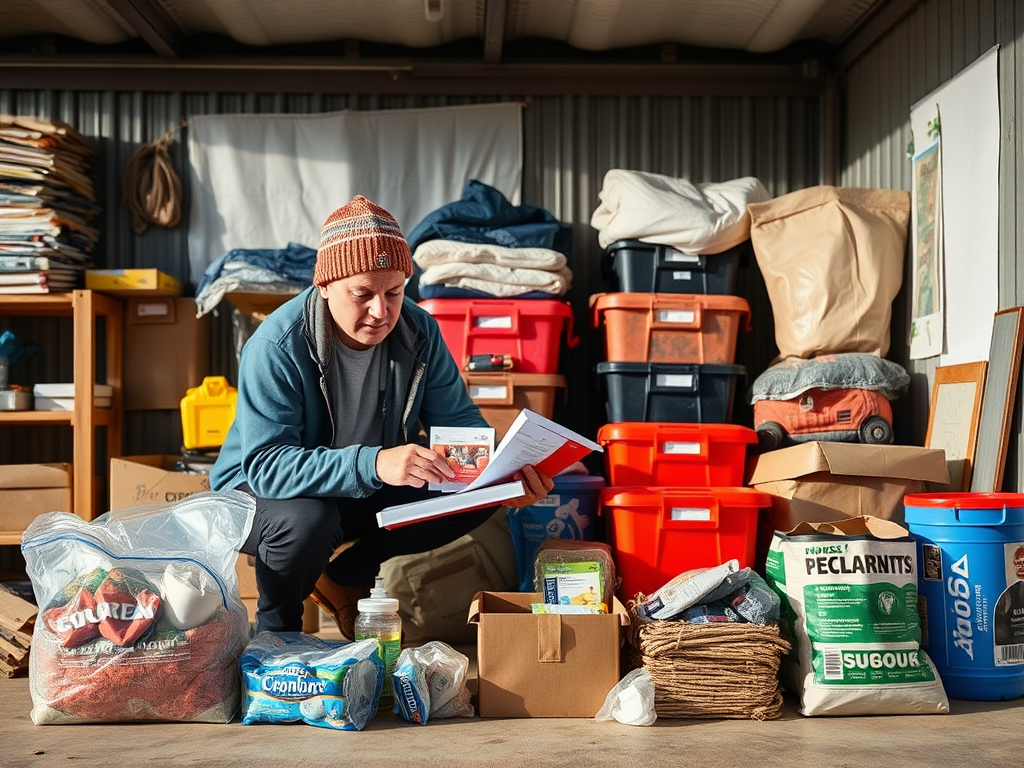
The hidden costs of DIY emergency supplies can quickly add up, often surpassing initial budget estimates. Many people fail to account for ongoing expenses like storage solutions, maintenance, and the replacement of perishable items. For instance, bulk buying may seem cost-effective, but if supplies are not properly managed, they can spoil, leading to wasted resources. Additionally, purchasing trendy items that don’t meet specific needs can result in unnecessary expenditures. To avoid these pitfalls, it’s essential to create a comprehensive budget that includes both initial and ongoing costs, ensuring your emergency preparedness remains effective and sustainable.
Understanding the True Costs of DIY Supplies
When considering DIY emergency supplies, it’s crucial to recognize that initial costs often don’t reflect the total financial commitment. Beyond the purchase price of items like food, water, and tools, hidden costs can include storage solutions, ongoing maintenance, and potential waste. Many assume that a one-time purchase will suffice, but effective preparedness requires continual investment in quality supplies that remain viable over time.
For instance, bulk purchasing may seem economical, yet it can lead to spoilage if items are not consumed or rotated properly. This mismanagement results in wasted resources and increased costs. Furthermore, overlooked expenses like proper storage containers or shelving can add up quickly, making it essential to account for these factors in your budget.
Common Financial Pitfalls in DIY Preparedness
One of the most significant pitfalls in DIY emergency preparedness is the tendency to underestimate the costs associated with maintaining supplies. Many people focus solely on the initial investment, neglecting ongoing expenses such as replacement items, restocking perishables, and ensuring that supplies remain functional. For example, batteries for flashlights and radios must be regularly replaced, adding to the overall expense.
Another common mistake is purchasing supplies based on trends rather than practical needs. Some individuals may buy items that are popular but not necessarily useful for their specific situation. This can lead to spending money on products that will never be utilized, ultimately wasting both time and finances. Evaluating your unique needs before purchasing is essential to avoid these costly errors.
Strategies to Mitigate Hidden Costs
To effectively manage the hidden costs of DIY emergency supplies, consider implementing a few strategic practices. Start by conducting a thorough inventory of what you already have and what you genuinely need. This assessment can help prevent unnecessary purchases and ensure that your spending aligns with your preparedness goals.
Additionally, investing in quality items may seem more expensive upfront, but it can save money in the long run. Durable tools and long-lasting food supplies reduce the need for frequent replacements, minimizing waste and maximizing efficiency. Furthermore, consider using a rotation system for perishable goods to ensure that nothing goes unused or expired.
Evaluating Quality vs. Cost
When selecting emergency supplies, the balance between quality and cost is critical. While it may be tempting to opt for lower-priced items, these often come with hidden costs in terms of durability and reliability. For example, cheaper flashlights may fail during critical moments, necessitating additional purchases and causing frustration during emergencies.
On the other hand, investing in higher-quality supplies can enhance your preparedness efforts. Quality items typically offer better performance and longevity, ultimately saving you money over time. Assessing the long-term value of products versus their initial cost can help guide your purchasing decisions and ensure that you’re making smart investments in your emergency preparedness.
Frequently Asked Questions
What are the hidden costs of DIY emergency supplies?
Hidden costs can include storage, maintenance, and waste from expired or unused items, which can add significantly to your overall budget.
How can I avoid wasting money on emergency supplies?
Conduct a thorough inventory before purchasing, focus on quality over quantity, and regularly rotate perishable items to minimize waste.
Why is quality important in emergency supplies?
Quality supplies are more reliable and durable, reducing the need for frequent replacements and ensuring effectiveness during emergencies.
What should I prioritize when budgeting for emergency supplies?
Prioritize essential items that meet your specific needs, focusing on long-lasting and versatile supplies to maximize your budget.
How often should I review my emergency supply inventory?
Review your inventory at least once a year, or more frequently if you live in an area prone to emergencies, to ensure all items are current and usable.
Conclusion
Understanding the hidden costs associated with DIY emergency supplies is crucial for effective preparedness. By recognizing common financial pitfalls and implementing strategies to mitigate these costs, you can ensure a more efficient and cost-effective approach to your emergency planning. Prioritize quality items, conduct regular inventory assessments, and focus on practical needs to maximize your investments in safety and preparedness.