
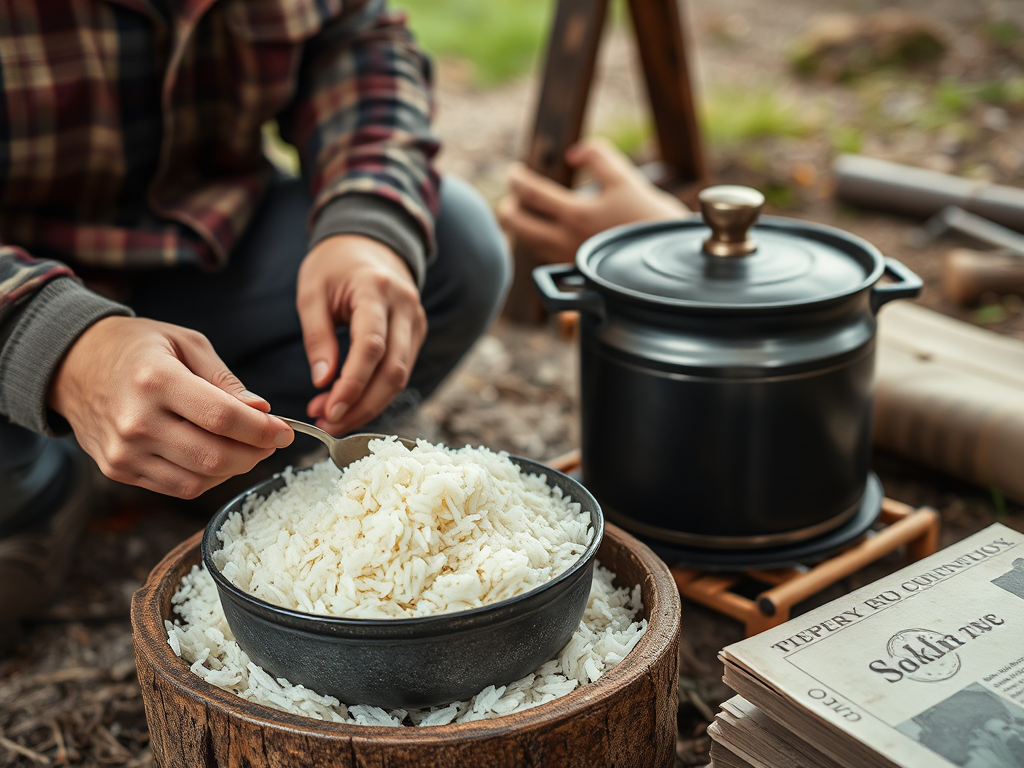
Cooking rice without a power source is possible using methods such as solar cookers, campfires, or portable stoves. For solar cooking, ensure you have a dark pot to absorb heat and position the cooker in direct sunlight, as cooking times will vary based on sunlight intensity. When using a campfire or portable stove, accurately measure the rice and water, and monitor the heat closely to avoid burning. Each rice variety has different cooking times, so adjust accordingly for the best texture. Always be prepared for longer cooking durations when using alternative methods.
Cooking rice without a power source is entirely feasible with various methods that utilize natural heat or alternative cooking devices. Options include solar cookers, campfires, or portable stoves. Each method requires specific techniques to ensure the rice is cooked properly and safely, emphasizing the importance of monitoring heat and moisture levels.
When preparing rice without electricity, it is essential to have the right equipment. Solar cookers can harness sunlight effectively, although they require a sunny day and some time to cook the rice thoroughly. Alternatively, using a campfire or portable stove allows for more immediate cooking but requires careful attention to prevent burning or undercooking. Measuring the rice and water accurately and understanding the cooking times for different rice varieties plays a crucial role in achieving the desired texture.
Using a Solar Cooker
Solar cookers are an excellent way to prepare rice without any power source, as they convert sunlight into heat. These devices can be made from reflective materials that focus sunlight onto a cooking pot. Cooking times will vary based on the intensity of sunlight and the type of rice.
To use a solar cooker effectively, prepare the rice by washing it and measuring the appropriate water ratio. Place the rice and water in a dark pot to absorb heat better, and position the cooker to maximize sun exposure. Keep an eye on the cooking process, as it may take longer than conventional methods.
Cooking Over an Open Flame
Cooking rice over an open flame is a traditional method that can be performed using a campfire or a portable grill. This method requires a pot that can withstand direct heat, preferably made of cast iron or stainless steel.
To start, build a stable fire and allow it to burn down to coals for even heat distribution. Add the washed rice and water to the pot in the correct ratio, usually two parts water to one part rice. Stir occasionally and monitor the cooking process to prevent sticking or burning.
Utilizing a Portable Stove
A portable stove is a practical solution for cooking rice without electricity, especially during camping trips. These stoves can run on propane or butane, providing a reliable heat source.
Before starting, ensure that the stove is set up in a safe, ventilated area. Use the standard rice-to-water ratio and bring the mixture to a boil. Once boiling, reduce the heat and cover the pot to allow the rice to steam until fully cooked. This method closely resembles using a conventional stove and can yield excellent results.
Common Mistakes to Avoid
When cooking rice without power, it’s crucial to avoid common pitfalls. One major mistake is not measuring the rice and water correctly, which can lead to either mushy or undercooked rice. Additionally, neglecting to monitor the cooking process can result in burnt rice.
Another mistake is using inappropriate cookware. Ensure that the pots or pans used are suitable for the heat source you are using. Lastly, be patient; cooking times may differ from conventional methods, so allow enough time for the rice to cook properly.
Popular Questions
What is the purpose of a Table of Contents in a document?
A Table of Contents serves as a roadmap for readers, allowing them to quickly locate specific sections or topics within a document. It enhances navigation, especially in lengthy texts, by providing an organized overview of the content structure. By including page numbers, it enables readers to jump directly to the information they need without scrolling through the entire document.
How do you create an effective Table of Contents?
To create an effective Table of Contents, start by outlining the main sections and subsections of your document. Use clear and concise headings that accurately reflect the content of each section. Additionally, ensure that the Table of Contents is formatted consistently and includes page numbers for easy reference, making it user-friendly for your audience.
What are the common mistakes to avoid when making a Table of Contents?
Common mistakes when creating a Table of Contents include using vague headings that don't accurately describe the content and failing to update it after making changes to the document. It's also important to avoid overcrowding the Table of Contents with too many details, which can overwhelm readers. Lastly, ensure that the formatting is consistent to maintain a professional appearance.
Can a Table of Contents improve the readability of a document?
Yes, a well-structured Table of Contents can significantly improve the readability of a document. It allows readers to quickly find the information they are looking for, which enhances their overall experience. By providing a clear outline, it helps to break down complex information into manageable sections, making the content more accessible.
When should you include a Table of Contents in your writing?
A Table of Contents should be included in any lengthy document, such as reports, research papers, or books, where multiple sections are present. It is particularly useful when the document exceeds ten pages, as it helps readers navigate through the material efficiently. Including a Table of Contents in shorter documents can also be beneficial if the content is complex or requires clear organization.
Conclusion
Cooking rice without a power source is achievable through various methods like solar cookers, campfires, or portable stoves. Each method has its unique requirements and cooking times that must be carefully managed. Understanding the right techniques and avoiding common mistakes can lead to perfectly cooked rice, even in challenging circumstances. Embrace these practical approaches to ensure you can enjoy this staple food regardless of your power situation.