The Magic of Broccoli Dehydration: A Guide to Stretching Your Food Budget
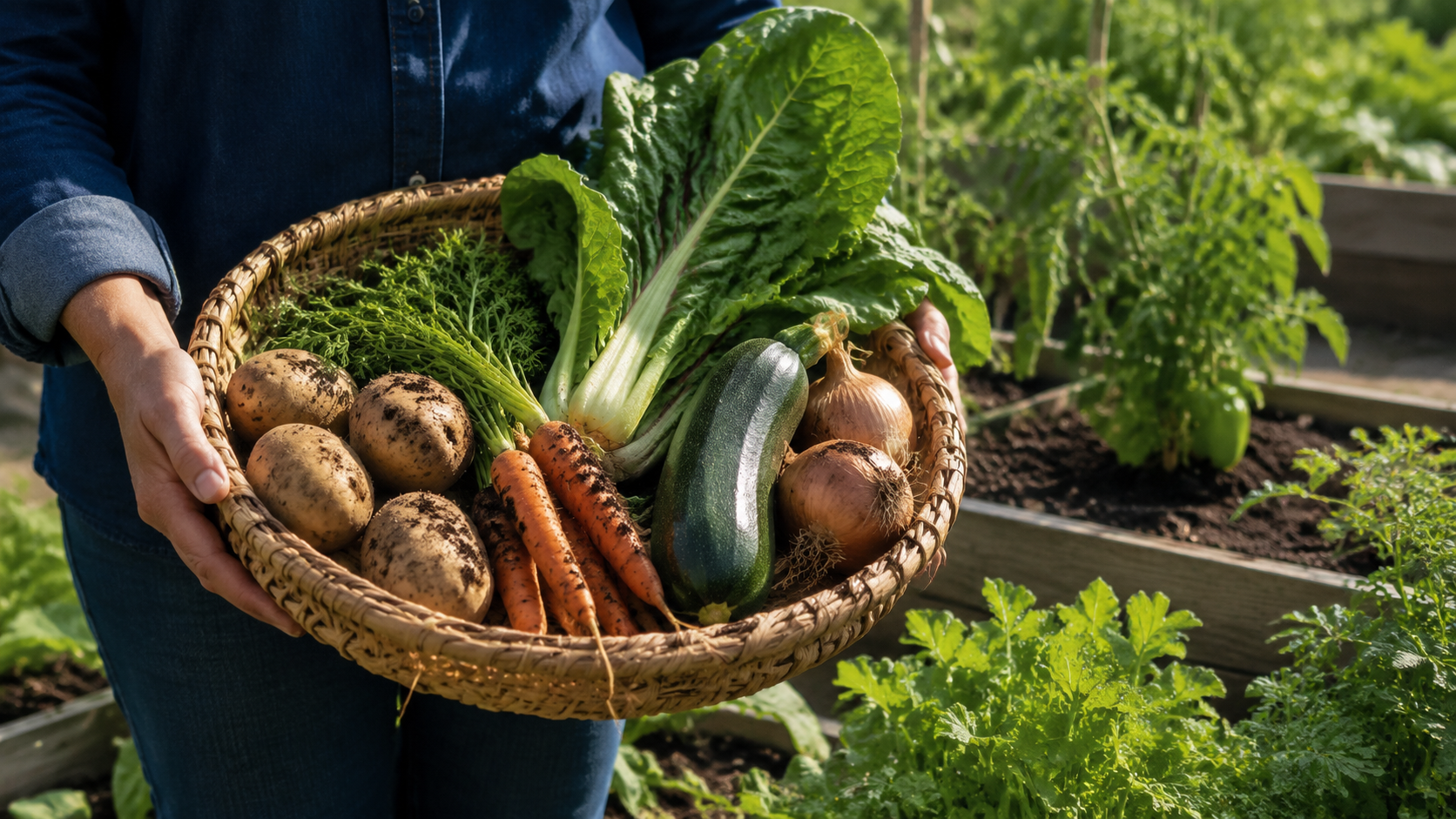
In the world of culinary experimentation, finding a great deal on produce can be a delightful surprise. Recently, I stumbled upon a sale of broccoli, a vegetable often overlooked due to its slightly worn appearance. However, instead of seeing it as past its prime, I saw the potential for something extraordinary. In this article, we will explore the magic of broccoli dehydration and how it can stretch your food dollars while minimizing waste.
Parboiling the Broccoli
To begin the process, I decided to parboil the broccoli. Parboiling involves partially cooking the vegetable in boiling water. It only took a minute of boiling, but be cautious as the broccoli becomes steaming hot afterward. To halt the cooking, I transferred the florets to ice-cold water. As a little flavor enhancement, I added a touch of salt to the boiling water.
Draining and Transforming
Once the broccoli was cooled, it was crucial to drain it well before proceeding. The transformation from a limp bag of veggies to vibrant green delights is truly magical. At this point, half of the batch was used in a fresh, raw recipe.
Why Blanching is Important
You may wonder why I chose to blanch the broccoli. The reason is simple: raw broccoli doesn’t fare well during dehydration. Blanching significantly helps, especially if you plan on using the broccoli in cooked recipes later on. The delicate enzymes in broccoli cannot survive extreme temperatures, so blanching before dehydration is a wise choice.
Mastering the Dehydration Process
Now, let’s talk about the dehydration process itself. I am a stickler for consistency, and to ensure even dryness, it’s essential to spread the broccoli out in a single layer and check on it periodically. Thankfully, I have my trusty Excalibur dehydrator, equipped with a handy quick-reference chart, which makes the entire process a breeze. The ultimate goal is to obtain a moisture-free product suitable for long-term storage.
The Power of Dehydrated Broccoli
The final product, although shrunken in size, packs a powerful punch. These lightweight and easily reconstituted morsels are perfect for a variety of dishes, including casseroles, soups, or even as a quick side dish. While fresh broccoli typically doesn’t last for more than a couple of months, these dehydrated gems can be stored for a longer duration.
The Benefits of Dehydration
In closing, dehydration goes beyond preserving food. It allows for creativity in the kitchen, stretches your food budget, and minimizes waste. By incorporating the magic of broccoli dehydration into your culinary repertoire, you can unlock a world of possibilities.
Summary
In summary, broccoli dehydration is a technique that offers numerous benefits. By parboiling and blanching the broccoli before dehydration, you can ensure the preservation of flavor and enzymes. Mastering the dehydration process guarantees a moisture-free product with an extended shelf life. Dehydrated broccoli is a versatile ingredient that can be used in a variety of dishes. By embracing dehydration, you can be both creative in the kitchen and conscious of your food budget while reducing waste.
**Frequently Asked Questions**
1. **Can I skip the blanching step and dehydrate raw broccoli directly?**
– Blanching broccoli before dehydration is highly recommended. Raw broccoli doesn’t dehydrate well due to its delicate enzymes.
2. **How long can dehydrated broccoli be stored?**
– Dehydrated broccoli can be stored for several months if kept in proper airtight containers or vacuum-sealed bags.
3. **What’s the best way to rehydrate dehydrated broccoli?**
– To rehydrate dehydrated broccoli, simply soak it in hot water for a few minutes or add it directly to soups and stews while cooking.
4. **Can dehydrated broccoli be used in salads?**
– Dehydrated broccoli is not suitable for salads. It is best used in cooked recipes such as casseroles, stir-fries, or soups.
5. **Are there any nutrients lost during the dehydration process?**
– While dehydration can lead to some nutrient loss, dehydrated broccoli still retains a significant amount of its vitamins and minerals compared to other preservation methods.
In an unpredictable world, preparedness is not just a virtue, but a necessity. The ability to respond effectively to any situation, whether a natural disaster or a personal emergency, is largely dependent on the tools at your disposal. As such, having a comprehensive toolkit of essential items is critical to ensuring your safety, security, and survival.
Each tool in your preparedness kit serves a specific purpose, and understanding these can make all the difference when the unexpected happens. From first aid supplies to survival gear, these tools are designed to help you navigate through challenging circumstances with confidence and ease.
Stay with us as we delve deeper into the world of preparedness, exploring the various tools that are indispensable for any emergency situation. Let’s equip you with the knowledge and resources you need to face any challenge head-on, because when it comes to preparedness, every tool counts.
What Are Essential Preparedness Tools?
When it comes to preparedness, having the right tools can make all the difference. One of the key tools for any preparedness kit is a multi-tool. This versatile tool includes functions like a knife, screwdriver, can opener, and more, making it incredibly useful in various situations.
Another essential tool is a flashlight. Whether you’re dealing with a power outage or navigating in the dark, a reliable flashlight is vital. Opt for a hand-crank version to eliminate the need for batteries.
Water purification tools, such as life straws or purification tablets, are also crucial. These tools ensure you have access to clean drinking water, a fundamental survival necessity.
In your preparedness kit, don’t forget about a first aid kit. This kit should include bandages, antiseptic wipes, tweezers, medical tape, and pain relievers.
A portable charger for your phone or other devices can be a lifesaver, especially in situations where power is unavailable.
In closing, a weather radio can keep you informed about any impending weather threats or emergency broadcasts.
Remember, the goal of these tools is to help you stay safe and comfortable during unexpected events. While this list covers the basics, it’s important to customize your preparedness kit to suit your specific needs.
How to Store Emergency Water?
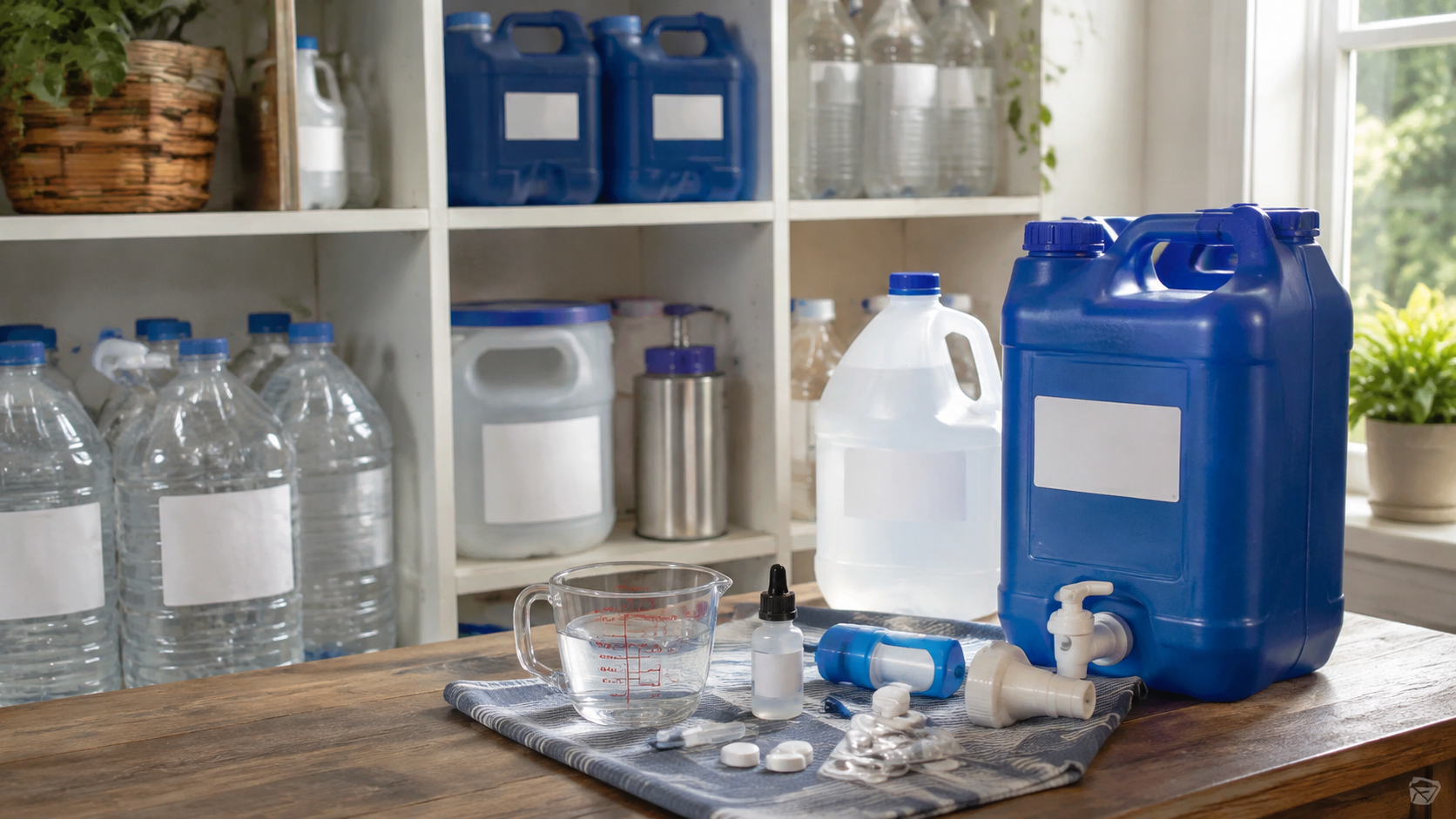
Storing emergency water is a crucial part of preparedness planning. The first step is to identify suitable containers for storage. Food-grade water storage containers are an ideal choice as they are designed to prevent bacterial growth. Stainless steel containers are also a good option, but avoid those with any form of plastic lining.
When storing water, it’s important to keep it in a cool, dark place to prevent algae and bacteria growth. The water should be replaced every six months to ensure it stays fresh.
Here are a few steps to store water effectively:
1. Clean the container thoroughly before filling it with water.
2. Fill the container to the top to limit the amount of air in it.
3. Securely seal the container to prevent contamination.
4. Store the container in a cool, dark place.
Remember, in an emergency situation, having access to clean, safe water is paramount. Therefore, always have a backup plan in place. This could be water purification tablets or a life straw, both essential tools for preparedness.
While water storage is a key aspect of emergency planning, it’s also important to consider other elements such as food storage, first aid supplies, and emergency communication tools. Together, these components form a comprehensive preparedness strategy.
Best Survival Food Kits?
When it comes to being prepared for any emergency, having a survival food kit is paramount. These kits are a key part of any preparedness plan, providing essential nutrition during times of crisis.
The Mountain House Essential Bucket is a popular choice. It offers a 30-year taste guarantee and contains 32 servings of meals like rice & chicken and beef stew. Another option is the Wise Company Emergency Food Supply. This kit boasts 60 servings of meals and a shelf life of up to 25 years.
• Augason Farms 30-Day Emergency Food Storage Supply is another top contender. It provides 307 servings of food, a 30-day meal planner, and an impressive shelf life of up to 25 years.
The quality and diversity of meals, the shelf life, and the ease of preparation are all important factors to consider when choosing a survival food kit. Remember, the goal is to have a reliable source of nutrition during an emergency.
To complement your food kit, consider other essential tools for preparedness such as water purification tablets, a multi-tool, and a first aid kit. These items will further enhance your ability to manage during a crisis.
Remember, being well-prepared can make all the difference when facing an emergency situation. A comprehensive survival food kit is a vital part of that preparedness.
Are First Aid Kits Necessary?
Absolutely, First Aid Kits are an integral part of any preparedness plan. In the face of an emergency, they can provide immediate, life-saving assistance. From minor cuts and burns to more serious injuries, a well-stocked first aid kit is a crucial tool for preparedness.
First Aid Kits contain essential items like bandages, antiseptics, tweezers, and medical tape. These tools can help manage a variety of injuries, reducing the risk of infection and promoting healing. The medicinal components of a first aid kit, such as pain relievers and antihistamines, can also provide temporary relief in emergency situations.
Moreover, a first aid kit is not just for physical injuries. It can also provide psychological comfort. Knowing that you have the necessary tools at your disposal can boost confidence and reduce panic during emergencies.
In essence, the importance of a first aid kit cannot be overstated. It is a fundamental part of any emergency preparedness strategy, providing immediate assistance when medical help may not be readily available.
Remember, emergencies can happen anytime, anywhere. Therefore, having a first aid kit on hand, whether at home, in the car, or at the workplace, is a proactive step towards ensuring safety and readiness.
• Why are first aid kits essential?
First aid kits are essential as they provide immediate and effective first aid treatment for injuries and illnesses, potentially saving lives. They contain necessary tools and supplies that can help manage a variety of health emergencies until professional medical help arrives.
Ultimately, a first aid kit is a non-negotiable component of any preparedness plan. It’s not just an essential tool, but a potential lifesaver.
What is a Bug Out Bag?
A Bug Out Bag (BOB) is a pre-packed survival kit designed to sustain an individual for 72 hours during an emergency evacuation. The main idea behind a BOB is to have all the necessary tools and supplies in one place, making it easy to grab and leave when disaster strikes.
A typical BOB contains essential items such as food, water, first aid supplies, and survival gear. It’s crucial to pack non-perishable food items and water purification tablets or a life straw. First aid supplies should include bandages, antiseptic wipes, tweezers, medical tape, and pain relievers. Survival gear often consists of a multi-tool, fire starter, emergency blanket, flashlight, and a whistle to signal for help.
While packing a BOB, it’s important to consider personal needs and circumstances. For example, if you live in a colder climate, you might want to pack extra warm clothing. If you have a chronic condition, don’t forget your medication.
Remember, the goal of a BOB is not long-term survival but to keep you alive and safe until you can reach a safer location or help arrives. Therefore, it’s essential to regularly check and update the contents of your BOB to ensure they are still functional and relevant.
Lastly, a BOB should be easy to carry. A backpack is often the preferred choice, but you can also use a duffle bag or a rolling suitcase, depending on your physical condition and personal preference.
Importance of a Flashlight in Emergencies?
A flashlight is a fundamental part of any emergency preparedness kit. In times of crisis, having a reliable light source can make a significant difference. An emergency may cause power outages, making it challenging to navigate your surroundings safely. A flashlight provides a critical lifeline in such scenarios, illuminating dark paths and helping you avoid potential hazards.
Moreover, flashlights serve as an excellent signaling device. In situations where you are stranded or lost, the bright beam of a flashlight can attract attention from a considerable distance. It can guide rescuers to your location, making it an essential tool for survival.
Another vital aspect of a flashlight is its potential use as a self-defense tool. A sturdy, high-lumen flashlight can temporarily blind an attacker or a wild animal, providing you with precious time to escape.
In terms of variety, there are numerous types of flashlights available in the market. Some are solar-powered, while others are hand-cranked, eliminating the need for batteries. LED flashlights are highly recommended due to their long lifespan and energy efficiency.
Remember, a flashlight is more than just a light source; it is a versatile tool that enhances safety and boosts survival chances during emergencies. Therefore, it is an indispensable item in any preparedness plan.
Why Need a Multi-Tool for Preparedness?
A multi-tool is a crucial component in any preparedness kit. These compact devices house a variety of essential tools, from pliers and knives to screwdrivers and can openers, providing a versatile solution for various challenges that one may encounter in emergency situations.
In scenarios such as natural disasters, power outages, or even unexpected car breakdowns, having a multi-tool at your disposal can make a significant difference. It can help you perform necessary repairs, open canned food, cut ropes, and even provide first aid.
Survival situations often require quick thinking and adaptability. With a multi-tool, you have the flexibility to tackle multiple problems with a single device. This not only saves space in your preparedness kit but also reduces the weight of your gear, making it easier to transport in case of evacuation.
Consider this: you’re stranded in a wilderness setting. Your survival depends on your ability to perform tasks like building a shelter, starting a fire, or even catching food. A multi-tool can assist in all these tasks, proving its worth as an invaluable part of your emergency preparedness gear.
In essence, a multi-tool is like having a miniature toolbox at your disposal, ready to assist in a variety of situations. It is an essential tool for preparedness that everyone should consider adding to their survival kit.
How Useful are Fire Starters in Survival Situations?
Fire starters are a critical component in any survival kit. They provide a reliable method for creating heat and light, both of which are essential in a survival situation. Fire starters are compact, lightweight, and easy to use, making them a practical tool for any preparedness kit.
They offer the ability to quickly start a fire for cooking, purifying water, and providing warmth. In survival situations, these tasks can be life-saving. Fire starters are far more reliable than traditional matches or lighters, which can become wet or run out of fuel.
Fire starters also have a psychological benefit. The ability to create fire can boost morale and provide a sense of security in stressful situations. It’s a tool that offers both practical and psychological benefits, making it an essential part of any survival kit.
In addition to these benefits, fire starters are also versatile. They can be used in various environments and weather conditions, further enhancing their value as a survival tool. Here are a few types of fire starters:
Friction-based fire starters
Spark-based fire starters
Fuel-based fire starters
Each type has its own benefits and drawbacks, but all serve the same purpose: providing a reliable source of fire in survival situations. This makes them an invaluable tool in any preparedness strategy.
Conclusion: The Importance of Essential Tools for Preparedness
In summary, the essential tools for preparedness are crucial for survival in emergency situations. We’ve covered a wide array of topics including the importance of having a well-stocked first aid kit, the usefulness of a bug out bag, and the necessity of a reliable flashlight during emergencies.
We’ve also delved into the significance of storing emergency water and investing in the best survival food kits. The versatility of a multi-tool for preparedness cannot be overstated, just as the practicality of fire starters in survival situations is undeniable.
The key takeaway is that preparedness is not merely about having these tools, but understanding their use and importance. It’s about being ready for whatever life throws at you, and these tools provide a safety net when things go awry.
As we look to the future, the importance of these tools will only increase. With the unpredictable nature of life, it’s essential to stay informed about the latest developments and trends in emergency preparedness. Remember, preparedness is not a one-time action, but a continuous process. Always be ready, stay safe, and keep updating your preparedness toolkit.
Are you ready for the unexpected? When unforeseen circumstances strike, whether it’s a natural disaster or a global pandemic, having a well-stocked pantry can make all the difference.
This guide to essential foods for preparedness will arm you with the knowledge you need to ensure your food supply remains robust and nutritious, no matter what comes your way. We will delve into the world of survival foods, providing you with a comprehensive list of items that are not only long-lasting but also versatile and healthy.
From canned goods to grains, proteins, and even sweets, we’ll uncover the must-have items that should be on every preparedness-minded individual’s shopping list. So buckle up and prepare to transform your pantry into a survivalist’s dream. Let’s embark on this journey towards self-reliance and peace of mind together.
What Are Essential Foods for Preparedness?
When considering essential foods for preparedness, it’s critical to prioritize items that have a long shelf life, require minimal preparation, and provide balanced nutrition. Whole grains such as rice, oats, and quinoa are excellent choices due to their long shelf life and high nutritional value.
Canned goods are another fundamental component of any preparedness pantry. These include fruits, vegetables, beans, and meats, which can last for years without refrigeration. They’re ready to eat and rich in essential nutrients.
Dried beans and legumes are also crucial for their long shelf life and high protein content. They’re lightweight, compact, and can be used in a variety of dishes.
Preserved meats like jerky and canned tuna provide protein and don’t require refrigeration.
Powdered milk is a versatile source of calcium and protein, and it can be used in cooking or rehydrated for direct consumption.
Nuts and seeds are packed with healthy fats, proteins, and fiber, making them an excellent snack choice.
Honey is a natural sweetener that never spoils and can be used in cooking or as a quick energy source.
Spices and seasonings are also vital to store as they can turn bland meals into flavorful dishes.
Remember, always rotate these foods to keep your stock fresh and check expiration dates regularly. A well-stocked pantry can provide peace of mind and ensure you’re ready for any situation.
How to Store Canned Foods?
Storing canned foods properly is a key aspect of preparedness. The first step is to ensure the cans are not damaged or dented, as this could compromise the food’s safety. Always store cans in a cool, dry place, away from direct sunlight. The ideal temperature is between 50 and 70 degrees Fahrenheit. Avoid storing canned goods near cleaning supplies or chemicals to prevent contamination.
To maintain the quality of the canned foods, rotate your stock regularly. This means using older cans first and placing newer cans at the back of your storage area. It’s also important to keep an inventory of your canned goods, noting the date of purchase and the ‘best by’ date. This way, you can efficiently manage your stock and avoid wasting food.
When it comes to canned goods, variety is key. Include a range of essential foods such as fruits, vegetables, meats, and beans in your storage. This ensures you have a balanced diet during emergencies.
Remember, canned foods are a reliable and convenient option for long-term storage. They offer a variety of essential nutrients, are easy to store, and have a long shelf life, making them an excellent choice for emergency preparedness.
Best Long Shelf-Life Foods?
When it comes to preparedness, having a stockpile of long shelf-life foods is vital. Canned goods are a popular choice, with options like canned vegetables, fruits, and meats offering both nutrition and long shelf life. These are packed at their peak freshness, ensuring you get the most nutrients even when stored for long periods.
Dry goods such as rice, pasta, and beans are also essential. These staples can last for years when stored properly, making them a must-have in any preparedness plan. Similarly, powdered milk and instant coffee can last for a long time, providing a source of dairy and a comforting beverage when fresh options are unavailable.
Don’t forget about non-perishable protein sources. Canned tuna, chicken, and even SPAM can be stored for several years. These provide essential protein needed for strength and energy during emergencies.
Lastly, consider ready-to-eat meals like MREs (Meals Ready-to-Eat). These military-grade meals are designed to be eaten without cooking, making them a convenient option in times of crisis.
Remember, proper storage is key to prolonging the shelf-life of these foods. Keep them in a cool, dry place, away from direct sunlight. With these foods in your pantry, you’ll be well-prepared for any situation.
Importance of Water in Food Storage?
Water is a crucial element when it comes to food storage for preparedness. It serves multiple purposes, from hydration to cooking and maintaining the freshness of stored foods. Emergency food storage isn’t just about having a stockpile of canned goods, it’s also about ensuring you have a sufficient water supply.
Water is required for rehydrating freeze-dried and dehydrated foods, a popular choice in long-term food storage. Without an adequate water supply, these foods are essentially useless. Furthermore, water plays a vital role in preserving the nutritional value of stored foods, preventing them from drying out and losing their essential nutrients.
In case of emergency situations where access to clean, drinkable water is compromised, having a stored water supply becomes even more critical. It’s recommended to store at least one gallon of water per person per day for both consumption and food preparation.
When planning your food storage, it’s important to keep in mind the space water storage will require. Water barrels, water purification tablets, and water filters are all useful tools to consider.
Remember, food storage preparedness is not just about the foods you store, but also the water you have on hand to support your nutritional needs.
How to Store Dry Foods?
Storing dry foods properly is an essential part of food preparedness. The first step is to ensure that your dry foods are placed in air-tight containers. These containers protect the food from exposure to the elements, pests, and moisture.
Next, consider the location for storage. A cool, dry, and dark place is ideal for preserving the quality of dry foods. This could be a pantry, a dedicated storage room, or even a basement.
Temperature control is another vital aspect of dry food storage. Maintaining a consistent temperature of around 50-70 degrees Fahrenheit can significantly extend the shelf life of your foods.
It’s also important to rotate your stock. Use the oldest items first and replace them with new purchases. This practice, known as First-In, First-Out (FIFO), ensures you’re always consuming the freshest products.
When it comes to storing specific types of dry foods, here are some tips:
Grains and Beans: These should be stored in sealed containers and kept away from heat and light.
Dried Fruits and Vegetables: These need to be stored in airtight containers to prevent moisture absorption.
Spices and Herbs: These should also be stored in airtight containers, but in a cool, dark place to preserve their flavor and potency.
Remember, proper storage of dry foods is a key aspect of preparedness and can ensure you have a reliable food supply during emergencies.
Ideal Conditions for Food Storage?
Storing food properly is an essential part of preparedness. The ideal conditions for food storage vary depending on the type of food, but there are general guidelines that can be followed.
Dry foods, such as rice, pasta, and beans, should be stored in a cool, dry place. These foods are susceptible to moisture and heat, which can lead to spoilage.
Canned goods are a staple in any preparedness plan. They have a long shelf life and can be stored at room temperature. However, they should be kept away from extreme temperatures and direct sunlight.
Frozen foods should be kept at a constant temperature of 0 degrees Fahrenheit or below. It’s important to avoid the “”freeze-thaw”” cycle, which can lead to food spoilage.
Perishable foods, such as fruits and vegetables, should be stored in a refrigerator at a temperature between 34 and 40 degrees Fahrenheit. These foods have a shorter shelf life and should be consumed first.
Water is an often overlooked but essential part of food storage. It should be stored in a cool, dark place and replaced every six months.
Remember, the key to successful food storage is rotation. Consume the oldest items first, and replace them with new ones. This ensures that your food supply remains fresh and safe to eat.
Proper food storage not only ensures that you have a supply of food in case of an emergency, but it also helps to reduce food waste and save money. So, take the time to store your food properly, and you’ll be prepared for whatever comes your way.
How to Rotate Stored Foods?
Proper food rotation is crucial when it comes to emergency food storage. The principle of “”First In, First Out”” or FIFO is often applied. This means consuming the oldest stored foods first.
To implement this, start by marking your food containers with the date of purchase. This can be done using permanent markers or adhesive labels. This way, you can easily identify the oldest items in your storage.
When you buy new supplies, don’t just place them on top of the old ones. Instead, move the older items to the front and place the new ones at the back. This ensures that older foods are used first, preventing them from going bad.
It’s also vital to regularly check your food storage. This allows you to spot any signs of spoilage or infestation early on. If you find any expired or damaged items, remove them immediately to prevent contamination.
Another important aspect of food rotation is diversification. Don’t just store one type of food. Having a variety of items not only provides a balanced diet but also prevents food fatigue.
Remember, the goal of food storage is not just to have food on hand, but to have edible, nutritious food that can sustain you and your family during emergencies. Proper food rotation plays a key role in achieving this.
Can Frozen Foods Be Stored Long Term?
Indeed, certain frozen foods can be stored long term, making them excellent choices for preparedness. However, it’s crucial to consider the type of food and the conditions of storage.
Vegetables and fruits, when properly blanched and frozen, can last up to 12 months. They retain their nutritional value and can be a valuable source of vitamins during times of scarcity. Meats and poultry can also be stored long term, but their quality may start to degrade after 4-6 months.
Frozen meals are another category to consider. While they may not be the healthiest option, they can provide essential calories and are easy to prepare. Most can last up to 8-12 months in the freezer.
On the other hand, dairy products, such as milk and cheese, do not fare well when frozen for extended periods. They can develop a change in texture and flavor.
Storage conditions play a significant role in long-term preservation of frozen foods. A constant temperature of 0°F (-18°C) is recommended to maintain the quality of the food.
In terms of preparedness, it’s also important to consider the risk of power outages. If the freezer’s temperature rises, the food’s shelf life will be significantly reduced. Therefore, having a backup power source or alternative storage method can be beneficial.
Remember, while frozen foods can be stored long term, it’s essential to rotate your stock regularly to ensure you’re consuming the freshest produce. This practice also allows you to assess your inventory and replenish as needed.
So, can frozen foods be stored long term? Yes, but with careful consideration of the type of food and storage conditions.
Conclusion: The Essentials of Food Preparedness
In this post, we’ve explored the crucial aspects of food preparedness, focusing on the essential foods to store for readiness in uncertain times. We’ve delved into what constitutes essential foods for preparedness, understanding that these are foods with a long shelf-life and high nutritional value.
We’ve also discussed the importance of proper storage, from canned and dry foods to long-term frozen food storage. We’ve learned that ideal conditions for food storage are cool, dry, and dark places, and the importance of rotating stored foods to maintain their freshness and nutritional value.
Water, being a vital part of food storage, was also emphasized, as its role extends beyond just hydration to food preparation and sanitation.
As we look towards the future, the importance of food preparedness remains paramount. Trends suggest a growing interest in sustainable and space-efficient food storage solutions.
To wrap up, food preparedness is not just about having food stored away, but having the right foods, stored correctly. The knowledge gained from this post empowers you to make informed decisions regarding your food storage practices. Remember, preparedness is the key to survival in any situation.
When disaster strikes, it is often too late to think about how to respond effectively. That is why preparing for disasters is crucial. By taking the necessary steps beforehand, you can minimize the impact of a disaster and ensure the safety and security of yourself, your loved ones, and your community.
In this introductory article, we will explore the importance of preparing for disasters and delve into various related topics that will equip you with the knowledge and skills needed to face any emergency situation. From natural disasters like hurricanes, earthquakes, and floods, to man-made crises such as fires, terrorist attacks, and pandemics, being prepared is the key to survival.
By adopting a proactive approach to disaster preparedness, you can significantly reduce the risks associated with these events. This involves creating an emergency plan, assembling a disaster supply kit, and staying informed about potential hazards in your area. Additionally, understanding evacuation routes, communication strategies, and first aid techniques can make all the difference when faced with a crisis.
In the following sections, we will delve deeper into each of these topics, providing you with practical advice and expert tips on how to prepare for different types of disasters. We will also explore the importance of community resilience and the role that individuals can play in supporting one another during times of crisis.
Remember, disaster preparedness is an ongoing process. It requires regular review and updates to ensure that you are equipped with the most current information and resources. So, join us as we embark on this journey of preparedness, where we will empower you to face any disaster head-on and emerge stronger and more resilient.
Stay tuned for our next installment, where we will delve into the first topic: creating an emergency plan. Together, we can build a safer and more secure future.
Why is it important to prepare for disasters?
Disasters can strike at any time, without warning. Whether it’s a natural disaster like a hurricane or earthquake, or a man-made disaster such as a terrorist attack or pandemic, being prepared is crucial. In fact, preparing for disasters can mean the difference between life and death.
One of the main reasons why it is important to prepare for disasters is to ensure the safety and well-being of yourself and your loved ones. By having a plan in place and being prepared, you can minimize the risks and potential harm that disasters can cause. This includes having emergency supplies, such as food, water, and medication, readily available, as well as knowing what to do and where to go in case of an emergency.
Another reason to prepare for disasters is to protect your property and belongings. By taking preventive measures, such as securing your home and belongings, you can reduce the risk of damage or loss during a disaster. This can include installing storm shutters, reinforcing doors and windows, and securing important documents and valuables in a safe place.
Furthermore, being prepared for disasters can also help in the recovery process. By having a plan in place, you can quickly assess the situation and take necessary actions to start the recovery process. This can include contacting emergency services, insurance companies, and other relevant authorities to get the help and support needed.
All in all, preparing for disasters is of utmost importance. It ensures the safety and well-being of yourself and your loved ones, protects your property and belongings, and helps in the recovery process. By being proactive and taking the necessary steps to prepare, you can minimize the impact of disasters and increase your chances of survival. Don’t wait until it’s too late – start preparing today.
What are some common natural disasters?
Natural disasters can strike at any time, leaving devastation in their wake. Being prepared is crucial, as it can save lives and minimize damage. In this article, we will explore some of the most common natural disasters and the importance of preparing for them.
One of the most well-known natural disasters is earthquakes. These occur when the Earth’s tectonic plates shift, causing the ground to shake violently. Earthquakes can result in collapsed buildings, landslides, and tsunamis, making preparedness essential.
Another common natural disaster is hurricanes. These powerful storms form over warm ocean waters and can cause widespread destruction. High winds, heavy rainfall, and storm surges can lead to flooding, power outages, and significant property damage. Having a plan in place and stocking up on essential supplies is crucial when facing a hurricane.
Floods are also a frequent occurrence in many parts of the world. Heavy rainfall, melting snow, or dam failures can lead to overflowing rivers and flash floods. Being aware of flood-prone areas and having an evacuation plan can help ensure the safety of individuals and their belongings.
Wildfires are another natural disaster that can have devastating consequences. Dry conditions, strong winds, and human activities can lead to the rapid spread of fires. Preparing for wildfires involves creating defensible space around homes, having emergency kits ready, and being aware of evacuation routes.
Tornadoes, volcanic eruptions, and tsunamis are other natural disasters that can wreak havoc on communities. Each requires specific preparedness measures to ensure the safety and well-being of those affected.
To wrap up, being aware of the common natural disasters in your area and taking steps to prepare is crucial. By having a plan, stocking up on supplies, and staying informed, you can increase your chances of surviving and recovering from these catastrophic events. Remember, it’s never too early to start preparing for disasters. Stay safe!
How can I create an emergency preparedness plan?
When it comes to preparing for disasters, having an emergency preparedness plan in place is crucial. Whether you live in an area prone to natural disasters or not, it’s always better to be safe than sorry. So, how can you create an effective emergency preparedness plan? Let’s dive in.
First and foremost, you need to assess the potential risks in your area. Are you prone to hurricanes, earthquakes, or floods? Understanding the specific hazards you may face will help you tailor your plan accordingly. By doing this, you can focus on the necessary steps to mitigate the risks.
Next, gather essential supplies. Stock up on non-perishable food, water, and medication to last you and your family for at least a few days. Don’t forget to include a first aid kit, flashlights, batteries, and a battery-powered radio. These items are crucial in case of power outages or communication disruptions.
Communication is key during emergencies. Make sure you have a designated meeting spot for your family members in case you get separated. Additionally, have a list of emergency contacts, including local authorities, nearby hospitals, and family members who live outside the affected area. This way, you can stay connected and informed.
Creating an evacuation plan is also vital. Identify the safest routes and shelters in your area. Plan multiple evacuation routes in case one becomes inaccessible. Practice these routes with your family members, so everyone knows what to do and where to go in case of an emergency.
Lastly, don’t forget about your pets. Include them in your emergency preparedness plan by having extra food, water, and necessary supplies for them. Research pet-friendly shelters or hotels in case you need to evacuate with your furry friends.
By following these steps, you can create a comprehensive emergency preparedness plan that will help you and your loved ones stay safe during disasters. Remember, preparation is key when it comes to facing unexpected situations. Stay informed, stay prepared, and stay safe.
What should I include in a disaster supply kit?
When it comes to preparing for disasters, having a well-stocked disaster supply kit is essential. Whether you’re facing a natural disaster like a hurricane or an unexpected emergency, having the right supplies can make all the difference. So, what should you include in your disaster supply kit?
First and foremost, water is crucial. Plan on having at least one gallon of water per person per day for at least three days. This will ensure that you have enough water for drinking, cooking, and hygiene purposes. Non-perishable food items are also important to include. Canned goods, granola bars, and dried fruits are great options that have a long shelf life.
In addition to food and water, it’s important to have a supply of essential medications. If you or your family members rely on prescription medications, make sure to have a sufficient amount on hand. Don’t forget about over-the-counter medications like pain relievers, antacids, and allergy medicine.
Other items to include in your disaster supply kit are a flashlight with extra batteries, a first aid kit, a whistle to signal for help, and a manual can opener. It’s also a good idea to have a battery-powered or hand-crank radio to stay updated on the latest news and emergency instructions.
Lastly, don’t forget about personal hygiene items. Include items like toilet paper, hand sanitizer, wet wipes, and feminine hygiene products. It’s also a good idea to have extra clothing and blankets in case of cold weather.
Remember, disasters can happen at any time, so it’s important to be prepared. By having a well-stocked disaster supply kit, you’ll have peace of mind knowing that you have the essentials to weather any storm. Stay safe and be prepared!
How can I protect my home from disasters?
When it comes to protecting your home from disasters, preparation is key. By taking the necessary steps, you can minimize the potential damage and ensure the safety of your loved ones. Here are some important measures you can take to safeguard your home:
1. Create an emergency plan: Develop a detailed plan that outlines what to do in different disaster scenarios. Make sure all family members are aware of the plan and know how to execute it efficiently.
2. Secure important documents: Keep important documents such as insurance policies, identification papers, and medical records in a waterproof and fireproof safe. Consider making digital copies and storing them securely online as well.
3. Install smoke detectors and fire extinguishers: These are essential for early detection and prevention of fires. Place smoke detectors in every room and check them regularly to ensure they are in working condition. Keep fire extinguishers in easily accessible areas, such as the kitchen and garage.
4. Reinforce your home: Strengthen your home’s structure to withstand natural disasters. Install storm shutters, reinforce windows and doors, and secure heavy furniture to prevent them from toppling over during earthquakes or strong winds.
5. Maintain your property: Regularly inspect and maintain your home. Clear gutters and drains to prevent water buildup, trim trees and branches to reduce the risk of falling during storms, and repair any structural damage promptly.
6. Create a disaster supply kit: Stock up on essential supplies such as food, water, first aid kits, flashlights, and batteries. Keep the kit easily accessible and ensure it is regularly updated.
Remember, disasters can strike at any time, so it’s crucial to be prepared. By implementing these measures, you can protect your home and increase your chances of staying safe during emergencies. Stay vigilant and stay prepared!
What are some ways to stay informed during a disaster?
When a disaster strikes, staying informed is crucial for your safety and well-being. In today’s digital age, there are several ways to ensure you have access to the latest information and updates. By utilizing these methods, you can stay informed and make informed decisions during a crisis.
One of the most effective ways to stay informed during a disaster is by monitoring local news sources. Local news outlets often provide up-to-date information on the situation, including evacuation orders, road closures, and emergency contact numbers. By staying tuned to these sources, you can stay informed about the latest developments in your area.
In addition to local news, it is also important to utilize technology to stay informed. Many emergency management agencies have developed mobile apps that provide real-time updates during disasters. These apps often include features such as emergency alerts, evacuation routes, and shelter locations. By downloading and using these apps, you can have vital information at your fingertips, even when you’re on the go.
Social media platforms can also be valuable sources of information during a disaster. Many organizations and government agencies use social media to provide updates and share important information. By following these accounts, you can receive timely updates and stay connected with the community.
Another way to stay informed is by signing up for emergency alerts. Many regions have systems in place that send out alerts via text message or email during emergencies. By registering for these alerts, you can receive important information directly to your phone or inbox.
Ultimately, staying informed during a disaster is crucial for your safety. By utilizing local news sources, technology, social media, and emergency alerts, you can ensure that you have access to the latest information and updates. Remember, being informed is the first step towards being prepared.
How can I help others during a disaster?
When disaster strikes, it is important to come together as a community and support one another. There are several ways you can help others during a disaster, whether it’s a natural calamity or a man-made crisis. By being prepared and taking proactive steps, you can make a significant difference in the lives of those affected.
One of the most crucial ways to help others during a disaster is by volunteering your time and skills. Organizations such as the Red Cross and local disaster relief agencies are always in need of volunteers to assist with various tasks. Whether it’s providing first aid, distributing supplies, or offering emotional support, your contribution can be invaluable.
Another way to help is by donating to reputable disaster relief organizations. Financial contributions can make a significant impact in providing immediate relief to those affected. Look for organizations that have a proven track record in disaster response and ensure that your donation will be used efficiently and effectively.
Additionally, spreading awareness and educating others about disaster preparedness can also be a great help. Encourage your friends, family, and community to create emergency kits, develop evacuation plans, and stay informed about potential hazards. By sharing knowledge and resources, you can empower others to be better prepared for future disasters.
All in all, offering a helping hand to your neighbors and community members can go a long way. Check on your elderly or vulnerable neighbors, offer assistance with cleanup and recovery efforts, and provide support to those who may be struggling emotionally in the aftermath of a disaster. Small acts of kindness can make a big difference in times of crisis.
Ultimately, there are various ways you can help others during a disaster. By volunteering, donating, spreading awareness, and offering support, you can play a vital role in assisting those affected by disasters. Together, we can build resilient communities that are better prepared to face any future challenges.
What should I do after a disaster occurs?
In the aftermath of a disaster, it’s crucial to stay calm and take immediate action to ensure your safety and well-being. While each disaster may require a different approach, there are some general steps you can follow to navigate through this challenging time.
First and foremost, prioritize your safety and the safety of those around you. Check for any injuries and provide first aid if necessary. If you’re in a damaged building, evacuate to a safer location and avoid entering any unstable structures.
Next, assess the damage and contact the relevant authorities. Report any injuries, missing persons, or hazardous situations to the emergency services. They are trained to handle these situations and can provide the necessary assistance.
It’s important to gather essential supplies, such as food, water, and medical supplies. If possible, listen to emergency broadcasts for updates and instructions from local authorities. They will provide information on evacuation routes, emergency shelters, and other resources available to you.
Document the damage by taking photographs or videos, as this can be helpful for insurance claims and disaster relief applications. Keep all receipts for expenses related to the disaster, as you may be eligible for financial assistance.
Reach out to your loved ones to let them know you’re safe. Use text messages or social media platforms, as they may be more reliable than phone calls during this time. Stay connected with your community and offer support to those in need.
Remember to take care of your mental and emotional well-being. Disasters can be traumatic, and it’s important to seek support from friends, family, or professionals if needed.
While the immediate aftermath of a disaster can be overwhelming, staying informed, organized, and connected will help you navigate through this challenging time. By taking these steps, you can begin the process of recovery and rebuilding.
In closing, preparing for disasters is of utmost importance in order to ensure the safety and well-being of ourselves and our loved ones. Throughout this post, we have discussed various topics related to disaster preparedness, including the importance of being prepared, common natural disasters, creating an emergency preparedness plan, building a disaster supply kit, protecting our homes, staying informed during a disaster, helping others, and what to do after a disaster occurs.
We have learned that being prepared for disasters can mean the difference between life and death. By having a plan in place and knowing what to do in various scenarios, we can minimize the impact of a disaster on our lives. We have also explored the different types of natural disasters that can occur, such as hurricanes, earthquakes, floods, and wildfires, and the specific steps we can take to prepare for each of them.
Creating an emergency preparedness plan is crucial, as it allows us to have a clear understanding of what needs to be done in case of an emergency. This includes identifying evacuation routes, establishing communication plans with family members, and knowing the location of emergency shelters. Additionally, building a disaster supply kit is essential, as it ensures that we have the necessary food, water, medications, and other essential items to sustain ourselves during and after a disaster.
Protecting our homes from disasters involves taking preventive measures such as reinforcing structures, securing loose objects, and having proper insurance coverage. Staying informed during a disaster is vital, and we have discussed various ways to do so, including listening to emergency alerts, monitoring weather updates, and utilizing mobile apps and social media platforms.
Helping others during a disaster is a compassionate act that can make a significant difference in someone’s life. By volunteering, donating supplies, or offering support to affected individuals and communities, we can contribute to the recovery process. Ultimately, we have explored the necessary steps to take after a disaster occurs, including assessing the damage, contacting insurance providers, and seeking assistance from local authorities and relief organizations.
Looking ahead, it is important to stay updated on new developments and trends in disaster preparedness. With the increasing frequency and intensity of natural disasters, it is crucial to adapt and improve our preparedness efforts. We must also consider the potential impact of climate change on the frequency and severity of disasters.
Thank you for taking the time to read this post. We hope that the information provided has been helpful in understanding the importance of preparing for disasters. We encourage you to leave any comments or feedback and to share your own experiences and tips on disaster preparedness. Together, we can create safer and more resilient communities.
Emergency preparedness is a topic that has gained significant attention in recent years, and for good reason. With the increasing frequency and severity of natural disasters, as well as the ongoing threat of pandemics and other emergencies, it is more important than ever to be prepared for the unexpected. In this article, we will explore the various aspects of emergency preparedness, providing you with the knowledge and tools to protect yourself and your loved ones.
First and foremost, it is crucial to understand that emergency preparedness is not just about stockpiling supplies and creating a plan. While these are important components, true preparedness goes beyond the physical aspects. It is about having the mindset and skills to effectively respond to and recover from emergencies.
One of the key elements of emergency preparedness is creating a comprehensive emergency plan. This includes identifying potential risks and hazards in your area, establishing communication strategies, and designating meeting points for your family. By having a well-thought-out plan in place, you can minimize confusion and make quick decisions when time is of the essence.
Equally important is the need to assemble an emergency supply kit. This should include essential items such as food, water, medications, and first aid supplies. Additionally, it is important to have important documents, cash, and other necessities readily accessible in case of evacuation.
Furthermore, emergency preparedness extends beyond the individual level. Communities and organizations also play a vital role in ensuring the safety and well-being of their members. By working together, sharing resources, and coordinating response efforts, communities can effectively mitigate the impact of emergencies.
All in all, emergency preparedness is a critical aspect of safeguarding your future. By taking the time to create a comprehensive plan, assemble necessary supplies, and foster community collaboration, you are taking proactive steps to protect yourself and your loved ones. In the following articles, we will delve deeper into each of these topics, providing you with the knowledge and guidance to become truly prepared for any emergency that may arise. Stay tuned for more in-depth discussions on emergency planning, supply kits, and community resilience.
Emergency Preparedness
Emergency preparedness is a crucial aspect of ensuring the safety and well-being of individuals and communities in the face of unexpected events. Whether it’s natural disasters, accidents, or even pandemics, being prepared can make all the difference. In this article, we will explore the importance of emergency preparedness and provide practical tips to help you stay ready for any situation.
One of the key elements of emergency preparedness is having a well-thought-out emergency plan. This plan should include evacuation routes, designated meeting points, and a communication strategy for your family or community. By having a clear plan in place, you can minimize confusion and ensure everyone knows what to do in case of an emergency.
Another crucial aspect of emergency preparedness is having a well-stocked emergency kit. This kit should include essential items such as food, water, medications, and first aid supplies. It’s also important to regularly check and update your emergency kit to ensure that everything is in working order and not expired.
In addition to having a plan and an emergency kit, it’s important to stay informed about potential risks and hazards in your area. This can be done through local news, weather alerts, and community notifications. By staying informed, you can take proactive measures to mitigate risks and keep yourself and your loved ones safe.
Furthermore, it’s important to educate yourself and others about emergency preparedness. This can involve attending training sessions, participating in drills, and spreading awareness about the importance of being prepared. By sharing knowledge and resources, we can create a culture of preparedness that benefits everyone.
Ultimately, emergency preparedness is a critical aspect of ensuring the safety and well-being of individuals and communities. By having a plan, a well-stocked emergency kit, staying informed, and educating others, we can be better equipped to handle unexpected events. Remember, being prepared is not a one-time task but an ongoing commitment to the safety and resilience of ourselves and those around us. Stay prepared, stay safe.
Emergency Kits
Emergency preparedness is crucial for everyone, as unforeseen disasters can strike at any time. One of the essential components of emergency preparedness is having a well-stocked emergency kit. In this article, we will explore the key items that should be included in an emergency kit, ensuring you are ready for any situation.
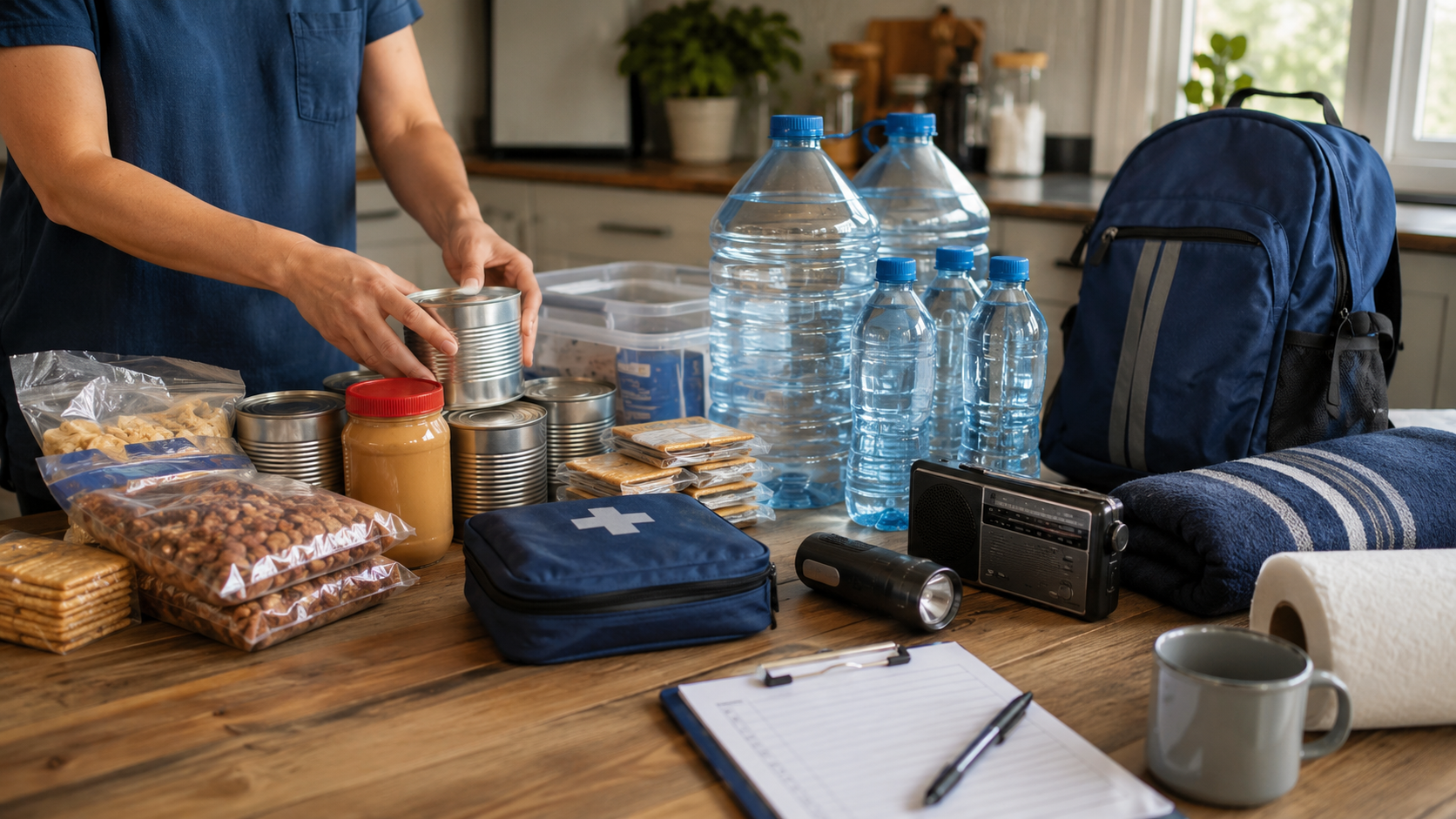
First and foremost, water is the most critical item to have in an emergency kit. It is recommended to have at least one gallon of water per person per day for a minimum of three days. Water is essential for hydration, cooking, and sanitation purposes during an emergency.
Next, non-perishable food items should be included in your emergency kit. Canned goods, energy bars, and dried fruits are excellent choices as they have a long shelf life and provide the necessary nutrients. It is advisable to have enough food to last each person for at least three days.
A battery-powered or hand-crank radio is another essential item for your emergency kit. This allows you to stay informed about the latest news and updates during a crisis when power might be out. Additionally, a flashlight with extra batteries, a whistle, and a multi-purpose tool are crucial for any emergency situation.
Medical supplies are also vital in an emergency kit. A well-stocked first aid kit, including bandages, antiseptic wipes, and over-the-counter medications, can help treat minor injuries and illnesses. It is also recommended to include any necessary prescription medications for family members.
Other items to consider include extra clothing and blankets, a waterproof document pouch, cash, and important documents such as identification cards, insurance policies, and contact information.
To wrap up, having a well-prepared emergency kit is essential for any emergency situation. By including the necessary items mentioned above, you can ensure the safety and well-being of yourself and your loved ones during uncertain times. Remember to regularly check and update your emergency kit to ensure everything is in working order and up to date. Stay prepared and stay safe.
Emergency Communication
Effective communication during emergencies is crucial for ensuring the safety and well-being of individuals and communities. In times of crisis, clear and timely information can save lives and help people make informed decisions. This article explores the importance of emergency communication and provides valuable insights on how to establish effective communication channels during emergencies.
When disaster strikes, communication networks may be disrupted, making it difficult to relay important information. That’s why it’s essential to have alternative communication methods in place. One such method is the use of two-way radios, which can operate even when traditional communication systems fail. These radios enable emergency responders and organizations to coordinate their efforts and provide updates to those affected.
In addition to two-way radios, social media platforms have become crucial tools for emergency communication. During emergencies, people often turn to platforms like Twitter and Facebook for real-time updates and information. Emergency management agencies and organizations should leverage these platforms to disseminate accurate and timely information to the public.
Another important aspect of emergency communication is the establishment of a centralized information hub. This hub can be a website or a dedicated phone line where people can access the latest updates, emergency contact information, and resources. It is crucial to ensure that this hub is easily accessible and user-friendly, allowing people to quickly find the information they need.
Furthermore, it is essential to educate the public about emergency communication protocols. Conducting regular drills and providing guidance on how to use emergency communication devices can help individuals and communities be better prepared. Additionally, translating important information into multiple languages can ensure that everyone can access and understand the messages.
All in all, effective emergency communication is vital for saving lives and minimizing the impact of disasters. By utilizing alternative communication methods, leveraging social media platforms, establishing centralized information hubs, and educating the public, we can enhance our emergency preparedness and response capabilities. Stay informed, stay connected, and be prepared for any emergency that may come your way.
Emergency Plans
Emergency preparedness is a crucial aspect of ensuring the safety and well-being of individuals and communities. In times of crisis, having a well-thought-out emergency plan can make all the difference. Whether it’s a natural disaster, a medical emergency, or a man-made incident, being prepared can save lives.
One of the key components of an effective emergency plan is communication. Establishing clear lines of communication with emergency services, neighbors, and loved ones is essential. This can be done through phone calls, text messages, or even social media platforms. It’s important to have multiple communication methods in place in case one fails.
Another important aspect of emergency planning is having a designated meeting place. This could be a nearby park, a relative’s house, or any other location that is easily accessible and known to all members of the household. In the event of an emergency, it’s important to have a predetermined meeting place where everyone can gather and ensure that everyone is safe.
In addition to communication and meeting places, emergency plans should also include provisions for basic needs such as food, water, and shelter. It’s important to have a supply of non-perishable food items, bottled water, and other essentials that can sustain you and your family for at least a few days. Having a first aid kit and necessary medications on hand is also crucial.
Lastly, it’s important to regularly review and update your emergency plan. As circumstances change, your plan may need to be adjusted accordingly. It’s important to stay informed about potential hazards in your area and be proactive in preparing for them.
In closing, having a well-thought-out emergency plan is essential for ensuring the safety and well-being of yourself and your loved ones. By establishing clear communication, designated meeting places, and provisions for basic needs, you can be better prepared to handle any emergency that may arise. Remember, preparation is key when it comes to emergency situations. Stay safe and be prepared!
Emergency Evacuation
Emergency evacuation is a crucial aspect of emergency preparedness. It involves the safe and efficient movement of individuals from a dangerous or potentially hazardous situation to a place of safety. Whether it’s a natural disaster like a hurricane or a man-made incident such as a fire or terrorist attack, being prepared for an emergency evacuation can mean the difference between life and death.
One of the key elements of emergency evacuation is having a well-developed evacuation plan in place. This plan should outline the procedures to be followed, including designated evacuation routes, assembly points, and communication methods. It is important to regularly review and update this plan to ensure its effectiveness.
When an evacuation order is issued, it is crucial to remain calm and follow the instructions of emergency personnel. Gather essential items such as medications, important documents, and emergency supplies like food and water. It is also important to have a designated meeting place for family members in case you get separated during the evacuation.
During the evacuation, it is important to stay informed about the situation through reliable sources such as emergency radio broadcasts or official social media accounts. Be aware of potential hazards along the evacuation route and follow any additional instructions given by authorities.
All in all, emergency evacuation is a critical aspect of emergency preparedness. By having a well-developed evacuation plan, staying calm, and following instructions, individuals can increase their chances of safely navigating through a crisis. Remember, being prepared is the key to successfully managing an emergency evacuation. Stay safe and stay prepared!
Emergency Shelter
When it comes to emergency preparedness, one of the most crucial aspects to consider is emergency shelter. In times of crisis, having a safe and secure place to stay can mean the difference between life and death. Whether it’s a natural disaster like a hurricane or an unforeseen event like a power outage, having a plan for emergency shelter is essential.
There are several options to consider when it comes to emergency shelter. One of the most common options is a designated shelter facility. These facilities are typically set up in advance and provide temporary housing for individuals and families in need. They often have basic amenities such as beds, bathrooms, and food services. It’s important to familiarize yourself with the location of these facilities in your area and have a plan for how to get there in case of an emergency.
Another option for emergency shelter is staying with friends or family. This can be a more comfortable and familiar option, especially if you have loved ones nearby. However, it’s important to have a plan in place and communicate with your friends and family ahead of time to ensure that they are willing and able to accommodate you in an emergency situation.
If staying with friends or family is not an option, you may need to consider alternative forms of shelter. This could include setting up a tent in your backyard or finding a safe location in your community, such as a community center or church, where you can seek refuge. It’s important to have the necessary supplies, such as tents, sleeping bags, and food, readily available in case you need to rely on these alternative forms of shelter.
To wrap up, emergency shelter is a critical aspect of emergency preparedness. By having a plan in place and familiarizing yourself with the options available to you, you can ensure that you and your loved ones have a safe and secure place to stay in times of crisis. Remember to stay informed, communicate with your loved ones, and be prepared for any situation that may arise.
Emergency Food and Water
When it comes to emergency preparedness, one of the most crucial aspects to consider is ensuring an adequate supply of food and water. In times of crisis or natural disasters, access to clean water and nutritious food becomes even more critical for survival. Therefore, it is essential to have a well-thought-out plan in place to secure these basic necessities.
Water is the foundation of life, and in an emergency situation, it becomes even more vital. It is recommended to store at least one gallon of water per person per day for a minimum of three days. This includes water for drinking, cooking, and personal hygiene. It is also important to periodically check and replace stored water to ensure its freshness and safety.
In addition to water, having an emergency food supply is equally important. Non-perishable food items that require minimal preparation and have a long shelf life should be prioritized. Canned goods, dried fruits, nuts, and granola bars are excellent choices. It is advisable to have enough food to sustain each individual for a minimum of three days.
Furthermore, consider any specific dietary needs or restrictions when planning your emergency food supply. If you have infants or elderly individuals in your household, ensure you have an adequate supply of formula, baby food, or special dietary items. Also, don’t forget to include a manual can opener and disposable utensils in your emergency kit.
Remember, emergencies can happen at any time, so it is crucial to be prepared. By having an ample supply of food and water, you can ensure the well-being and survival of yourself and your loved ones. Stay proactive and regularly assess and update your emergency supplies to maintain their quality and effectiveness.
Ultimately, emergency food and water are essential components of any emergency preparedness plan. By following these guidelines and maintaining a well-stocked supply, you can increase your chances of surviving and thriving during challenging times. Stay vigilant, stay prepared!
Emergency First Aid
Emergencies can happen at any time, and being prepared to provide first aid can make a significant difference in saving lives. Whether it’s a minor injury or a life-threatening situation, knowing how to respond quickly and effectively can be crucial. In this article, we will explore some essential emergency first aid techniques that everyone should know.
One of the most important skills in emergency first aid is CPR, or cardiopulmonary resuscitation. CPR is used to revive someone whose heart has stopped beating. By performing chest compressions and rescue breaths, you can help maintain blood flow and oxygen to the vital organs until medical professionals arrive.
Another vital skill is knowing how to control bleeding. In an emergency situation, severe bleeding can be life-threatening. Applying direct pressure to the wound and elevating the injured area can help slow down the bleeding until medical help is available.
Knowing how to recognize and respond to common medical emergencies is also crucial. For example, learning the signs and symptoms of a heart attack or stroke can help you take immediate action and potentially save a life. Similarly, understanding the basics of treating burns, fractures, and allergic reactions can make a significant difference in providing timely and appropriate care.
In addition to these skills, having a well-stocked first aid kit is essential. Your kit should include items such as bandages, adhesive tape, antiseptic wipes, gloves, and scissors. It’s also a good idea to have a list of emergency phone numbers and any necessary medications readily available.
Emergency first aid is a critical aspect of emergency preparedness. By learning these essential skills and having the necessary supplies on hand, you can be better equipped to handle any emergency situation that may arise. Remember, being prepared can save lives.
(Note: This article lacks any form of conclusion or closing remarks. It also does not have any introduction or summary remarks.)
Ultimately, emergency preparedness is a crucial aspect of ensuring the safety and well-being of ourselves and our loved ones. Throughout this post, we have covered various topics related to emergency preparedness, including emergency kits, emergency communication, emergency plans, emergency evacuation, emergency shelter, emergency food and water, and emergency first aid.
By emphasizing the importance of emergency preparedness, we have highlighted the significance of being proactive rather than reactive in times of crisis. Creating an emergency kit tailored to our specific needs and circumstances is essential, as it provides us with the necessary supplies and resources to sustain ourselves during an emergency situation. Additionally, establishing effective communication channels and developing comprehensive emergency plans can greatly enhance our ability to respond and recover from emergencies.
We have also discussed the importance of emergency evacuation and finding suitable emergency shelter. These measures ensure our safety and protection when faced with natural disasters or other unforeseen events. Equally important is the availability of emergency food and water supplies, as they are vital for our sustenance during times of crisis.
Furthermore, we have stressed the significance of emergency first aid knowledge and skills. Being equipped with the ability to administer basic medical assistance can make a significant difference in saving lives and minimizing the impact of injuries during emergencies.
Looking ahead, we anticipate that advancements in technology will continue to play a significant role in emergency preparedness. The integration of smart devices and real-time communication platforms will enable faster and more efficient emergency response systems. Additionally, the growing awareness and emphasis on climate change and its potential impact on natural disasters highlight the need for continuous adaptation and preparedness.
Thank you for taking the time to read this post on emergency preparedness. We hope that the information provided has been valuable to you. We encourage you to leave any comments or feedback, as your input is essential in improving our content. Remember, being prepared can make all the difference when faced with an emergency situation. Stay safe and be proactive in your emergency preparedness efforts.