Disaster Preparedness: Safeguarding Lives and Communities

Disaster Preparedness: Safeguarding Lives and Communities

When it comes to disaster preparedness, there is no such thing as being too cautious. In an unpredictable world, it is essential to equip ourselves with the knowledge and resources necessary to protect our lives and communities. From natural calamities like hurricanes and earthquakes to man-made emergencies such as fires and pandemics, being prepared can make all the difference between chaos and resilience.

In this introductory piece, we will delve into the multifaceted realm of disaster preparedness, exploring the strategies, tools, and mindset required to navigate through the most challenging of circumstances. By the end, you will have a solid foundation upon which to build your own disaster preparedness plan, ensuring the safety and well-being of yourself and your loved ones.

Throughout this exploration, we will touch upon various topics that encompass disaster preparedness. From creating emergency kits and evacuation plans to understanding the importance of communication and community resilience, we will leave no stone unturned. By adopting a proactive approach, we can mitigate the impact of disasters and enhance our ability to respond effectively when they strike.

This article aims to be a comprehensive resource, providing you with the information you need to take action and prepare for the unexpected. Whether you are a seasoned disaster preparedness enthusiast or just beginning your journey, there will be valuable insights and practical tips for everyone.

So, join us as we embark on this journey into the world of disaster preparedness. Together, we can empower ourselves and our communities to face any challenge that may come our way. Let’s ensure that when disaster strikes, we are not caught off guard but are instead prepared, resilient, and ready to weather the storm.


What Should I Include in a Disaster Preparedness Kit?

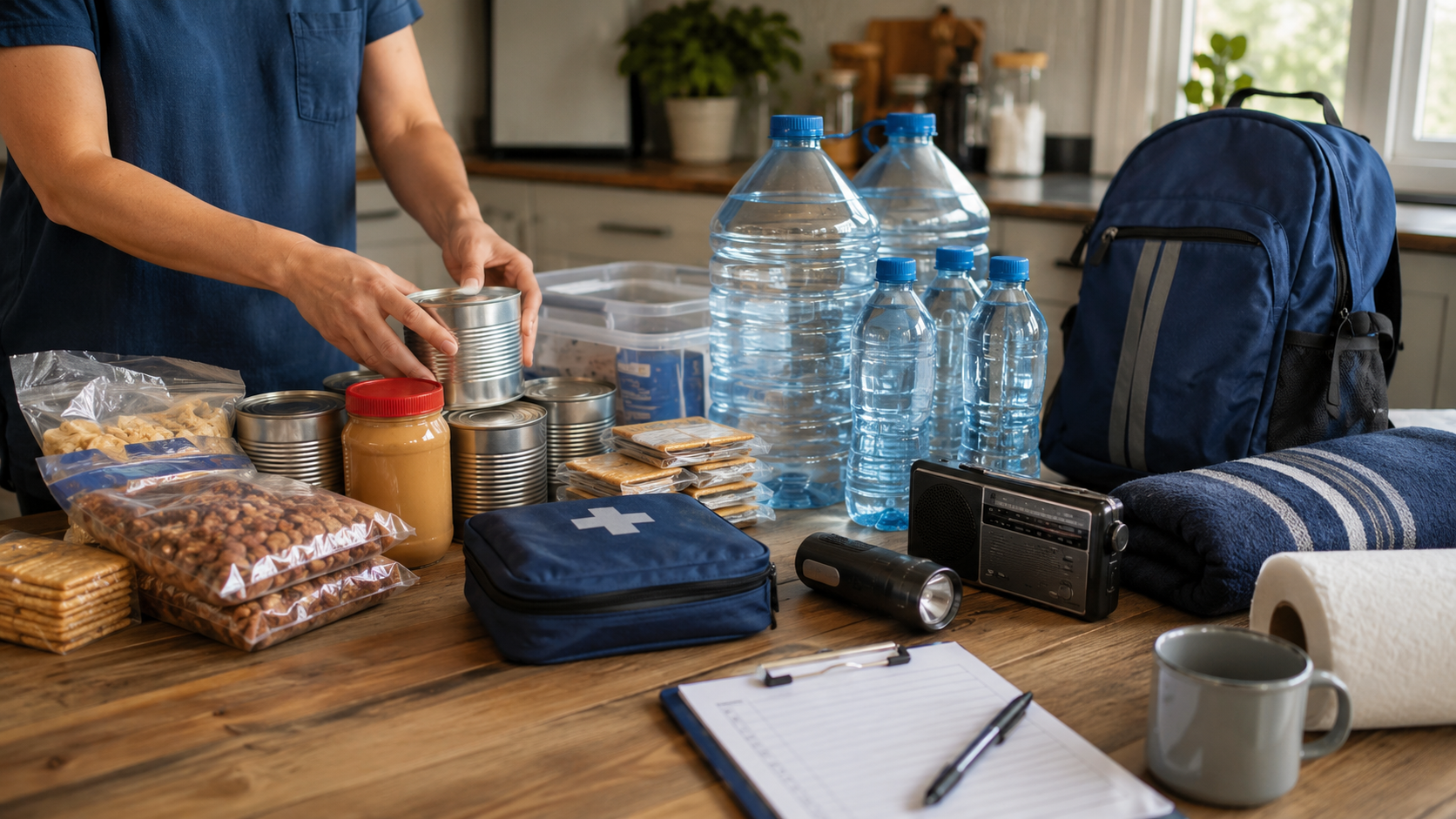
When it comes to disaster preparedness, having a well-stocked kit is essential. Whether you’re facing a natural disaster, power outage, or any other emergency situation, being prepared can make all the difference. But what exactly should you include in your disaster preparedness kit? Here are some key items to consider.

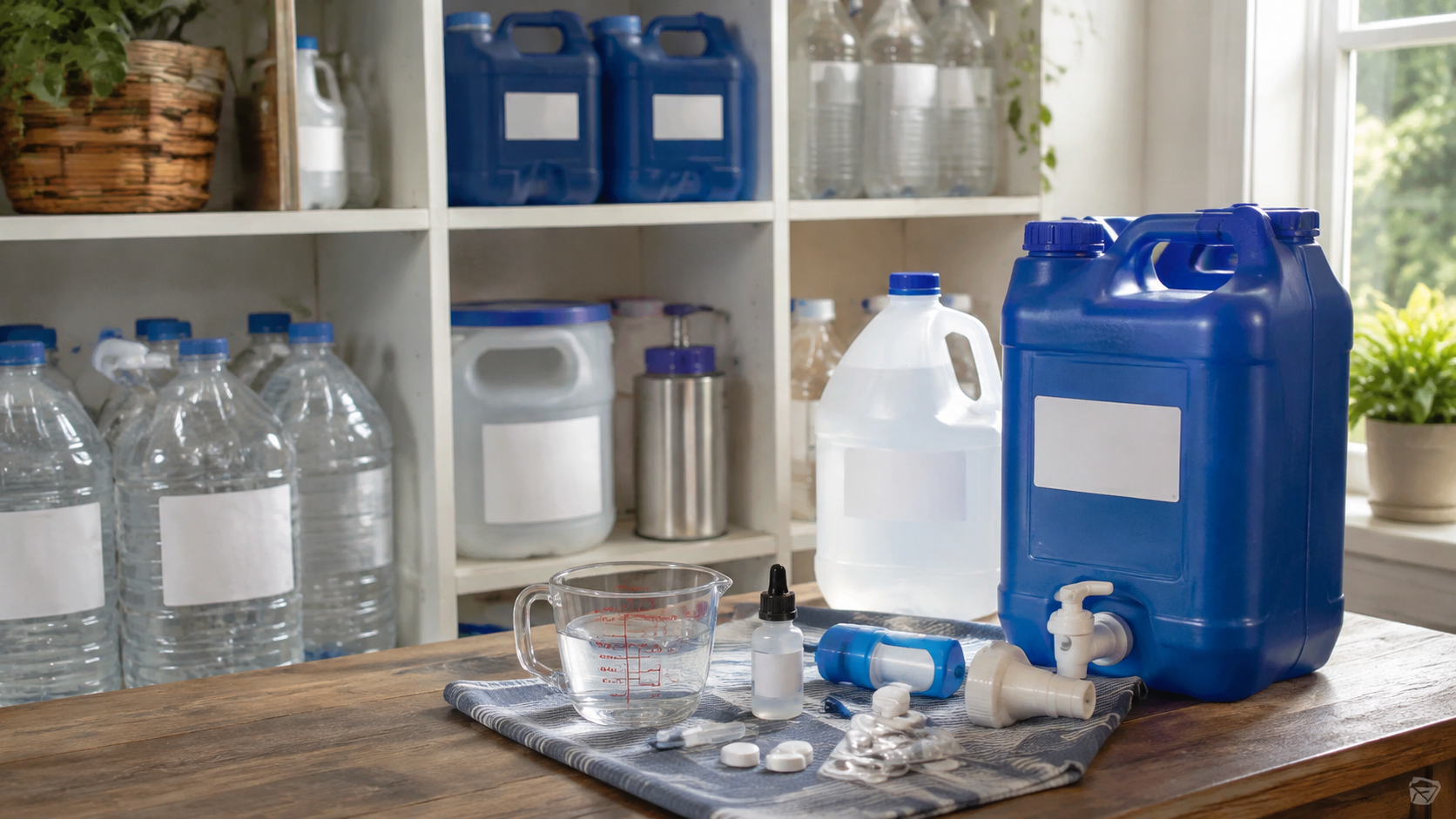
First and foremost, water is crucial. Make sure to have at least one gallon of water per person per day for a minimum of three days. This will ensure you have enough for drinking, cooking, and sanitation purposes. Non-perishable food items are also essential. Stock up on canned goods, dry goods, and snacks that have a long shelf life.

In addition to food and water, it’s important to have a supply of essential medications and a first aid kit. Make sure to include any prescription medications you or your family members may need, as well as over-the-counter medications for pain relief, allergies, and other common ailments. The first aid kit should include bandages, antiseptic wipes, gloves, and other basic medical supplies.

Other important items to include in your disaster preparedness kit are a flashlight with extra batteries, a battery-powered or hand-crank radio, a whistle to signal for help, and a multi-purpose tool. Additionally, it’s a good idea to have extra clothing and blankets, as well as personal hygiene items like toothbrushes, toothpaste, and toilet paper.

Lastly, don’t forget about important documents. Keep copies of your identification, insurance policies, and other important paperwork in a waterproof container. It’s also a good idea to have some cash on hand, as ATMs may not be accessible during a disaster.

By including these essential items in your disaster preparedness kit, you’ll be better equipped to handle any emergency situation that may arise. Remember to regularly check and update your kit to ensure everything is in working order and within expiration dates. Being prepared can provide peace of mind and potentially save lives. Stay safe!

How Can I Create an Emergency Communication Plan?

In times of disaster, having a well-thought-out emergency communication plan can mean the difference between life and death. When traditional communication channels fail, it is crucial to have alternative methods in place to ensure that you can stay connected with your loved ones and receive important updates. Here are some steps to help you create an effective emergency communication plan.

Firstly, establish a designated point of contact. This person should be someone who lives outside the immediate area and can act as a central hub for information. Make sure everyone in your family knows who this person is and has their contact information.

Next, select multiple communication methods. In a disaster, cell phone networks and internet connections may become unreliable. It is essential to have backup options such as landline phones, two-way radios, or satellite phones. Consider using social media platforms or messaging apps that work offline, as they can also be valuable tools for communication.

Additionally, create a list of emergency contacts. Include important phone numbers for local authorities, hospitals, and utility companies. Make sure everyone in your household has a copy of this list and knows where to find it.

Furthermore, establish a meeting place. Choose a location that is easily accessible and safe for everyone to gather in case you are separated during an emergency. Practice getting to this meeting place regularly, so it becomes familiar to all family members.

Lastly, stay informed. Stay tuned to local news stations, emergency alerts, and weather updates. Sign up for alerts from your local government or emergency management agency. Being aware of the situation and any evacuation orders is crucial for your safety.

Creating an emergency communication plan is essential for disaster preparedness. By following these steps, you can ensure that you and your loved ones stay connected and informed during times of crisis. Remember, preparation is key, so take the time to develop your plan today. Stay safe!

What Are the Essential Steps for Evacuation Preparedness?

Evacuation preparedness is crucial in ensuring the safety and well-being of individuals during times of disaster. Whether it’s a natural calamity like a hurricane or an unforeseen event such as a chemical spill, being prepared for an evacuation can make a significant difference in minimizing risks and ensuring a smooth transition to safety.

One of the essential steps for evacuation preparedness is to have an emergency kit readily available. This kit should include essential items such as non-perishable food, water, a first aid kit, flashlights, batteries, a portable radio, and any necessary medications. Having these supplies on hand will help sustain you and your family during the evacuation process.

Another crucial aspect of evacuation preparedness is having a communication plan in place. Identify a designated meeting point for your family members in case you get separated during the evacuation. It is also important to have a list of emergency contacts, including local authorities and relatives, readily available. Make sure everyone in your household is aware of the plan and knows how to reach these contacts.

Understanding evacuation routes and being familiar with local emergency shelters is also vital. Research and identify the primary evacuation routes in your area, and have maps readily available. Stay informed about the locations of emergency shelters and their procedures. This knowledge will help you make informed decisions during an evacuation.

Additionally, it is crucial to stay informed about the latest developments and updates during a disaster. Keep a battery-powered radio or a smartphone with emergency alert applications handy to receive real-time information and instructions from local authorities. Stay tuned to official channels and follow their guidance to ensure your safety.

In closing, being prepared for an evacuation is a critical aspect of disaster preparedness. By having an emergency kit, a communication plan, knowledge of evacuation routes, and staying informed, you can enhance your chances of a safe evacuation. Remember, preparedness is key when it comes to protecting yourself and your loved ones during times of crisis.

How Can I Safeguard Important Documents During a Disaster?

When disaster strikes, it’s crucial to have a plan in place to protect your important documents. Whether it’s a natural disaster like a hurricane or a man-made disaster such as a fire, safeguarding your documents can save you from a lot of stress and hassle in the aftermath. Here are some key steps you can take to ensure the safety of your important documents during a disaster.

First and foremost, it’s important to have digital copies of all your important documents. Scan your documents and store them securely on a cloud-based platform or an external hard drive. This will ensure that even if your physical copies are destroyed, you can still access your important information.

Additionally, it’s wise to keep physical copies of your documents in a waterproof and fireproof safe. This will provide an extra layer of protection in case of a disaster. Make sure to keep the safe in a location that is easily accessible and known to all family members.

Another important step is to create a grab-and-go bag that contains copies of your essential documents. This bag should include items such as passports, birth certificates, insurance policies, and any other documents that are difficult to replace. Keep this bag in a designated spot where it can be easily grabbed in the event of an emergency.

Furthermore, consider storing copies of your important documents with a trusted family member or friend who lives in a different location. This will ensure that even if your home is completely destroyed, you will still have access to your important information.

To wrap up, safeguarding your important documents during a disaster is crucial. By taking the necessary steps to create digital copies, store physical copies in a safe, and have a grab-and-go bag ready, you can ensure that your important information remains safe and accessible even in the face of adversity.

What Are the Different Types of Disasters to Prepare for?

Disaster preparedness is crucial for ensuring the safety and well-being of individuals and communities in the face of various emergencies. While it is impossible to predict when and where a disaster will strike, being prepared for different types of disasters can significantly increase your chances of survival. Here, we will explore some of the most common types of disasters and how you can prepare for them.

Natural disasters are perhaps the most well-known types of disasters. These include earthquakes, hurricanes, floods, wildfires, and tornadoes. To prepare for natural disasters, it is essential to have an emergency kit stocked with essentials such as food, water, medication, and flashlights. It is also crucial to have a plan in place for evacuation or seeking shelter in case of an emergency.

Another type of disaster to prepare for is a technological disaster. This can include events such as power outages, chemical spills, or nuclear accidents. In these situations, it is important to stay informed about potential risks in your area and have a plan for communication and evacuation if necessary.

Additionally, there are health-related disasters to consider, such as pandemics or disease outbreaks. In these cases, it is important to follow public health guidelines, maintain good hygiene practices, and have necessary medical supplies on hand.

Lastly, it is crucial to be prepared for human-caused disasters, such as terrorist attacks or civil unrest. In these situations, it is important to stay informed about potential threats and have a plan for sheltering in place or evacuating if necessary.

In closing, disaster preparedness is essential for everyone. By understanding the different types of disasters and taking proactive steps to prepare for them, you can significantly increase your chances of staying safe and protecting your loved ones in times of emergency. Stay informed, have a plan, and be ready to act when disaster strikes.

How Can I Prepare My Home for a Natural Disaster?

Natural disasters can strike at any time, leaving devastation in their wake. To protect your home and loved ones, it is crucial to be prepared. By taking proactive steps, you can minimize the impact of a natural disaster and ensure the safety of your family. Here are some essential tips to help you prepare your home for the unexpected:

First and foremost, create an emergency kit. This kit should include essential items such as non-perishable food, bottled water, flashlights, batteries, a first aid kit, and any necessary medications. Store this kit in a readily accessible location, making sure all family members know where it is kept.

Next, secure your home. Reinforce windows and doors to withstand high winds and flying debris. Consider installing storm shutters or impact-resistant glass to protect against hurricanes and tornadoes. Trim trees and shrubs near your home to prevent them from falling onto your property during a storm.

It is also crucial to develop an emergency communication plan. Designate a meeting point for your family in case you are separated during a disaster. Identify a trusted contact person who lives outside the affected area, as they may be easier to reach. Share important contact information with all family members.

Regularly maintain your home’s infrastructure. Inspect your roof for any signs of damage or weakness, and repair or replace as needed. Clean gutters and downspouts to ensure proper drainage during heavy rainfall. Check your home’s foundation for cracks, as these can lead to structural problems during earthquakes.

Lastly, stay informed. Monitor local news and weather reports to stay updated on potential threats. Sign up for emergency alerts and warnings in your area. Familiarize yourself with evacuation routes and shelter locations.

By following these steps, you can significantly increase the resilience of your home in the face of a natural disaster. Remember, preparedness is key to protecting your family and property. Stay vigilant and take action now to ensure a safer future.

What Are the Key Elements of a Family Emergency Plan?

When it comes to disaster preparedness, having a well-thought-out family emergency plan is crucial. Such a plan ensures that everyone in the family knows what to do and where to go in the event of a disaster. By incorporating key elements into your plan, you can increase your family’s safety and reduce the potential for panic and confusion.

1. Communication: Establish a reliable communication system that includes multiple methods such as phone calls, text messages, and social media. Ensure that everyone knows how to use these communication channels and has a designated meeting point in case communication is disrupted.

2. Emergency Contacts: Compile a list of emergency contacts, including local authorities, hospitals, and family members who live outside the immediate area. Make sure everyone in the family has a copy of this list and knows how to access it.

3. Evacuation Routes: Identify and map out evacuation routes for different scenarios, such as fires, floods, or earthquakes. Practice these routes regularly with your family members, so they become familiar with the process.

4. Shelter-in-Place: Determine safe areas within your home where family members can seek shelter during emergencies. These areas should be away from windows and have essential supplies like food, water, and a first aid kit.

5. Emergency Supplies: Assemble an emergency kit that includes essentials such as non-perishable food, water, medications, flashlights, batteries, and a battery-powered radio. Regularly check and update the supplies to ensure they are in good condition.

6. Special Considerations: Take into account the specific needs of family members, including infants, elderly individuals, or individuals with disabilities. Make sure you have necessary supplies and plans in place to accommodate these needs.

By incorporating these key elements into your family emergency plan, you can enhance your preparedness and ensure the safety of your loved ones. Remember to regularly review and update the plan as circumstances change. Stay informed about potential hazards in your area and educate your family members about the importance of disaster preparedness.

How Can I Stay Informed During a Disaster?

During a disaster, staying informed is crucial for your safety and well-being. Being aware of the latest updates and instructions can help you make informed decisions and take necessary actions. In this article, we will explore various ways to stay informed during a disaster, ensuring your preparedness and resilience.

One of the most reliable sources of information during a disaster is the emergency alert system. This system, often operated by local authorities, broadcasts important updates through various channels such as radio, television, and mobile alerts. Make sure you have a battery-powered radio and keep it tuned to emergency channels for the latest news.

In addition to the emergency alert system, it is essential to stay connected through multiple communication channels. Sign up for text alerts from local authorities and emergency management agencies. Follow their social media accounts and bookmark their websites for real-time updates. These platforms often provide valuable information on evacuation routes, shelter locations, and safety guidelines.

Another effective way to stay informed is by having a reliable weather radio. These radios are designed to receive National Weather Service alerts and provide continuous updates on severe weather conditions. Invest in a weather radio with a battery backup and keep it in a readily accessible place.

Furthermore, consider downloading relevant mobile applications that provide disaster-related information. Many apps offer real-time weather updates, emergency notifications, and even interactive maps to track disasters. Explore the app store or search online for apps specific to your location and disaster type.

Remember, staying informed is an ongoing process. Continuously monitor the news and updates, especially during rapidly evolving situations. Keep your devices charged and have backup power sources available. By staying informed, you empower yourself to make informed decisions and protect yourself and your loved ones during a disaster.
Ultimately, disaster preparedness is a critical aspect of ensuring the safety and well-being of ourselves and our loved ones. Throughout this post, we have covered a range of topics related to disaster preparedness, including what should be included in a disaster preparedness kit, how to create an emergency communication plan, essential steps for evacuation preparedness, safeguarding important documents during a disaster, different types of disasters to prepare for, preparing your home for a natural disaster, key elements of a family emergency plan, and staying informed during a disaster.

By understanding and implementing these key points, we can greatly increase our resilience and ability to respond effectively in times of crisis. Having a well-stocked disaster preparedness kit ensures that we have the necessary supplies and resources to sustain ourselves during an emergency. Creating an emergency communication plan allows us to stay connected with our loved ones and receive updates during a disaster. Being aware of the essential steps for evacuation preparedness ensures a smooth and efficient evacuation process. Safeguarding important documents protects our valuable information and helps us recover more easily after a disaster. Knowing the different types of disasters to prepare for allows us to tailor our preparedness efforts accordingly. Preparing our homes for natural disasters minimizes damage and enhances our safety. Developing a family emergency plan ensures that everyone in our household knows what to do in an emergency. Lastly, staying informed during a disaster through reliable sources of information keeps us updated and helps us make informed decisions.

Looking ahead, it is important to stay informed about any future developments or trends that may impact disaster preparedness. As technology advances, new tools and resources may become available to enhance our preparedness efforts. Additionally, the increasing frequency and intensity of certain types of disasters, such as extreme weather events, highlight the need for ongoing vigilance and preparedness.

Thank you for taking the time to read this post. We hope that the information provided has been helpful in guiding you towards a more prepared and resilient future. We encourage you to leave any comments or feedback, as your input is valuable in improving our content and ensuring that we continue to provide relevant and useful information on disaster preparedness. Stay safe, stay prepared!

Disaster Preparedness: Be Ready Before It’s Too Late

Disaster Preparedness: Be Ready Before It’s Too Late

Natural disasters can strike at any time, leaving behind a trail of destruction and devastation. From hurricanes to earthquakes, wildfires to floods, the impact of these events can be catastrophic. That’s why it’s crucial to be prepared for the worst-case scenario. Disaster preparedness is not just about stocking up on supplies; it’s about having a plan in place to ensure your safety and the safety of those around you.

In today’s world, disaster preparedness has become more critical than ever. With the ongoing pandemic, wildfires, and hurricanes, it’s essential to be ready for any eventuality. However, many people are not adequately prepared, which can lead to disastrous consequences. That’s why it’s crucial to start taking steps now to ensure you are ready for any emergency.

Being prepared for a disaster involves more than just having a kit ready. It’s about understanding the risks in your area, having a plan in place for evacuation, and knowing how to communicate with your loved ones. It’s also about having the necessary supplies, such as food, water, and medicine, to sustain you and your family for several days.

In this introductory article, we’ll explore the different aspects of disaster preparedness, from creating a plan to stocking up on supplies. We’ll also discuss the importance of staying informed and the role technology plays in disaster preparedness. By the end of this article, you’ll have a better understanding of what it takes to be prepared for any disaster. So, let’s get started!

Disaster Preparedness FAQs

What is disaster preparedness?

Disaster preparedness is the process of taking steps to minimize the damage caused by natural or man-made disasters. It involves developing plans, gathering supplies, and training individuals to respond effectively in emergency situations.

Why is disaster preparedness important?

Disaster preparedness is important because it can save lives and reduce the impact of disasters on communities. By being prepared, individuals and communities can minimize the damage caused by disasters and recover more quickly.

What should I include in my disaster preparedness kit?

Your disaster preparedness kit should include basic supplies such as water, non-perishable food, a first aid kit, and a flashlight. You may also want to include items such as a radio, extra batteries, and a whistle.

How can I prepare my home for a disaster?

To prepare your home for a disaster, you should secure loose objects, such as furniture and appliances, that could become hazards during a disaster. You should also make sure that your home is equipped with smoke detectors, fire extinguishers, and carbon monoxide detectors.

What should I do during a disaster?

During a disaster, you should stay informed by listening to the radio or television for updates. You should also follow the instructions of local authorities and evacuate if necessary.

How can I help others during a disaster?

To help others during a disaster, you can volunteer with local organizations that provide disaster relief. You can also donate money or supplies to these organizations to support their efforts.

Remember, disaster preparedness is an ongoing process. By staying informed, developing plans, and practicing emergency procedures, you can help protect yourself and your community from the devastating effects of disasters.

Emergency Kit

In times of disaster, having an emergency kit can be the difference between life and death. It’s essential to have a well-stocked kit ready to go at a moment’s notice. Here are some essential items to include in your emergency kit.

Water is the most crucial item to have in your kit. You should have at least one gallon of water per person per day for at least three days. It’s also a good idea to have water purification tablets or a water filter in case your supply runs out.

Non-perishable food items are also essential. Canned goods, energy bars, and dried fruits are all good options. Make sure to include a manual can opener as well.

A first aid kit is crucial in any emergency situation. Your kit should include bandages, antiseptic, tweezers, and any prescription medications you or your family members may need.

Flashlights, batteries, and a portable radio are also important items to include in your kit. You’ll need a way to stay informed of any updates or evacuation orders.

Extra clothing, blankets, and sturdy shoes are also essential. You never know when you may need to evacuate your home quickly.

In closing, make sure to include important documents such as passports, insurance policies, and birth certificates in a waterproof container.

Preparing an emergency kit may seem like a daunting task, but it’s essential for your safety and well-being. Take the time to gather these essential items and keep them in a designated location where they can be easily accessed in an emergency.

Evacuation Plan

In times of disaster, having an evacuation plan can mean the difference between life and death. It is crucial to be prepared for the worst-case scenario and have a plan in place for a quick and safe evacuation.

The first step in creating an evacuation plan is to identify potential hazards in your area. This could include natural disasters such as earthquakes, hurricanes, or floods, or human-made disasters such as fires or terrorist attacks. Once you have identified the potential hazards, you can begin to create a plan that addresses each specific scenario.

Your plan should include a designated meeting place for your family or household members, as well as a communication plan. Make sure everyone knows how to reach each other in case of an emergency and has a list of emergency contacts. It is also important to have a backup plan in case your primary meeting place is inaccessible.

When creating your evacuation plan, consider the needs of everyone in your household, including pets and individuals with disabilities. Make sure you have a plan in place for their safe evacuation as well.

Practice your evacuation plan regularly with your family or household members. This will help ensure that everyone knows what to do in case of an emergency and can evacuate quickly and safely.

Remember, disasters can strike at any time, so it is important to be prepared. By creating an evacuation plan and practicing it regularly, you can help keep yourself and your loved ones safe in the event of a disaster.

Communication Plan

In times of disaster, communication is critical. A well-planned communication strategy can help you stay connected with your loved ones, receive timely updates, and seek assistance. Here are some tips to help you create a communication plan.

Identify your emergency contacts: Make a list of emergency contacts, including family members, friends, and neighbors. Ensure that everyone on the list has a copy of the plan and knows their role.

Choose a communication method: Consider using multiple communication methods, such as text messages, phone calls, email, or social media. Choose a primary method and a backup method in case the primary method fails.

Establish meeting points: Identify safe meeting points in case you get separated from your loved ones. Choose locations that are easily accessible and familiar to everyone.

Stay informed: Keep a battery-powered or hand-crank radio, and listen to local news and weather updates. Follow official social media accounts of emergency services and local authorities for updates.

Practice your plan: Conduct regular drills to test your communication plan. Make adjustments as needed, and ensure that everyone knows what to do in case of an emergency.

In closing, a communication plan is an essential part of disaster preparedness. By following these tips, you can ensure that you stay connected with your loved ones and receive timely updates during a crisis. Remember to practice your plan regularly and make adjustments as needed. Stay safe!

Sheltering in Place

When disaster strikes, it’s important to have a plan in place for sheltering in place. Whether you’re facing a natural disaster like a hurricane or tornado, or a man-made disaster like a chemical spill or terrorist attack, being prepared can mean the difference between life and death.

The first step in sheltering in place is to assess your surroundings. Look for a room in your home or office that has no windows or exterior doors, and that can be easily sealed off from the rest of the building. This room should be stocked with emergency supplies like food, water, and first aid supplies.

Once you’ve identified your shelter, it’s important to seal it off as quickly as possible. This can be done with duct tape and plastic sheeting, or with specially designed shelter-in-place kits. Make sure that all vents and other openings are sealed off as well, to prevent the entry of airborne contaminants.

Once you’re safely sheltered, it’s important to stay there until it’s safe to leave. This may mean staying put for several hours or even days, depending on the nature of the disaster. Make sure to monitor the news and stay in contact with emergency services, so that you can stay informed about the situation and any updates.

All in all, sheltering in place is an essential part of disaster preparedness. By taking the time to identify a safe shelter and stock it with emergency supplies, you can protect yourself and your loved ones in the event of a disaster. Remember to stay calm and stay informed, and you’ll be better prepared to weather any storm.

Insurance Coverage

When it comes to disaster preparedness, insurance coverage is a crucial aspect that should not be overlooked. Natural disasters such as hurricanes, earthquakes, and wildfires can cause extensive damage to homes and properties, leaving individuals and families struggling to recover without proper insurance coverage.

Homeowners insurance is a common type of insurance that provides coverage for damages caused by natural disasters such as hurricanes, tornadoes, and wildfires. However, it’s important to note that certain disasters may not be covered under a standard policy, such as floods and earthquakes. In these cases, additional coverage may be necessary to ensure adequate protection.

Flood insurance is a specific type of insurance that provides coverage for damages caused by floods, which are not typically covered under a standard homeowners insurance policy. This type of insurance is particularly important for individuals living in flood-prone areas, as even a few inches of water can cause significant damage to a home.

Earthquake insurance is another type of insurance that provides coverage for damages caused by earthquakes. This type of coverage is essential for individuals living in areas with a high risk of earthquakes, such as California.

In addition to homeowners insurance, individuals should also consider purchasing renters insurance or condo insurance, depending on their living situation. These types of insurance provide coverage for personal belongings and liability in the event of a natural disaster.

Overall, insurance coverage is a critical component of disaster preparedness. By ensuring that you have adequate coverage for potential natural disasters, you can protect your home, your belongings, and your financial future.

Pet Preparedness

As a pet owner, it’s important to include your furry friends in your disaster preparedness plan. Whether it’s a natural disaster or a sudden emergency, having a plan in place can help keep your pet safe and reduce stress for both you and your pet.

First and foremost, make sure your pet is wearing identification at all times. This can include a collar with tags or even a microchip. In the event that you and your pet become separated, this will increase the chances of being reunited.

Next, make an emergency kit for your pet. This should include food, water, medications, and any necessary supplies such as a leash, litter box, or crate. Keep this kit in an easily accessible location and make sure to rotate out any expired items.

It’s also important to have a designated safe space for your pet. This could be a room in your home or a crate that your pet is familiar with. Make sure to practice going to this space with your pet so they are comfortable and know what to expect in an emergency.

If you need to evacuate, have a plan for your pet as well. Research pet-friendly hotels or shelters in your area and keep a list of their contact information. If you have to leave your pet behind, make sure to leave enough food and water for several days and inform a trusted neighbor or friend.

By including your pet in your disaster preparedness plan, you can help ensure their safety and well-being during an emergency. Remember to regularly review and update your plan as needed to ensure its effectiveness.

Community Resources

When it comes to disaster preparedness, it’s important to know what resources are available in your community. Whether it’s a natural disaster like a hurricane or a man-made disaster like a terrorist attack, having access to resources can make all the difference in how you and your family fare in the aftermath.

One of the first resources to consider is your local emergency management agency. They can provide information on evacuation routes, emergency shelters, and other important details specific to your area. It’s also a good idea to have a copy of your community’s emergency plan, which should outline what steps to take in the event of a disaster.

Another valuable resource is your community’s medical facilities. In the aftermath of a disaster, medical care may be in high demand, so it’s important to know where to go and what services are available. It’s also a good idea to have a first aid kit and other medical supplies on hand in case of an emergency.

Community organizations such as the Red Cross can also be a great resource in times of disaster. They provide emergency shelter, food, and other assistance to those in need. Local churches and other religious organizations may also provide assistance in the aftermath of a disaster.

In summary, it’s important to know your neighbors and build a sense of community. In times of disaster, neighbors can help each other with everything from clearing debris to sharing resources. Building relationships with your neighbors can make all the difference in how well you and your community fare in the aftermath of a disaster.

All in all, knowing what resources are available in your community can be critical in times of disaster. From emergency management agencies to community organizations, there are a variety of resources that can help you and your family in the aftermath of a disaster. By being prepared and knowing what resources are available, you can increase your chances of weathering the storm.
All in all, disaster preparedness is a critical aspect of ensuring the safety and well-being of individuals and communities in the face of unexpected emergencies. Throughout this post, we’ve covered a range of important topics related to disaster preparedness, including FAQs, emergency kits, evacuation plans, communication plans, sheltering in place, insurance coverage, pet preparedness, and community resources.

By having a solid understanding of these topics, individuals can take proactive steps to prepare for potential disasters and minimize their impact. From creating an emergency kit to developing a communication plan with loved ones, there are many actionable tips and advice that readers can implement in their own lives to improve their level of preparedness.

Looking ahead, it’s important to stay informed about any future developments or trends that may impact disaster preparedness. Whether it’s new technologies or changing weather patterns, being aware of these factors can help individuals and communities stay one step ahead.

We want to thank you for taking the time to read this post and encourage you to leave any comments or feedback. Remember, disaster preparedness is something that we all need to take seriously, and by working together, we can ensure a safer and more resilient future for ourselves and our communities.

Hurricane Emergency Preparedness From a Fortunate Hurricane Survivor

Hurricane Emergency Preparedness From a Fortunate Hurricane Survivor

Hurricane Emergency Preparedness

It is Hurricane season, and people who leave near coastal areas likely already have a Hurricane Emergency Preparedness plan.  Local and National Government agencies along with insurance agencies, churches, and other non-profit and human service groups provide great information to help with Hurricane preparedness.  If you live in an area that is sometimes affected by hurricanes, one of the most important things you can do to protect your family is to spend some time developing a plan.  I know this, because I was ignorant and did not have a good plan in place and had to endure a terrible situation.

In 2004, my family lived in Southwest Florida and survived a direct and devastating encounter with Hurricane Charley.  It was an event that changed our lives forever.

Like many people who lived in South Florida, we had basic supplies stored and ready in case we were impacted by a hurricane.  We also had a general evacuation plan, but even with all the hurricanes we had encountered over the years we had never been forced or felt it necessary to evacuate.  Living in Florida for years we kinda became numb to the warnings.  Obviously, that was ignorant and cost us dearly.

As Charlie it made it’s way up the Florida coastline we were not in the projected path but when a sudden and dramatic turn occurred, Charlie now was barreling directly toward us with 150 mile-per-hour winds.  It happened quickly and I’ll never forget the local news warnings that said “you do not have time to evacuate” so just do whatever you can to protect your life.  That was a warning I hadn’t expected to hear.

Obviously, it was a pretty frantic time for our family.  We grabbed the kids, huddled in a hallway, and pulled mattresses over us.  As winds began quickly increasing, we could hear that damage was occurring all around us.  Debris began to hammer our windows and doors as houses and structures were crushed by the fury of winds.

For several hours we were besieged by Charlie but the difficulty of that day lasted far beyond the brisk winds and heavy rains.  In fact, the difficulty of that day still impacts us in profound ways.

I had always somewhat hoped to encounter a hurricane to see what it was like.  Many people had talked about hurricane parties and the excitement of living through a hurricane.  I was one of those people, and quickly found out how foolish I was when we were fearfully battling through the terrible storm.

The most difficult part of the hurricane came after the main force of Charlie had passed.  Once the winds began to calm and we were able to emerge, we realized how fortunate we were to survive.  Our roof had shifted (actually raised from the structure), our porch had collapsed, power lines were down all around us, and heavy debris was everywhere.

It was now time to deal with survival without electricity, and water.  In sweltering 95 degree heat with no air conditioning, life was going to be rough.  We were unable to travel because roads were littered with debris, but also there was no way of getting gas at stations without power.

For one week we battled without utilities, water, and other normal necessities.  When gas stations In summary were able to open, people battled lines of traffic in order to fill their tanks and get fuel for generators.  Fist fights broke-out because people were angry from their battles with terrible living conditions.  National Guard units were called-in to patrol streets and maintain the peace.

The fact is, I thought my family was prepared for a hurricane.  Turns out, we were only prepared to survive  a minimal impacting storm.  We had some food and water, but only for a few days.

Based on our difficult experience, I’d like to share some thoughts to help you better consider your hurricane preparedness plans.

If you live near the coast, you likely have a Hurricane  There is nothing anyone can do when nature decides to leash out its fury. There is no way to stop it so people should heed the warnings, brace for the worse and seek shelter.

In order to minimize the loss of life, most towns and cities along coastlines have created emergency plans.  Sirens are placed in strategic locations to announce a major evacuation; the emergency broadcast system is in place in the event that power and electricity has been cut off, and many agencies also stockpile food, water and medicine.

Those who live in the coastal communities will usually be battered by hurricanes. This happens between the months of June until November in the Atlantic and from May to November in the northern Pacific Ocean.  When this is first spotted on radar, the forecaster will begin to inform the public about it. Obviously, hurricanes are erratic in their behavior, so it’s likely the trajectory path will not be very clear.  There is no need to panic when your area is a potential target zone since weather conditions may change in the next few hours.  But, begin planning and watch the system closely.  If there are no improvements, it is time to activate your emergency procedures.

The hurricane may pack winds exceeding more than a 100 miles per hour which can make cars, pieces of metal, lawn furniture, trees, or wood cause severe damage to the home.  It’s a good idea to board-up the windows and doors of the house with hurricane shutters and plywood.  If you feel your home is secure enough and intend to stay in your home, you will need to get to the grocery store to stock up on food, water and other essentials.   In addition to consumable items, you’ll also want to pick up candles, batteries for the radio and the flashlight, and fuel for the generator.

All of these things are necessary (especially water) to prevent dehydration.  Water was the most essential item during our experience with Charley.  People had purchased drinking water, but it simply was not enough for their needs.  The sweltering heat (without air conditioning) created a far-greater need than most people had planned for.  So, you will want to get plenty of water stored.  In fact, you may want to fill every possible container (including the bathtub) to make certain you are able to last until utilities are restored.

Another vital item that must not be forgotten is a medical kit. This should have bandages and some antibiotics to be able to treat anyone who is ill or injured until the person can be taken to a medical facility for better treatment.   If the hurricane is a devastating high-intensity storm, there may be a massive number of people overwhelming health-care facilities.  Having a medical kit on hand for minor emergencies is essential.

Should the incoming hurricane be classified as a category 4 or 5, residents are advised to evacuate and seek higher ground. It will be a good idea to travel light so only a few pieces of clothing, food and water must be brought into the vehicle.  It’s a good idea to have a bug-out bag (emergency backpack) always ready for a quick evacuation.  In fact, you should pack several identical bags for each member of the family.

If you evacuate, you will want to leave plenty early.  There will likely be heavy traffic so it is necessary to drive slowly and avoid panicking.  You will not want to cause additional traffic delays by causing an accident.

The hurricane will pass within a few hours and depending on the severity of the damage you may be allowed to return home to assess damage.  You’ll want to exercise extreme caution, as there will likely be broken glass or other sharp items that could cause you harm.  In addition, snakes and other wild creatures may have been washed onto your property and will not be in a very good mood.

Emergency preparedness is key to properly dealing with a hurricane situation.  People who live in a hurricane area typically know what to do, but may be numb to the constant warnings.  Take it from a fortunate hurricane survivor and take the time to re-evaluate your hurricane preparedness plan.  Also, those who are moving into the community should quickly prepare themselves and learn how to survive the onslaught of a hurricane.

My final suggestion is to rehearse your emergency preparedness plan to see if some improvements need to be made.  Go through a quick evacuation plan.  Practice procedures for staying in your home.  You may also want to go so far as to cut off your electricity, water, and phone service to give you the full experience.  This extra effort could save your life.

What are Some Important and Cheap Home Remedies

What are Some Important and Cheap Home Remedies

Every day we are faced with preparedness reminders.  We don’t want to walk around with a constant negative view of everything, but the fact remains – we need to be prepared for any potential emergency or disaster.  If we learned anything from the recent pandemic, it’s that we can’t count on our government to protect us from every potential difficulty.  Things got out of control quickly and the media kept us constantly confused.  We must prepare, and we must be ready to respond calmly to any event.

One of the areas that we should provide some focus is Home Remedies.  During the pandemic it was sometimes impossible (and even dangerous) to go to a doctor or clinic.  In many instances it was better to treat yourself at home and avoid getting out.

Let’s discuss some common home Remedies

  1. Apple cider vinegar – known for its antibacterial properties, apple cider vinegar can be used as a natural cleaner, as well as a remedy for digestive problems, skin irritations, and sore throat.
  2. Honey – studies have shown that honey can be a useful remedy for coughs and sore throats, as well as promoting wound healing due to its antibacterial properties.
  3. Epsom salt – Epsom salt is said to have various health benefits, such as reducing muscle aches and pains, helping with skin issues such as eczema, and even providing relief from constipation.
  4. Ginger – ginger has long been known for its anti-inflammatory properties and can be used to treat nausea and vomiting, as well as potentially reducing arthritic pain.
  5. Aloe vera – aloe vera gel has been used as a remedy for various skin problems, including burns, psoriasis, and acne, due to its ability to reduce inflammation and promote healing. It can also be used internally as a digestive aid.

Some of the Cheapest Home Remedies

With any home remedy, it is extremely important that you understand thoroughly what is involved before you actually get started. Many remedies that might seem to be cheap are actually really expensive, and others that can seem extremely pricy are actually really cheap. In order to actually determine if a home remedy is within your budget you need to first start studying the actual supplies that are called for, but have no fear. Most home remedies are extremely reasonably priced and you can typically find the supplies already around your home.

For the majority of home remedies there will be a few items needed. A basic toolkit will be highly effective in ensuring that you are well prepared for any home remedy that you need to attempt. Some of the most common household supplies work well in most home remedies and can be easily purchased for a very reasonable fee. Never buy anything that you are unfamiliar with and just start mixing, this is particularly true in the event of some household chemicals since you may accidently create a massive dangerous science experiment in your own house.

One of the most common problems that occurs is the presence of a burn of some sort. Most people when they have a burn will reach for a bottle of expensive gel; this is intended to help relieve the pain of the burn and sooth the skin. However, there is a much cheaper alternative. Your first choice is to start looking to items such as aloe vera plants or even within the kitchen such foods like mustard and even milk are wonderful to help. Most people will tend to avoid mustard though due to the color changing that can occur from prolonged usage, however it works wonderfully in a pinch.

Other common remedies include using baby powder to help absorb any excessive sweat as well as soothe chafing skin. This is something that is extremely common especially amongst younger children and is frequently continued on until the child grows up. Most adults do tend to forget about this particular home remedy until they are reminded. Ensuring that an ample supply of baby powder is in the house is typically quite effective in ensuring that there are no problems or complications with a rash or chafing that is unexpected.

Acne is a problem that many adults battle for years. To combat it cheaply, using simple toothpaste at nights is extremely effective. The active ingredients in the toothpaste will work to dry out the acne sore and help to clear it up in just a couple of days. In contrast, most acne treatments are extremely expensive and can require a large amount of money as well as time invested into the treatment plan in order to even begin to see improvements. This is not a process that is always effective for all skin types, but it is still possible to produce at least minor improvements.

The absolute cheapest home remedy that you will find is for headaches. This involves nothing more than your own hands. Millions of people swear by using acupressure to help relieve the excessive pain of headaches. In order to obtain the full benefit it is important to take the time to carefully learn where the pressure points in the hand are. As long as you are clear on the location of the pressure points in the hand you should have great success using this method. It is also important to realize that knowing the correct amount of pressure to use is also vital to knowing the actual placement. With these two key pieces of knowledge, relief from your next headache could be only moments away. There is no reason to suffer any longer from excessive headaches; a free solution is readily available.

As you can see, there are several things that you would typically keep around the house. Some are common remedies and others are much less popular. All of them are extremely affordable and work well to ensure that you are getting the best benefits possible for yourself and your wallet.

How to Prepare for Disaster Without Looking Crazy

How to Prepare for Disaster Without Looking Crazy

How to Prepare for Disaster Without Looking Crazy

Tired of feeling like you’re a crazy prepper? Want to learn how to prepare for disaster or emergencies without people judging you? Read this article on preparing for disaster without looking “crazy.”

If you’ve ever had the urge to start preparing for disasters, chances are you have been labeled as a prepper or crazy. After all, preppers are thought of as individuals that hoard goods, have a crazy amount of supplies, and believe the world is going to end at any given moment. But the truth is, prepping doesn’t have to mean hoarding and worrying; it’s simply a smart way to be prepared for emergencies and potential disasters, so you can stay safe.

In this article, we’ll discuss how to prepare for a disaster without looking “crazy.” We’ll talk about creating a smart, comprehensive disaster plan, putting together a preparedness kit, and making sure you have the right supplies. So keep reading to learn how to plan for the unexpected without inviting judgement or ridicule.

Creating a Disaster Plan

prepare magazineThe first step to preparing for a disaster without looking crazy is to create a comprehensive disaster plan. To do this, consider all the possibilities and plan accordingly. It’s important to think about not just natural disasters, but other emergencies as well. Could your area be hit by a blizzard? Could a severe storm cause flooding and outages? Do you live in an area prone to earthquakes? Once you know the potential disasters you could face, it will be easier to create a plan.

You should also consider the areas where you and your family spend time. Where do you live and work? What about your children’s school and daycare? Make sure you have emergency plans in place for all the places you and your family visit.

When creating your plan, don’t forget to think about where you’ll go in case of an emergency. That could include a neighbor’s house, a shelter, or a place outside of town. You should also create an emergency supply list, so you can make sure to have enough food, water, and other essentials on hand.

Putting Together a Disaster Kit

Once you have a plan in place, it’s time to put together a preparedness kit. You can create your own or buy a pre-made kit. When creating your own, make sure to include all the essentials you’ll need in an emergency.

Depending on the type of emergency you’re preparing for, the items you’ll need will vary. However, all kits should include items like a flashlight, extra batteries, first-aid supplies, and a car charger. You should also pack enough food and water for three days, as well as a way to quick cook meals.

Don’t forget to pack clothing and blankets as well, to keep you warm in case of a power outage. It’s also a good idea to pack a map, cash, and medications, just in case.

Getting the Right Supplies

The last step in preparing for disaster without looking crazy is to make sure you have the right supplies. This means stocking up on food, water, and other essentials to get you through an emergency.

To do this, start by stocking up on non-perishable items like canned and boxed foods. These should last for months, so you don’t have to rush to the store if you need something. Make sure to stock up on foods your family likes, so no one is stuck eating food they don’t like.

You’ll also want to store plenty of water. You can buy water bottles, but it’s also a good idea to buy some water containers and fill them yourself. You’ll also need to stock up on paper products such as toilet paper and paper towels.

Conclusion

Preparing for a disaster doesn’t have to mean hoarding goods and living in fear. By following the steps outlined in this article, you can prepare for disasters without looking “crazy” or having people judge you. So create a comprehensive disaster plan, put together a preparedness kit, and make sure you have the right supplies on hand. That way, you can be prepared for whatever life throws your way.