Understanding the importance of emergency radios involves recognizing the vulnerabilities of modern communication systems. Natural disasters can disrupt power and cellular networks, leaving individuals isolated. Emergency radios, equipped with battery backups and solar charging options, can operate in such scenarios, providing users with critical updates that could save lives.
Many people underestimate the necessity of having an emergency radio, believing that smartphones or the internet will suffice. However, in a widespread power outage or natural disaster, these devices may not function. Prioritizing the acquisition of a reliable emergency radio can significantly enhance safety and preparedness, making it a vital component of any emergency kit.
Key Features of Emergency Radios
Emergency radios are designed with specific features that enhance their functionality in crisis situations. Key features include multi-band reception, which allows users to tune into AM, FM, and NOAA weather bands. This capability ensures access to critical weather updates and emergency broadcasts.
Additionally, many models come equipped with built-in flashlights and USB charging ports for devices, making them multifunctional tools. The ability to receive alerts about severe weather conditions is particularly important, as it enables users to take preventive actions before a disaster strikes. Prioritizing models with these features can enhance overall preparedness.
When selecting an emergency radio, consider the types of alerts it can receive and the power options available. Some radios allow for solar charging or hand-cranking, which are crucial during extended outages. Failing to choose a radio with diverse power sources can leave individuals without communication when they need it most.
Real-World Applications
Emergency radios play a vital role in various real-world scenarios, from natural disasters to public emergencies. For instance, during hurricanes or severe storms, these devices provide essential updates on evacuation orders and safety information.
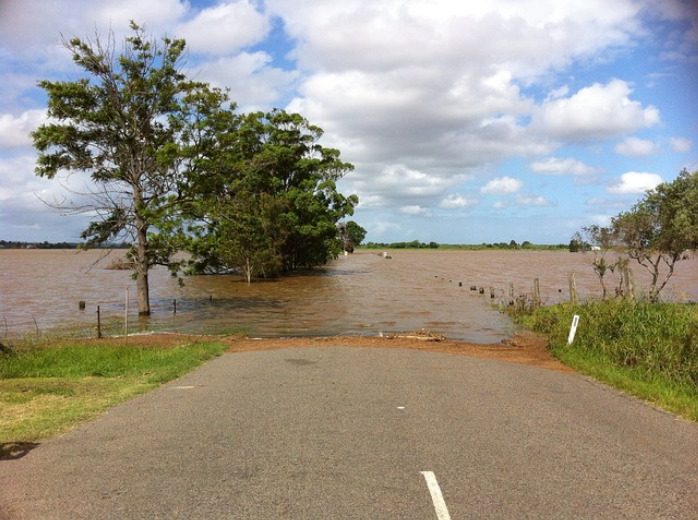
In remote areas where cellular service is unreliable, emergency radios can be a lifeline during unexpected events. They can also be used during community emergencies, such as wildfires or floods, where local authorities broadcast crucial information. Understanding these applications can help individuals and families prepare effectively.
Many people overlook the importance of testing their emergency radios regularly. Ensuring that the device works and is tuned to the right channels can make all the difference in a crisis. Regular checks help identify issues before they become critical, allowing for timely repairs or replacements.
Choosing the Right Emergency Radio
Selecting the right emergency radio involves considering various factors, including size, weight, battery life, and features. Compact models are easier to store and carry, but they may sacrifice some functionality. On the other hand, larger models may have more features but can be cumbersome during evacuations.
When choosing a radio, look for models that offer a combination of battery, solar, and hand-crank power options. This versatility ensures that the radio remains operational during extended power outages. Additionally, radios with a NOAA weather alert feature can provide timely warnings about impending severe weather.
Many consumers mistakenly believe that a higher price guarantees better quality. However, it’s essential to read reviews and compare features to find a radio that meets your specific needs. A well-reviewed, mid-range model may be more reliable than an expensive one with unnecessary features.
Common Misconceptions About Emergency Radios
One common misconception is that emergency radios are only necessary for those living in disaster-prone areas. In reality, emergencies can occur anywhere, and having a reliable communication tool is essential for everyone. This misconception often leads to inadequate preparedness.
Another misconception is that smartphones can replace emergency radios. While smartphones are useful, they rely on power and cellular networks, which may fail during disasters. Emergency radios operate independently, making them a more reliable option. Understanding these distinctions can help individuals prioritize their emergency preparedness plans.
Many people also underestimate the need for regular maintenance of their emergency radios. Batteries can degrade over time, and channels may need retuning. Regular checks ensure that the device is ready when it is needed the most. Neglecting maintenance can lead to malfunction during critical moments, underscoring the importance of proactive care.
Further Reading
Authoritative Sources
Ready.gov: Emergency Preparedness ready.gov
This resource provides comprehensive information on emergency preparedness, including the importance of communication devices
NOAA Weather Radio nws.noaa.gov
noaa.govNOAA offers vital updates and alerts that can be accessed through emergency radios
American Red Cross: Emergency Preparedness redcross.org
The Red Cross provides guidelines on how to prepare for various emergencies, including communication strategies
Frequently Asked Questions
Why should I invest in an emergency radio?
An emergency radio ensures you receive critical information during disasters when other communication methods may fail.
What features should I look for in an emergency radio?
Look for multi-band reception, battery backup options, NOAA alerts, and additional features like flashlights or USB charging.
Can I rely on my smartphone instead of an emergency radio?
Smartphones depend on power and cellular networks, which may fail; emergency radios operate independently, making them more reliable.
How often should I check my emergency radio?
Check your emergency radio at least every six months to ensure it is functional and tuned to the correct channels.
Are emergency radios expensive?
Prices vary, but many reliable models are available at mid-range prices, offering good features without breaking the bank.
Conclusion
To wrap up, emergency radios are indispensable tools for ensuring safety and communication during crises. Their unique features, such as multi-band reception and NOAA alerts, provide users with critical information that can save lives. By understanding their importance and selecting the right model, individuals can significantly enhance their preparedness for unexpected events. Regular maintenance and testing of these devices are equally crucial to ensure they function effectively when needed. Investing in an emergency radio is a proactive step towards safeguarding yourself and your loved ones in times of uncertainty.
Generators are typically used for their ability to provide substantial power output for extended periods. They can run on various fuels, including gasoline, propane, and diesel, making them versatile for different situations. However, they require regular maintenance and can be noisy, which may not be ideal for residential areas. Battery backup systems, on the other hand, are quieter and cleaner, storing energy for immediate use during an outage. They can also be charged via solar panels, enhancing their sustainability. UPS systems are specifically designed to protect sensitive electronics, offering immediate power during brief outages or fluctuations.
Understanding the specific needs of your household is essential in making the right choice. For example, if you live in an area with frequent outages, investing in a generator may be worthwhile despite the upfront cost. Conversely, if your primary concern is protecting electronics, a UPS could be the best option. Additionally, many homeowners overlook the importance of maintenance and the potential costs associated with each backup solution.
Types of Backup Power Solutions
There are three primary types of backup power solutions: generators, battery backup systems, and uninterruptible power supplies (UPS). Each serves a different purpose and has varying capacities. Generators are ideal for long-term outages, providing high power output to run multiple appliances. Battery backup systems, such as home energy storage solutions, are more suited for shorter outages and can be charged through renewable sources. UPS systems are specifically designed for sensitive electronics, offering immediate power for short durations.
When selecting a solution, consider your typical usage patterns and the duration of outages you experience. For example, a generator can power an entire home during a prolonged blackout, while a battery system might be sufficient for a couple of hours to keep essential devices running. Understanding these differences can help you choose the best option for your needs.
Moreover, the installation and operational requirements of each solution can vary significantly. Generators often need professional installation and regular maintenance, while battery systems may require less upkeep but can have limitations on the amount of power they can provide. Assessing these factors will help you make a more informed decision.
Evaluating Your Power Needs
To determine the best backup option for your home, start by evaluating your power needs. Consider the appliances and devices you rely on during outages, such as refrigerators, medical equipment, or heating systems. Create a list of essential items and their wattage requirements to gauge the total power demand.
Once you have a clear understanding of your needs, you can compare this against the output capabilities of different backup solutions. For instance, a portable generator may suffice for basic needs, while a standby generator might be necessary for larger households with multiple power demands. Additionally, take into account the duration of outages typical in your area; this will influence whether a temporary or long-term solution is more appropriate.
It’s also important to consider future needs. If you plan to expand your family or add more devices, factor this into your calculations. An underpowered solution can lead to frustration during outages and could potentially damage sensitive electronics.
Cost Considerations
The cost of backup power solutions can vary widely based on capacity, type, and installation requirements. Generators typically have higher upfront costs, especially for larger units, while battery systems can be more affordable but may have limitations on output.
In addition to initial costs, consider ongoing expenses, such as fuel for generators and maintenance for both generators and battery systems. It’s also wise to evaluate the total cost of ownership over time, which includes repairs, replacements, and potential energy savings from using a solar-powered battery system.
Financing options may also be available through local utilities or government programs, particularly for renewable energy systems. Investigating these options could significantly reduce your initial investment and improve the long-term viability of your backup power solution.
Common Mistakes to Avoid
Many homeowners make critical mistakes when selecting backup power solutions. One common error is underestimating the required power capacity, which can result in insufficient backup during outages. Ensure your chosen solution can handle the total wattage of essential devices.
Another mistake is neglecting maintenance. Generators require regular servicing to ensure reliability, while battery systems may need periodic checks to maintain optimal performance. Failing to adhere to maintenance schedules can lead to unexpected failures when you need power the most.
Lastly, consider the noise levels of your chosen solution. Generators can be loud, which may not be suitable for residential areas, particularly during nighttime outages. Battery systems tend to operate silently, making them a more neighborhood-friendly option.
Further Reading
Authoritative Sources
Ready.gov ready.gov
Official U.S. preparedness guidance, checklists, and planning resources for households and emergencies.
FEMA fema.gov
Federal emergency management resources, disaster planning information, and recovery guidance.
American Red Cross Emergency Preparedness redcross.org
Practical emergency preparation steps, supply lists, and safety guidance for families.
National Weather Service weather.gov
Official forecasts, hazard alerts, and weather safety information.
CDC Emergency Preparedness and Response cdc.gov
Public health guidance for emergencies, disasters, and recovery situations.
Frequently Asked Questions
What is the best type of backup power for a home?
The best type of backup power depends on your specific needs. Generators are best for long outages, while battery systems are ideal for short-term use and protecting sensitive electronics.
How long can a generator run continuously?
Most portable generators can run for about 8-12 hours on a full tank, while larger standby generators can operate for days if connected to a sufficient fuel supply.
Are battery backup systems worth the investment?
Yes, battery backup systems can be worth the investment for their quiet operation, low maintenance, and ability to integrate with solar power systems for sustainable energy use.
What maintenance do generators require?
Generators require regular oil changes, filter replacements, and battery checks to ensure they are ready for use during outages.
Can I use a generator indoors?
No, generators should never be used indoors due to the risk of carbon monoxide poisoning. Always operate them in well-ventilated outdoor areas.
Conclusion
Choosing the right backup power option is crucial for ensuring your home remains functional during outages. Evaluate your power needs, consider the costs associated with each solution, and avoid common mistakes to make an informed decision. Whether you opt for a generator, a battery backup system, or a UPS, understanding your requirements will guide you to the best solution for your household. Prioritize reliability and maintenance to ensure that your backup power system is ready when you need it most.
Understanding the motivations behind looting can help you prioritize your protective strategies. Looters often take advantage of chaotic situations, where law enforcement may be overwhelmed or absent. Therefore, reinforcing your home and forming a neighborhood watch can be effective deterrents. Additionally, having a clear emergency plan allows you to respond quickly and effectively if a situation arises.
Many homeowners underestimate the importance of preemptive measures. A common mistake is waiting until a disaster occurs to take action. Instead, invest time and resources in security enhancements and community collaboration before an emergency strikes. This proactive approach not only reduces the risk of looting but also fosters a sense of community resilience.
Securing Your Home: Entry Points and Barriers
Securing your home’s entry points is the first line of defense against looting. Ensure all doors and windows are reinforced with sturdy locks and consider installing deadbolts. Additionally, installing security screens can provide an added layer of protection. If possible, reinforce doors with solid core materials and use window security film to prevent breakage.
In addition to locking doors and windows, creating physical barriers can deter looters. Fencing, gates, and even landscaping can enhance security. For instance, thorny bushes near windows can discourage unwanted entry. Regularly inspect these barriers for wear and ensure they are well-maintained to maximize their effectiveness.
Many homeowners overlook the importance of outdoor lighting. Motion-sensor lights can illuminate dark areas around your property, deterring potential intruders. This simple addition can significantly enhance your home’s security, especially during nighttime hours.
Neighborhood Watch: Building Community Resilience
Forming a neighborhood watch is an effective strategy for preventing looting during disasters. By fostering communication among residents, you can create a network of vigilance and support. Regular meetings to discuss safety concerns and share resources can strengthen community ties.
Encourage neighbors to report suspicious activity and establish a system for alerting each other during emergencies. This collaborative approach not only enhances security but also builds a sense of camaraderie, making your community more resilient in the face of adversity.
It’s essential to engage local law enforcement in your neighborhood watch efforts. Establish a direct line of communication with officers, allowing for quick reporting of incidents and receiving timely updates on local conditions. This partnership can greatly enhance your community’s readiness against looting.
Surveillance Systems: Monitoring and Alerts
Investing in a surveillance system can provide peace of mind and act as a deterrent against looting. Modern security cameras offer remote monitoring capabilities, allowing homeowners to keep an eye on their property from anywhere. Choose systems that include motion detection and alert features to receive notifications when suspicious activity occurs.
When selecting a surveillance system, consider the placement of cameras. Position them to cover vulnerable areas, such as entry points and driveways. Ensure that your cameras are weatherproof and can function effectively in low-light conditions.
Another often-overlooked aspect is the importance of signage. Displaying signs indicating that your property is monitored can deter potential intruders. Make sure your neighbors are aware of your surveillance system, as this collective awareness can enhance overall neighborhood security.
Emergency Communication Plans: Staying Connected
Having an emergency communication plan is vital for ensuring safety during disasters. Create a list of important contact numbers, including local authorities, emergency services, and neighbors. Share this information with all household members and ensure everyone knows how to reach each other in case of separation.
Consider using group messaging apps to facilitate communication during emergencies. These platforms allow for quick updates and coordination among neighbors, which can be crucial in times of crisis. Regularly review and update your communication plan to address any changes in contact information or emergency protocols.
Many individuals overlook the importance of rehearsing the communication plan. Conduct drills with family members to ensure everyone knows their role and the steps to take in an emergency. This preparedness can make a significant difference when time is of the essence.
Further Reading
For additional insights on home security and disaster preparedness, consider reviewing resources from local law enforcement agencies and emergency management organizations. These entities often provide valuable information on securing homes and communities during crises.
Further Reading
Authoritative Sources
Ready.gov ready.gov
Official U.S. preparedness guidance, checklists, and planning resources for households and emergencies.
FEMA fema.gov
Federal emergency management resources, disaster planning information, and recovery guidance.
American Red Cross Emergency Preparedness redcross.org
Practical emergency preparation steps, supply lists, and safety guidance for families.
National Weather Service weather.gov
Official forecasts, hazard alerts, and weather safety information.
CDC Emergency Preparedness and Response cdc.gov
Public health guidance for emergencies, disasters, and recovery situations.
Frequently Asked Questions
What are the first steps to take for securing my home during a disaster?
Begin by reinforcing entry points, ensuring doors and windows are secure, and establishing a neighborhood watch for added vigilance.
How can I improve my home’s security without significant investment?
Simple measures like outdoor lighting, securing locks, and maintaining barriers can enhance security without high costs.
What role does community play in preventing looting?
A strong community network enhances vigilance, supports communication, and fosters a sense of collective responsibility for safety.
Are surveillance systems worth the investment?
Yes, surveillance systems can deter crime and provide peace of mind, especially when integrated with motion detection and alerts.
How often should I review my emergency communication plan?
Regularly review and update your communication plan to reflect any changes in contact information or family dynamics.
Conclusion
To effectively protect your home from looting during disasters, prioritize securing entry points, building community resilience through neighborhood watch programs, and investing in surveillance systems. Establish clear emergency communication plans that empower you and your neighbors to respond promptly during crises. By taking these proactive steps, you can significantly reduce the risk of looting and enhance the overall safety of your community.
Without internet connectivity, many people may find it challenging to maintain their professional responsibilities. Remote work becomes nearly impossible, and students may miss out on critical educational resources. Furthermore, online banking and shopping services become inaccessible, which can complicate daily transactions and financial planning. Understanding these impacts can help individuals prepare more effectively.
Moreover, the lack of internet access can lead to a sense of isolation, particularly in emergencies, where timely information is critical. People often underestimate how reliant they are on digital communication for both personal and professional interactions. Preparing for such scenarios requires proactive planning.
Immediate Impacts on Daily Life
The immediate impacts of losing internet access for weeks can be profound. Individuals may face challenges with remote work, educational commitments, and even basic tasks like grocery shopping. Many rely heavily on online platforms for communication, scheduling, and accessing essential services.
In a world where digital connectivity is the norm, the absence of the internet can lead to significant disruptions. For instance, telecommuting becomes unfeasible, and students may find themselves unable to attend online classes or submit assignments. This can result in lost income, missed educational opportunities, and increased stress.
Furthermore, people often overlook the psychological effects of prolonged disconnection. Feelings of isolation can arise, particularly for those who rely on the internet for social interaction. Prioritizing alternative communication methods, such as landlines or community bulletin boards, can help mitigate these feelings.
Communication Challenges
One of the most significant communication challenges during an extended internet outage is the inability to connect with others. Phone calls and text messages may become the primary means of communication, but these methods can be limited in functionality compared to internet-based communication platforms.
Without the internet, sharing information quickly becomes more challenging. Social media platforms, email, and instant messaging apps are not available, which can hinder the dissemination of important news or emergency alerts. It’s essential for individuals to establish alternative communication plans, such as designated meeting places or using traditional mail for urgent messages.
Additionally, many people may not have considered how reliant they are on internet-based services for communication. Understanding the limitations of traditional communication methods in emergencies can help individuals prepare better. Prioritizing direct, face-to-face communication when possible can also foster community resilience.
Access to Information and Services
Access to information and essential services is severely impacted when internet access is lost for an extended period. This includes difficulties in obtaining news updates, weather forecasts, and emergency alerts, which are crucial during crises.
Many people depend on the internet for accessing healthcare services, including telemedicine appointments and prescription refills. Without internet access, individuals may struggle to manage their health needs, leading to potential medical complications. Establishing relationships with local healthcare providers in advance can provide alternative avenues for care.
Moreover, the lack of internet access can hinder financial transactions, as online banking and payment services become unavailable. Individuals should consider keeping a small amount of cash on hand for emergencies and maintaining regular contact with their bank to understand alternative transaction methods. Planning ahead can alleviate some of these challenges.
Preparing for Extended Outages
Preparation for potential internet outages can significantly mitigate the adverse effects of losing connectivity. Individuals should develop a comprehensive emergency plan that includes alternative communication methods, access to local news, and emergency contacts.
Creating a physical emergency kit that includes essential supplies like food, water, and medical necessities is also critical. This kit should be tailored to individual needs and updated regularly. Additionally, having printed maps and local resource lists can help navigate challenges without relying on online services.
Furthermore, engaging with community resources, such as local libraries or community centers, can provide access to information and support during an outage. Building strong local networks can enhance resilience and ensure that individuals are prepared for extended periods without internet access.
Further Reading
For readers looking to deepen their understanding of surviving without internet access, consider exploring local emergency management resources or community preparedness programs. These organizations often provide valuable information and training for developing effective emergency plans.
Further Reading
Authoritative Sources
Ready.gov ready.gov
Official U.S. preparedness guidance, checklists, and planning resources for households and emergencies.
FEMA fema.gov
Federal emergency management resources, disaster planning information, and recovery guidance.
American Red Cross Emergency Preparedness redcross.org
Practical emergency preparation steps, supply lists, and safety guidance for families.
National Weather Service weather.gov
Official forecasts, hazard alerts, and weather safety information.
CDC Emergency Preparedness and Response cdc.gov
Public health guidance for emergencies, disasters, and recovery situations.
Frequently Asked Questions
What should I do first if the internet goes down?
Check your internet connection and router. If the issue persists, contact your internet service provider for updates.
How can I stay informed without the internet?
Utilize traditional media sources such as radio, newspapers, and community bulletin boards to stay updated.
What alternative communication methods can I use?
Consider using landlines, sending letters, or establishing designated meeting places with friends and family.
How can I manage finances without online banking?
Keep cash on hand for emergencies and maintain regular contact with your bank for alternative transaction methods.
What supplies should I include in an emergency kit?
Your kit should include food, water, medical supplies, and any necessary personal items, tailored to your needs.
Conclusion
To wrap up, losing internet access for weeks can have significant implications for daily life, communication, and access to essential services. Preparing for such scenarios by developing emergency plans, maintaining alternative communication methods, and gathering necessary supplies can greatly enhance resilience. Prioritizing these strategies will help individuals navigate the challenges posed by extended internet outages more effectively.
One of the key aspects of fuel storage is the choice of container. Always select containers that are specifically designed for fuel storage, such as those made from high-density polyethylene (HDPE) or metal. These materials are resistant to corrosion and can withstand the chemical properties of fuels. Additionally, labeling containers clearly can prevent accidental misuse and enhance safety.
Many individuals underestimate the importance of regular checks on stored fuel. Over time, fuel can degrade, especially if it is not stored correctly. It is advisable to rotate your fuel supply every six months and replace any fuel that shows signs of deterioration. This practice not only ensures you have usable fuel in an emergency but also minimizes risks associated with storing old fuel.
Choosing the Right Fuel Storage Containers
Selecting the right containers for fuel storage is paramount for safety and efficacy. Approved containers such as those made from high-density polyethylene or metal are recommended due to their durability and chemical resistance. Ensure that the containers are clearly labeled and equipped with secure caps to prevent spills and evaporation.
When choosing containers, consider their size based on your storage needs. Small, portable containers are ideal for short-term use, while larger tanks may be necessary for long-term storage. It’s also essential to check for any local regulations regarding fuel storage to ensure compliance.
Many people overlook the importance of using proper containers. Using makeshift or non-approved containers can lead to leaks, spills, and potential hazards. Always prioritize safety by investing in quality storage solutions.
Optimal Storage Conditions for Fuel
The environment where fuel is stored plays a critical role in its longevity and safety. Ideally, fuel should be stored in a cool, dry place away from direct sunlight and heat sources. A temperature-controlled environment helps maintain fuel integrity and prevents premature degradation.
Ventilation is another essential factor. Ensure that the storage area is well-ventilated to prevent the buildup of flammable vapors. Keeping fuel at a distance from electrical appliances and any ignition sources is crucial to minimize fire risks.
Many individuals underestimate how environmental factors can affect fuel storage. For instance, storing fuel in a humid environment can lead to condensation inside the container, which may cause contamination. Regularly monitoring the storage conditions can help mitigate these risks.
Common Mistakes in Fuel Storage
Even with the best intentions, mistakes can happen in fuel storage. One common error is failing to label containers properly, which can lead to confusion and dangerous situations. Always ensure that each container is marked with the type of fuel it contains, along with the storage date.
Another frequent oversight is neglecting to check fuel quality over time. Fuel can become unstable and less effective if stored for too long. Regularly rotating your fuel supply and replacing any that is old or degraded is vital for maintaining a reliable reserve.
Additionally, many people are unaware of the risks associated with improper storage conditions. Storing fuel in a garage or shed that is not temperature-controlled can accelerate degradation. Recognizing these common pitfalls and actively avoiding them can greatly enhance safety and fuel reliability.
Further Reading
Authoritative Sources
National Fire Protection Association (NFPA) nfpa.org
A comprehensive resource for safety standards and regulations regarding fuel storage
Environmental Protection Agency (EPA) epa.gov
Information on safe fuel storage practices and environmental considerations
Frequently Asked Questions
What type of container is best for storing fuel?
Containers made from high-density polyethylene or metal are best for fuel storage due to their durability and resistance to corrosion.
How should I store fuel long-term?
Store fuel in a cool, dry place with proper ventilation and in approved containers to maintain quality and safety.
How often should I check my stored fuel?
Regular checks every six months are recommended to ensure fuel quality and to replace any that shows signs of degradation.
Can I store fuel in my garage?
Storing fuel in a garage is possible, but ensure it is well-ventilated and away from heat sources or electrical appliances.
What are the risks of improper fuel storage?
Improper fuel storage can lead to leaks, spills, degradation of fuel quality, and increased fire hazards.
Conclusion
In summary, storing fuel safely for long term preparedness requires careful selection of containers, monitoring of storage conditions, and regular inspections. By choosing appropriate storage solutions and understanding the common pitfalls, you can ensure that your fuel remains effective and safe for future use. Prioritize proper ventilation, avoid heat sources, and rotate your fuel supply regularly to maintain its quality. Taking these practical steps will help you be better prepared for any situation that may arise.