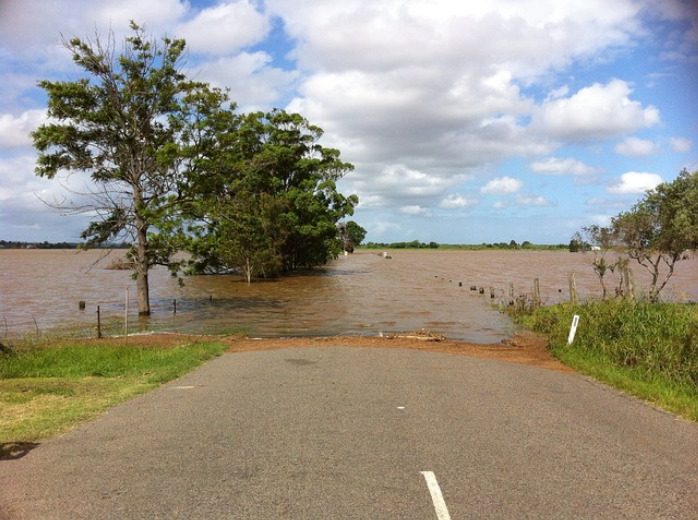
Understanding the potential contaminants in floodwater is vital. Floods can carry pathogens, chemicals, and debris that may compromise water safety. After a flood, it is common for municipal water systems to be affected, so checking local advisories for water quality updates is critical. Additionally, using home testing kits can help assess water safety before consumption.
A common mistake is assuming that all water sources are safe post-flood. Even seemingly clean water can harbor harmful bacteria or toxins. Therefore, it is essential to utilize reliable purification methods and stay informed about local water safety advisories. Prioritize immediate access to safe drinking water and avoid using sources that may be contaminated.
Identifying Safe Water Sources
Identifying safe water sources after flooding is the first step to securing clean drinking water. Look for bottled water, water from municipal supplies that are declared safe, or natural sources like springs that are not contaminated by floodwaters. Always avoid standing water or water from wells that have been flooded.
Municipal water supplies may be tested and treated to ensure safety, but these systems can also be compromised during flooding. In such cases, checking with local authorities for water quality updates is crucial. If municipal water is unavailable or deemed unsafe, consider using bottled water or other certified sources.
When assessing natural sources, it’s important to consider their proximity to flooded areas. Water from streams or rivers that have been affected by flooding should be treated with caution, as they can carry contaminants. Always prioritize tested and treated sources when making drinking water choices.
Purification Methods for Floodwater
When clean drinking water is scarce, purifying floodwater can become necessary. Effective purification methods include boiling, chemical treatment, and filtration. Boiling water for at least one minute kills most pathogens, making it one of the simplest and most effective methods.
Alternatively, chemical treatment with chlorine tablets or iodine can be used. These methods are particularly useful when boiling is not possible. Filtration systems designed to remove bacteria and other contaminants can also be effective, but it’s crucial to ensure they are rated for such use.
It is essential to follow the manufacturer’s instructions for any purification method used. Additionally, combining methods, such as filtering followed by boiling, can enhance safety and ensure better drinking water quality.
Monitoring Water Quality
Regularly monitoring water quality is essential after flooding. Use home testing kits to check for contaminants such as bacteria, nitrates, and heavy metals. These kits can provide immediate feedback on water safety, allowing for informed decisions about drinking water.
Stay informed by checking local advisories and updates from health departments regarding water quality. Understanding the specific contaminants present in your area can guide your purification efforts and ensure safe drinking water.
It is wise to retest water periodically, especially if conditions change or new flooding occurs. Being proactive about water quality can prevent health issues and ensure access to safe drinking water.
Common Mistakes to Avoid
A common mistake people make after flooding is assuming that all water is safe. Even clear water can be contaminated, so it’s important to treat all water sources as potentially unsafe until proven otherwise. Another mistake is neglecting to monitor water quality regularly.
Skipping purification methods or relying solely on boiling without considering other treatment options can lead to health risks. Always combine methods for better safety. Additionally, failing to check local water quality reports can leave individuals unaware of contamination issues that may affect their drinking water supply.
Prioritizing safety and staying informed are key to avoiding these pitfalls. Always err on the side of caution when it comes to drinking water after flooding.
Further Reading
For more in-depth information, consider reviewing the following resources:
Authoritative Sources
CDC: Drinking Water After a Disaster cdc.gov
This resource provides guidelines on how to ensure safe drinking water during emergencies
EPA: Water Safety During Natural Disasters epa.gov
Offers comprehensive information on assessing and securing safe water during floods and other disasters
Red Cross: Emergency Water Safety redcross.org
Details methods for treating water and ensuring access to clean drinking water in emergencies
WHO: Drinking Water Quality who.int
Provides global standards and practices for ensuring safe drinking water
Frequently Asked Questions
What should I do immediately after a flood regarding drinking water?
Immediately check for local advisories about water safety, avoid using tap water, and prioritize bottled or treated water sources.
How can I tell if my water is safe to drink?
Use home testing kits for contaminants or rely on local health department updates about water quality.
Is boiling water enough to make it safe?
Boiling water for at least one minute effectively kills most pathogens, but combining methods can enhance safety.
Can I use water from a well after flooding?
Avoid using well water until it has been tested for contaminants, as flooding can compromise its safety.
What are the signs of water contamination?
Signs include unusual color, odor, or taste, as well as visible debris or sediment in the water.
Conclusion
Securing clean drinking water after flooding involves identifying safe sources, employing effective purification methods, and regularly monitoring water quality. It is crucial to avoid common mistakes, such as assuming all water is safe. By prioritizing safety and staying informed, individuals can ensure they have access to safe drinking water, protecting their health and well-being during challenging times.
Moreover, the stakes of a supply chain breakdown extend beyond mere logistical challenges; they can affect a company’s reputation and market position. For instance, a prolonged delay in product availability can lead to lost sales and customer trust. Businesses must prioritize developing robust contingency plans that not only address immediate recovery but also incorporate long-term resilience strategies.
It’s common for organizations to underestimate the probability of supply chain disruptions, assuming that their current systems will remain uninterrupted. This leads to a lack of preparedness that can exacerbate the impact of any breakdown. To avoid such pitfalls, companies should regularly assess their supply chain risks and invest in technologies that enhance visibility and flexibility.
Understanding the Causes of Supply Chain Breakdowns
Temporary breakdowns in supply chains can arise from various sources. Natural disasters, such as hurricanes or earthquakes, can disrupt transportation and production facilities. Geopolitical unrest, trade disputes, and pandemics also contribute to supply chain vulnerabilities. Additionally, unexpected demand surges can strain existing supply capacities, leading to shortages.
When assessing the causes, businesses often overlook the interconnectedness of global supply chains. A disruption in one region can have ripple effects across multiple suppliers and industries. For example, a factory closure in one country can delay shipments worldwide, highlighting the importance of understanding global dependencies.
Companies need to conduct thorough risk assessments that consider both internal and external factors. Ignoring potential vulnerabilities can lead to inadequate response strategies during a crisis. Prioritizing proactive measures will ensure that organizations are better equipped to handle disruptions when they occur.
The Impact of Temporary Supply Chain Disruptions
The immediate impact of supply chain disruptions includes delays in product availability and increased operational costs. Such delays can lead to customer dissatisfaction, lost sales, and ultimately a decline in market share. Moreover, the longer the disruption lasts, the more severe the consequences become, as companies struggle to meet contractual obligations.
Financially, the costs associated with expedited shipping to compensate for delays can significantly affect profit margins. Additionally, companies may face penalties for not meeting delivery deadlines, further straining financial resources. Understanding the broader implications of these disruptions is vital for strategic planning.
Organizations must evaluate both short-term and long-term impacts. While immediate financial losses are evident, the potential damage to brand reputation can have lasting effects on customer loyalty. Engaging in transparent communication with stakeholders during disruptions can mitigate some of these reputational risks.
Mitigation Strategies for Supply Chain Resilience
To enhance resilience against supply chain breakdowns, organizations should develop comprehensive mitigation strategies. These may include diversifying suppliers across different geographical locations to reduce dependency on a single source. Building strong relationships with multiple suppliers can provide flexibility during disruptions.
Investing in technology, such as supply chain management software, can improve visibility and facilitate better decision-making. Real-time data analytics can help companies anticipate potential disruptions and react swiftly. Additionally, maintaining safety stock levels can buffer against unforeseen demand spikes.
Prioritizing collaboration with suppliers and stakeholders is crucial for creating a resilient supply chain. Regularly reviewing and updating contingency plans will ensure that businesses can adapt to changing circumstances effectively. Understanding what works in practice is essential for mitigating risks and maintaining operational continuity.
Further Reading
Authoritative Sources
Supply Chain 247 supplychain247.com
A valuable resource for the latest trends and insights in supply chain management
McKinsey & Company mckinsey.com
Offers research reports and articles on supply chain resilience and strategies
Gartner gartner.com
Provides insights and analysis on supply chain risks and management practices
Frequently Asked Questions
What are common causes of supply chain breakdowns?
Common causes include natural disasters, geopolitical tensions, labor strikes, and unexpected spikes in demand.
How can businesses prepare for supply chain disruptions?
Businesses can prepare by diversifying suppliers, maintaining safety stock, and investing in supply chain visibility technologies.
What are the financial impacts of supply chain disruptions?
Financial impacts include increased operational costs, lost sales, and potential penalties for missed delivery deadlines.
How long can supply chain disruptions last?
The duration of disruptions varies widely, from days to months, depending on the severity of the cause and the effectiveness of response strategies.
What role does communication play during supply chain disruptions?
Effective communication with stakeholders can help manage expectations and mitigate reputational damage during disruptions.
Conclusion
To wrap up, temporary supply chain breakdowns can significantly impact businesses, leading to delays, increased costs, and potential reputational damage. To navigate these challenges effectively, organizations must prioritize risk assessment, develop robust contingency plans, and invest in technology that enhances supply chain visibility. By understanding the causes and impacts of disruptions, companies can implement effective mitigation strategies that ensure resilience and operational continuity. Moving forward, a proactive approach will be essential for thriving in an increasingly complex supply chain landscape.
Understanding the potential causes for responders being unable to reach your area can help prioritize actions. Natural disasters, severe weather conditions, or infrastructural damage can hinder access. In such cases, knowing your resources and community capabilities is essential. You may need to rely on local support networks, including neighbors and community groups, to share resources and information.
A common mistake is underestimating the importance of preparation. Many people assume help will arrive quickly, but this may not be the case. Establishing a plan before an emergency occurs can significantly improve your ability to cope. Focus on assembling supplies, creating a safe shelter, and learning basic survival skills.
Assessing Your Situation and Safety
The first step when emergency responders cannot reach your area is to evaluate the immediate safety of your environment. Look for hazards such as downed power lines, flooding, or structural damage that could pose risks. If you feel unsafe, move to a secure location within your home or community.
It’s essential to communicate your status to others if possible. Use your phone or other communication devices to reach out to family or friends and inform them of your situation. This can help ensure someone is aware of your whereabouts and can assist you if needed.
A critical aspect of assessing your surroundings is to stay calm and focused. Panic can lead to poor decision-making. Take a moment to breathe and think through your options. Prioritize actions that keep you safe and informed.
Gathering Essential Supplies
Once you have assessed your safety, the next step is to gather essential supplies. This includes food, water, medical supplies, and any necessary personal items. Aim to have at least a three-day supply of non-perishable foods and a gallon of water per person per day.
When collecting supplies, consider your specific needs and those of your family members. For example, if someone has dietary restrictions or requires medications, ensure those items are included in your emergency kit. Additionally, include tools such as flashlights, batteries, and a first-aid kit.
One common oversight is failing to rotate supplies regularly. Check expiration dates and replace items as needed to ensure your emergency kit remains useful. Also, keep your supplies in a designated area that is easily accessible during an emergency.
Establishing Communication
Establishing effective communication is crucial when emergency responders cannot reach your area. If traditional communication methods fail, look for alternative options. Battery-powered radios can provide updates on the situation and instructions from local authorities.
Consider setting up a communication plan with neighbors, including designated meeting points and check-in times. This can help ensure everyone is accounted for and can share resources or information as needed. Also, utilize social media or community boards to stay connected.
Many people overlook the importance of having multiple communication methods. Relying solely on one device can lead to missed information. Diversify your communication strategies to enhance your chances of staying informed.
Creating a Self-Sufficient Plan
Creating a self-sufficient plan is vital when emergency responders cannot reach your area. This plan should outline how you will secure food, water, shelter, and medical care until help arrives. Identify local resources, such as community centers or shelters, that may offer assistance.
Incorporate basic survival skills into your plan, including how to purify water, cook without electricity, and administer first aid. Knowledge of these skills can significantly increase your self-reliance during an emergency.
A common mistake is failing to practice the self-sufficient plan. Regularly review and rehearse your plan with family members to ensure everyone knows their roles and responsibilities. This preparation can reduce anxiety and enhance your ability to respond effectively.
Further Reading
Authoritative Sources
Ready.gov ready.gov
This resource provides comprehensive information on emergency preparedness and response strategies
American Red Cross Emergency Preparedness redcross.org
Offers guidelines on creating emergency plans and assembling necessary supplies
FEMA fema.gov
Provides resources for disaster preparedness, including tips for self-sufficiency during emergencies
CDC Emergency Preparedness cdc.gov
Information on health-related emergencies and how to prepare effectively
Frequently Asked Questions
What should I prioritize if emergency responders can’t reach my area?
Prioritize assessing your safety, gathering essential supplies, establishing communication with neighbors, and creating a self-sufficient plan.
How can I ensure I have enough food and water?
Aim for at least a three-day supply of non-perishable foods and one gallon of water per person per day.
What communication methods should I use?
Use battery-powered radios, establish a plan with neighbors, and utilize social media or community boards for updates.
What survival skills should I learn?
Learn skills like water purification, cooking without electricity, and basic first aid to enhance self-sufficiency during emergencies.
Why is it important to practice my emergency plan?
Practicing your emergency plan ensures everyone knows their roles, reduces anxiety, and improves response effectiveness.
Conclusion
To wrap up, when emergency responders cannot reach your area, taking proactive steps is essential for your safety and well-being. Prioritize assessing your situation, gathering supplies, establishing communication, and creating a self-sufficient plan. By preparing in advance and practicing your plan, you enhance your ability to cope effectively during emergencies. Stay informed, remain calm, and work together with your community to navigate challenging situations.
When considering food preservation without power, it’s essential to weigh the strengths and limitations of each method. For instance, canning requires some upfront investment in equipment and ingredients but can store a variety of foods effectively. Dehydration is relatively simple and can be done using solar energy, but it requires careful monitoring to achieve the right moisture levels. Fermentation offers unique flavors and health benefits, but it demands precise conditions and a bit of patience. The choice among these methods depends on your specific needs, available resources, and the type of food you wish to preserve.
Common mistakes include underestimating the importance of cleanliness during canning, which can lead to spoilage or foodborne illness. Additionally, not using the right containers or failing to monitor temperature and humidity can compromise the effectiveness of dehydration and fermentation. Prioritizing proper techniques and understanding the science behind each method will significantly enhance your success in preserving food without power.
Canning: A Reliable Preservation Method
Canning is one of the most effective ways to preserve food for long periods without refrigeration. This process involves sealing food in jars and heating them to kill bacteria, yeasts, and molds that cause spoilage. Proper canning techniques can extend the shelf life of fruits, vegetables, and even meats.
It’s crucial to follow the correct canning process, which includes sterilizing jars and lids, using the appropriate pressure canner for low-acid foods, and ensuring jars are sealed properly. Many people overlook the importance of using tested recipes from reliable sources, which can lead to spoilage or safety issues. Investing in a good canning guide can help ensure successful outcomes.
One common pitfall is not allowing enough time for cooling, which can affect the seal integrity. Always check seals before storing jars to avoid wasted effort. Prioritize learning the science behind canning to optimize your preservation efforts.
Dehydration: Simple and Effective
Dehydration is a straightforward method of preserving food by removing moisture, which inhibits the growth of spoilage organisms. This method can be performed using dehydrators, ovens, or even solar energy, making it versatile for various situations.
When dehydrating, it’s essential to slice foods uniformly to ensure even drying. Monitoring the temperature and humidity levels is vital to avoid over or under-drying, which can affect flavor and texture. It’s also important to store dehydrated foods in airtight containers to prevent moisture re-entry.
Many people fail to account for the rehydration process when planning meals. Understanding how to properly rehydrate foods can enhance their taste and usability. Prioritize experimenting with different foods and methods to find what works best for you.
Fermentation: Health Benefits and Flavor
Fermentation is an ancient preservation technique that not only extends the shelf life of food but also enhances its nutritional value and flavor. This process involves the conversion of sugars into acids or alcohol by beneficial microorganisms.
For successful fermentation, it’s crucial to maintain a clean environment and use the right proportions of salt and water. Many individuals overlook the need for specific temperatures and conditions that different foods require for optimal fermentation. Keeping a close eye on the process can prevent spoilage and ensure the desired flavor profile.
One common mistake in fermentation is not tasting the food regularly. This helps gauge the fermentation process and determine when it reaches the desired flavor. Prioritize patience and experimentation to fully appreciate the benefits of this method.
Using Root Cellars for Long-Term Storage
Root cellars are an excellent way to store fruits and vegetables without power, utilizing natural coolness and humidity levels to maintain freshness. This method has been used for centuries and can significantly extend the storage life of produce.
When setting up a root cellar, it’s essential to consider factors like ventilation, moisture control, and temperature regulation. Many people fail to realize that not all vegetables store well together; for instance, apples emit ethylene gas that can spoil other produce. Understanding compatibility can enhance storage efficiency.
Common mistakes include overcrowding the cellar and neglecting to check on stored items regularly. Regular monitoring allows you to catch spoilage early and adjust conditions as needed. Prioritize organization and understanding of which vegetables store best and for how long to maximize your root cellar’s potential.
Further Reading
Authoritative Sources
National Center for Home Food Preservation nchfp.uga.edu
This resource offers comprehensive guides on safe canning and preserving techniques
The Fermentation Association fermentationassociation.org
A valuable source for learning about fermentation methods and recipes
University of Minnesota Extension extension.umn.edu
Provides information on root cellaring and various preservation methods
Frequently Asked Questions
What foods can be preserved without power?
Foods like fruits, vegetables, meats, and dairy can be preserved using methods like canning, dehydration, fermentation, and root cellaring.
How long can canned food last without refrigeration?
Properly canned food can last for years without refrigeration, as long as the jars remain sealed and stored in a cool, dark place.
Is it safe to eat fermented foods?
Yes, fermented foods are safe to eat when prepared correctly, as beneficial bacteria help prevent spoilage.
What are the best vegetables for root cellaring?
Vegetables like carrots, potatoes, and beets are ideal for root cellaring due to their storage longevity and resistance to spoilage.
How can I tell if dehydrated food is done?
Dehydrated food should be brittle and break easily; moisture should not be present. Conduct a taste test to ensure it meets your preference.
Conclusion
Preserving food without power is not only feasible but also a valuable skill that can enhance food security. By mastering methods such as canning, dehydration, fermentation, and using root cellars, you can ensure that your food remains safe and nutritious even in the absence of refrigeration. Prioritize understanding the nuances of each technique to avoid common pitfalls and maximize your preservation efforts. Start experimenting with these methods today to build your confidence and knowledge in food preservation.
Understanding the risks and limitations of water sources in disaster scenarios is vital. Natural sources, while often available, can be contaminated by environmental factors or human activity. For instance, heavy rainfall can wash pollutants into streams, making them unsafe. It’s essential to assess the surrounding area for signs of contamination and prioritize water sources that are less likely to be affected.
A common mistake people make is assuming that all natural water sources are safe. Many overlook the potential for contamination and fail to purify water before use. Always carry purification tablets or a portable water filter to treat water from uncertain sources. Additionally, consider the logistics of accessing these water sources during a disaster and have a backup plan in place.
Recognizing Safe Water Sources
Safe water sources can be identified based on clarity, location, and flow. Clear, flowing water from rivers or streams is often safer than still water, which can harbor bacteria and other pathogens. Ideally, look for sources that are upstream from potential contaminants, such as farms or industrial areas.
Prioritize sources that are protected from direct contamination. For instance, a stream that runs through a forest is likely to be cleaner than one that flows through populated areas. Always assess the surrounding environment and avoid areas that show signs of pollution.
Additionally, be aware of seasonal changes that could affect water quality. Heavy rains can lead to runoff that contaminates water sources, making it essential to check conditions frequently. Keeping a portable water testing kit can help determine the safety of a water source.
Methods of Water Purification
Purification is essential for ensuring the safety of water collected from natural sources. The most common methods include boiling, filtration, and chemical treatment. Boiling water for at least one minute is one of the most effective ways to kill pathogens.
Portable water filters can remove many contaminants, but not all filters are created equal. Check the specifications to ensure they are capable of filtering out viruses, bacteria, and parasites. Chemical treatments, such as iodine or chlorine tablets, are also effective but require time to work, so plan accordingly.
When using any purification method, consider the water’s turbidity. If the water is cloudy, pre-filter it using a cloth or coffee filter to remove larger particles before purifying. This step can improve the effectiveness of your purification method.
Common Contaminants to Avoid
Understanding what contaminants to watch for is critical when sourcing water during a disaster. Common contaminants include bacteria, viruses, chemicals, and heavy metals. Fecal contamination is a significant concern, especially near populated areas.
Be cautious of water sources near agricultural areas, where pesticides and fertilizers may leach into waterways. Industrial runoff can introduce harmful chemicals into nearby water sources, making them unsafe to drink. Always evaluate the surrounding environment for signs of pollution.
Remember that even if water appears clean, it may still contain harmful pathogens. Always treat water before consumption, regardless of its appearance. Regularly updating your knowledge on local contaminants can also help you make informed decisions.
Planning for Water Accessibility
Effective planning is essential for ensuring access to safe water during disasters. Identify potential water sources in your area and create a map that highlights their locations. Consider factors such as distance, accessibility, and the likelihood of contamination.
When planning for water access, think through potential scenarios. For instance, if roads are blocked, how will you reach your water sources? Have backup plans in place, such as alternative routes or additional water storage methods.
Additionally, consider investing in portable water storage solutions that allow you to transport clean water easily. This preparation can be invaluable when securing water from distant sources becomes necessary.
Further Reading
Authoritative Sources
Ready.gov ready.gov
Official U.S. preparedness guidance, checklists, and planning resources for households and emergencies.
FEMA fema.gov
Federal emergency management resources, disaster planning information, and recovery guidance.
American Red Cross Emergency Preparedness redcross.org
Practical emergency preparation steps, supply lists, and safety guidance for families.
National Weather Service weather.gov
Official forecasts, hazard alerts, and weather safety information.
CDC Emergency Preparedness and Response cdc.gov
Public health guidance for emergencies, disasters, and recovery situations.
Frequently Asked Questions
What are the first signs of unsafe water?
Unsafe water often appears cloudy, has a foul odor, or contains visible debris. Additionally, water sources near sewage or industrial sites are at higher risk of contamination.
How can I purify water if I have no access to boiling?
If boiling is not an option, use water purification tablets or filters designed to remove pathogens. Ensure to follow the manufacturer’s instructions for effective treatment.
Can I drink water from a river during a disaster?
Water from a river can be consumed if it is clear and flowing, but it must be purified first to eliminate harmful microorganisms and contaminants.
What is the safest way to store water for emergencies?
Store water in clean, food-grade containers. Keep them in a cool, dark place and rotate your supply every six months to ensure freshness.
How do I know if my water source is contaminated?
Regularly check for signs of pollution, such as unusual color, smell, or surrounding environmental hazards. Testing kits can also provide valuable information about water safety.
Conclusion
Identifying safe water sources during disasters is a critical skill that can significantly impact survival. Always prioritize clear, flowing water from less contaminated areas, and ensure to purify any water before consumption. Stay informed about potential contaminants and have a reliable plan for accessing clean water. By preparing in advance, you can enhance your resilience in the face of emergencies.