The world is facing a lot of problems right now. In many countries, people are becoming more divided and angry with each other. The signs of trouble are all around us.
In the United States, people are very divided politically. Some groups are even threatening violence because of their extreme beliefs. Experts worry that the country is close to a civil war, like the one that happened in the 1850s.
In other parts of the world, there are also serious issues. Some leaders are becoming more like dictators, and people are losing their freedoms. The gap between the rich and the poor is getting bigger. Climate change is making things worse, causing problems like lack of food and water, which can lead to more conflicts.
We are entering a time of big changes and challenges. The world as we know it is falling apart, and it’s uncertain what will replace it. It could be a very difficult and dangerous time.
But we shouldn’t just ignore these problems and hope they go away. We need to be prepared for what might happen. Here are four important steps you can take right now:
1. Make an emergency plan with your family. Decide how you will communicate, where you will meet, and what you will do in different situations.
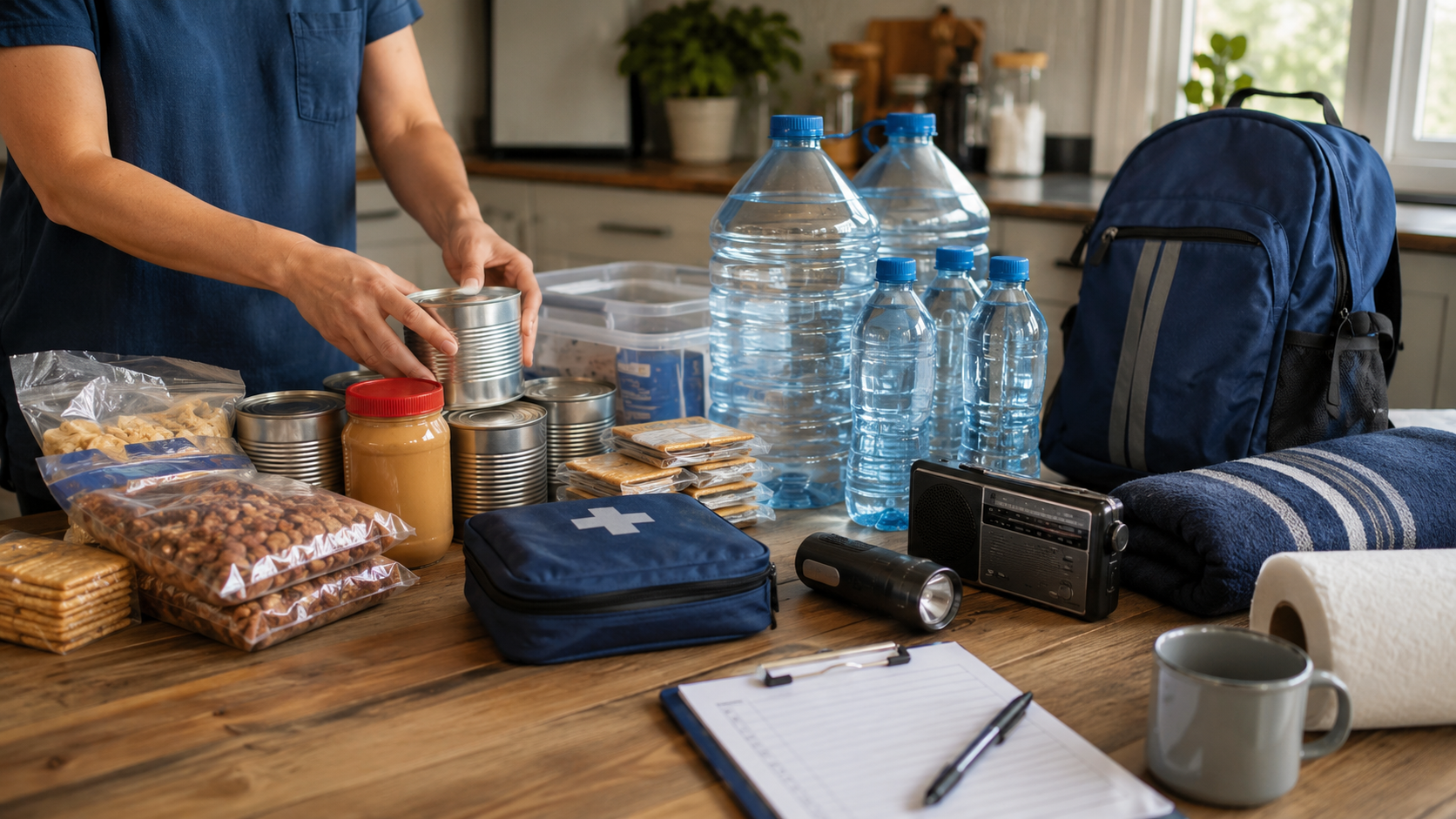
2. Gather supplies like food, water, medicine, and other essentials that you might need in case of disruptions. Aim to have enough for at least a few weeks.
3. Learn important skills that could be useful in a crisis, like first aid, self-defense, growing food, or fixing things.
4. Get to know your neighbors and community. Build relationships and networks of support so you can help each other during tough times.
In addition to being personally prepared, we also need to work together to address the bigger issues:
– Communities need to support each other, because we may not be able to rely on outside help.
– We need to be careful about false information and protect our rights and freedoms.
– To really fix these problems, we need to change the way our world works. We must address issues like inequality, climate change, and conflict.
There are definitely hard times ahead, and some really scary things could happen. But we still have a chance to make a difference.
Everything depends on what we do now, before things get even worse. If we face the truth, prepare ourselves, and work together, we can get through this challenging time and build a better world on the other side. There’s still hope, but we need to act now.
The Six Pillars of Preparedness: Your Fortress in an Uncertain World
In a world where chaos lurks around every corner, the wise know that preparedness is not just a virtue—it’s a necessity. To stand strong against the storms of uncertainty, one must build their fortress upon the unshakable foundation of the Six Pillars of Preparedness.
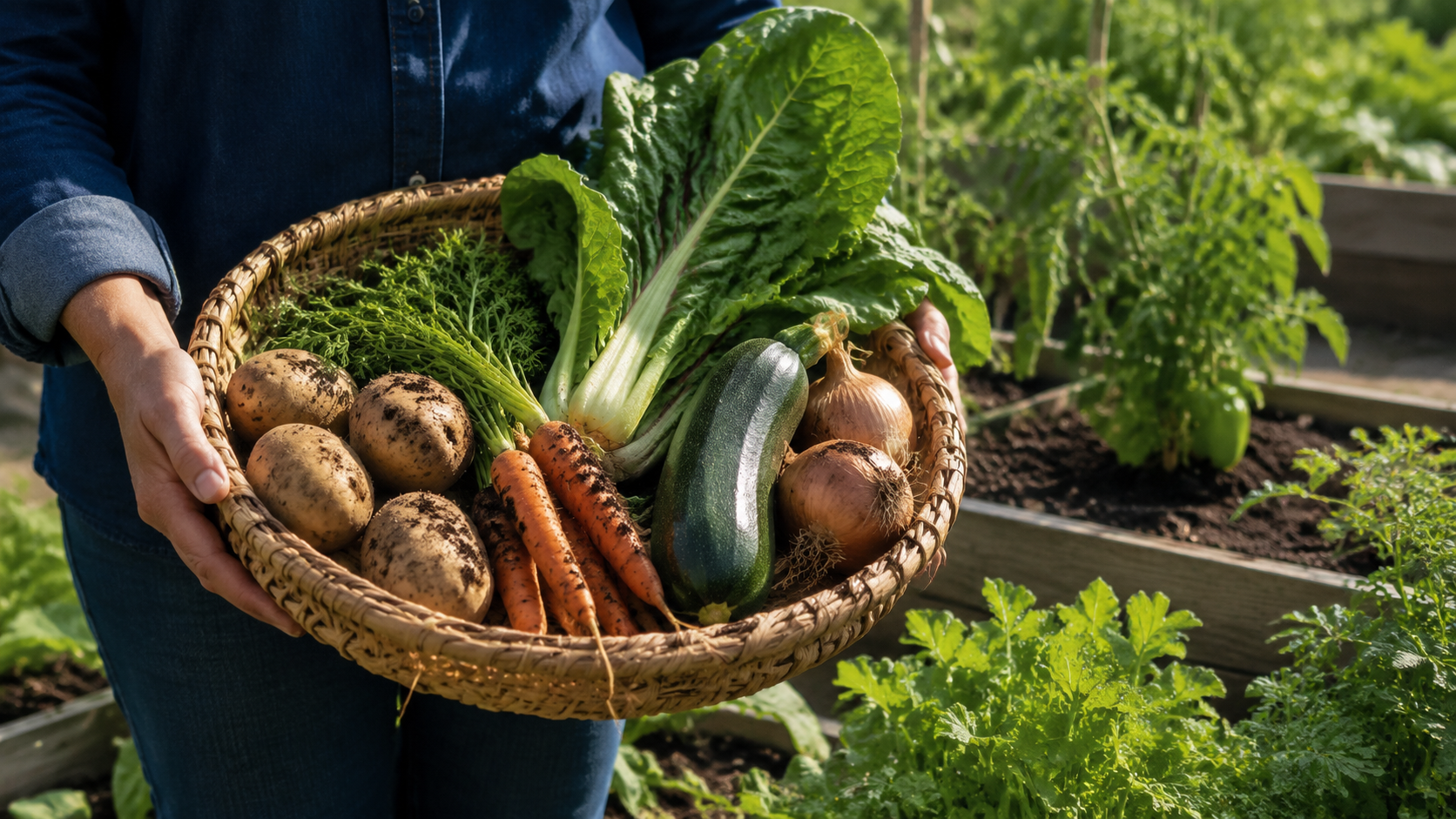
The first pillar, Sustenance and Water Security, is the bedrock of survival. Learn to harness the power of the earth through gardening and permaculture, ensuring a bountiful harvest even in the leanest of times. Master the art of water collection and purification, for when the taps run dry, the prepared shall still quench their thirst. And when the wild calls, the skill of foraging will be your compass, guiding you to nature’s hidden treasures.
Upon this pillar, we erect the second: Food Storage and Preservation. A well-stocked pantry is a bulwark against hunger, so stockpile with wisdom and strategy. But food is fleeting, so we must also wield the tools of preservation—canning, drying, and freezing—to stretch the bounty of today into the scarcity of tomorrow. And through diligent rotation, we keep our stores ever-ready, ever-fresh.
The third pillar, Medical Preparedness and First Aid, is our shield against the ravages of injury and disease. With first aid training, we become the calm in the center of the storm, ready to mend the broken and heal the sick. We turn to the wisdom of the earth, harnessing the power of natural remedies to fortify our bodies and minds. And with meticulously crafted emergency medical kits, we stand ever-ready to face the unexpected.
The fourth pillar, Home Safety, Security, and Communications, is our castle wall against the chaos outside. We fortify our homes, making them impregnable to those who would do us harm. In a world where the grid may falter, we ensure our lines of communication stand strong and true. And in an economy shaken to its core, we forge new paths, mastering the art of bartering and alternative exchange.
The fifth pillar, Energy Independence and Grid Resilience, is our beacon in the darkness. We harness the power of the sun, the wind, and the earth itself, crafting a web of alternative energy that cannot be broken. We shield our precious electronics against the specter of EMP, ensuring our lifelines stand firm. And through the art of conservation, we stretch our energy reserves to their utmost, making each precious drop count.
The final pillar, Community and Emotional Support, is the mortar that binds all the others together. In times of strife, we turn inward, mastering the arts of stress management and mindfulness to weather the tempest within. We forge unbreakable bonds with our families, learning to communicate and cooperate like a well-oiled machine. And we reach outward, building networks of support and exchange with our neighbors, for in unity there is strength.
Upon these Six Pillars of Preparedness, we build our fortress against the unknown. Let the storms rage and the world tremble; with these pillars as our foundation, we shall stand unshakable, unbreakable, and unbowed. For in preparedness lies not just survival, but the chance to thrive in the face of adversity. So let us raise these pillars high, and stand tall upon them—for the future belongs to those who are prepared.
Don’t Be a Prepper Frog: Avoiding the Slow Boil of Complacency
The old adage about boiling a frog is a powerful metaphor for the dangers of complacency. If you throw a frog into a pot of boiling water, it will instinctively jump out to save itself. However, if you place a frog in a pot of lukewarm water and gradually increase the heat, the frog will unwittingly adapt to the rising temperature until it’s too late. This analogy serves as a stark warning for those in the preparedness community who may have become too comfortable with the current state of affairs.
The Gathering Storm
The signs are all around us. Economic indicators point not just to a looming recession but to the potential for a global depression, with rising inflation, mounting debt, and the specter of widespread job losses threatening to destabilize global markets. Geopolitical tensions are escalating, with the war drums beating louder each day. The potential for major global conflicts looms on the horizon, conflicts that could disrupt supply chains, trigger resource scarcity, and fundamentally alter the fabric of our daily lives. What do you think your current job or the local grocery store will look like in the face of a major global war? Climate change is leading to more frequent and severe natural disasters, straining infrastructure and displacing populations. The convergence of these factors suggests that we are heading into uncharted territory, a perfect storm of crises that could test our resilience like never before.
The Lukewarm Climate:
In the wake of the global pandemic, many people have developed a false sense of security. They look back on the challenges faced during that time and think, “It wasn’t so bad.” They recall the short-term inconveniences of empty grocery store shelves and the rush to stockpile essentials like toilet paper. As a result, they believe that by throwing a few extra rolls of toilet paper in the closet and storing a couple of cans of beans, they are adequately prepared for any future crisis. This mindset is dangerously shortsighted.
The Slow Boil:
Just like the frog in the slowly heating water, we risk becoming desensitized to the warning signs around us. The steady stream of negative news, from economic instability to social unrest and geopolitical tensions, can gradually fade into background noise. We adapt to each new challenge, convincing ourselves that we will get through it just as we have before. However, this mindset fails to recognize that the heat is steadily increasing, and the water is getting hotter.
The Danger of Complacency:
Complacency is the enemy of preparedness. When we become too comfortable with the status quo, we lose our sense of urgency and fail to take proactive steps to protect ourselves and our loved ones. We may dismiss the need for comprehensive emergency plans, neglect to acquire essential skills, or fail to stockpile adequate supplies. This leaves us vulnerable to the very real possibility that tougher times are on the horizon.
In the face of these gathering storms, it is crucial that we remain vigilant and proactive. We cannot afford to be lulled into a false sense of security by the relative calm of the present moment. Instead, we must be mindful of the harsh reality that lies ahead and take steps to prepare accordingly. This means developing comprehensive emergency plans, acquiring essential skills, and stockpiling supplies to weather any potential crisis.
Building Resilience:
True preparedness goes beyond simply hoarding goods. It requires building resilience on multiple levels – physical, mental, and emotional. We must cultivate the skills and knowledge necessary to adapt to changing circumstances, from growing our own food to navigating off-grid scenarios. We must also cultivate mental and emotional resilience, developing the fortitude to face adversity head-on and maintain a positive mindset in the face of challenges.
Community Preparedness:
No one can go it alone in a crisis. Building strong, resilient communities is essential to weathering any storm. This means fostering connections with like-minded individuals, sharing knowledge and resources, and working together to create mutual support networks. By pooling our skills and resources, we can create a safety net that will help us all navigate the challenges ahead.
The Importance of Perspective:
It’s easy to become overwhelmed by the magnitude of the challenges we face. However, it’s important to maintain a sense of perspective. Throughout history, humanity has faced and overcome countless crises. We are resilient, adaptable creatures, capable of incredible feats of courage and ingenuity in the face of adversity. By drawing on this inner strength and working together, we can rise to meet any challenge that comes our way.
An Urgent Call to Action
The time to prepare is now. We cannot afford to be complacent, to assume that the relative calm of the present moment will last forever. We cannot expect that Government will rush to our rescue with bail-out resources and policies to protect our families. Certainly, we pray for our leaders and vote for those who share our values – but, the reality is that we need to take action to prepare our families for the looming difficulties. We must heed the warning signs and take proactive steps to build our resilience and prepare for the challenges ahead. This means developing comprehensive emergency plans, acquiring essential skills, stockpiling supplies, building strong communities of mutual support, and conducting honest assessments of our current state of readiness.
The Family Preparedness Audit
One crucial step in the preparedness journey is conducting a family preparedness audit. This involves taking a hard, honest look at your current state of readiness and identifying areas for improvement. Ask yourselves questions like: Do we have enough food, water, and essential supplies to sustain us for an extended period? Do we have the skills and knowledge necessary to adapt to off-grid living if needed? Have we developed a comprehensive emergency plan that accounts for various scenarios? By conducting this audit and addressing any gaps in your preparedness, you can ensure that your family is as resilient as possible in the face of any crisis.
To wrap up: The analogy of the boiling frog serves as a powerful reminder of the dangers of complacency. We cannot afford to be lulled into a false sense of security by the lukewarm climate of the present moment. Instead, we must be mindful of the gathering storms on the horizon and take proactive steps to prepare. By building our resilience, cultivating essential skills, working together as communities, and honestly assessing our current state of readiness, we can weather any crisis that comes our way. The time to act is now, before the water gets too hot and it’s too late to jump out of the pot. Don’t be a prepper frog – be a resilient, proactive member of the preparedness community, ready to face whatever challenges lie ahead.
In a world where uncertainty looms and the threat of natural disasters is ever-present, it’s crucial to be prepared for any situation. While modern medicine has made tremendous advancements, access to traditional healthcare resources may be limited during a crisis. This is where the ancient wisdom of herbal remedies comes into play. By turning to the power of nature and equipping ourselves with the knowledge of medicinal plants, we can build resilience and maintain our health even in the most challenging of times.
The Importance of Natural Remedies in Disaster Preparedness: When disaster strikes, the infrastructure we rely on can be compromised, leaving us without access to conventional medical supplies and support. In such scenarios, having a deep understanding of herbal remedies can be a lifesaving skill. Our ancestors relied on the healing properties of plants for centuries, using them to treat a wide range of ailments and promote overall well-being. By tapping into this ancient wisdom, we can become self-sufficient and better prepared to face adversity.
Building Your Medicinal Garden
One of the most empowering steps you can take in your disaster preparedness journey is to cultivate your own medicinal garden. Start by researching the plants that thrive in your local climate and have a history of medicinal use. Some essential herbs to consider include:
Echinacea – Known for its immune-boosting properties, echinacea can help strengthen your body’s natural defenses against illness.
Willow Bark – Containing salicin, a compound similar to aspirin, willow bark has been used for centuries to alleviate pain and reduce inflammation.
Lavender – This fragrant herb is renowned for its calming effects, helping to reduce stress and promote relaxation during times of upheaval.
Calendula – With its antimicrobial and wound-healing properties, calendula is a valuable addition to any medicinal garden.
Peppermint – Peppermint can soothe digestive issues, alleviate headaches, and provide a refreshing boost of energy when needed.
By nurturing these plants in your own backyard, you’ll have a reliable source of natural remedies at your fingertips, ready to support you and your loved ones during a crisis.
Having a thriving medicinal garden is just the first step. To truly harness the power of these plants, it’s essential to learn how to prepare them effectively. From teas and tinctures to salves and poultices, each method of preparation offers unique benefits and applications. Take the time to study the proper techniques for harvesting, drying, and storing your herbs to ensure their potency and longevity.
Engaging in workshops, reading herbal medicine books, and connecting with experienced herbalists can deepen your understanding of these natural remedies. As you gain confidence in your skills, you’ll be better equipped to address a variety of health concerns, from minor cuts and bruises to more complex issues like respiratory infections and digestive distress.
The Mind-Body Connection:
In times of crisis, our mental and emotional well-being is just as important as our physical health. Herbal remedies can play a significant role in promoting a sense of calm and resilience. Herbs like chamomile, lemon balm, and passionflower have been used for centuries to ease anxiety, promote restful sleep, and support the nervous system.
Incorporating these herbs into your daily routine, whether through tea, tinctures, or aromatherapy, can help you maintain a sense of balance and inner peace, even in the face of adversity. By nurturing your mind-body connection, you’ll be better equipped to navigate the challenges that come your way.
Building Community Resilience:
The knowledge of herbal remedies is a valuable resource not just for yourself, but for your entire community. By sharing your expertise and empowering others with the skills to use medicinal plants, you can contribute to the collective resilience of your neighborhood, town, or city.
Consider organizing workshops, starting a local herb study group, or volunteering to teach herbal medicine classes at community centers or schools. By fostering a network of individuals who are knowledgeable about natural remedies, you’ll be creating a safety net that can support everyone during times of crisis.
Conclusion:
In a world where disaster can strike at any moment, being prepared is not just a choice, but a necessity. By embracing the power of herbal remedies and cultivating a deep connection with the natural world, we can equip ourselves with the tools to maintain our health and well-being, no matter what challenges we face.
So let us step into our gardens, dig our hands into the soil, and nurture the plants that have the potential to heal and sustain us. Let us learn the ancient wisdom of herbal medicine and share that knowledge with our communities. In doing so, we’ll be building a foundation of resilience that can weather any storm.
Remember, in times of crisis, be prepared, be empowered, and be natural. The power to heal lies within the earth, and within ourselves. Let us harness that power and create a future where we can thrive, no matter what the world may bring.
In an age where headlines are dominated by a relentless barrage of crises, from natural disasters to economic upheavals and global pandemics, the concept of preparedness has taken center stage. However, as the public is bombarded with a constant stream of doomsday scenarios and survival conspiracies, a new and insidious threat has emerged: preparedness complacency. This phenomenon, characterized by a growing apathy towards genuine threats and a dismissive attitude towards the importance of readiness, is quietly eroding our collective resilience and leaving us vulnerable to the very disasters we seek to mitigate.
At the heart of this issue lies the over-saturation of crisis mode thinking. With each passing day, we are inundated with a cacophony of alarming headlines, dire predictions, and sensationalized accounts of impending doom. From climate change and economic collapses to asteroid impacts and zombie apocalypses, the sheer volume and variety of potential catastrophes have become overwhelming. As a result, many individuals have become desensitized to the genuine risks that threaten our communities, dismissing them as just another doomsday scenario in an endless sea of speculation.
The Allure of Survival Conspiracies
This desensitization is further compounded by the proliferation of survival conspiracies and fringe theories that have gained traction in recent years. Fueled by social media echo chambers and a mistrust of traditional institutions, these conspiracies often paint a picture of hidden agendas, government cover-ups, and nefarious plots that aim to control or deceive the masses. While some of these theories may contain grains of truth, they are often distorted, exaggerated, and divorced from reality, leading to a distorted perception of the true nature of the threats we face.
The danger of this over-saturation and conspiracy-driven narrative is that it breeds a sense of helplessness and resignation among the public. When faced with an unrelenting barrage of doomsday scenarios, many individuals begin to feel that preparedness is a futile endeavor, that no matter what steps they take, they will ultimately be powerless in the face of an inevitable catastrophe. This defeatist mentality can lead to a dangerous apathy, where individuals abandon even the most basic preparedness measures, leaving themselves and their communities vulnerable to the very disasters they fear.
The Pitfalls of Complacency: Lessons from the Pandemic
A stark example of the consequences of preparedness complacency can be seen in the recent global pandemic. Despite years of warnings from public health experts and the existence of extensive preparedness plans, many communities found themselves woefully unprepared when the crisis struck. Grocery store shelves were stripped bare, essential supplies like toilet paper became scarce, and families were left scrambling to secure basic necessities.
This lack of readiness, even in the face of an impending crisis, highlights the insidious nature of preparedness complacency. The over-saturation of crisis mode thinking and the proliferation of survival conspiracies had created a false sense of security, leading many to believe that they were adequately prepared for any eventuality. However, when the reality of the pandemic hit, it became clear that our collective complacency had left us vulnerable and exposed.
Cultivating a Balanced Approach to Preparedness
To combat this dangerous trend of preparedness complacency, it is essential that we adopt a more balanced and measured approach to crisis readiness. Rather than succumbing to the allure of sensationalized doomsday scenarios and fringe conspiracies, we must focus on evidence-based risk assessments and practical preparedness strategies. This requires a concerted effort to cut through the noise and disinformation, seeking out reliable sources of information and expert guidance.
One key aspect of this balanced approach is the cultivation of a resilient mindset. Rather than viewing preparedness as a one-time event or a response to a specific threat, we must recognize it as an ongoing process of adaptation and self-reliance. By fostering a culture of preparedness that emphasizes personal responsibility, community collaboration, and mental fortitude, we can inoculate ourselves against the apathy and resignation that threaten to undermine our collective resilience.
At the individual level, this means taking proactive steps to educate ourselves about the genuine risks we face and developing practical skills and knowledge to mitigate them. This can include learning basic first aid, familiarizing ourselves with local emergency response plans, and maintaining a well-stocked emergency kit. By taking ownership of our own preparedness, we can regain a sense of control and empowerment, even in the face of uncertain times.
Refocusing Our Efforts: Building Community Resilience
To truly overcome the perils of preparedness complacency, we must refocus our efforts on building community resilience. This involves fostering a sense of solidarity and mutual support, where individuals and communities work together to pool resources, share knowledge, and develop robust systems that can withstand the impacts of crises.
By organizing community preparedness workshops, participating in local emergency response drills, and advocating for policies that prioritize disaster risk reduction, we can create a culture of readiness that extends beyond individual households. This collaborative approach not only enhances our collective capacity to respond to disasters but also helps to combat the sense of isolation and helplessness that can fuel complacency.
Furthermore, it is crucial that we approach preparedness with a critical eye, questioning the validity of the information we encounter and seeking out diverse perspectives. By cultivating a healthy skepticism towards sensationalized claims and conspiracy theories, we can avoid falling prey to the fear and paranoia that undermine effective preparedness efforts. Instead, we must rely on evidence-based practices and the expertise of credible sources, such as scientific institutions, emergency management agencies, and reputable media outlets.
Conclusion: Embracing a New Era of Preparedness
In a world where crises are an inevitable part of the human experience, preparedness is not a luxury, but a necessity. The recent pandemic has served as a powerful reminder of the dangers of complacency and the importance of proactive, community-oriented readiness. By recognizing the pitfalls of over-saturation and conspiracy-driven narratives, and refocusing our efforts on practical skills, mental resilience, and collaborative action, we can build a culture of preparedness that is grounded in reality and empowers us to face the challenges ahead with confidence and resolve.
As we move forward, let us embrace a new era of preparedness – one that is characterized by a balanced, evidence-based approach, a strong sense of community, and an unwavering commitment to building a more resilient future. Only by working together, staying vigilant, and continually adapting to the evolving landscape of risks, can we truly safeguard ourselves, our families, and our communities from the perils of complacency and ensure that we are ready to weather any storm that comes our way.