Recovering to Normal After a Disaster Preparedness Event: Positive and Negative Lessons We Learned Following the Global Pandemic
Table of Contents
Introduction
Positive Lessons Learned
Enhanced Preparedness and Resource Management
Community Resilience and Support Systems
Innovation in Healthcare and Technology
Negative Lessons Learned
Supply Chain Vulnerabilities
Mental Health Impacts and Social Isolation
Misinformation and Public Trust
Frequently Asked Questions (FAQ)
Introduction
The global pandemic was a wake-up call that forced many of us to rethink our approach to disaster preparedness. For individuals and families, the experience was both challenging and eye-opening. We were pushed to our limits, but we also discovered new strengths and weaknesses in how we handle crises. This article aims to reflect on the lessons we learned—both positive and negative—to help you and your family prepare better for future difficulties.
Positive Lessons Learned
Enhanced Preparedness and Resource Management
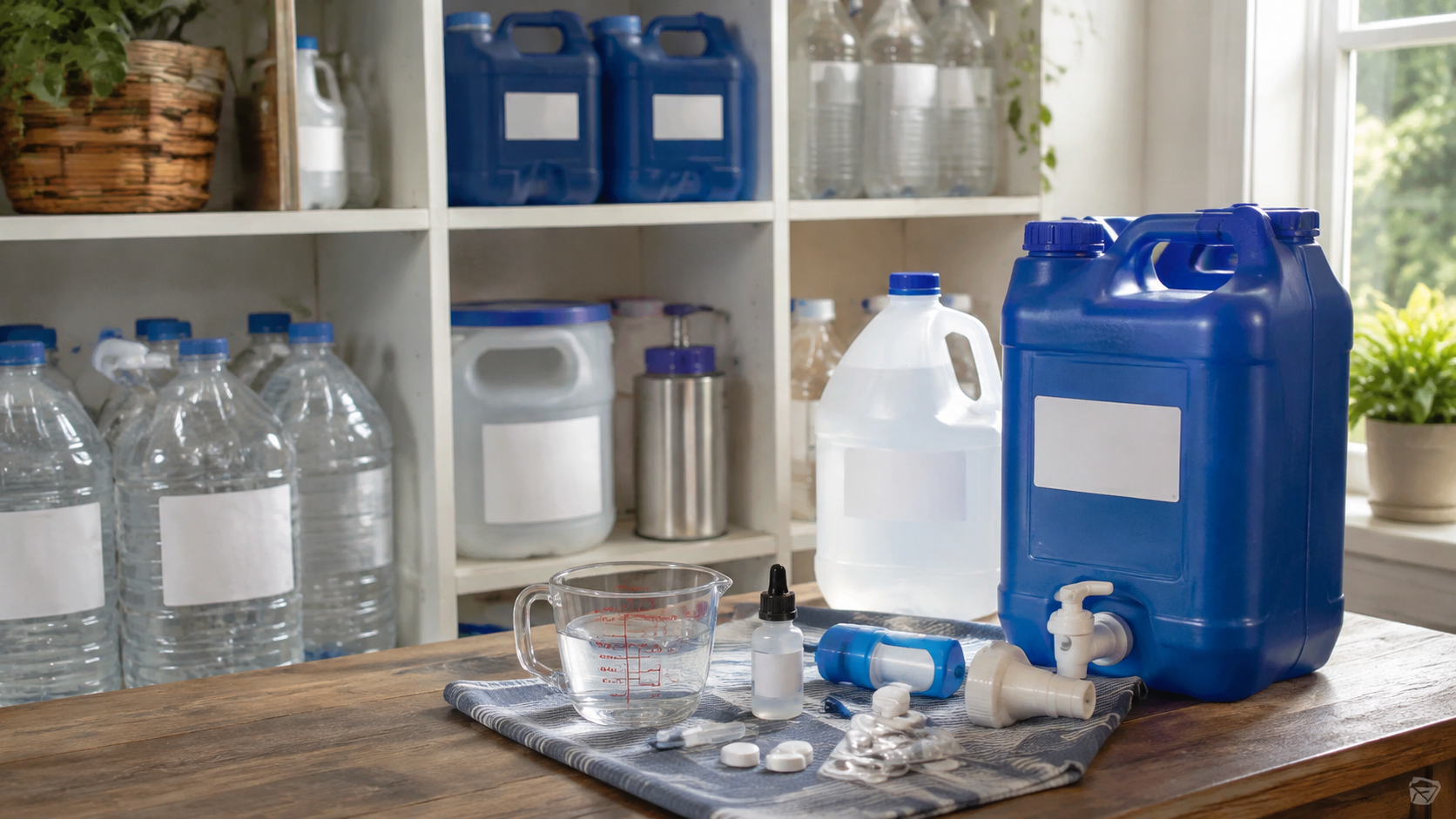
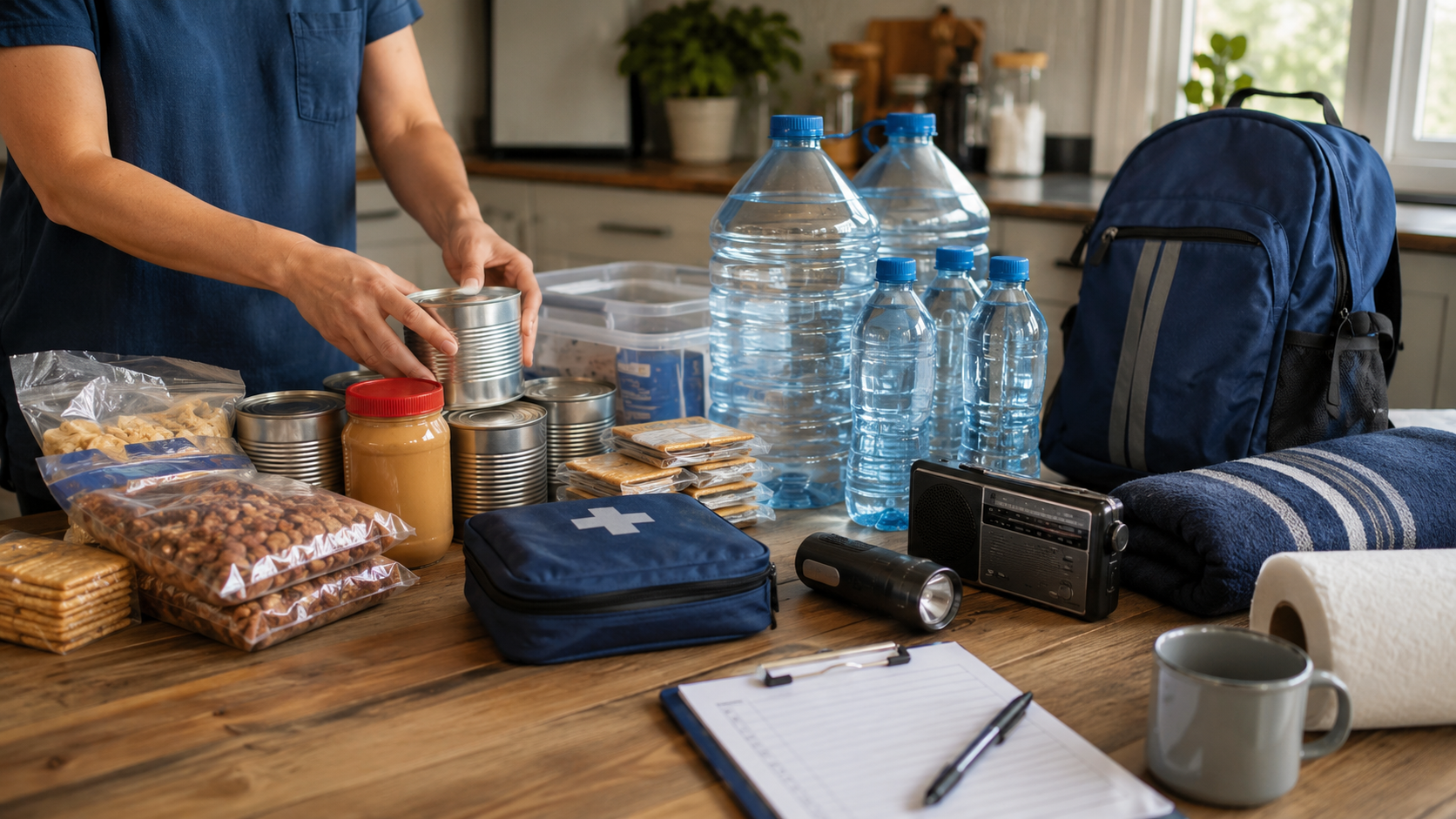
One of the most valuable lessons from the pandemic was the importance of being prepared. Many families found themselves scrambling for basic necessities, realizing too late the value of having an emergency supply of food, water, and essential items. The experience taught us that preparedness isn’t just about having a stockpile—it’s about knowing how to manage resources wisely. Learning to rotate supplies, create a meal plan using stored food, and understanding the shelf life of essential items are all crucial skills that can make a big difference in a crisis.
Community Resilience and Support Systems
Another positive outcome was the strengthening of community ties. During the pandemic, many of us reached out to neighbors, friends, and even strangers to offer help or seek support. Whether it was sharing supplies, offering childcare, or simply checking in on each other, these acts of kindness showed the power of community resilience. Building and maintaining these support networks is essential for future preparedness. Knowing that you have a group of people to rely on can ease the burden of a crisis and provide a safety net when things get tough.
Innovation in Healthcare and Technology
The pandemic also accelerated innovation in healthcare and technology. From telemedicine to remote work solutions, we saw rapid advancements that allowed us to adapt to new challenges. For families, this means access to better healthcare options, even in remote areas, and more flexibility in how we work and learn. Embracing these innovations can improve our preparedness for future events, making it easier to access care and maintain stability during a crisis.
Negative Lessons Learned
Supply Chain Vulnerabilities
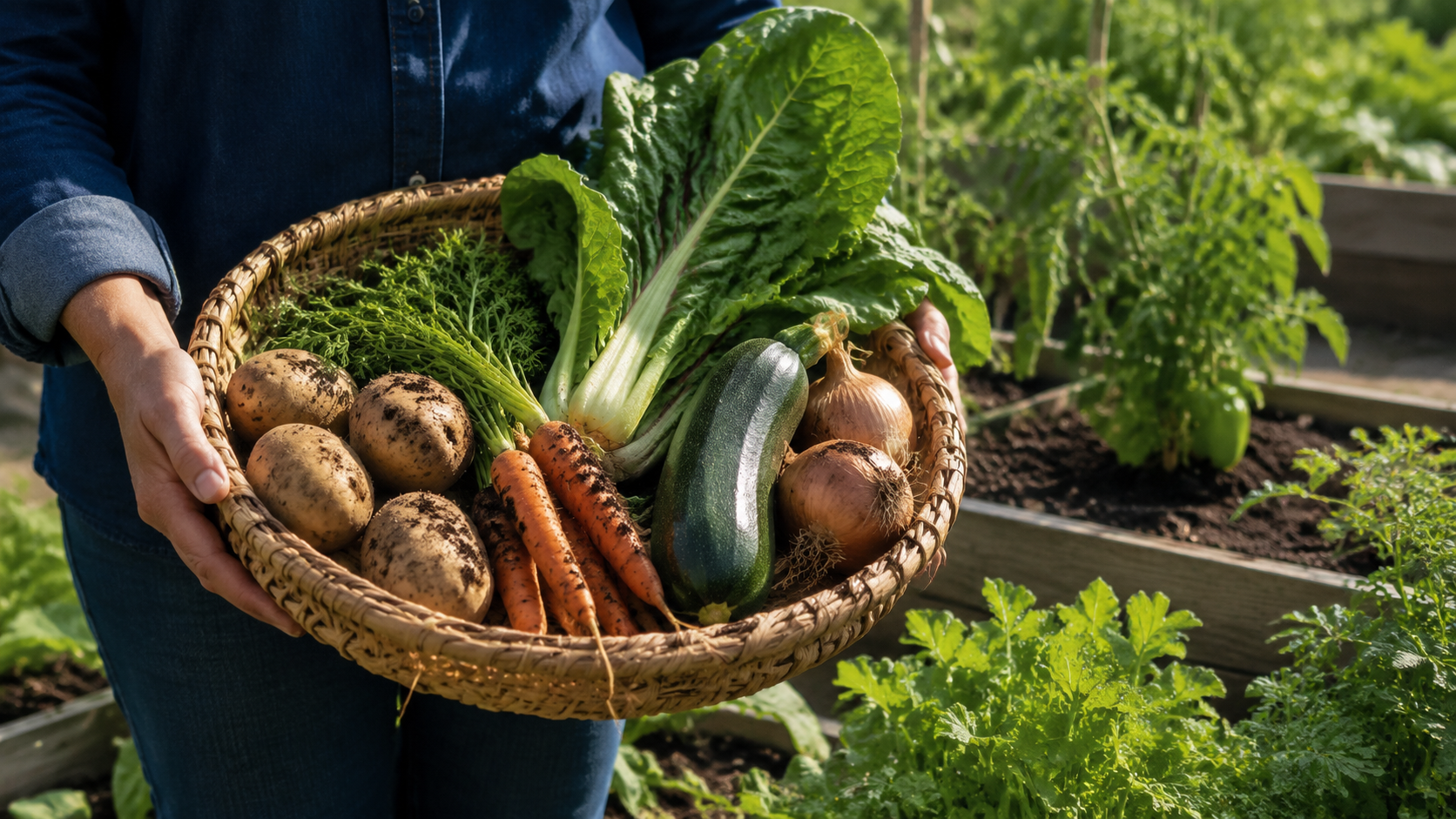
While there were positive takeaways, the pandemic also exposed significant vulnerabilities, particularly in our supply chains. Many families experienced the frustration of empty store shelves and long waits for essential items. This highlighted the importance of understanding where our goods come from and how fragile the supply chain can be. Moving forward, it’s crucial to consider local sourcing, alternative suppliers, and even the possibility of growing your own food to mitigate these risks.
Mental Health Impacts and Social Isolation
The mental health impact of the pandemic was profound, with many people experiencing increased anxiety, depression, and loneliness due to social isolation. For families, this was especially challenging as children, teens, and adults all faced different struggles. Recognizing the importance of mental health as part of overall preparedness is vital. Developing coping strategies, maintaining social connections, and seeking professional help when needed are all steps that can help protect your family’s well-being during future crises.
Misinformation and Public Trust
The spread of misinformation during the pandemic was another significant challenge. Conflicting advice, rumors, and false information created confusion and eroded public trust. For families, this meant sifting through a constant stream of news to find reliable information. Moving forward, it’s essential to identify trustworthy sources and stay informed without becoming overwhelmed. Teaching your family how to critically evaluate information and make informed decisions is a critical skill in today’s information-saturated world.
Frequently Asked Questions (FAQ)
Q: How can I ensure my family is better prepared for future crises?
A: Start by assessing your current level of preparedness. Create an emergency plan that includes a supply checklist, communication strategy, and evacuation routes. Make sure everyone in your family knows what to do in different scenarios. Regularly review and update your plan as needed.
Q: What are some ways to build a strong support network in my community?
A: Get involved in local groups or organizations that focus on community preparedness. Attend neighborhood meetings, participate in local events, and offer help to neighbors when possible. Building relationships now will pay off when you need support during a crisis.
Q: How can I protect my family’s mental health during a prolonged crisis?
A: Encourage open communication about feelings and concerns. Establish routines that provide a sense of normalcy, even in uncertain times. Stay connected with loved ones through virtual means if necessary, and don’t hesitate to seek professional help if someone in your family is struggling.
Q: What should I do to avoid falling victim to misinformation?
A: Rely on reputable sources like government health agencies, respected news outlets, and experts in the field. Be cautious of information that seems sensational or too good to be true. Cross-reference information from multiple reliable sources before making decisions based on it.
Q: How can I prepare for potential supply chain disruptions?
A: Consider diversifying your sources for essential items. Look into local farms, community-supported agriculture (CSA) programs, and other local suppliers. Start a garden if possible, and learn skills like canning and preserving food. Having a variety of options can reduce your dependence on traditional supply chains.
Preparing for World War III: The Sobering Reality and Practical Steps
As tensions escalate around the globe, the once inconceivable prospect of World War III is now a sobering reality that must be considered. While the hope for peace remains paramount, the prudent course of action is preparing for World War III. In this article, we will explore five critical signs indicating the possibility of World War III and underscore the urgent need for preparedness.
Increased Military Mobilizations and Exercises
One of the most glaring indicators of a looming global conflict is the dramatic increase in military mobilizations and exercises. Nations worldwide are ramping up their military readiness through large-scale exercises, troop movements, and strategic deployments. These activities are not merely routine drills; they are often a signal of preparation for potential combat operations.
In recent years, we have witnessed massive troop movements near contentious borders, particularly in Eastern Europe and the Asia-Pacific region. The rapid deployment of naval fleets to strategic waters, such as the South China Sea, further exacerbates these tensions. The scale and frequency of these exercises are unprecedented, signaling that major powers are preparing for World War III.
Breakdown in Diplomatic Relations
The breakdown of diplomatic relations is another ominous sign that the world is inching closer to a large-scale conflict. Historically, the expulsion of diplomats, withdrawal from international treaties, and the closure of embassies have been precursors to war. Today, we see a marked deterioration in relations between major powers, with frequent diplomatic spats and a lack of meaningful dialogue.
Countries are increasingly resorting to rhetoric and actions that undermine decades of diplomatic progress. The erosion of communication channels between nuclear-armed states is particularly alarming, as it increases the risk of misunderstandings and miscalculations that could spiral into open conflict. This breakdown is a critical factor in preparing for World War III.
Escalation of Regional Conflicts
Regional conflicts have always had the potential to escalate into broader wars, and the current geopolitical climate is no exception. Localized conflicts involving major powers or their allies can quickly draw in other nations, leading to a cascading effect that results in a global confrontation.
We are currently witnessing intensified conflicts in regions like the Middle East, Eastern Europe, and the South China Sea. These hotspots are not isolated incidents; they are battlegrounds where superpowers are vying for influence and control. The involvement of major powers in these conflicts, whether directly or through proxies, raises the stakes and the risk of a broader war. Preparing for World War III means understanding these dynamics.
Cyber Attacks on Critical Infrastructure
In today’s interconnected world, cyber warfare has become a critical component of military strategy. Large-scale cyber attacks targeting essential services such as power grids, financial systems, and communication networks are not just acts of aggression; they are preparations for broader conflict.
The past few years have seen coordinated cyber assaults on critical infrastructure in multiple countries. These attacks are designed to cripple a nation’s ability to function, creating chaos and weakening its defense capabilities. As cyber attacks become more sophisticated and frequent, they serve as a grim reminder of the vulnerabilities that can be exploited in the lead-up to a major conflict. This is a significant aspect of preparing for World War III.
Economic Warfare and Sanctions
Severe economic sanctions, trade embargoes, and financial isolation are often preludes to military action. Economic warfare is a strategy used to weaken an adversary without immediate physical confrontation, but it can escalate into open conflict if the targeted nation decides to retaliate.
Comprehensive sanctions that cripple a nation’s economy, such as those imposed on Iran and North Korea, are becoming more common. These measures not only devastate the targeted country’s economy but also create significant geopolitical tensions. The imposition of such sanctions by major powers and the resulting retaliatory actions further heighten the risk of war. Understanding this is essential in preparing for World War III.
The Need for Preparedness
Given the sobering reality of these developments, the need for preparedness cannot be overstated. While it is impossible to predict precisely when or if World War III will break out, the signs are clear that we are living in increasingly perilous times. Preparing for World War III is not about succumbing to fear but about taking practical steps to ensure the safety and well-being of our families and communities.
1. Emergency Supplies and Resources
Start by building an emergency supply kit that includes food, water, medical supplies, and other essential items. Ensure that you have enough resources to sustain your household for an extended period. Stockpile non-perishable foods, water purification tablets, first aid kits, and essential medications.
2. Developing a Survival Plan
Create a comprehensive survival plan that outlines steps to take in the event of an emergency. Identify safe locations for evacuation, establish communication protocols with family members, and keep important documents and emergency contacts readily accessible. Regularly review and update your plan to account for any changes in circumstances.
3. Community Preparedness
Strengthen community ties and build a network of support with neighbors and local organizations. Community preparedness can make a significant difference in times of crisis. Work together to share resources, information, and skills that can help everyone survive and thrive in the face of adversity.
4. Staying Informed
Stay informed about global events and developments. Monitor reliable news sources and government advisories to keep abreast of any significant changes. Awareness of the evolving situation will enable you to respond quickly and appropriately. This is crucial in preparing for World War III.
5. Mental and Emotional Resilience
In summary, focus on building mental and emotional resilience. The stress and uncertainty of a potential global conflict can take a toll on mental health. Practice stress management techniques, maintain strong social connections, and seek professional support if needed.
Conclusion
The potential for World War III is a sobering reality that demands our attention and preparedness. By recognizing the signs of increasing military mobilizations, diplomatic breakdowns, escalating regional conflicts, cyber attacks, and economic warfare, we can better understand the gravity of the situation. Preparing for World War III is not about fear but about taking responsible actions to safeguard our lives and futures. In these uncertain times, preparedness is not just a choice; it is a necessity.
Power Outage Survival Guide: How to Stay Cool and Safe During Extreme Summer Heat
Summer Power Outage Survival Guide will help you prepare as climate change continues to impact our weather patterns, the frequency and intensity of heatwaves are on the rise. With this comes an increased risk of power outages during the hottest months of the year. Losing power during a heatwave can be more than just an inconvenience – it can be downright dangerous. Extreme heat is the leading cause of weather-related deaths in the United States, claiming an average of 702 lives per year, according to the Centers for Disease Control and Prevention (CDC). In this comprehensive guide, we’ll cover everything you need to know to prepare for and survive a summer power outage, including the risks, essential supplies, cooling strategies, and the importance of community support.
The Risks of Power Outages During Extreme Heat:
Power outages during heatwaves can occur for various reasons, including increased energy demand, heat-related equipment failures, and severe weather events. When the power grid is strained and unable to meet the high demand for air conditioning, rolling blackouts may be implemented to prevent a complete system failure. In other cases, extreme heat can cause transformers and other electrical equipment to malfunction, leading to outages.
During a power outage, the lack of air conditioning, fans, and other cooling devices can quickly lead to dangerous indoor temperatures. This puts everyone at risk for heat-related illnesses, such as heat exhaustion and heat stroke, but some populations are more vulnerable than others. The elderly, young children, and people with chronic medical conditions are particularly susceptible to the effects of extreme heat. Additionally, those living in urban areas may be at higher risk due to the “urban heat island” effect, where concrete and asphalt surfaces absorb and radiate more heat than natural landscapes.
Essential Supplies for a Summer Power Outage:
To prepare for a summer power outage, it’s crucial to have an emergency kit stocked with essential supplies. This kit should include enough water and non-perishable food to last at least 72 hours, with a minimum of one gallon of water per person per day. Other essential items include a first aid kit, prescription medications, a battery-powered or hand-crank radio for updates on the outage and weather conditions, flashlights and extra batteries, portable battery-operated fans, cooling towels or gel packs, and backup power sources, such as a generator or solar chargers (if possible).
In addition to your emergency kit, it’s important to prepare your home for extreme heat. This can include installing blackout curtains or thermal blinds to block out sunlight, sealing air leaks to keep hot air out and cool air in, and ensuring your air conditioner is in good working order before a heatwave strikes.
Staying Cool During a Summer Blackout:
If a power outage occurs during extreme heat, your top priority should be staying cool and hydrated. Drink plenty of water throughout the day, even if you don’t feel thirsty. Avoid alcohol and caffeine, as these can contribute to dehydration. Dress in loose, lightweight, and light-colored clothing to help your body regulate its temperature.
To create a cooler environment inside your home, close windows and blinds during the hottest part of the day to keep the sun’s heat out. In the evening, open windows on opposite sides of your home to create a cross-breeze and use battery-operated fans to circulate the air. You can also create a makeshift cooling station by placing a bowl of ice or frozen water bottles in front of a fan.
If your home becomes too hot to bear, seek out cool public spaces such as shopping malls, libraries, or designated cooling centers. Many cities and towns offer these air-conditioned spaces during heatwaves to provide relief for those without power.
The Role of Community in Surviving a Summer Power Outage:
Community support is essential during a summer power outage. Check on elderly neighbors, young children, and those with medical conditions to ensure they are staying cool and have access to necessary supplies. If you have a backup power source, consider sharing it with neighbors who may be more vulnerable to the heat.
Local governments and community organizations often play a crucial role in providing resources and support during extreme heat events. Stay informed about available resources, such as cooling centers, transportation to cool locations, and distribution of water and other essential supplies. You can find this information through local news outlets, social media, and your city or town’s website.
It’s also important to be aware of the signs of heat-related illnesses and to check on loved ones and neighbors regularly. Our Summer Power Outage Survival Guide will help identify symptoms of heat exhaustion include heavy sweating, weakness, cold and clammy skin, fast or weak pulse, nausea, and fainting – so you are better aware. If left untreated, heat exhaustion can progress to heat stroke, a life-threatening condition characterized by a high body temperature, hot and dry skin, rapid pulse, and altered mental state. If you suspect someone is experiencing a heat-related illness, call emergency services immediately.
Conclusion:
As the threat of summer power outages during extreme heat continues to rise, it’s more important than ever to be prepared. By understanding the risks, stocking up on essential supplies, knowing how to stay cool, and supporting your community, you can weather the storm and stay safe during a summer blackout.
Remember, preparation is key. Don’t wait until the power goes out to start thinking about how to stay cool and safe. Take action now to create an emergency plan, build your kit, and fortify your home against extreme heat. By doing so, you’ll not only protect yourself and your loved ones but also contribute to the resilience of your community in the face of a changing climate.
Master Harvesting Techniques for Wild Edible Plants and Medicinal Herbs: A Comprehensive Guide to Sustainable Foraging for Preparedness
In the world of preparedness, knowing the correct harvesting techniques for wild edible plants and medicinal herbs is a skill that could one day save your life or the lives of your loved ones. Whether facing a short-term emergency or a long-term survival situation, having the ability to safely identify, gather, and process nutrient-rich and medicinally potent plants from the wild can provide critical sustenance and healing when other resources are scarce. This article will teach you the essential harvesting techniques for responsibly utilizing nature’s bounty, ensuring both your well-being and the health of the ecosystems you depend on.
Get a FREE Subscription to PREPARE Magazine
The Vital Importance of Harvesting Edible Plants:
Overharvesting can permanently damage plant populations and habitats
Sustainable techniques allow for continued use of valuable wild resources
Responsible harvesting practices demonstrate respect for nature and future generations
Key Techniques for Harvesting Wild Edible and Medicinal Plants:
Leaves:
Use sharp, clean tools to prevent plant damage and infection
Pick selectively, leaving enough for photosynthesis and growth
Harvest in the morning for peak nutrient content
Fruits:
Handle gently to avoid bruising
Only take fully mature fruits to ensure the best nutrition and allow the plant to reproduce
Roots:
Carefully dig to minimize disturbance to surrounding plants
Consider dividing and replanting some roots to propagate the plant
Harvest in fall when energy is concentrated in the roots for maximum potency
Essential Best Practices for Sustainable Harvesting:
Master plant identification to avoid dangerous mistakes
Follow the 10% rule to maintain healthy plant populations
Practice “Leave No Trace” principles to minimize your impact
The Life-Saving Benefits of Proper Wild Harvesting Skills:
Provides a renewable source of food and medicine in emergencies
Supports the overall health and resilience of vital ecosystems
Ensures peak quality and potency by harvesting at optimal times using correct methods
Getting Started with Confidence:
Begin with easy-to-identify plants and expand your knowledge gradually
Document your harvests to track patterns and yields
Approach wild harvesting with an attitude of gratitude and stewardship
Conclusion: Mastering sustainable harvesting techniques for wild edible and medicinal plants is not just a valuable preparedness skill – it’s an investment in your own resilience and the future health of the natural world. By learning to mindfully gather leaves, fruits, and roots in a way that protects and propagates these essential plant species, you’ll be ready to nourish and heal yourself and others in times of great need. So venture out with respect and wonder, and begin cultivating this life-sustaining partnership with nature today.
In the realm of preparedness and self-reliance, there is a crucial distinction between raising awareness about potential threats based on facts and engaging in fearmongering. While it is essential to discuss the importance of being prepared for possible disasters, it is equally vital to recognize the dangers of exaggerated claims, unrealistic fears, and harmful ideologies that can divide communities and cause unnecessary panic.
Fearmongering is the act of deliberately spreading alarming and exaggerated rumors of an impending danger or threat, often with the intention of manipulating public perception and emotions. This tactic is commonly used by some websites and media outlets to attract attention, increase traffic, and push a specific agenda. Fearmongering often relies on sensationalism, conspiracy theories, and cherry-picked data to paint a picture of imminent doom, even when the facts do not support such claims.
The proliferation of fearmongering and negative claims can have severe consequences for individuals and society as a whole. When people are constantly bombarded with messages of impending catastrophe, it can lead to heightened anxiety, stress, and even panic. This can result in irrational decision-making, such as hoarding supplies, engaging in dangerous activities, or adopting extremist ideologies.
Moreover, fearmongering often exploits and amplifies existing social, political, and economic divisions, creating an “us vs. them” mentality that can further erode community cohesion and trust. This divisiveness can hinder efforts to work together and find common ground in the face of real challenges.
It is important to acknowledge that humans have a natural tendency to be drawn towards negative news events and painful stories. This innate fascination with the negative can be attributed to various factors, including evolutionary instincts that prioritize threat detection and a desire to make sense of the world around us. However, this inclination towards negativity can also be exploited by those engaging in fearmongering.
In today’s digital age, where information is readily accessible and rapidly shared, our societies seem to be inundated with a constant stream of tales of woe and impending doom. This proliferation of negative content can create a vicious cycle, where the more we consume, the more we crave, leading to a heightened sense of anxiety and a distorted perception of reality.
While it is crucial to stay informed about potential risks and challenges, it is equally important to maintain a balanced perspective and not let our innate fascination with the negative override rational thinking. By being aware of our own biases and actively seeking out fact-based information from credible sources, we can counteract the allure of fearmongering and make informed decisions about preparedness.
In contrast to fearmongering, genuine preparedness is based on a rational assessment of potential risks and taking appropriate measures to mitigate those risks. It involves analyzing credible sources of information, such as scientific studies, historical data, and expert opinions, to identify realistic threats that may impact our lives. Preparedness focuses on empowering individuals with knowledge and skills to face challenges, rather than paralyzing them with fear.
To navigate the line between fearmongering and fact-based preparedness, consider the following:
Rely on credible sources: Seek information from reputable organizations, government agencies, and experts in relevant fields. Be cautious of websites or individuals that make bold claims without providing verifiable evidence.
Maintain a balanced perspective: Approach potential threats with a level-headed and rational mindset. While it is important to be aware of risks, avoid falling into the trap of worst-case scenario thinking or apocalyptic predictions.
Focus on practical solutions: Preparedness should be about empowering yourself and your community with practical knowledge, skills, and resources to face challenges. Avoid sources that primarily focus on instilling fear without offering constructive advice or solutions.
Foster community resilience: Work towards building strong, supportive, and inclusive communities that can withstand and recover from adversity. Encourage open dialogue, cooperation, and mutual aid rather than division and mistrust.
Prioritize mental health: Engage in self-care practices and seek support if you find yourself overwhelmed by fear or anxiety. Remember that preparedness is about enhancing your overall well-being, not compromising it.
By being mindful of the dangers of fearmongering, recognizing our own biases towards negativity, and focusing on fact-based preparedness, we can cultivate a more resilient and united society. It is crucial to approach challenges with a clear head, a compassionate heart, and a commitment to working together for the common good. Through responsible preparedness efforts, we can empower ourselves and our communities to face adversity with courage, wisdom, and hope, while resisting the allure of sensationalism and fearmongering.