Understanding how solar generators work is crucial. They convert sunlight into electricity, which is stored in batteries for later use. During extended outages, you need to consider the amount of energy you will consume versus what your generator can produce. If your energy needs exceed the generator’s output, you may find yourself without power. Therefore, it’s essential to assess both your energy requirements and the capabilities of your solar generator before relying on it in a crisis.
One common mistake is underestimating the energy needs of your household. Many people assume that their solar generator can handle all their appliances, but in reality, high-demand devices like refrigerators or air conditioners can quickly drain the battery. It’s advisable to prioritize which devices you will power during an outage and to have a plan in place for energy conservation. Additionally, consider the weather conditions; cloudy days can significantly reduce solar output, impacting the generator’s reliability.
Understanding Solar Generator Specifications
Not all solar generators are created equal. When selecting one for extended outages, consider its battery capacity, inverter size, and solar panel output. Battery capacity is measured in watt-hours (Wh) and indicates how much energy can be stored. A generator with a higher capacity can run more devices for a longer period.
Inverter size is crucial as it determines how much power can be drawn at once. For instance, if you plan to run multiple appliances simultaneously, an inverter rated for at least 2000 watts might be necessary. Solar panel output, measured in watts, affects how quickly the battery can be recharged. A larger solar array will recharge the battery more quickly, enabling continuous operation during outages.
In addition, consider the generator’s efficiency. Some models are designed to maximize energy conversion, making them more effective in low-light conditions. It’s worth researching and comparing different models to find one that meets your specific needs, especially if you live in an area prone to prolonged outages.
Assessing Your Energy Needs During Outages
To effectively use a solar generator during an extended outage, you must first assess your energy needs. Identify the devices you absolutely need to power, such as lights, medical equipment, or refrigerators. Create a list of these devices along with their wattage requirements.
Once you have a comprehensive list, add up the total wattage to understand how much power you will consume. This will help you determine if your solar generator can meet those demands. For example, if you need to run a refrigerator (around 300-800 watts) and some lights (around 60 watts), your total demand could exceed the generator’s capacity if it is not designed for such loads.
Moreover, consider the duration for which you will need power. If the outage lasts longer than expected, you may need to implement energy-saving measures, such as prioritizing essential devices and limiting usage of high-wattage appliances. This proactive approach can ensure that you maximize the available energy from your solar generator.
Common Pitfalls When Using Solar Generators
Many users fall into traps when relying on solar generators during outages. One significant pitfall is not accounting for the energy consumption of all devices. Users often overlook high-wattage appliances that can quickly drain power. Additionally, failing to monitor battery levels can lead to unexpected shutdowns.
Another common mistake is not having enough solar panels to recharge the battery efficiently. If your solar array is too small, it may not generate sufficient power to keep your battery charged, especially on cloudy days. Regularly maintaining your solar panels is also vital; dirt and debris can reduce efficiency, impacting overall performance.
Lastly, many users do not consider backup options. Having a contingency plan, such as a secondary power source or additional batteries, can provide peace of mind and ensure you have reliable power during extended outages.
Maintenance Tips for Optimal Performance
To ensure your solar generator performs optimally during extended outages, regular maintenance is essential. Start by cleaning the solar panels regularly to remove dirt and debris that can block sunlight. This will maximize energy capture and improve the efficiency of your system.
Additionally, check battery health periodically. Batteries have a finite lifespan and may need to be replaced after a few years, depending on usage. Keeping the battery charged is also crucial; avoid letting it discharge completely, as this can shorten its lifespan.
Lastly, familiarize yourself with the generator’s operation. Understanding how to properly connect devices, monitor energy consumption, and troubleshoot common issues can enhance your readiness during an outage. Regularly reviewing your setup and making necessary adjustments can help you stay prepared for unexpected power interruptions.
Further Reading
If you’re seeking more information on solar generators and their reliability during outages, consider exploring reputable sources. Official guidelines from energy departments or solar energy associations can provide valuable insights into system specifications and best practices.
Authoritative Sources
U.S. Department of Energy energy.gov
This site offers comprehensive resources on solar energy solutions and their applications during outages
Frequently Asked Questions
What size solar generator do I need for my home?
Your solar generator size should be based on the total wattage of the devices you intend to power. Calculate your total energy needs to determine the appropriate capacity.
How long can a solar generator last during an outage?
The duration a solar generator can last depends on its battery capacity and your energy consumption. Proper management can extend its usage during outages.
Can I run my refrigerator on a solar generator?
Yes, you can run a refrigerator on a solar generator, but ensure the generator has adequate wattage capacity to handle the initial surge and continuous operation.
Do solar generators work on cloudy days?
Solar generators can still produce energy on cloudy days, but their efficiency will be reduced. It’s important to have a robust battery system for such conditions.
How do I maintain my solar generator?
Regular maintenance involves cleaning solar panels, checking battery health, and ensuring connections are secure. This keeps the system efficient and ready for use.
Conclusion
All in all, solar generators can be a reliable power source during extended outages if selected and used correctly. Understanding your energy needs, maintaining your generator, and avoiding common pitfalls are essential steps in ensuring you can depend on this technology when it matters most. Prioritize your power requirements and keep your system well-maintained to maximize its effectiveness during emergencies.
Understanding how long stored gasoline remains usable is crucial for anyone preparing for emergencies. Gasoline degrades over time due to oxidation and evaporation, which can lead to reduced engine performance or even engine failure when trying to use older fuel. Regularly rotating your fuel supply and using appropriate storage techniques can help maintain its usability.
One common mistake is failing to account for environmental conditions that can accelerate gasoline degradation. For example, storing gasoline in a hot environment can significantly shorten its shelf life. Ideally, gasoline should be stored in a cool, dark place in approved containers to minimize exposure to light and heat.
Factors Affecting Gasoline Stability
Several factors can influence how long gasoline remains usable, including temperature, exposure to air, and the quality of the fuel itself. Gasoline stored at high temperatures can degrade faster due to increased volatility and evaporation. Additionally, exposure to moisture can lead to phase separation, where water and gasoline separate, making the fuel unusable.
It’s essential to recognize that not all gasoline is created equal. For example, blends with higher ethanol content tend to have shorter shelf lives due to ethanol’s hygroscopic nature, which attracts moisture. Choosing a high-quality fuel and monitoring storage conditions can help mitigate these issues.
To maximize gasoline stability, consider keeping it in a tightly sealed container to limit air exposure and store it away from direct sunlight. Regularly checking the fuel for signs of degradation, such as discoloration or a foul smell, is also crucial.
Storage Best Practices
Proper storage practices are vital for ensuring gasoline remains usable. Always use approved fuel containers that are designed to minimize evaporation and contamination. Additionally, avoid filling containers to the brim; leaving some air space allows for the expansion of the gasoline as temperatures fluctuate.
It is also advisable to store gasoline in a cool, dry place, away from any potential ignition sources. This not only preserves the quality of the fuel but also enhances safety. Regularly rotating your fuel supply—using the oldest gasoline first—can help ensure that you are always using fresh fuel.
Moreover, consider labeling your containers with the date of purchase to keep track of their age. This practice can help you identify when it’s time to replace the fuel before it becomes unusable, ensuring you always have reliable gasoline on hand in emergencies.
Using Fuel Stabilizers
Fuel stabilizers can significantly extend the shelf life of stored gasoline. These additives work by preventing oxidation and slowing down the degradation process, allowing gasoline to remain usable for up to 12 months or longer, depending on the product and storage conditions.
When choosing a stabilizer, look for products that are specifically designed for gasoline and follow the manufacturer’s instructions for mixing ratios. It’s important to add the stabilizer to fresh gasoline, as older fuel may already be degraded, negating the benefits of the stabilizer.
Keep in mind that while stabilizers can extend shelf life, they are not a substitute for proper storage practices. Always combine the use of stabilizers with the best storage methods for optimal results.
Signs of Degraded Gasoline
Identifying degraded gasoline is key to maintaining your emergency fuel supply. Common signs of degraded gasoline include a sour or varnish-like smell, discoloration (darker than normal), and the presence of sediment at the bottom of the container. If you notice any of these indicators, it’s best to dispose of the fuel safely.
Additionally, degraded gasoline may cause engine performance issues, such as difficulty starting, rough idling, or stalling. If you suspect your gasoline may be old or degraded, running a small test in a lawnmower or other small engine can help determine its viability without risking damage to larger equipment.
Regularly inspecting your stored gasoline can help you avoid potential problems and ensure that you are always prepared in emergencies.
Further Reading
Authoritative Sources
Fuel Gauge Report fuelgaugereport.com
This resource provides valuable insights into fuel prices and trends, which can inform your fuel purchasing decisions
U.S. Environmental Protection Agency epa.gov
The EPA offers guidelines on safe fuel storage practices to protect both health and the environment
National Fire Protection Association nfpa.org
NFPA provides important safety information regarding the storage and handling of flammable liquids like gasoline
Frequently Asked Questions
How can I tell if my stored gasoline is still good?
Check for a sour smell, discoloration, or sediment. If any of these signs are present, it’s best to dispose of the gasoline safely.
What is the best way to store gasoline long-term?
Use approved containers, store in a cool, dry place, and consider using fuel stabilizers to extend shelf life.
How long does gasoline last in a sealed container?
Gasoline can last about three to six months in a sealed container, but using a fuel stabilizer can extend this to 12 months or more.
Can I mix old gasoline with new gasoline?
It’s generally not recommended, as mixing old gasoline with new can lead to performance issues. It’s best to dispose of old gasoline properly.
What happens if I use degraded gasoline in my engine?
Using degraded gasoline can cause engine performance problems, such as difficulty starting, rough idling, or potential engine damage.
Conclusion
In closing, understanding how long stored gasoline remains usable in emergencies is essential for effective preparedness. By recognizing the factors that affect gasoline stability, employing proper storage practices, and utilizing fuel stabilizers, you can significantly extend the shelf life of your fuel. Regularly inspect your gasoline for signs of degradation and always prioritize safety when handling flammable materials. With these strategies, you can ensure that you have reliable fuel on hand when you need it most.
Understanding the importance of warmth during an outage is essential. Prolonged exposure to low temperatures can lead to serious health risks, including hypothermia and frostbite. By prioritizing your approach to warmth, you can effectively mitigate these risks. Focus on maintaining a warm core temperature and create a small, insulated area where you can gather, as this will help conserve heat more efficiently.
Many people overlook the significance of preparation before a power outage occurs. Having a dedicated emergency kit with necessary supplies can greatly enhance your ability to stay warm. This includes items like thermal blankets, battery-operated heating devices, and insulated clothing. Always ensure that your home is equipped with these essentials to avoid scrambling for resources when the power goes out.
Layering Clothing for Maximum Warmth
One of the most effective ways to stay warm during a winter power outage is by properly layering your clothing. This involves wearing multiple layers of clothing that trap body heat. Start with a moisture-wicking base layer to keep sweat away from your skin, followed by insulating layers such as fleece or wool, and finish with a waterproof and windproof outer layer.
Prioritizing the right materials is crucial. Wool and fleece are excellent choices for insulation, while synthetic fibers can help wick moisture. Avoid cotton, as it retains moisture and loses insulating properties when wet. Additionally, pay attention to extremities: wearing thick socks, gloves, and hats can significantly reduce heat loss and help maintain your core temperature.
Many people overlook the importance of maintaining warmth in their extremities. When your hands and feet are cold, it can drastically affect your overall comfort. Always keep a hat on, as a significant amount of body heat escapes through the head. Consider using hand warmers or heated insoles if available to provide extra warmth where it’s needed most.
Creating a Heat-Retaining Environment
To effectively stay warm, creating a heat-retaining environment within your home is essential. Close off unused rooms and seal windows and doors with blankets or towels to prevent warm air from escaping. Using heavy curtains can also help insulate your living area against the cold.
Consider gathering in a smaller space, such as a bedroom or living room, where you can easily heat the area with body warmth. If you have a fireplace or wood stove, use it to generate heat, but ensure proper ventilation to avoid carbon monoxide buildup. Keep a supply of firewood handy and know how to use it safely during an outage.
One common mistake is failing to insulate windows effectively. Invest in thermal curtains or plastic window insulation kits that can be easily applied. Even simple solutions, like covering windows with blankets, can make a significant difference in retaining heat. Remember, every little bit helps when trying to maintain warmth in a cold environment.
Essential Supplies for Staying Warm
Having the right supplies on hand can greatly enhance your ability to stay warm during a winter power outage. Essential items include thermal blankets, battery-operated heaters, and insulated clothing. Additionally, ensure you have a supply of non-perishable food items and plenty of water, as keeping your energy levels up is crucial.
Invest in a good quality battery-operated heater if you can, but always prioritize safety by ensuring proper ventilation. Flashlights and extra batteries are also essential for visibility and safety during the outage. Additionally, consider portable chargers for your devices, so you can stay informed about the situation outside.
Many people underestimate the importance of having a well-stocked emergency kit. Regularly check and replenish your supplies, especially before winter storms are forecasted. Create a checklist of items to include in your emergency kit, and make sure to store it in an easily accessible location.
Common Mistakes to Avoid
When trying to stay warm during a winter power outage, there are common mistakes that can hinder your efforts. One major mistake is neglecting to prepare in advance. It’s vital to have your supplies ready before the outage occurs, rather than scrambling for items once the power goes out.
Another mistake is overestimating the effectiveness of certain heating methods. For example, using a gas stove for heating can be dangerous due to the risk of carbon monoxide poisoning. Always prioritize safe heating methods and ensure proper ventilation when using any combustion source.
Additionally, avoid relying solely on blankets for warmth. While they are helpful, they should be used in conjunction with proper clothing and insulation techniques. Prioritize a multi-faceted approach to staying warm to ensure maximum effectiveness during an outage.
Further Reading
Authoritative Sources
Winter Weather Preparedness ready.gov
This resource provides comprehensive information on staying safe and warm during winter weather emergencies
Red Cross Winter Storm Safety redcross.org
Offers guidelines and tips for preparing for winter storms, including how to stay warm during power outages
Frequently Asked Questions
What should I do first during a power outage in winter?
First, ensure your safety by checking for any hazards, then gather your supplies and create a warm space in your home.
How can I insulate my windows during a power outage?
You can use blankets, thermal curtains, or plastic window insulation kits to reduce heat loss through windows.
Are battery-operated heaters safe to use indoors?
Battery-operated heaters can be safe if used correctly, but always ensure proper ventilation and follow manufacturer instructions.
What clothing is best for staying warm during a power outage?
Layering clothing made from wool or fleece is best, along with thermal socks, gloves, and hats to minimize heat loss.
How can I keep food from freezing during a power outage?
Keep your refrigerator and freezer closed as much as possible, and group food items together to maintain a lower temperature longer.
Conclusion
In closing, staying warm during a winter power outage without electricity requires preparation, practical methods, and the right supplies. Prioritize layering your clothing, insulating your living space, and having essential items readily available. By understanding common mistakes and taking proactive steps, you can effectively maintain warmth and safety during an outage, ensuring you and your loved ones remain comfortable until power is restored.
When choosing between freeze dried and canned foods, consider the specific needs of your emergency preparedness plan. Freeze dried foods often require less storage space and are lighter, which is particularly advantageous if you need to evacuate or transport supplies. On the other hand, canned foods are usually less expensive and readily available, making them an accessible choice for immediate needs. It’s essential to evaluate both options based on your budget, storage capacity, and the types of meals you prefer.
Common mistakes include underestimating the importance of nutrition in emergency food supplies. Many people focus solely on calorie count without considering the quality of nutrients. In emergencies, maintaining health is crucial, and having a balanced diet can help prevent fatigue and illness. Prioritize foods that not only offer calories but also provide essential vitamins and minerals to support overall health during challenging times.
Nutritional Comparison
When comparing freeze dried food to canned food, nutritional value is a key factor. Freeze dried foods undergo a process that removes moisture while retaining most of their essential nutrients. In contrast, canning can lead to nutrient loss, particularly for water-soluble vitamins like B and C. Studies indicate that freeze dried foods can retain up to 90% of their original nutrients.
This nutrient retention is crucial during emergencies when maintaining health and energy levels is vital. Freeze dried meals often include a variety of fruits, vegetables, and proteins, providing a balanced diet that can help sustain individuals in crisis situations. Canned foods, while still nutritious, may not offer the same level of vitamins and minerals, especially if they contain added preservatives and sugars.
Moreover, many consumers overlook the importance of ingredient quality. Not all freeze dried products are created equal; some may include additives that diminish their health benefits. When selecting freeze dried foods, it’s advisable to choose options that list whole ingredients, avoiding those with artificial preservatives or excessive sugar. This attention to detail can significantly impact overall health during emergencies.
Shelf Life and Storage
One of the most significant advantages of freeze dried food is its impressive shelf life, often exceeding 25 years when stored properly. In comparison, canned foods typically last between 2 to 5 years, depending on the type and storage conditions. This longevity makes freeze dried meals an ideal choice for long-term emergency preparedness.
Storage is also a critical consideration. Freeze dried foods are lightweight and compact, making them easier to store in limited spaces. They generally require less room than bulky canned goods, allowing for more efficient organization of emergency supplies. Canned foods, while durable, can take up considerable space and may be heavy to transport if evacuation is necessary.
It’s important to note that both freeze dried and canned foods require proper storage conditions to maintain their longevity. Keep these foods in a cool, dark place, away from moisture and extreme temperatures. Regularly check your supplies and rotate them based on expiration dates to ensure you always have fresh food available.
Cost Analysis
Cost is a significant factor when deciding between freeze dried and canned foods. Freeze dried meals are generally more expensive due to the complex processing involved in their production. However, the investment can be justified by their longer shelf life and nutritional benefits. On the other hand, canned foods are often more budget-friendly and can be purchased in bulk at lower prices.
When evaluating costs, consider not just the purchase price but also the potential savings in health and nutrition. Investing in high-quality freeze dried foods can lead to better health outcomes during emergencies, potentially reducing medical costs associated with poor nutrition. Additionally, the convenience of quick preparation can save time and resources when every moment counts.
To maximize your budget, consider a mixed approach by incorporating both freeze dried and canned foods into your emergency supplies. This strategy allows you to benefit from the advantages of both types while remaining mindful of costs.
Preparation and Cooking
Both freeze dried and canned foods offer convenience in preparation, but they differ in methods. Freeze dried meals typically require rehydration with hot or cold water, which can be done quickly, often within minutes. This ease of preparation is particularly beneficial during emergencies when time may be limited.
Canned foods, while also easy to prepare, may require additional steps like heating or cooking, especially if they are not pre-cooked. This can be a disadvantage in a crisis where access to heat sources may be limited. Moreover, the taste and texture of freeze dried foods are often more appealing than canned options, which can sometimes have a mushy consistency.
When planning your emergency meals, consider the cooking equipment you have available. If you have limited cooking options, freeze dried meals may provide a more practical solution. Additionally, practice using your emergency food supplies in advance to ensure you are familiar with preparation methods, allowing for a smoother experience during actual emergencies.
Further Reading
Authoritative Sources
Emergency Food Safety ready.gov
This resource provides guidelines for emergency food storage and safety, helping readers make informed decisions about their supplies
USDA Food Safety Fact Sheets fsis.usda.gov
The USDA offers valuable insights into food preservation methods and safety, relevant for understanding both freeze dried and canned foods
Nutrition and Food Safety nutrition.gov
This site provides comprehensive information on nutrition and food safety, emphasizing the importance of quality in emergency food supplies
Frequently Asked Questions
What is the shelf life of freeze dried food?
Freeze dried food can last up to 25 years or more when stored properly, making it an excellent option for long-term emergency preparedness.
Is freeze dried food more nutritious than canned food?
Yes, freeze dried food typically retains more vitamins and minerals than canned food, which can lose nutrients during the canning process.
Can freeze dried food be eaten without cooking?
Most freeze dried foods require rehydration with water before consumption, but some snacks can be eaten as is.
How do I store freeze dried food?
Store freeze dried food in a cool, dry place away from direct sunlight and moisture to maximize its shelf life.
Are canned foods safe to eat after the expiration date?
Canned foods can often be safe to eat after the expiration date, but quality may decline. Always inspect cans for damage or bulging before consumption.
Conclusion
In closing, both freeze dried and canned foods have their advantages and disadvantages for emergency preparedness. Freeze dried food generally offers superior nutrition, longer shelf life, and easier preparation, making it a strong choice for long-term storage. However, canned foods are more accessible and cost-effective for immediate needs. To optimize your emergency food supply, consider a balanced approach that includes both options, prioritizing quality ingredients and nutritional value. By understanding the strengths and limitations of each type, you can make informed decisions that best support your health and safety during emergencies.
When a power grid failure occurs, the immediate concern is the loss of electricity, which disrupts not just lighting but also heating and cooling systems, refrigeration, and communication networks. Without power, perishable food items may spoil within days, leading to food shortages. Additionally, water treatment facilities may also cease operations, resulting in unsafe drinking water. People need to prioritize securing food, water, and alternative energy sources to mitigate these risks.
Common mistakes include underestimating the duration of outages and failing to plan for alternative power sources. Many assume that power will be restored quickly, but a week-long outage can lead to significant challenges. It’s important to develop a comprehensive preparedness plan, including stockpiling non-perishable foods, water, and batteries, and ensuring access to alternative heating or cooling options.
Impact on Daily Life
A week-long power outage has profound effects on daily routines. Households rely on electricity for cooking, refrigeration, and heating. Without power, many families will face difficulties in preparing meals and keeping food safe. This can lead to increased waste and food scarcity.
Moreover, the lack of electricity affects communication and information access. People may struggle to stay informed about the situation, leading to panic and confusion. It’s essential to have alternative communication methods, such as battery-operated radios, and to stay connected with neighbors.
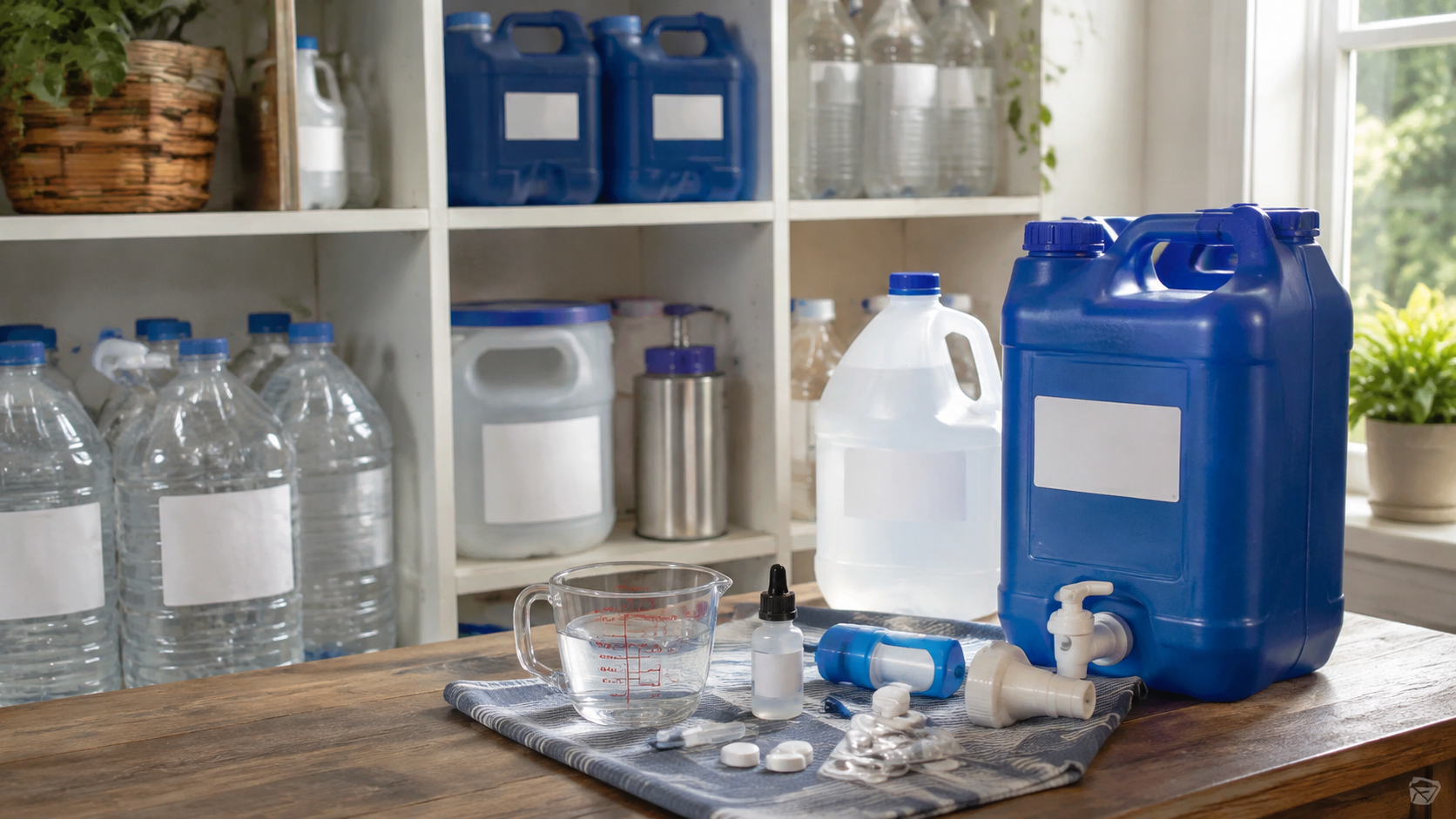
To prepare for these disruptions, individuals should consider their immediate needs and assess their food and water supplies. Stockpiling non-perishable items and ensuring access to clean water are vital steps that can make a significant difference during an extended outage.
Emergency Services and Response
The effectiveness of emergency services can be severely hampered during a prolonged power outage. Communication systems may fail, making it difficult for emergency responders to coordinate and deliver assistance where it is needed most.
Additionally, hospitals and healthcare facilities may face challenges in maintaining operations. Critical care equipment relies on electricity, and without power, patient care can be jeopardized. Communities should have contingency plans in place to ensure that vulnerable populations, such as the elderly or those with medical conditions, receive necessary support.
It is crucial for communities to establish a communication network before an outage occurs. This could involve coordinating with local agencies to ensure that emergency services can still operate effectively and that residents are informed about available resources.
Long-term Consequences
Beyond the immediate impacts, a week-long power outage can have long-term consequences for communities. Economic activity may stall, leading to financial losses for businesses and individuals alike. Supply chains can be disrupted, making it difficult to restock essential goods.
Moreover, the psychological impact of a prolonged outage should not be overlooked. Anxiety and stress levels may rise as individuals cope with uncertainty and the challenges of daily life without power. Communities should consider mental health resources as part of their emergency planning.
To minimize long-term effects, it’s vital to assess the community’s resilience and identify areas for improvement. This may involve investing in backup energy solutions, such as generators or solar power systems, to ensure that essential services can continue during outages.
Preparedness Strategies
Preparation is key to mitigating the effects of a power grid failure. Individuals and families should develop a comprehensive emergency plan that includes food and water supplies, alternative energy sources, and communication strategies.
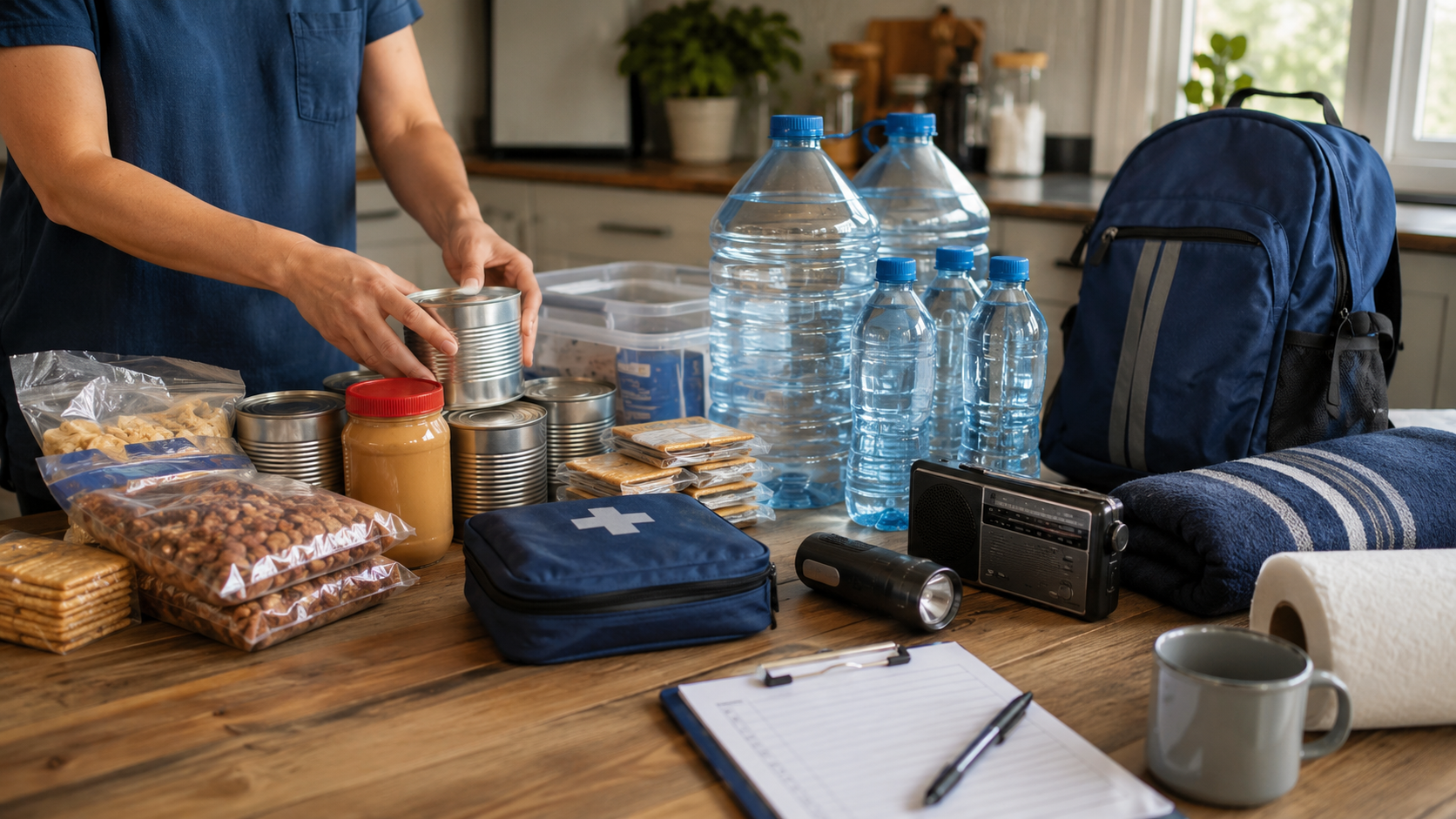
Stockpiling non-perishable food items, bottled water, and batteries can provide essential resources during an outage. Additionally, having a first aid kit and necessary medications on hand is crucial for health and safety.
Communities can enhance their preparedness by conducting regular drills and workshops to educate residents on emergency procedures. Engaging with local emergency management agencies can also improve coordination and response efforts during a crisis.
Further Reading
Authoritative Sources
Power Outages: Preparedness Tips ready.gov
This resource provides essential tips on how to prepare for power outages and what to do during one
Red Cross Power Outage Preparedness redcross.org
Offers guidance on how to prepare for and respond to power outages effectively
FEMA Business Continuity Planning fema.gov
Focuses on how businesses can prepare for emergencies, including power failures
Frequently Asked Questions
What should I do if the power grid fails?
Immediately check on your food and water supplies, secure alternative heating or cooling, and stay informed through battery-operated devices.
How can I prepare for a long power outage?
Stockpile non-perishable food, water, batteries, and a first aid kit. Ensure you have a plan for communication and alternative energy sources.
What are the risks of food spoilage during a power outage?
Food can spoil rapidly without refrigeration, leading to waste and potential health hazards from consuming spoiled items.
How long can a refrigerator keep food cold without power?
A refrigerator can keep food cold for about 4 hours if the door remains closed. After that, the risk of spoilage increases.
What should I include in an emergency kit for power outages?
Your emergency kit should include water, non-perishable food, a flashlight, batteries, a first aid kit, and any necessary medications.
Conclusion
Understanding what happens if the power grid fails for a week is essential for effective preparedness. The immediate impacts on daily life, emergency services, and long-term community resilience highlight the need for proactive planning. Individuals must prioritize securing food and water supplies, establishing communication plans, and considering alternative energy sources. By taking these steps, communities can significantly reduce the risks associated with power outages and enhance their overall preparedness.