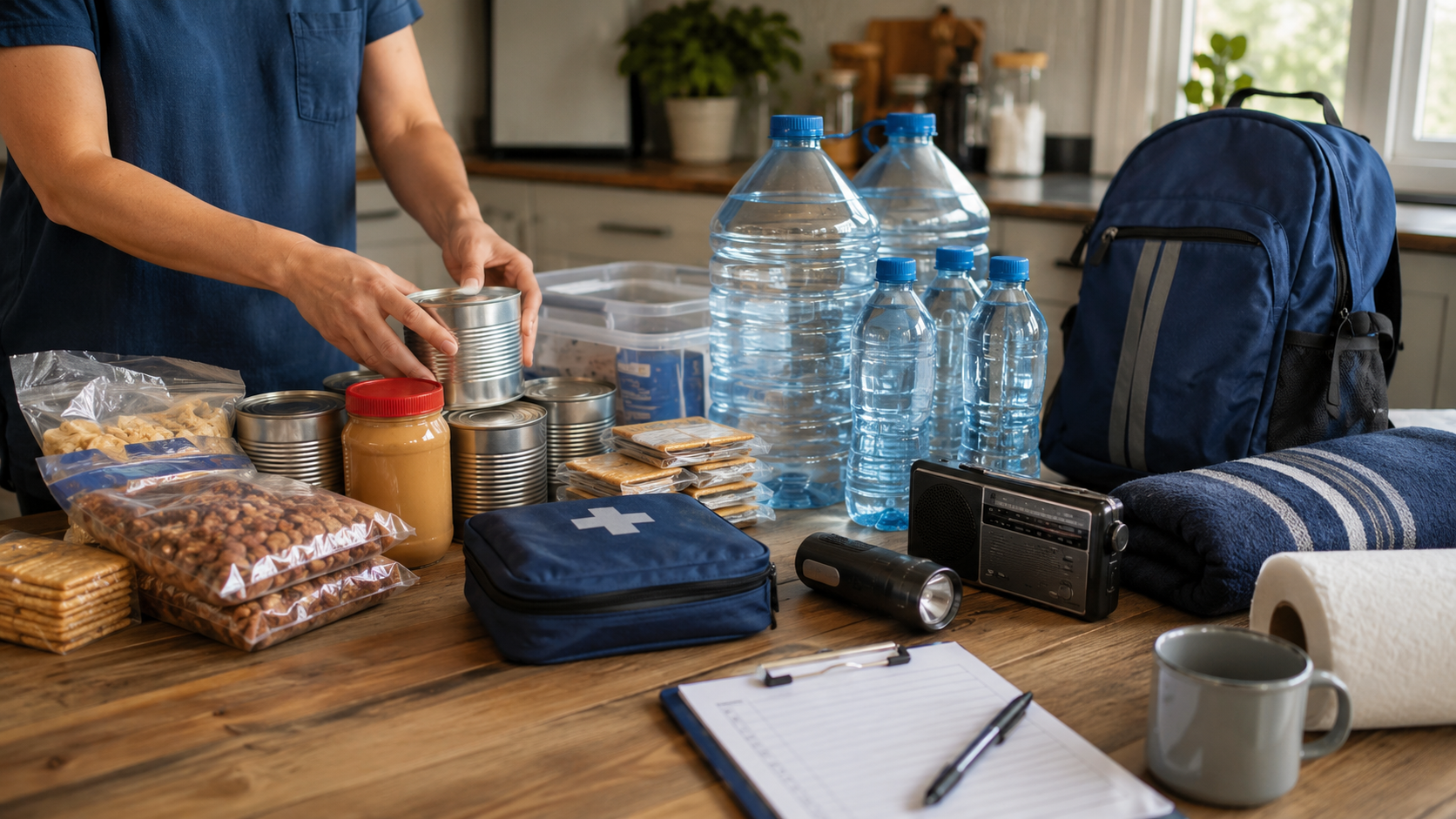
Understanding the limitations of traditional communication methods during outages is crucial. Cell tower failures can be caused by natural disasters, equipment malfunctions, or overloads. In these situations, having a plan that includes multiple communication options can significantly increase the chances of staying in touch with loved ones. Be aware that relying solely on one method may lead to frustration and missed connections.
Common mistakes include underestimating the need for alternative communication tools and not practicing emergency plans beforehand. Family members should familiarize themselves with the equipment and protocols to ensure everyone is prepared when a real emergency occurs. The best approach is to prioritize simplicity and clarity in your communication strategies.
Using Two-Way Radios for Communication
Two-way radios can be an effective means of communication when traditional cell services are unavailable. These devices allow for direct, real-time communication over varying distances, depending on the model and terrain. They are particularly useful for families who may be separated during an emergency.
When using two-way radios, it’s essential to choose models with a sufficient range for your needs, and to ensure that all family members are trained to use them. Remember to establish clear communication protocols, such as channel assignments and emergency frequencies, to avoid confusion during critical times.
Many families overlook the importance of practicing with these devices. Regular drills can help ensure that everyone is comfortable using the radios and understands the communication protocols. Prioritize keeping the radios charged and in a designated emergency kit for easy access.
Establishing Meeting Points
Establishing predetermined meeting points is another effective strategy for family communication during outages. These locations should be easily accessible and known to all family members. Choose safe places that are unlikely to be affected by the same event that caused the communication breakdown.
Having multiple meeting points can provide alternatives if the primary location is compromised. Ensure that these points are discussed and agreed upon with all family members, and practice how to get there from various locations.
Common mistakes include failing to account for transportation issues or hazards that may arise during a disaster. Assess the routes to these meeting points and consider potential obstacles that could impede access, such as blocked roads or flooding. Prioritize flexibility and adaptability in your plans.
Utilizing Written Communication
When electronic communication fails, written messages can serve as a reliable alternative. Leaving notes in visible locations can inform family members of your status and intentions. This method is particularly useful when family members are in different areas.
Consider using a chalkboard or a designated bulletin board at home where messages can be posted. Ensure that everyone knows where to check for updates. Additionally, pre-write important messages such as “I’m safe” or “Meet at [location]” to save time during emergencies.
A common oversight is not ensuring that the message is clear and legible. Use large, bold letters and simple language to prevent misunderstandings. Regularly review and update the communication plan to include this method, ensuring it is an integral part of your strategy.
Investing in Satellite Phones
Satellite phones can provide a reliable communication option during cell tower outages. Unlike traditional cell phones that rely on terrestrial networks, satellite phones connect directly to satellites, allowing for global communication regardless of local infrastructure.
Investing in satellite phones can be beneficial for families who live in remote areas or are prone to frequent outages. However, consider the costs associated with purchasing and maintaining these devices, including service fees and potential usage limitations.
Many families underestimate the importance of knowing how to operate these devices effectively. Prioritize training sessions to familiarize all family members with their use, ensuring that everyone knows how to make calls or send messages in an emergency.
Community Communication Strategies
Community communication strategies are essential for coordinating efforts during emergencies. Building a network with neighbors can enhance communication and provide additional resources when cell towers are down.
Consider organizing community meetings to discuss communication plans and share resources. Creating a neighborhood bulletin board can serve as a central point for updates and information sharing. Establishing a community radio network may also be beneficial for larger areas.
It’s crucial to engage with local emergency services and understand their communication protocols. Many communities have established methods for sharing information during emergencies. Prioritize forming strong relationships with neighbors to foster a sense of community support during challenging times.
Further Reading
Authoritative Sources
Ready.gov ready.gov
Official U.S. preparedness guidance, checklists, and planning resources for households and emergencies.
FEMA fema.gov
Federal emergency management resources, disaster planning information, and recovery guidance.
American Red Cross Emergency Preparedness redcross.org
Practical emergency preparation steps, supply lists, and safety guidance for families.
National Weather Service weather.gov
Official forecasts, hazard alerts, and weather safety information.
CDC Emergency Preparedness and Response cdc.gov
Public health guidance for emergencies, disasters, and recovery situations.
Frequently Asked Questions
What should I do first when cell towers are down?
First, assess the situation and establish communication with family members using alternative methods such as two-way radios or written messages.
How can I prepare my family for communication outages?
Prepare by discussing and practicing your communication plan, including alternative methods and predetermined meeting points.
Are there specific two-way radios recommended for family use?
Look for two-way radios with a long range, clear audio quality, and weather resistance for reliable family communication.
How often should we practice our emergency communication plan?
Regularly practice your emergency communication plan at least once every few months to ensure everyone is familiar with the procedures.
What are the costs associated with satellite phones?
Costs include the initial purchase price, monthly service fees, and potential charges for international calls, which can vary by provider.
Understanding the real-world stakes of panic buying is crucial for both consumers and retailers. When panic buying occurs, it can lead to empty shelves and increased prices, creating a cycle of fear and further buying. Retailers often struggle to keep up with demand, and the panic can create a false sense of urgency that prompts even those who do not need supplies to join in. This reaction can have severe consequences, particularly for vulnerable populations who may not be able to stock up.
Another critical aspect to consider is the role of social influence in panic buying. As people observe others buying large quantities of goods, they may feel compelled to do the same, fearing they will miss out or be unprepared. This herd mentality can lead to irrational decisions and further amplify the panic. Recognizing this behavior can help individuals resist the urge to join in and instead approach the situation with a more rational mindset.
Psychological Triggers Behind Panic Buying
The primary psychological triggers of panic buying include fear of scarcity, social pressure, and a need for control. Fear of scarcity arises when people believe that essential goods will run out, prompting them to buy more than they need. This fear is often exacerbated by media reports and social media, which can amplify perceptions of risk.
In emergency situations, individuals may feel a lack of control over their circumstances. Stockpiling goods can provide a sense of security and agency. Additionally, social proof plays a significant role; when individuals see others buying in bulk, they may feel pressured to do the same, fearing they will miss out on essential items.
Recognizing these triggers is essential for mitigating panic buying. By understanding the psychological factors at play, individuals can make more informed decisions and resist the urge to join the fray. It is critical to prioritize rational thinking over emotional responses during these times.
Consequences of Panic Buying
Panic buying can lead to several negative consequences, including shortages of essential goods and inflated prices. When large numbers of people rush to purchase items, retailers may struggle to restock their shelves, leading to empty aisles and increased frustration among consumers.
Furthermore, panic buying can create a sense of insecurity in the community. When individuals hoard supplies, it can leave vulnerable populations—such as the elderly or those with low incomes—without access to necessary items. This behavior can foster resentment and create divisions within communities, undermining social cohesion.
Individuals should be aware of the broader impacts of their purchasing decisions. By considering the needs of others and practicing responsible buying, consumers can help mitigate the negative effects of panic buying on their communities.
Strategies to Mitigate Panic Buying
To combat panic buying, retailers and communities can implement several strategies. Clear communication is essential; providing accurate information about supply levels and restocking timelines can help alleviate fears of scarcity. Retailers can also limit the quantity of certain items that individuals can purchase, ensuring that more people have access to essential goods.
Community outreach plays a vital role in promoting responsible buying behaviors. Initiatives that encourage individuals to share resources and support one another can foster a sense of solidarity and reduce the impulse to hoard. Additionally, educating consumers about the impacts of panic buying can help them make more informed decisions.
By fostering a culture of cooperation and empathy, communities can better navigate emergency situations without falling prey to panic buying. It is crucial to prioritize collective well-being over individual desires during crises.
The Role of Media and Misinformation
The media plays a significant role in shaping public perceptions during emergencies. Sensationalized reporting can exacerbate fears and contribute to panic buying behavior. Misinformation, particularly on social media, can spread rapidly and lead individuals to make irrational purchasing decisions based on unfounded fears.
To counteract the effects of media-induced panic, it is essential for individuals to seek information from credible sources. Fact-checking and critical thinking are vital skills that can help consumers distinguish between genuine threats and exaggerated claims. Responsible media consumption can help reduce the likelihood of panic buying.
By promoting media literacy within communities, individuals can become more discerning consumers of information, ultimately leading to more rational responses during emergencies.
Further Reading
Authoritative Sources
American Psychological Association apa.org
This source provides insights into the psychological aspects of panic buying and its effects on behavior during crises
World Health Organization who.int
The WHO offers guidelines on managing public health emergencies and understanding public reactions
National Institutes of Health ncbi.nlm.nih.gov
nih.govThis resource contains research articles related to consumer behavior during emergencies
Frequently Asked Questions
What triggers panic buying during emergencies?
Panic buying is triggered by psychological factors such as fear of scarcity, social influence, and a need for control.
How does panic buying affect communities?
Panic buying can lead to shortages of essential goods, increased prices, and feelings of insecurity within communities.
What can retailers do to prevent panic buying?
Retailers can limit purchase quantities, communicate supply levels, and promote responsible buying to mitigate panic buying.
How can individuals avoid panic buying?
Individuals can avoid panic buying by making informed decisions, resisting social pressure, and considering the needs of others.
What role does media play in panic buying?
Media can amplify fears and misinformation, contributing to panic buying behavior during emergencies.
Conclusion
To wrap up, panic buying during emergency situations stems from psychological triggers that can lead to negative consequences for both individuals and communities. Understanding these triggers, recognizing the role of media, and implementing strategies to mitigate panic buying are essential steps in fostering responsible consumer behavior. By prioritizing collective well-being and making informed decisions, individuals can help create a more resilient community during crises.
Understanding the importance of unconventional supplies is vital for effective disaster response. Many people assume that standard emergency kits cover all needs, but overlooking specific items can lead to challenges. For example, duct tape can be used for repairs, while plastic bags serve multiple purposes such as waterproofing and waste management. Recognizing these alternatives can save time and resources in critical moments.
Common mistakes include underestimating the utility of everyday objects. For instance, an old smartphone can provide essential communication capabilities, even without a service plan, through apps that work on Wi-Fi. Additionally, many individuals may not consider the role of personal hygiene items or basic tools, which can enhance comfort and safety during uncertain times.
Duct Tape: The Ultimate Repair Tool
Duct tape is often hailed as a miracle tool, and its role during disasters cannot be overstated. It can be used for everything from patching up leaks to securing tarps for makeshift shelters. Its versatility makes it a must-have in any emergency kit.
In a disaster scenario, having duct tape allows for immediate repair of damaged items, which can be crucial for maintaining shelter and safety. For instance, if a window is broken, duct tape can temporarily hold a plastic sheet in place to prevent further exposure to the elements. Prioritizing duct tape in your supplies means having a reliable solution for various unforeseen issues.
However, not all duct tapes are created equal. Choosing a high-quality, weather-resistant tape is essential for outdoor use. Many people overlook the importance of this choice, which can lead to ineffective repairs during critical times. Always test your duct tape before a disaster to ensure it adheres properly to different surfaces.
Plastic Bags: Versatile and Essential
Plastic bags are often dismissed as simple waste containers, but they serve multiple essential purposes during disasters. From waterproofing important documents to carrying supplies, their utility is vast.
In emergencies, plastic bags can be used to store food, keep clothing dry, or even serve as makeshift flotation devices. Their lightweight nature makes them easy to pack, ensuring that you have enough on hand for various scenarios. Many people fail to recognize their potential and end up scrambling for alternatives during critical moments.
It’s also important to consider the types of plastic bags you include. Heavy-duty garbage bags can be used for larger items or waste, while smaller sandwich bags are perfect for personal items. Having a variety of sizes can enhance your preparedness and ensure flexibility in how you use them.
Old Smartphones: Communication Lifesavers
An old smartphone can be a game changer in a disaster, especially if it can connect to Wi-Fi. These devices can be used for communication, accessing emergency services, or gathering information about the situation.
Many people do not realize that even without a service plan, smartphones can utilize Wi-Fi networks to send messages and make calls through various apps. This capability can be crucial in maintaining communication with family and emergency responders. However, individuals often overlook the need to keep these devices charged and ready for use.
To maximize the utility of old smartphones, consider keeping a portable charger in your emergency kit. This ensures that you can maintain power even when traditional electricity sources are unavailable. Additionally, pre-downloading emergency apps can save time when you need information quickly.
Personal Hygiene Items: Health and Comfort
In the midst of a disaster, maintaining personal hygiene is often neglected, yet it is vital for health and morale. Items such as wet wipes, hand sanitizer, and feminine hygiene products can make a significant difference.
During emergencies, access to clean water may be limited, making it essential to have alternatives for washing and sanitation. Wet wipes can be used for basic cleaning, while hand sanitizer can help prevent the spread of illness. People often underestimate how these items contribute to overall well-being, especially in stressful situations.
Furthermore, having a stock of personal hygiene items can boost morale. Comfort during chaotic times can be hard to find, and small things like a fresh wipe or clean clothes can provide a sense of normalcy. Always consider including a personal hygiene kit in your emergency supplies.
Basic Tools: Critical for Repairs
Basic tools such as screwdrivers, pliers, and multi-tools are often overlooked in emergency kits but can be essential for making repairs or securing items.
In a disaster, having the ability to make quick fixes can prevent further damage and enhance safety. For example, if a door is damaged, using a screwdriver to secure it can provide immediate safety and peace of mind. Many people assume they can manage without tools, but this can lead to greater challenges later.
When packing tools, prioritize multi-tools that combine several functions in one device. This can save space and ensure you have what you need without overpacking. Regularly check your tools to ensure they are in good working order and ready for use.
Further Reading
Authoritative Sources
Ready.gov ready.gov
This official site provides comprehensive information on emergency preparedness, including checklists and resources
Frequently Asked Questions
What are some unexpected items to include in a disaster kit?
Items such as duct tape, plastic bags, old smartphones, and personal hygiene products are often overlooked but can be critical during a disaster.
Why is duct tape so important during disasters?
Duct tape can be used for various repairs, making it essential for maintaining shelter and safety during emergencies.
How can old smartphones be useful in a disaster?
Old smartphones can connect to Wi-Fi and be used for communication, accessing emergency services, and gathering information.
What personal hygiene items should I include in my emergency kit?
Wet wipes, hand sanitizer, and feminine hygiene products are vital for maintaining health and comfort during disasters.
Why are basic tools necessary in an emergency kit?
Basic tools enable quick repairs and securing of items, which can prevent further damage and enhance safety.
Understanding these distinctions is crucial for effective preparedness. Bug out bags typically include items for extended survival, such as food, water purification systems, shelter materials, and first aid kits. Conversely, get home bags focus on items that facilitate immediate mobility and safety, like compact food, a multi-tool, and personal safety gear. Prioritizing the right items for each bag aligns with the specific scenarios one might face.
Many people mistakenly assume that one type of bag can serve both purposes. This can lead to inadequate preparation for distinct emergencies. The bug out bag may be heavy and cumbersome, making it impractical for quick exits, while a get home bag might lack the necessary supplies for long-term survival. Understanding your environment and typical risks can guide you in assembling each bag appropriately.
Understanding Bug Out Bags
A bug out bag is a comprehensive survival kit intended for situations where you may need to leave your home quickly and stay away for an extended period. It typically includes items that support survival in the wilderness, such as food supplies, water filtration systems, first aid kits, and tools for building shelter.
When packing a bug out bag, it’s essential to consider the duration of potential displacement and environmental factors. For instance, if you live in a region prone to natural disasters like hurricanes or wildfires, your bag should include items suited for those specific scenarios. Many people overlook the importance of weight distribution and accessibility within the bag, which can impact your ability to navigate in a crisis.
Common mistakes include overpacking or including items that are not practical for survival. Focus on multi-purpose tools and lightweight gear to maximize your bag’s effectiveness. This ensures that you can carry it comfortably over long distances, which is often necessary in emergency situations.
Understanding Get Home Bags
A get home bag is designed for short-term emergencies, providing essential supplies to help you return home safely from your current location. It’s typically smaller and lighter than a bug out bag, focusing on quick mobility, safety, and basic needs.
Contents may include compact food, water purification tablets, a flashlight, a first aid kit, and a multi-tool. The design prioritizes speed and efficiency, allowing you to navigate urban or rural environments effectively. Many people fail to realize the importance of tailoring their get home bag to their daily routes and the potential hazards they might encounter.
It’s critical to regularly update your get home bag based on changes in your routine or environment. For example, if you start commuting to a new area, reassess what supplies would be necessary for that specific journey. Additionally, practicing routes and scenarios can help you better prepare for real-life situations.
Key Differences Between the Two
The primary difference between a bug out bag and a get home bag lies in their intended use and contents. Bug out bags are for long-term survival, while get home bags are for immediate return to safety.
When comparing the two, consider the context of each situation. Bug out bags often contain extensive survival gear suited for self-sufficiency in the wilderness, while get home bags focus on quick mobility and essential items for a short journey. This distinction dictates not only the contents of each bag but also the strategies for their use.
Many individuals mistakenly believe that one bag can serve both purposes. This can lead to inadequate preparation for specific emergencies. It’s essential to understand your personal risks and have both bags ready to address different scenarios effectively.
Practical Use Cases
In real-world scenarios, knowing when to utilize each bag can significantly impact your safety. For instance, in the event of a natural disaster that requires evacuation, a bug out bag is necessary to ensure you have the resources to survive away from home.
Conversely, if you’re caught in a civil unrest situation while at work, a get home bag allows you to navigate back home quickly and safely without the burden of excess gear. Each bag serves a distinct purpose, and understanding these use cases can help you prioritize what to include in each.
To maximize effectiveness, regularly evaluate the contents of both bags based on your lifestyle, environment, and potential threats. This proactive approach ensures you are always prepared for whatever circumstances may arise.
Further Reading
For readers looking to deepen their understanding of emergency preparedness, consider exploring official resources and publications that provide guidelines on survival gear and emergency plans.
Authoritative Sources
Ready.gov ready.gov
A comprehensive resource for emergency preparedness and planning
Red Cross Emergency Preparedness redcross.org
Information on creating emergency plans and assembling survival kits
Frequently Asked Questions
What should I include in a bug out bag?
Your bug out bag should include food, water purification methods, first aid supplies, shelter materials, and tools for survival.
How heavy should a get home bag be?
A get home bag should ideally weigh between 10 to 20 pounds to ensure it is manageable during an emergency.
Can I use the same items for both bags?
While some items may overlap, it’s essential to tailor each bag to its specific purpose to ensure effectiveness and efficiency.
How often should I update my emergency bags?
Regularly review and update your bags at least every six months or when your circumstances change, such as moving or changing jobs.
What is the best way to practice using my bags?
Conduct practice drills that simulate emergencies to familiarize yourself with the contents and ensure you can use them effectively.
Conclusion
Understanding the difference between a bug out bag and a get home bag is crucial for effective emergency preparedness. Each bag serves a distinct purpose, and being aware of their use cases can help you prioritize what to include. Regularly evaluating and updating your bags based on your lifestyle and potential risks ensures that you are always prepared for emergencies. Take the time to assemble both bags thoughtfully, practice using them, and you will enhance your safety and readiness in any situation.
Understanding the stakes involved is crucial. In emergencies, the difference between a successful response and a catastrophic failure often comes down to preparation. For instance, organizations that conduct regular drills are more likely to respond effectively during actual crises. Conversely, those that do not may find their plans fall apart under pressure. A critical mistake is assuming that a one-time training session or a static plan is sufficient, which can lead to significant gaps in readiness.
Additionally, many emergency plans fail because they do not account for the human element. Stress can significantly alter behavior, leading to panic or indecision. Plans that do not consider how individuals might react under pressure can quickly become ineffective. It is essential to incorporate psychological factors into emergency planning, ensuring that strategies are not only practical but also adaptable to the human response in stressful situations.
Key Reasons Emergency Plans Fail
Emergency plans often fail due to a lack of specificity and foresight. Many plans are generic and do not address the unique risks associated with specific environments or situations. As a result, they can lead to ineffective responses when real emergencies occur. For example, a plan that does not include detailed evacuation routes or communication protocols can leave individuals confused and unprepared.
Furthermore, many plans assume that all personnel will remember their roles and responsibilities during a crisis. This assumption can lead to chaos as people scramble to figure out what to do. Regular reviews and updates of emergency plans are essential to ensure that all personnel are familiar with their roles and that the plan remains relevant in the face of new challenges.
Another common mistake is the failure to involve all stakeholders in the planning process. Engaging a diverse group of individuals can provide valuable insights and help identify potential challenges that a more homogenous planning group might overlook. This inclusive approach can enhance the plan’s effectiveness and ensure that it is comprehensive.
The Importance of Realistic Drills
Conducting realistic drills is a cornerstone of effective emergency preparedness. These drills help individuals practice their roles and understand the dynamics of a real crisis. However, many organizations fail to conduct drills that accurately reflect the conditions they might face. Instead, they may rely on scripted scenarios that do not account for the unpredictability of real emergencies.
For instance, organizations should simulate high-stress situations that require rapid decision-making and collaboration. This can help participants become familiar with the pressure they will experience and encourage them to think critically under stress. Additionally, debriefing after drills can provide valuable feedback and highlight areas for improvement.
Moreover, organizations should consider varying the scenarios they practice. Relying on the same simulation can lead to complacency, where individuals become too comfortable with the routine. Incorporating a range of potential emergencies can better prepare teams for the unexpected.
Adapting to Changing Circumstances
One of the most significant weaknesses of many emergency plans is their rigidity. Plans that are not regularly reviewed and updated can become outdated quickly, especially in fast-changing environments. For example, technological advancements or changes in local infrastructure can significantly impact how emergencies should be managed.
Organizations should establish a routine for regularly reviewing and revising their emergency plans. This can include incorporating lessons learned from past incidents or new best practices developed in the field. Additionally, feedback from drills and actual emergencies should inform plan updates, ensuring that the strategies remain effective.
Incorporating flexibility into emergency plans is also vital. Plans should allow for adjustments based on real-time information and evolving circumstances during a crisis. This adaptability can make the difference between a successful response and a failed one.
Incorporating Human Behavior into Plans
Emergency plans often focus on logistical aspects, such as evacuation routes and communication protocols, but neglect the psychological factors that can impact human behavior in a crisis. Stress can lead to panic, which may cause individuals to deviate from established protocols. Understanding this human element is crucial for designing effective emergency plans.
Training should include not only practical skills but also psychological preparedness. Educating individuals on how to manage stress and make sound decisions under pressure can enhance overall effectiveness during emergencies. Furthermore, fostering a culture of open communication can encourage team members to express concerns and share insights, ultimately leading to better preparedness.
Additionally, organizations should consider incorporating behavioral science principles into their plans. This can help anticipate how people might react in various scenarios and allow for the development of strategies that guide individuals toward desired behaviors during emergencies.
Further Reading
Authoritative Sources
Ready.gov ready.gov
This resource provides comprehensive tools and guidelines for emergency preparedness, emphasizing the importance of planning and training
FEMA fema.gov
The Federal Emergency Management Agency offers extensive resources on emergency management and preparedness strategies
American Red Cross redcross.org
The Red Cross provides training and resources for disaster preparedness, including first aid and emergency response
Frequently Asked Questions
What are common reasons emergency plans fail?
Common reasons include inadequate training, lack of realistic scenarios, and failure to adapt to changing circumstances.
How often should emergency plans be reviewed?
Emergency plans should be reviewed at least annually, or more frequently if significant changes occur in the organization or environment.
What role do drills play in emergency preparedness?
Drills help individuals practice their roles and identify gaps in the emergency plan, ensuring that everyone knows how to respond during a crisis.
How can organizations improve their emergency plans?
Organizations can improve their plans by incorporating feedback from drills, engaging diverse stakeholders in planning, and regularly updating based on new insights.
Why is understanding human behavior important in emergency planning?
Understanding human behavior is crucial because stress can alter decision-making and actions during a crisis, impacting the effectiveness of emergency responses.