
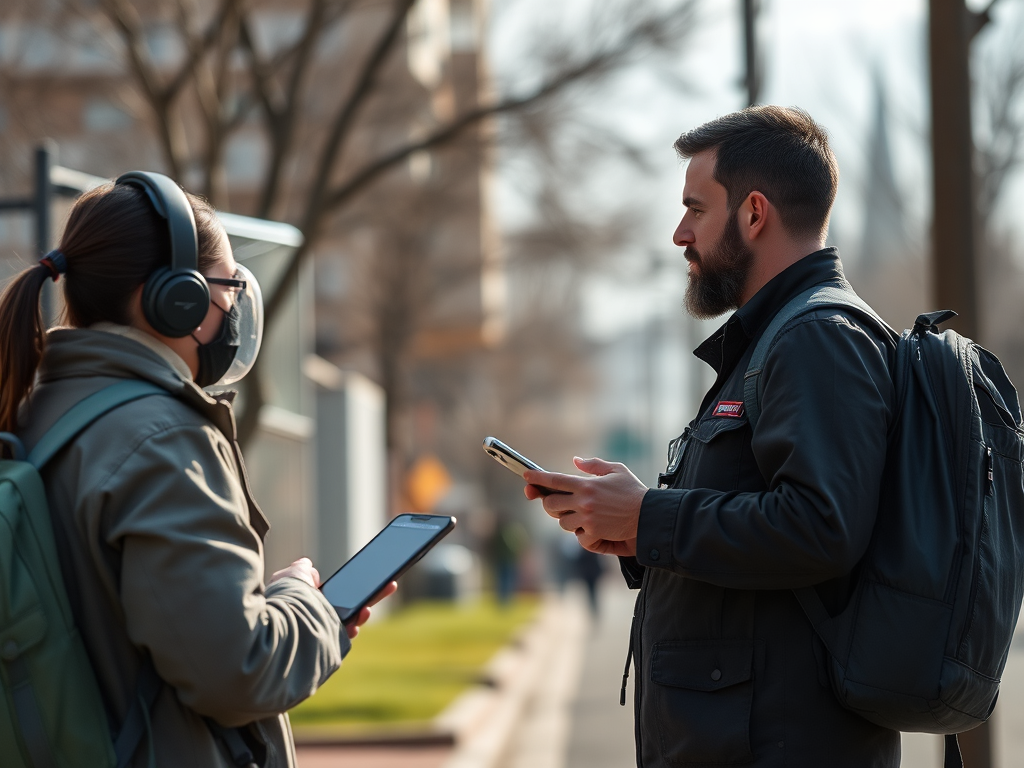
The role of social media in emergency communication is critical for timely information dissemination and community engagement. During crises, platforms like Twitter and Facebook enable rapid updates, facilitate public alerts, and help coordinate resources. However, misinformation can spread quickly, underscoring the need for verified sources and official communication channels to ensure public safety. Understanding how to leverage these tools effectively can significantly enhance community resilience during emergencies.
Understanding the Impact of Social Media on Communication
Social media has transformed the landscape of emergency communication, providing a platform for fast and widespread dissemination of information. Its real-time nature allows authorities to communicate crucial updates, such as evacuation orders or safety instructions, directly to the public. Moreover, social media fosters community interaction, enabling individuals to share their experiences, report incidents, and even offer assistance. This two-way communication enhances situational awareness and can lead to quicker responses during emergencies.
However, the effectiveness of social media in emergency situations is contingent upon several factors, including the digital literacy of the population and the accessibility of technology. Communities with higher social media engagement are often better prepared and more resilient when crises arise. For instance, during natural disasters, residents who actively follow local agencies on platforms like Twitter receive timely alerts that can save lives.
Best Practices for Using Social Media in Emergencies
To maximize the benefits of social media during emergencies, it is essential to adopt best practices that prioritize clarity and accuracy. First, official agencies should establish a consistent voice across platforms to build trust with their audience. This includes using clear language, avoiding jargon, and providing actionable information. For example, instead of simply stating that a storm is approaching, agencies might specify the expected impact, recommended actions, and resources available to the community.
Another crucial practice is the use of verified information. During emergencies, misinformation can proliferate rapidly, potentially endangering lives. Agencies should actively monitor social media for false claims and respond promptly with accurate information. Utilizing hashtags related to the emergency can also help consolidate information and make it easier for users to find relevant updates.
Challenges and Risks of Social Media in Crisis Situations
Despite its advantages, social media poses several challenges in emergency communication. One of the most significant issues is the spread of misinformation. During crises, unverified posts can mislead the public, leading to panic or inappropriate responses. For instance, during the COVID-19 pandemic, numerous false claims about the virus circulated on social media, complicating public health responses.
Moreover, not all community members may have equal access to social media, creating potential information gaps. Vulnerable populations, such as the elderly or those without internet access, might miss crucial updates, underscoring the need for multi-channel communication strategies. Authorities should complement social media efforts with traditional media and direct outreach to ensure equitable information dissemination.
Case Studies: Successful Use of Social Media in Emergencies
Examining real-world examples highlights the effectiveness of social media in emergency communication. During Hurricane Harvey in 2017, the City of Houston utilized Twitter to provide real-time updates on evacuation routes and shelter locations. This proactive communication strategy not only kept residents informed but also facilitated community coordination, allowing neighbors to assist one another.
Another notable example occurred during the 2019 Australian bushfires, where social media was instrumental in disseminating warnings and safety information. The New South Wales Rural Fire Service used Facebook to engage with the community, providing essential updates and encouraging residents to prepare. This approach led to increased public awareness and a more organized response to the fires.
Frequently Asked Questions
How can social media improve emergency communication?
Social media enhances emergency communication by facilitating rapid information sharing, enabling real-time updates, and fostering community interaction for support and resource coordination.
What are the risks associated with using social media in emergencies?
The primary risks include the spread of misinformation, unequal access to technology among community members, and the potential for information overload, which can confuse rather than inform.
How can agencies combat misinformation on social media?
Agencies can combat misinformation by actively monitoring social media, promptly addressing false claims with verified information, and providing clear communication to guide the public.
What role does community engagement play in emergency communication?
Community engagement is crucial as it helps build trust, encourages information sharing, and fosters a collaborative response during emergencies, ultimately enhancing resilience.
Why is it important to have a multi-channel communication strategy?
A multi-channel communication strategy ensures that all community members receive critical information during emergencies, addressing disparities in access to technology and social media.
Conclusion
Social media’s role in emergency communication is undeniable, offering rapid dissemination of information and fostering community engagement. To harness its full potential, agencies must adopt best practices that prioritize accuracy and clarity while being mindful of the risks involved. By combining social media efforts with traditional communication methods, authorities can ensure that all community members stay informed and safe during emergencies. Engaging with the community, addressing misinformation, and implementing effective communication strategies are essential steps toward enhancing resilience in the face of crises.
Additional Resources
Authoritative Sources
- American Red Cross Emergency Preparedness
redcross.orgPractical emergency preparation, safety, and supply guidance for households.