
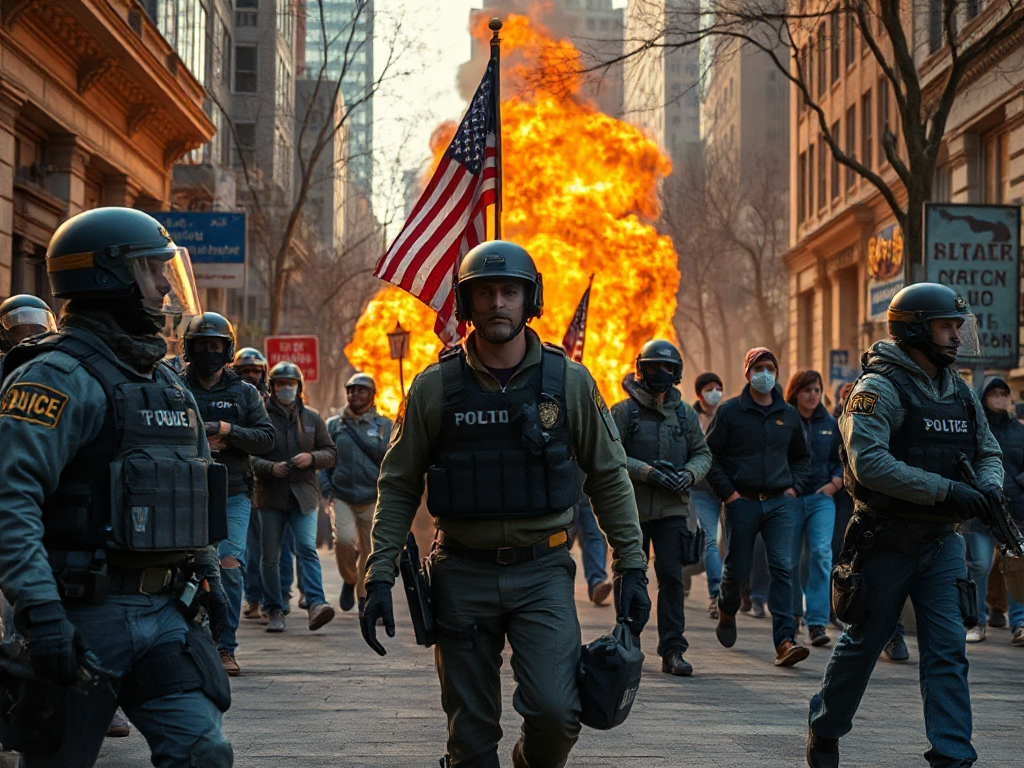
Preparing for unexpected civil unrest scenarios requires a strategic approach that includes developing a comprehensive community response plan and ensuring access to emergency supplies. Communities should engage local leaders and residents to identify potential triggers and establish clear communication channels. Regular training and drills can enhance preparedness, allowing individuals to respond effectively during crises. Additionally, fostering community networks can provide support and information, helping residents stay informed about local conditions and safety measures.
Understanding Civil Unrest Dynamics
Civil unrest can arise from various factors including political, social, and economic grievances. Recognizing the underlying causes is essential for effective preparation. Key triggers often include systemic inequality, government actions, or economic downturns, which can lead to protests or riots. Understanding these dynamics helps individuals and communities anticipate potential unrest and respond appropriately.
For instance, during significant political events or elections, the likelihood of unrest typically increases. Communities should assess their local context, identifying historical patterns of unrest and the specific issues that may lead to future incidents. By being aware of these dynamics, individuals can better prepare themselves and their neighborhoods for unexpected situations.
Developing a Community Response Plan
A robust community response plan is critical in mitigating the impact of civil unrest. This plan should outline clear roles and responsibilities, communication strategies, and evacuation routes. Engaging community members in the planning process fosters a sense of ownership and collaboration, which is vital during crises.
Start by forming a community task force that includes local leaders, law enforcement, and residents. This group can conduct risk assessments and develop strategies tailored to local needs. For example, they can identify safe gathering places for residents during unrest and establish lines of communication to keep everyone informed. Regular drills and meetings will help ensure readiness and adaptability.
Emergency Supplies and Resources
Having the right emergency supplies on hand can significantly enhance safety during civil unrest. Essential items include food, water, first aid kits, flashlights, batteries, and communication devices. It’s advisable to prepare a go-bag that can be quickly accessed in case of sudden unrest.
Additionally, communities should consider creating resource-sharing networks to support each other during crises. This could involve pooling supplies or sharing information about safe areas and available assistance. For instance, neighborhoods can establish a local hub where residents can access resources or assistance during times of unrest.
Staying Informed and Connected
Staying informed is crucial in preparing for unexpected civil unrest scenarios. Residents should monitor local news, follow updates from community leaders, and engage with social media platforms that provide real-time information. Establishing a network of communication among neighbors can facilitate quick sharing of information and resources.
Consider utilizing group messaging apps or community bulletin boards to disseminate important updates and safety information. Regular community meetings can also provide opportunities for residents to discuss concerns and share insights, which fosters a sense of unity and preparedness.
Frequently Asked Questions
What should I include in my emergency go-bag?
Your emergency go-bag should include water, non-perishable food, a flashlight, batteries, a first aid kit, important documents, and a communication device.
How can I stay informed during civil unrest?
Monitor local news, follow social media updates, and engage with community groups for real-time information about ongoing situations.
Why is community engagement important in preparedness?
Community engagement fosters collaboration, ensuring that residents are informed, prepared, and can support each other during crises.
What are common mistakes in preparing for civil unrest?
Common mistakes include underestimating the risk, failing to communicate with neighbors, and not having adequate emergency supplies ready.
How often should I review my emergency plan?
Your emergency plan should be reviewed and updated regularly, especially after significant events or changes in the community.
Conclusion
Preparing for unexpected civil unrest scenarios requires a proactive approach that includes understanding the dynamics of unrest, developing a community response plan, gathering emergency supplies, and maintaining strong communication networks. By prioritizing these areas, individuals and communities can enhance their safety and resilience during times of crisis. Engaging with local resources and staying informed will ensure that you are ready to respond effectively when unrest occurs.
Additional Resources
Authoritative Sources
- FEMA National Preparedness
fema.govFederal preparedness, mitigation, response, and community-resilience resources.
- American Red Cross Emergency Preparedness
redcross.orgPractical emergency preparation, safety, and supply guidance for households.