
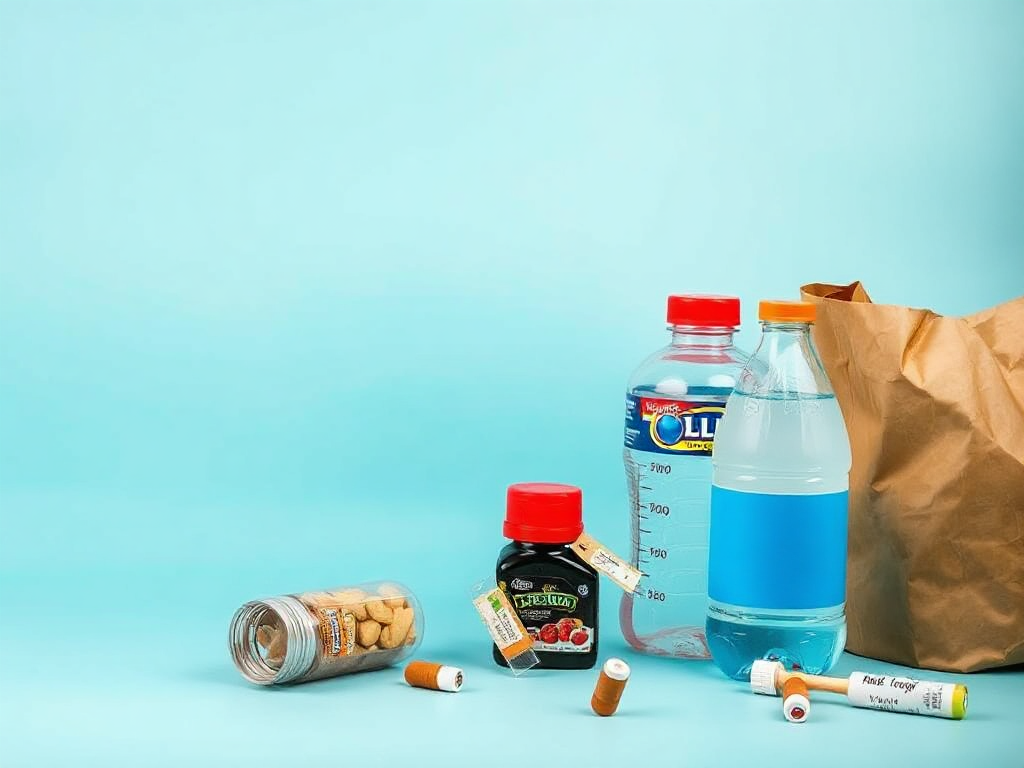
Reduce waste in emergency supply buying by matching quantities to realistic household needs, choosing durable multi-use items, recording purchase dates, and rotating food, water, batteries, and medical supplies before they expire. Buy a small working reserve first, then expand it only after testing storage space, packaging, and actual household consumption. Favor products your household already uses rather than unfamiliar emergency-only items that may be rejected, forgotten, or discarded. Review supplies on a fixed seasonal schedule, consolidate duplicates, donate suitable surplus before its use-by date, and replace damaged or expired items selectively instead of clearing an entire shelf.
What you’ll learn
This guide covers the following practical points:
- Start With Household Demand, Not Fear-Based Shopping — Waste usually begins before a product reaches the storage shelf.
- Choose Supplies That Store Well and Serve More Than One Purpose — Low-waste purchasing favors products with long practical lives, familiar uses, and packaging suited to the storage environment.
- Build Rotation Into Food, Water, and Battery Storage — Rotation works when supplies move through ordinary household use and are replaced with newer purchases at the back of the storage area.
- Use a Purchase Review System That Prevents Overstocking — A purchase review system should answer four questions before money is spent: Do we already own it?
Start With Household Demand, Not Fear-Based Shopping
Waste usually begins before a product reaches the storage shelf. A sale, alarming news report, or vague goal such as “be ready for anything” can lead to buying quantities that do not match household size, dietary habits, available space, or likely scenarios. A better starting point is a short inventory of people, pets, medications, cooking methods, and hazards that are actually relevant to the home.
Separate supplies into three levels: items needed immediately, items useful during a several-day disruption, and optional equipment for less likely events. Water, shelf-stable meals, prescribed medications, sanitation supplies, lighting, and a way to receive information normally deserve attention before specialized tools. This ordering reduces the risk of spending a limited budget on niche gear while basic supplies remain missing.
Consumption history is more reliable than optimistic estimates. If nobody in the household eats a particular canned meal during normal life, buying a case for storage creates a predictable disposal problem. Purchase one or two units, prepare them using the intended method, and ask whether the taste, texture, portion, and required fuel are acceptable. The same test applies to water containers, portable stoves, filters, and battery-powered equipment.
A useful first-pass worksheet records the item, quantity on hand, normal use, expiration or replacement date, storage location, and intended scenario. Avoid treating every printed date as an automatic discard signal; product labeling varies, and condition and manufacturer guidance matter. For safety-sensitive products such as medications, infant items, or compromised packaged goods, follow the relevant official instructions rather than improvising.
The common mistake is buying for an imagined crowd or an extreme scenario before checking the household’s ordinary routine. A two-person home with limited shelving may need a compact, frequently rotated reserve, while a larger household may justify bulk packaging if it can consume the contents. The goal is not the largest stockpile; it is a usable reserve that remains usable.
Choose Supplies That Store Well and Serve More Than One Purpose
Low-waste purchasing favors products with long practical lives, familiar uses, and packaging suited to the storage environment. A shelf-stable food that can be eaten without special equipment has more flexibility than one requiring a particular appliance, large amounts of water, or a fuel source that may be unavailable. Multi-use items also reduce duplication: a sturdy flashlight, for instance, may serve routine power outages, vehicle needs, and evacuation packing.
Durability does not mean buying the most expensive version. Compare the item’s expected service life, repairability, replacement parts, storage footprint, and frequency of ordinary use. A small rechargeable light may reduce disposable battery purchases if the household can reliably recharge it, but it is a weaker choice where charging access is uncertain. Keeping a modest battery-powered backup alongside a rechargeable primary light may be less wasteful than owning several untested devices.
Packaging deserves careful attention. Oversized containers can create partial leftovers that are difficult to protect after opening. Individually portioned packs may cost more per unit but can reduce spoilage when only one person needs the item. Conversely, single-use packaging may create unnecessary waste when the household already owns clean, resealable containers suitable for storage. Select the format according to consumption speed, not simply the lowest shelf price.
Emergency-only products often fail because they are unfamiliar. A household that normally uses ordinary canned beans, rice, nut butter, or shelf-stable milk may rotate those foods naturally. A novelty meal with unusual ingredients may sit untouched until its quality declines. Food preferences, allergies, dental needs, and cooking capacity should shape the reserve; an item that no one can safely or comfortably use is not a successful purchase.
Before ordering, check compatibility. A water treatment device may require a specific cartridge, a stove may require a particular fuel canister, and a radio may use batteries that no other household device accepts. The tempting mistake is judging an item by its advertised function while ignoring the consumables and accessories that make it work. How to reduce waste in emergency supply buying depends on evaluating the complete operating system, not just the headline product.
Build Rotation Into Food, Water, and Battery Storage
Rotation works when supplies move through ordinary household use and are replaced with newer purchases at the back of the storage area. It is more dependable than setting a distant calendar reminder to inspect an untouched stockpile. Place older items where they are visible, label newly purchased items with the purchase month, and keep a simple list of quantities rather than relying on memory.
Food rotation should account for opening speed. A household may use canned vegetables frequently but rarely consume a large container of powdered drink mix. Store smaller formats for slow-moving products, and use opened packages promptly according to their label directions. Keep foods in a cool, dry, stable location; heat, moisture, pests, and repeated temperature swings can shorten practical storage life even when a date appears distant.
Water storage requires a different check because container condition matters as well as the water itself. Inspect containers for leaks, swelling, damage, contamination, or labels that have become unreadable. Follow the manufacturer’s storage and replacement guidance, and avoid placing containers where chemicals, direct sunlight, or freezing conditions can damage them. Buying more water than the home can safely store is not efficient preparedness.
Batteries and rechargeable devices need functional testing. Corroded batteries can damage equipment, while rechargeable cells gradually lose capacity when neglected. Test lights, radios, chargers, and power banks during a scheduled review, then replace only the failed component. If a device uses an uncommon battery, record that fact and decide whether maintaining a separate supply is worth the burden.
A practical rotation sequence is simple:
- Use the oldest suitable food and household supplies first.
- Move newer purchases behind existing stock.
- Test powered equipment and inspect containers.
- Remove damaged or unsafe products immediately.
- Donate suitable surplus early, following the receiving organization’s rules.
The failure mode to avoid is treating rotation as an annual purge. A large discard event usually signals that the original quantities, formats, or storage location were poorly chosen. Smaller reviews tied to grocery shopping, seasonal household maintenance, or a recurring bill make correction cheaper and less disruptive. Related storage decisions can be compared with How to reduce waste in emergency supply buying when adjusting a reserve after an actual outage or near miss.
Use a Purchase Review System That Prevents Overstocking
A purchase review system should answer four questions before money is spent: Do we already own it? Can we use it under the likely conditions? How long will it remain usable? What will replace or consume it? If the answer to any question is unclear, delay the purchase until the gap is resolved. This short pause prevents duplicate flashlights, excessive water containers, incompatible fuel, and food no one wants to eat.
Divide the shopping list into “replace,” “use soon,” “test,” and “buy later.” Replace items that are damaged, unsafe, or essential and unavailable. Use soon identifies surplus that belongs in normal meals or household activity. Test covers equipment whose reliability is unknown. Buy later contains useful upgrades that should not displace missing fundamentals. This approach protects the budget from turning every preparedness concern into an immediate purchase.
Cost-per-use is more informative than sticker price. A compact first-aid item used during routine household care may justify its place more readily than a specialized tool that requires training and sits untouched. Yet repeated ordinary use should not consume the entire reserve; mark a minimum quantity and replenish when the level is reached. A reserve without a replenishment trigger gradually disappears, while an oversized reserve ties up cash and storage space.
Review the system after real events. If a power outage reveals that the family dislikes the stored meals, lacks a manual can opener, or cannot find the batteries, record those failures while they are fresh. Do not respond by buying everything that was inconvenient. Identify the specific bottleneck, test the least wasteful fix, and revise the list. A manual opener and a few familiar meals may solve more than another large emergency kit.
Discounts can still be useful, but only when the product passes the same tests as a full-price purchase. A lower unit cost is not a saving if the item expires before use, needs an accessory you lack, or occupies storage needed for higher-priority supplies. How to reduce waste in emergency supply buying is ultimately a budgeting and operations problem: purchase deliberately, verify function, consume on schedule, and replace selectively.
Frequently Asked Questions
What should be bought first to reduce waste?
Buy items that meet immediate needs, fit likely scenarios, and are already familiar to the household, such as water, routine foods, sanitation supplies, lighting, and required medications.
How often should emergency supplies be reviewed?
Review them at least seasonally and whenever household size, dietary needs, storage conditions, or equipment changes. Smaller checks linked to regular shopping often work better than one annual purge.
Is it wasteful to buy bulk emergency food?
Bulk buying is reasonable when the food is familiar, properly stored, and consumed before its quality declines. It is wasteful when the household has not tested the product or lacks space to protect it.
What should be done with surplus supplies?
Use suitable items in normal household routines, share or donate them before their use-by dates when accepted, and discard products that are damaged, contaminated, or unsafe.
How can duplicate emergency purchases be avoided?
Keep a dated inventory showing quantity, location, operating accessories, and replacement needs. Check it before shopping and separate urgent replacements from optional upgrades.
Conclusion
Waste falls when emergency buying becomes a controlled household system rather than a reaction to fear or discounts. Match quantities to real consumption, test unfamiliar foods and equipment, choose storage formats that suit the available space, and rotate older supplies through normal use. Water containers, batteries, medications, and other date-sensitive items deserve scheduled inspections, but not every product needs to be replaced at once. After an outage or other disruption, record the specific failure instead of responding with a larger shopping spree. A dated inventory, clear replenishment threshold, and short seasonal review can keep the reserve useful without allowing it to become expensive clutter. Buy the next item only when its purpose, storage conditions, and future use are clear.
Additional Resources
Authoritative Sources
- American Red Cross Emergency Preparedness
redcross.orgPractical emergency preparation, safety, and supply guidance for households.