
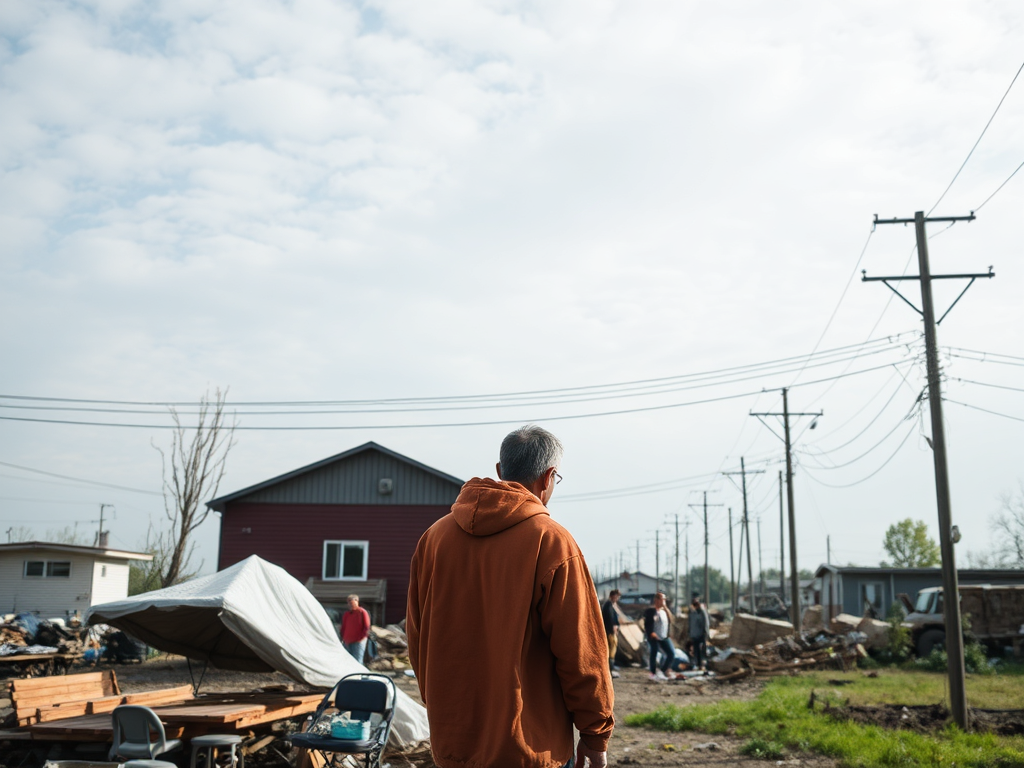
To prepare for the psychological impact of disasters, individuals should develop a robust mental health strategy that includes establishing a support network, engaging in stress-reduction techniques, and accessing professional resources. It's crucial to recognize the signs of emotional distress and be proactive in seeking help. Building resilience through community involvement and maintaining open communication can significantly mitigate the psychological effects of a disaster.
What you’ll learn
This guide covers the following practical points:
- Understanding the Psychological Impact of Disasters — The psychological impact of disasters can be profound and long-lasting, affecting individuals and communities in various ways.
- Building a Support Network — Creating a strong support network is vital in preparing for the psychological aftermath of disasters.
- Coping Strategies for Emotional Resilience — Effective coping strategies are essential for managing the psychological impact of disasters.
- Accessing Professional Resources — In some cases, the psychological impact of a disaster may require professional intervention.
Understanding the Psychological Impact of Disasters
The psychological impact of disasters can be profound and long-lasting, affecting individuals and communities in various ways. After a disaster, people may experience a range of emotions including fear, anxiety, sadness, and confusion. Understanding these reactions is essential for effective preparation and response. Common psychological responses include post-traumatic stress disorder (PTSD), depression, and anxiety disorders, which can hinder recovery and everyday functioning.
Recognizing the signs of psychological distress is crucial. Symptoms may include intrusive memories of the event, emotional numbness, irritability, and difficulty concentrating. These responses are normal reactions to abnormal situations, but they may require attention and intervention. Preparing mentally for the possibility of a disaster can enhance individuals’ resilience and coping abilities, enabling them to manage their emotions more effectively.
Building a Support Network
Creating a strong support network is vital in preparing for the psychological aftermath of disasters. Family, friends, and community members can provide emotional support and practical assistance during challenging times. Building connections before a disaster occurs ensures that individuals have a reliable support system in place when they need it most.
Consider participating in community preparedness programs or local support groups to foster relationships with others who share similar concerns. Engaging in these networks not only enhances social connections but also promotes a sense of belonging and shared purpose. Encouraging open communication about mental health within these networks can normalize discussions about feelings and experiences, making it easier for individuals to seek help when needed.
Coping Strategies for Emotional Resilience
Effective coping strategies are essential for managing the psychological impact of disasters. Techniques such as mindfulness, meditation, and deep-breathing exercises can help individuals manage stress and anxiety. Regular physical activity is also beneficial, as it releases endorphins that improve mood and reduce feelings of tension.
Another important strategy is to maintain a routine. Establishing daily habits can provide a sense of normalcy and control during chaotic times. Additionally, engaging in creative outlets such as art, music, or writing can facilitate emotional expression and processing of traumatic experiences.
It’s crucial to avoid isolating oneself during difficult times. Instead, reach out to others for support, whether through informal gatherings or organized community events. Sharing experiences and feelings with trusted individuals can alleviate feelings of loneliness and promote healing.
Accessing Professional Resources
In some cases, the psychological impact of a disaster may require professional intervention. Mental health professionals can provide valuable support through therapy, counseling, and medication management. It’s important to recognize when self-help strategies are insufficient and to seek professional guidance.
Communities often have resources available, such as crisis hotlines, mental health clinics, and support groups specifically tailored for disaster survivors. Familiarizing oneself with these resources ahead of time can enhance preparedness and ensure timely access to help when needed. Remember that seeking help is a sign of strength and an essential step toward recovery.
Frequently Asked Questions
What are common psychological reactions to disasters?
Common reactions include anxiety, depression, PTSD, and emotional numbness, which can affect daily functioning.
How can I build a support network for disaster preparedness?
Engage with family, friends, and community groups to establish relationships that can provide emotional and practical support.
What coping strategies are effective for managing stress after a disaster?
Mindfulness, physical activity, maintaining routines, and creative outlets are effective strategies for managing stress.
When should I seek professional help after a disaster?
If self-help strategies are insufficient, or if distress significantly impacts daily life, it's important to seek professional support.
Conclusion
Preparing for the psychological impact of disasters involves understanding potential emotional responses, building a supportive network, and developing effective coping strategies. Engaging with mental health professionals and utilizing community resources can further enhance resilience. By prioritizing mental health and fostering connections, individuals can better navigate the challenges posed by disasters and support their recovery journey.