
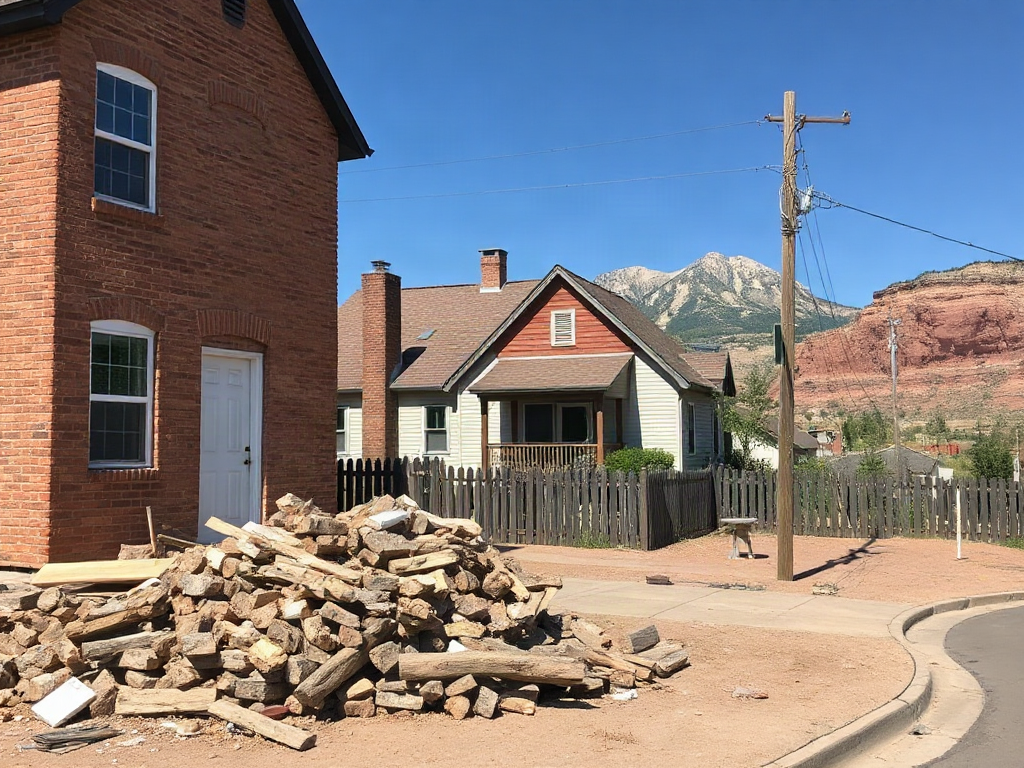
Earthquake preparedness in Utah’s most likely hazards means preparing for strong shaking, falling contents, aftershocks, liquefaction, landslides, and utility failures rather than focusing only on the earthquake itself. Secure heavy furniture, identify safe cover away from windows, store water and essential medications, and learn how to shut off utilities if needed. Utah’s Wasatch Front faces notable risk from active faults, while soil conditions can increase damage in some areas and steep terrain can add landslide concerns. A useful plan also covers family communication, pets, mobility needs, and the possibility that roads, power, gas, and water service may be disrupted for more than a short period.
Utah’s Main Earthquake Hazards and Why Location Matters
Utah earthquake planning should begin with the hazards created by ground movement, not with a shopping list. The Wasatch Fault system is the state’s best-known earthquake concern, particularly along the populated Wasatch Front, but risk is not limited to one visible fault line. Earthquakes can produce intense shaking, surface movement, falling objects, damaged utilities, fires, blocked roads, and aftershocks. The likely experience differs between a detached home, a high-rise apartment, a manufactured home, a school, and a workplace.
Local ground conditions also change the consequences. Loose, water-saturated soils may lose strength during severe shaking, a process commonly called liquefaction. Areas near steep slopes may face rockfall or landslide movement. Older masonry buildings and structures that have not been properly anchored can be more vulnerable than newer buildings designed under later seismic provisions. These factors do not predict the exact outcome for an individual address, but they show why a generic emergency kit is only one part of the work.
A practical first step is to review local hazard information, identify the construction era and structural type of the building, and ask which services could fail. A home on firm ground may still suffer serious interior injuries from an unsecured television or water heater. Conversely, a well-secured interior can remain comparatively manageable even when transportation or water service is interrupted. The mistake is treating neighborhood hazard maps as a substitute for building-specific preparation.
Use the Earthquake preparedness in Utah’s most likely hazards topic as a household assessment: mark exits, sleeping areas, utility shutoffs, fire extinguishers, and places where glass, shelving, or heavy objects could fall. Renters should ask property managers about anchoring, gas shutoff procedures, and emergency access rather than assuming those responsibilities are already covered.
Reduce Injury Risks Inside the Home
The most controllable earthquake danger inside a Utah home is often the interior environment. Shaking can turn unsecured furniture, mirrors, appliances, dishes, and stored containers into impact hazards. A tall bookcase that appears stable under normal conditions may tip when its contents shift and its center of gravity moves. Preventive work should therefore concentrate on bedrooms, living areas, kitchens, and routes to exits.
Anchor tall furniture to wall framing with hardware suited to the item and wall construction. Use latches on cabinets containing glass or heavy cookware, and place breakable objects away from bed locations. Strap or otherwise secure water heaters according to applicable installation guidance, because a displaced unit can damage pipes or create a burn or fire hazard. Flexible connections and professional evaluation may be appropriate where gas appliances, masonry, or structural alterations are involved.
Sleeping areas deserve special attention because occupants may have little warning and limited visibility. Move beds away from windows, hanging objects, and tall furniture. Keep sturdy shoes, a flashlight, and necessary medications within reach, but avoid placing loose heavy items above the bed. A phone may provide light, yet it should not be the only solution because it can be damaged, discharged, or separated from its owner.
Compare the cost of anchoring with the cost of replacing furniture and treating an injury, but do not assume every do-it-yourself repair is safe. Drilling into the wrong material can fail, and improvised straps may not hold the load. For a manufactured home, older structure, chimney, retaining wall, or suspected foundation problem, a qualified professional may provide more useful guidance than a general hardware purchase. An easy test is to inspect whether each attachment transfers force into a sound structural member; decorative wall contact alone is not adequate.
Readers building a broader Earthquake preparedness in Utah’s most likely hazards checklist should photograph secured installations and record shutoff locations. Documentation helps a household notice unfinished work and gives responders or contractors clearer information after the event.
Build a Utah-Specific Household Response Plan
A response plan must account for separation. An earthquake may occur while adults are at work, children are at school, and relatives are traveling across the Wasatch Front. Cell networks may be congested, roads may be obstructed, and familiar routes may become unsafe because of broken glass, downed lines, or damaged bridges. A plan that depends on everyone returning home immediately is less useful than one with clear meeting points and an out-of-area contact.
Choose two meeting locations: one close to the home for a short-distance separation and another outside the immediate neighborhood if the property or street cannot be reached. Establish who collects children, who checks on an older relative, and who is responsible for pets. Include alternate caregivers and written contact information for households that rely on internet-connected devices. Schools, employers, and apartment buildings may have their own reunification procedures, so record those details before an event rather than trying to reconstruct them afterward.
Communication instructions should be short enough to follow under stress. After checking for immediate injuries and hazards, household members can send a brief text if service is available, conserve battery power, and avoid unnecessary calls. Do not enter a visibly damaged building simply to retrieve belongings. If gas is suspected, avoid flames, switches, and anything that could create a spark; leave the area and follow guidance from local authorities or the utility.
People with mobility, hearing, vision, medical, or sensory needs require specific adjustments. A walker may be difficult to use around fallen objects, refrigerated medication may need an alternate storage plan, and a service animal may react to noise or debris. Practice moving to a safe location and communicating without relying on a single device. The common failure is writing a plan around an ideal household with one car, healthy adults, no pets, and uninterrupted communications.
Write the plan on paper and review it when leases, schools, jobs, medications, or family responsibilities change. A short annual drill can reveal whether everyone knows where to take cover, how to leave safely, and which meeting point remains realistic.
What to Do During Shaking and After the Quake
During shaking, the standard protective action is to drop, cover, and hold on. Drop before the movement makes balance difficult, cover the head and neck under sturdy furniture when available, and hold on until the shaking stops. If no shelter is close, stay low and protect the head and neck with the arms. Moving across a room toward a doorway or outside can expose a person to falling glass, furniture, and exterior debris.
Indoors, remain inside until the shaking ends unless there is an immediate life-threatening danger. Stay away from windows, mirrors, cabinets, and exterior walls. In bed, remain there and cover the head with a pillow unless a heavy object threatens the location. In a vehicle, stop in a safe place away from bridges, overpasses, trees, poles, and utility lines; remain inside until movement stops, then proceed cautiously.
Aftershocks can dislodge weakened materials and create a second injury opportunity. Check people first, then look for fire, smoke, gas odors, sparking wires, broken pipes, and unstable structural elements. Wear sturdy footwear and gloves if available. Use a flashlight rather than an open flame, and do not use elevators in a damaged building. A small fire extinguisher may help with a controllable incipient fire only if escape remains possible; evacuation and emergency services take priority when conditions are uncertain.
Do not automatically shut off every utility. Gas should be turned off only when there is a suspected leak or another clear reason, and only if the shutoff can be reached safely. Once gas service is closed, restarting it may require the utility or a qualified professional. Water shutoff knowledge is useful when pipes break, while electrical hazards call for distance and professional assistance rather than experimentation.
Utah households should expect conditions to vary block by block. A neighbor may need help, but entering a damaged home or approaching a downed line can put both people at risk. Share verified information, follow official instructions, and avoid spreading unconfirmed reports about closures or utility status.
Supplies, Recovery Priorities, and Common Mistakes
Earthquake supplies should support sheltering in place while basic services are disrupted. Store drinking water, shelf-stable food, prescription and essential over-the-counter medicines, flashlights, batteries, first-aid materials, sanitation items, spare clothing, copies of key documents, and supplies for infants, older adults, pets, or medical equipment. Keep some items in a location that remains reachable if a garage door will not open or a storage room is blocked.
Water storage deserves more attention than novelty survival products. Containers should be food-safe, clearly dated, protected from heat and chemicals, and rotated according to the product instructions. Food should be familiar and usable without complicated cooking if power is out. A manual can opener, cash in small denominations, phone charging options, and sturdy work gloves often solve more immediate problems than specialized gadgets.
Prioritize the kit in this order:
- Immediate safety: shoes, light, first aid, fire response, and a way to identify utility hazards.
- Medical continuity: prescriptions, glasses, medical information, and backup power needs.
- Water and sanitation: drinking water, hygiene supplies, waste bags, and safe food handling.
- Communication and access: battery or hand-crank radio, chargers, contact details, and basic tools.
Recovery may begin with documenting damage, contacting insurers, and preventing further loss, but safety comes first. Photograph conditions only from a safe location. Avoid signing repair agreements under pressure, and verify contractors before authorizing major work. Renters should notify the landlord promptly and keep records of damage and communications.
A common mistake is buying supplies while ignoring structural vulnerabilities. Another is storing everything in one basement closet, where debris or flooding could make it inaccessible. Divide critical items between practical locations, inspect them periodically, and replace expired medicines or damaged batteries. The useful measure of preparation is not how full the container looks; it is whether a household can protect people, communicate, manage basic needs, and make sound decisions when normal systems are unavailable.
For a broader household review, connect these steps with Earthquake preparedness in Utah’s most likely hazards and update the priorities after moving, remodeling, or changing family responsibilities.
Utah residents can supplement this article with current guidance from the Utah Division of Emergency Management, the Utah Geological Survey, local emergency-management offices, and the U.S. Geological Survey. These organizations provide location-specific hazard information, public alerts, and earthquake safety recommendations that may change as local assessments and community procedures are updated.
Frequently Asked Questions
Is the Wasatch Fault the only earthquake concern in Utah?
No. The Wasatch Fault is a major concern, but earthquakes can occur elsewhere, and local soil, slope, building, and utility conditions affect the consequences.
Should I stand in a doorway during an earthquake?
Usually no. A modern doorway is not automatically safer, and moving toward it can expose you to falling objects. Drop, cover, and hold on instead.
What should I secure first in my home?
Start with tall furniture, water heaters, televisions, mirrors, cabinets, and objects above beds or seating areas. Focus first on places where people sleep and spend time.
When should earthquake supplies be stored?
Store them before an event, in more than one accessible location when practical. Include water, medications, lighting, sanitation supplies, food, and items for household-specific needs.
Should everyone evacuate after the shaking stops?
Not automatically. Check for immediate hazards and follow official instructions. Leave if the building is damaged, there is fire or a gas concern, or authorities direct evacuation.
Conclusion
Effective earthquake planning in Utah combines hazard awareness with simple actions that reduce injury and preserve options after the shaking. Secure the objects most likely to fall, improve sleeping-area safety, identify utility shutoffs, and create a communication plan that works when roads and cell service are unreliable. Store accessible water, medicines, lighting, sanitation supplies, and food that your household can actually use. Review building-specific concerns with a qualified professional when the structure, slope, chimney, or manufactured-home anchoring raises questions. Finish by practicing drop, cover, and hold on, checking the plan with family members, and updating supplies after life changes. Preparation cannot remove seismic risk, but it can reduce preventable harm and make the first hours more manageable.
Additional Resources
Authoritative Sources
- National Weather Service Safety
weather.govOfficial hazard, weather-readiness, and safety information.