Understanding the importance of food rotation in emergency preparedness is crucial. Many people overlook the significance of maintaining an organized food supply, leading to wasted resources and potential health risks. Proper rotation not only helps in consuming food before it reaches its expiration date but also ensures that you have a reliable stock of safe and nutritious options available when you need them most.
A common mistake is neglecting to periodically assess your food supplies. Without regular checks, you might find that some items have expired or degraded in quality, which can lead to food waste or health hazards. To avoid this, establish a routine for inspecting your emergency food storage and implementing a clear rotation system.
Understanding Food Expiration Dates
Food expiration dates are critical indicators of when food is no longer safe to consume. These dates vary based on the type of food and its preservation method. Understanding these distinctions can help you prioritize which items to consume first. For example, canned goods often last much longer than dry foods, but once opened, their shelf life diminishes significantly.
Many consumers confuse ‘sell by’, ‘use by’, and ‘best before’ dates, leading to premature discarding of food that is still safe. Knowing the nuances of these terms can be beneficial in planning your meals and ensuring your emergency supplies remain viable.
Prioritize checking the labels on your food items regularly. Items that are nearing their expiration dates should be marked for use in upcoming meals, ensuring they are consumed before they spoil. This proactive approach helps maintain a fresh and safe food supply.
Best Practices for Food Rotation
Implementing a first-in, first-out (FIFO) system is one of the most effective methods for food rotation. This means that you should consume the oldest items first, ensuring they do not go to waste. Organize your food storage so that older items are at the front and newer items are stored behind them.
Regular inventory checks are essential. Schedule time every few months to go through your supplies, checking for expired items and restocking as necessary. This not only keeps your food supply fresh but also helps you identify what items you use most often, which can inform future purchasing decisions.
Another effective practice is labeling your food items with the purchase or expiration dates. This visual cue can help you quickly identify which items need to be used sooner, reducing the chances of overlooking them during meal preparation.
Storage Solutions for Effective Rotation
Effective storage solutions play a vital role in the rotation of emergency food supplies. Use clear containers to store items, allowing for easy visibility of expiration dates and inventory levels. Consider investing in shelving units that can accommodate your food supplies efficiently, making it easier to organize and access older items.
Temperature and humidity control are also important factors in food preservation. Store your supplies in a cool, dry place to extend their shelf life. Avoid areas with high humidity or temperature fluctuations, as these conditions can accelerate spoilage.
Utilizing bins or baskets can help in grouping similar items together, making it easier to manage your inventory. For instance, keep canned goods separate from dry foods and label each bin accordingly. This organization facilitates quicker access and ensures that you can easily maintain your rotation system.
Common Mistakes to Avoid
One of the most common mistakes in food rotation is failing to keep track of inventory. Without a proper record, it is easy to forget what you have on hand, leading to over-purchasing or using only the newer items while older ones go to waste.
Another mistake is neglecting to incorporate a variety of foods in your emergency supplies. Relying too heavily on one type of food can result in nutritional deficiencies. Aim for a balanced mix of proteins, grains, fruits, and vegetables to ensure a well-rounded diet during emergencies.
Lastly, many people underestimate the importance of regular checks. Setting a reminder or schedule for inventory assessments can help maintain a fresh stock of food and prevent surprises when you need to rely on your emergency supplies.
Further Reading
Authoritative Sources
Food Product Dating fda.gov
This source provides comprehensive guidelines on understanding food labeling and expiration dates
Emergency Food Supply ready.gov
A resource for planning and maintaining a reliable emergency food supply
Food Rotation Guidelines extension.purdue.edu
Purdue Extension offers detailed strategies for effective food rotation practices
Frequently Asked Questions
What is the best way to organize my emergency food supplies?
Organize your supplies using a first-in, first-out system, ensuring older items are at the front. Clear containers and labels can help maintain visibility and manage inventory.
How often should I check my emergency food supplies?
It’s advisable to check your supplies every three to six months to ensure items are within their expiration dates and to restock as necessary.
Can I use food after the expiration date?
While some foods may still be safe to consume after the expiration date, it’s important to assess their appearance and smell. Always err on the side of caution and discard any questionable items.
What types of food should I include in my emergency supplies?
A balanced mix of proteins, grains, fruits, and vegetables is ideal. Consider shelf-stable options like canned goods, dried fruits, and whole grains.
How can I prevent food waste in my emergency supplies?
Implement a solid rotation system, regularly check expiration dates, and consume older items first to minimize waste and ensure a fresh supply.
Conclusion
Efficiently rotating your emergency food supplies is essential for maximizing shelf life and ensuring you have safe options available when needed. By implementing a first-in, first-out system, regularly checking expiration dates, and maintaining an organized storage solution, you can significantly reduce waste and enhance your preparedness. Remember to include a variety of foods to meet nutritional needs and regularly assess your supplies to keep them fresh and safe for consumption.
The common assumption that a few bottles of water will suffice during an emergency is misleading. In reality, the amount of water required can vary significantly based on factors like climate, activity level, and the nature of the emergency. For example, during a heatwave, individuals may require more water than usual, while situations involving physical exertion, such as evacuating or setting up shelters, further increase hydration needs.
A frequent mistake is not considering the full scope of water usage. Water is needed not only for drinking but also for cooking, hygiene, and sanitation. Inadequate planning can lead to dire consequences, especially in prolonged emergencies where access to clean water may be limited.
Understanding Hydration Requirements
Hydration needs can vary depending on several factors, including age, health, activity level, and environmental conditions. The general guideline of one gallon per person per day is a baseline that should be adjusted according to individual circumstances. For instance, children, pregnant women, and those with health issues may require more water.
In emergency situations, stress and physical exertion can increase the demand for water. During disasters, people often engage in activities that deplete fluids more rapidly, such as moving supplies or evacuating. Understanding these dynamics is crucial for effective preparation.
Additionally, many individuals underestimate how much water is needed for cooking and sanitation. One should prioritize not only drinking water but also adequate supplies for food preparation and hygiene to prevent health issues, particularly in prolonged emergencies.
Common Mistakes in Emergency Water Planning
A major pitfall in emergency preparedness is the assumption that bottled water alone will meet all hydration needs. People often stockpile a small number of bottles, thinking they will suffice, but this is far from the truth. A lack of comprehensive planning can lead to dire situations when water scarcity occurs.
Another mistake is neglecting to account for the number of people and pets in the household. Families often overlook the additional water required for pets, which can be significant, especially for larger animals. This oversight can lead to a lack of resources when they are needed most.
Moreover, many people fail to consider how long emergencies can last. Water supplies can diminish quickly, making it essential to prepare for extended periods without access to clean sources. This includes having a plan for water purification and storage.
Calculating Water Needs for Different Scenarios
To accurately determine water needs during emergencies, consider various scenarios such as natural disasters, prolonged outages, or evacuations. In a typical emergency, the baseline recommendation is one gallon per person per day. However, this should be adjusted based on the type of emergency.
For example, during a hurricane where evacuation is necessary, families may need to increase their water storage to account for travel and potential delays in returning home. Similarly, in situations like wildfires, where evacuation may be sudden, having portable water filtration systems can be a lifesaver.
Planning for varying scenarios also involves considering additional factors like climate. Hot weather increases water loss through sweat, necessitating higher intake. Conducting a risk assessment specific to your location can help tailor your water supply strategy more effectively.
Long-term Water Storage Solutions
When it comes to emergency preparedness, long-term water storage is essential. It’s vital to choose appropriate containers that prevent contamination and ensure the water remains potable. Food-grade plastic containers, glass, or stainless steel are recommended.
Additionally, regularly rotating your water supply is crucial. Storing water in a dark, cool place can extend its shelf life, but it should be changed out every six months to ensure freshness. Using water purification tablets can also extend the usability of stored water.
Lastly, consider investing in water purification systems, such as filters or UV systems, which can provide safe drinking water from questionable sources. This adds a layer of security for emergencies where clean water is compromised.
Further Reading
Authoritative Sources
Ready.gov: Water Needs ready.gov
Offers comprehensive guidelines on water needs and storage for emergencies
CDC: Emergency Water Supply cdc.gov
Provides information on safe drinking water and emergency preparedness
FEMA: Understanding Water Needs fema.gov
Details on calculating water needs during various types of emergencies
Frequently Asked Questions
How much water should I store for emergencies?
Experts recommend storing at least one gallon of water per person per day for a minimum of three days.
What are the best ways to purify water in an emergency?
Common methods include boiling, using water purification tablets, or employing a water filter designed for emergency use.
How long can I store water for emergencies?
Water can be stored for long periods, but it should be replaced every six months to ensure it remains fresh.
What should I do if I run out of stored water?
Look for alternative sources such as rainwater or nearby water bodies, and always purify before consumption.
Why is it important to account for pets in water storage?
Pets also require hydration, and neglecting their needs can lead to health issues during emergencies.
Conclusion
In emergencies, underestimating water needs can lead to severe consequences. Prioritizing adequate water supply is essential for health and survival. Preparing for various scenarios and understanding individual hydration needs will ensure you are better equipped when disasters strike. Regularly evaluate your water storage plan and consider investing in purification solutions to safeguard against unexpected shortages.
Understanding the context of the injury is vital. Factors such as the location of the injury, the environment, and the resources at hand can influence your response. For instance, in a remote area, improvisation may be necessary, such as using clean cloth for dressings or even creating splints from available materials. Always keep in mind that time is of the essence, and prioritizing actions based on the severity of the injury can make a significant difference.
Common mistakes include underestimating the severity of an injury or failing to act promptly. Many people mistakenly believe that minor injuries do not need immediate attention, which can lead to complications like infections. Additionally, overlooking signs of shock, such as rapid pulse or pale skin, can be dangerous. Therefore, it’s essential to stay vigilant and prepared to adapt your approach based on the situation.
Assessing the Injury
Accurate assessment is the first step in managing injuries when medical help is unavailable. Begin by examining the injured person for visible wounds, swelling, or deformities. Ask questions to gauge their level of consciousness and pain. This initial evaluation helps determine whether the injury is minor or requires urgent care.
the individual may be in shock or panic, which can complicate assessment. Keeping them calm is essential; use a soothing tone and provide reassurance. If the injury involves a fracture, ensure that the area is immobile to prevent further damage. Assess for bleeding, and if present, apply direct pressure to control it.
Prioritize your actions based on the findings. For example, if there is a clear fracture, focus on immobilization rather than cleaning a minor cut. Understanding how to prioritize can prevent exacerbating the injury and ensure that you are addressing the most critical issues first.
Basic First Aid Techniques
Basic first aid techniques are crucial for managing injuries in the absence of professional medical assistance. Key practices include cleaning wounds, dressing them properly, and applying pressure to stop bleeding. For minor cuts and scrapes, rinse the area with clean water, apply antiseptic if available, and cover it with a sterile bandage.
For more significant injuries, such as deeper cuts or lacerations, the approach may involve more intensive care. If bleeding is profuse, maintain pressure with a clean cloth or bandage. Elevation of the injured limb can also help reduce bleeding. Remember, it’s essential to avoid using non-sterile materials, as they can introduce infection.
Common pitfalls include neglecting to clean wounds adequately or using inappropriate materials for dressing. Always prioritize hygiene and ensure that any items used for dressing are as clean as possible. In situations where resources are limited, improvisation may be necessary, but maintaining cleanliness is paramount.
Managing Severe Injuries
Severe injuries, such as fractures or major lacerations, require careful management. For fractures, immobilization is critical; use splints or padded materials to stabilize the injury. Avoid moving the injured area unnecessarily, as this can worsen the damage.
In cases of major lacerations, controlling bleeding is the priority. Apply pressure directly to the wound, and if possible, elevate the injury above the heart level. If the bleeding does not stop after several minutes, consider using a tourniquet as a last resort, but be aware of the risks involved.
One common mistake is to attempt to realign a fracture without proper knowledge, which can lead to further complications. Instead, focus on immobilization and seek professional help as soon as it becomes available. Understanding the limits of your capabilities is crucial when managing severe injuries.
Preventing Infection and Complications
Injuries can easily become infected, especially when medical help is unavailable. To prevent infection, always clean wounds thoroughly and apply a sterile dressing. If a wound is large or deep, monitor it for signs of infection, such as increased redness, swelling, or pus.
Keeping the injured area as clean and dry as possible is essential. Change dressings regularly and ensure they are not too tight, which can impede circulation. If possible, educate the injured person on recognizing signs of infection so they can respond quickly if symptoms develop.
Common oversights include failing to keep the area clean or ignoring signs of infection. Be proactive in monitoring the injury and be prepared to take further action if complications arise. This vigilance can make a significant difference in recovery outcomes.
Further Reading
Authoritative Sources
American Red Cross First Aid redcross.org
This resource provides comprehensive first aid instructions and emergency preparedness tips
World Health Organization on Injury Prevention who.int
A valuable resource for understanding injury prevention and management strategies worldwide
CDC Injury Center cdc.gov
Offers insights on injury statistics, prevention, and safety guidelines
Mayo Clinic First Aid Basics mayoclinic.org
A reliable source for basic first aid techniques and emergency care guidelines
Frequently Asked Questions
What should I do first if someone is injured?
Ensure safety, then assess the severity of the injury. Provide immediate care based on your assessment.
How can I stop bleeding from a wound?
Apply direct pressure to the wound with a clean cloth or bandage. If bleeding persists, elevate the injury and continue applying pressure.
What are the signs of infection I should watch for?
Look for increased redness, swelling, warmth around the wound, or pus. If any of these signs appear, seek medical attention.
How do I handle a fracture without medical help?
Immobilize the fracture using splints or padding. Avoid moving the affected area and seek help as soon as possible.
Can I use regular materials for dressings?
Only use clean materials. Avoid non-sterile items as they can introduce infection. If sterile dressings are unavailable, ensure materials are as clean as possible.
Conclusion
Handling injuries when medical help is unavailable requires immediate assessment, prioritization, and appropriate care. Understanding the severity of the injury and acting quickly can significantly influence recovery outcomes. Always focus on basic first aid principles: controlling bleeding, preventing infection, and immobilizing injuries. Stay calm, be resourceful, and remember that your actions can make a critical difference until professional help is available. Prioritize safety, hygiene, and continuous monitoring of the injured person to ensure the best possible care.
When choosing lighting solutions for blackouts, consider factors such as the duration of the outage, your specific lighting needs, and the safety of the lighting method. Battery-operated LED lanterns offer bright, long-lasting light and are portable, making them ideal for both indoor and outdoor use. Meanwhile, solar-powered lights can be charged during the day and are perfect for prolonged outages, provided there’s sufficient sunlight. Rechargeable flashlights are versatile and can be used in various scenarios, but their battery life should be monitored to avoid running out of power when needed most.
It’s essential to avoid common mistakes, such as relying solely on candles, which pose fire hazards, or not having enough batteries or fuel for your chosen lighting options. Prioritizing the right lighting solutions can significantly impact your safety and comfort during blackouts, making it critical to be prepared in advance.
Battery-Operated LED Lanterns: The Reliable Choice
Battery-operated LED lanterns are among the best lighting options available during blackouts. They provide bright, even illumination and are designed to work for extended periods on minimal power. Many models are lightweight and portable, making them easy to move around as needed.
These lanterns often come with features such as adjustable brightness levels, built-in hooks for hanging, and water-resistant designs, enhancing their usability in various situations. When selecting a lantern, look for one with a long battery life and a robust construction that can withstand drops or rough handling.
One common mistake is underestimating the number of batteries needed. It’s wise to stock up on extra batteries to ensure your lantern remains operational throughout the outage. Consider investing in rechargeable batteries as well, which can save money and reduce waste in the long run.
Solar-Powered Lights: Harnessing the Sun’s Energy
Solar-powered lights are another excellent option during blackouts, especially if the outage lasts several days. These lights can be charged during the day, providing a renewable source of energy for nighttime use. They come in various forms, including garden lights, lanterns, and string lights.
One significant advantage of solar-powered lights is that they require no additional fuel or batteries, making them an environmentally friendly option. However, their effectiveness relies on adequate sunlight for charging, so it’s essential to ensure they are placed in direct sunlight during the day.
Many users overlook the importance of maintaining solar lights. Regularly clean the solar panels to ensure optimal charging efficiency, and consider investing in models with built-in batteries for extended use. Prioritize solar lights with a good track record for durability and performance.
Rechargeable Flashlights: Versatile and Convenient
Rechargeable flashlights are versatile tools that can serve multiple purposes during blackouts. They are compact, easy to store, and can provide focused light where needed. Many modern flashlights feature LED technology, offering bright light with extended battery life.
These flashlights often come with additional features such as adjustable beams, built-in USB charging ports, and even multi-function modes like strobe or SOS signals. This versatility can be crucial in emergencies, providing both illumination and signaling capabilities.
One common pitfall is failing to keep the flashlight charged. Make it a habit to regularly charge your flashlight, especially before storm seasons or known risk periods. Additionally, consider having multiple flashlights in different areas of your home to ensure you can always find one when needed.
Safety Considerations: Avoiding Hazards
While lighting options are essential during blackouts, safety should always be a priority. Open flames from candles or gas lamps can lead to house fires, so it’s best to avoid these options altogether. Instead, focus on electric-based lighting solutions that minimize fire risk.
In addition to avoiding flammable lighting sources, ensure that your lighting solutions are used safely. Keep cords and batteries out of reach of children and pets, and regularly check for signs of wear or malfunction. This vigilance can prevent accidents and ensure your lighting remains functional when needed.
Another important consideration is the potential for overloading circuits when using multiple lighting devices. Be mindful of the power capacity of your outlets, and avoid using high-wattage lights simultaneously. A smart approach is to use a power strip with surge protection to manage multiple devices safely.
Further Reading
Authoritative Sources
Authoritative Sources
Blackouts: Prepare for Emergencies ready.gov
This resource provides comprehensive information on preparing for power outages, including essential safety tips and lighting options
Frequently Asked Questions
What is the safest lighting option during a blackout?
Battery-operated LED lanterns are the safest option as they eliminate fire hazards associated with open flames.
How long do battery-operated lanterns last?
Most battery-operated lanterns can last anywhere from 8 to 50 hours, depending on the brightness settings and battery quality.
Can I use solar-powered lights indoors?
Should I rely on candles during blackouts?
It’s best to avoid candles due to the risk of fire. Use electric lighting options instead.
How can I ensure my rechargeable flashlight is always ready?
Regularly charge your flashlight and store it in an accessible location to ensure it’s ready when needed.
Practical interpretation of this decision involves understanding the risks associated with both staying and leaving. Evacuating can expose you to dangers on the road, such as traffic congestion, lack of shelter, or unforeseen hazards. On the other hand, remaining at home during a severe threat could lead to isolation, injury, or worse. It’s crucial to weigh these risks against each other, considering your specific circumstances, such as family members’ needs, available supplies, and the time required to evacuate safely.
A common mistake people make in these situations is underestimating the urgency of a threat. Many wait too long to evacuate, leading to dangerous conditions on the road or at evacuation centers. Prioritizing early action can help mitigate risks. Additionally, always have a well-thought-out plan in place, including a communication strategy with family and friends, so everyone knows what to do in an emergency. This preparation can make the decision between staying home or evacuating clearer and more straightforward.
Understanding Emergency Types
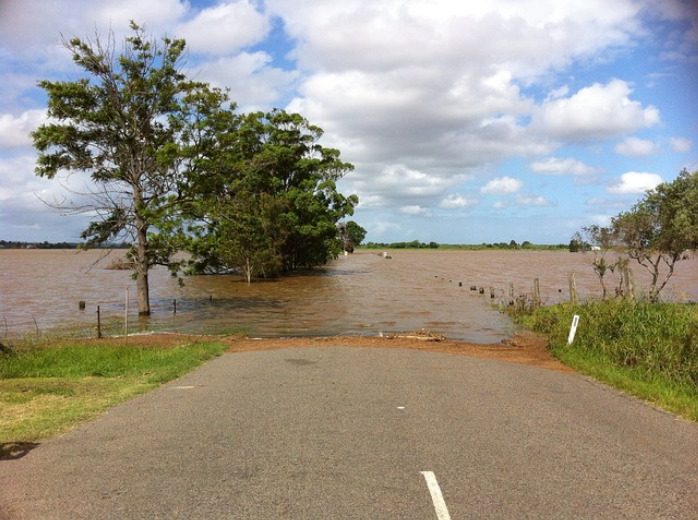
Different emergencies require different responses. Natural disasters like hurricanes, floods, or wildfires may necessitate immediate evacuation, while civil disturbances might allow for a more measured response. Understanding the specific nature and severity of the emergency is crucial in making an informed decision. For instance, a mandatory evacuation order during a hurricane indicates that conditions are life-threatening, whereas a localized civil unrest situation may not require immediate departure.
When assessing the type of emergency, consider the potential for escalation. Is the situation likely to worsen, or is there a chance that it will stabilize? This assessment can inform whether to stay put or evacuate. Always stay informed through reliable news sources or emergency management updates, as these can provide vital information on the evolving situation.
Moreover, recognize the emotional aspect of emergencies. Panic can lead to hasty decisions, so it’s essential to remain calm and collected. A well-informed decision can save lives and reduce stress. Keep a checklist of what to monitor, such as weather updates and local advisories, to help guide your decision-making process.
Evaluating Home Safety
Your home’s safety is a primary factor in deciding whether to stay or evacuate. Assess the structural integrity of your home and its ability to withstand potential threats. For example, if you live in a flood-prone area, consider the elevation of your home and the likelihood of water intrusion. Similarly, if you’re in a wildfire zone, evaluate the defensibility of your property against fire.
Another critical aspect is the availability of resources at home. Do you have enough food, water, and medical supplies to last several days? In situations where evacuation is not feasible, having a well-stocked emergency kit can make a significant difference. Ensure that you have access to a communication device, such as a charged mobile phone, to receive updates and communicate with others.
Many people underestimate the importance of home safety assessments before an emergency occurs. Regularly inspect your home for vulnerabilities and make necessary improvements. This proactive approach can increase your confidence in staying home during an emergency, knowing you have taken steps to mitigate risks.
Planning Your Evacuation
If you decide that evacuating is the best option, having a solid plan in place is essential. Identify multiple evacuation routes in advance, as some roads may become impassable due to traffic or debris. Familiarize yourself with local shelters and their capacity, as well as any accommodations for pets if applicable.
Prepare an emergency kit that includes essential items such as food, water, medications, first-aid supplies, and important documents. Ensure that your vehicle is ready for travel, with a full tank of gas and emergency supplies on hand. This preparation can significantly reduce the stress associated with last-minute evacuations.
One common mistake is failing to account for the time it takes to evacuate. Delays can occur due to traffic, weather conditions, or unforeseen circumstances. Plan to leave earlier than you think is necessary, allowing for any potential setbacks. This foresight can ensure that you arrive safely at your destination without unnecessary risks.
Common Mistakes to Avoid
Several common pitfalls can hinder effective decision-making during emergencies. One major mistake is relying solely on social media for updates, which can be unreliable. Instead, prioritize official sources, such as government alerts and local news, for accurate information.
Another error is underestimating the impact of panic. In high-stress situations, individuals may overlook critical details or fail to follow their emergency plan. Practice drills with your family to ensure everyone knows their role and the necessary steps to take in an emergency.
Additionally, avoid waiting too long to make a decision. The sooner you assess the situation and act, the better your chances of ensuring safety. Be proactive in your approach, and encourage those around you to do the same. This mindset can be pivotal in emergency scenarios.
Further Reading
For more information on emergency preparedness and decision-making, refer to official resources from local government agencies or organizations like the Federal Emergency Management Agency (FEMA). These sources provide valuable insights and guidelines on how to best prepare for and respond to various emergencies.
Further Reading
Authoritative Sources
Ready.gov ready.gov
Official U.S. preparedness guidance, checklists, and planning resources for households and emergencies.
FEMA fema.gov
Federal emergency management resources, disaster planning information, and recovery guidance.
American Red Cross Emergency Preparedness redcross.org
Practical emergency preparation steps, supply lists, and safety guidance for families.
National Weather Service weather.gov
Official forecasts, hazard alerts, and weather safety information.
CDC Emergency Preparedness and Response cdc.gov
Public health guidance for emergencies, disasters, and recovery situations.
Frequently Asked Questions
What factors should I consider when deciding to evacuate?
Consider the severity of the threat, the safety of your home, available resources, and evacuation routes.
How can I prepare my home for emergencies?
Regularly assess your home’s structural integrity and stock emergency supplies like food, water, and medical kits.
What should I include in an emergency evacuation kit?
Your kit should include food, water, medications, first-aid supplies, and important documents.
How can I stay informed during an emergency?
Use reliable sources such as government alerts and local news for accurate and timely information.
What are common mistakes people make during emergencies?
Common mistakes include relying on social media for updates, underestimating panic, and waiting too long to decide.
Conclusion
Deciding whether to stay home or evacuate during an emergency is a complex but vital choice. Prioritize assessing the nature of the threat, the safety of your home, and the availability of resources. Make informed decisions based on reliable information and establish a clear plan for evacuation if necessary. By preparing in advance and understanding the risks involved, you can ensure the safety of yourself and your loved ones during emergencies.
Find the gaps most families don’t notice until something goes wrong.
Free. Practical. No fear-mongering.
By requesting this resource, you agree to receive practical PREPARE Magazine guides, tools, and email updates. You can unsubscribe anytime. Privacy Policy