
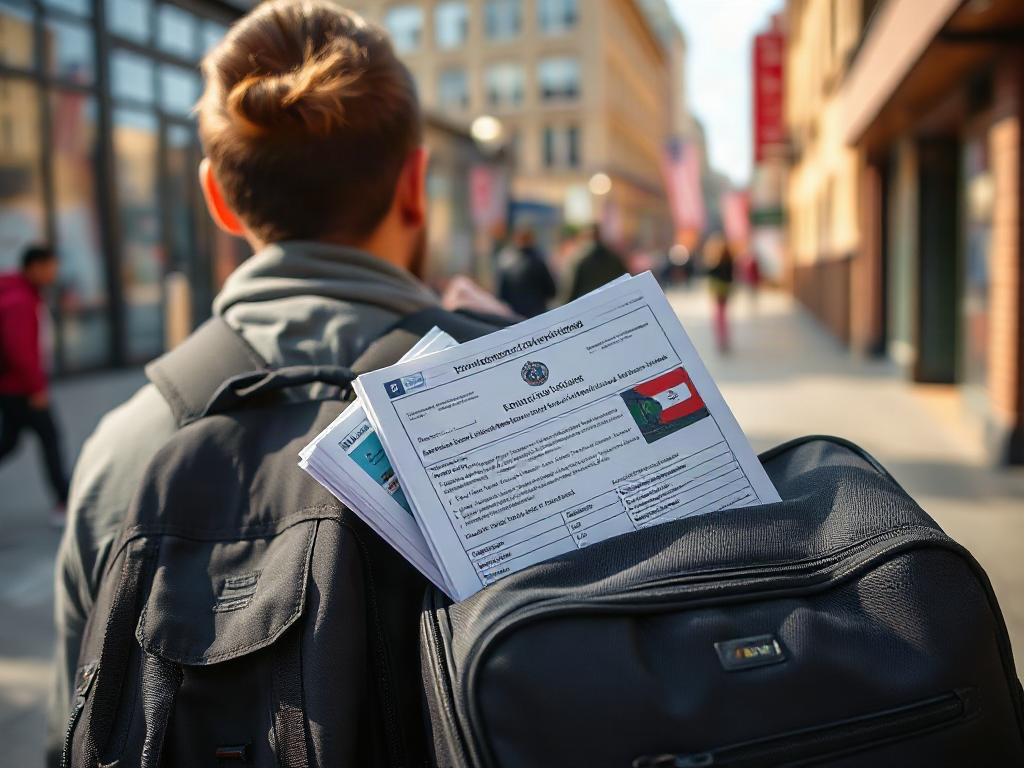
Travelers should carry emergency response information that identifies them, names reliable contacts, summarizes critical medical details, and explains how to obtain insurance or consular assistance. The record should include allergies, essential medications, relevant conditions, policy and assistance numbers, destination addresses, and copies of identification and travel documents. Keep one paper copy accessible and a protected digital copy available offline, because a locked phone, dead battery, language barrier, or lost passport can delay help. Review the information before every trip, and give a trusted contact the itinerary and only the records they may need during an emergency.
Identity, Contact, and Itinerary Records
A useful travel emergency record connects the traveler to a verified identity, a reachable person, and a known destination. It should show the traveler’s full legal name, date of birth, nationality, primary home contact details, emergency contacts, accommodation addresses, transportation reservations, and planned route. International travelers should also record their passport number, issuing country, issue and expiration dates, and the location of a securely stored copy.
These details serve different purposes. Identity information can help authorities distinguish between people with similar names. An itinerary narrows the search area when a traveler misses a check-in or fails to arrive. Accommodation details tell family members, insurers, or officials which local organization to contact first. A flight number alone is not an itinerary; include dates, transfer points, lodging, and any independent travel between booked segments.
Choose emergency contacts by availability rather than relationship alone. A spouse traveling on the same trip is a poor sole contact because both people may lose communications at once. Name at least one person who remains outside the travel area, knows the planned route, and has permission to speak with an insurer or provide requested records. Write the contact’s full name, relationship, telephone number with international dialing code, and email address. If family circumstances are sensitive, specify whom responders should and should not notify.
Consider a traveler who leaves a guided tour for a two-day hiking detour. The original booking confirmation no longer shows where that person is expected to be. An updated route, trailhead location, vehicle description, overnight stop, and scheduled check-in time give the home contact something actionable. Without those details, a delayed return may look identical to an ordinary loss of phone coverage.
A compact identity and itinerary record should cover:
- Who: legal name, date of birth, nationality, and a recent identifying photograph.
- Where: transportation segments, lodging addresses, independent routes, and expected arrival times.
- Who to call: an at-home contact and a backup who understand the itinerary.
- What was issued: passport or identification details and securely stored copies.
Do not place every sensitive document in an exposed luggage tag or wallet sleeve. The visible card should contain enough information to summon help, while passport copies and detailed records belong in protected storage. A fuller Emergency response information that must accompany travelers record can then be released by the traveler or trusted contact when it is actually needed.
Medical Information Responders Can Use
Medical information should emphasize facts that could change immediate care. Record serious allergies and the reaction they cause, essential prescription medicines, major diagnoses relevant to urgent treatment, implanted devices, blood-thinning medication, and communication or mobility needs. Use generic drug names where known because brand names vary between countries. Include usual dose and schedule, but keep the original pharmacy label with the medicine whenever possible.
A long medical history is less useful at the scene than a short, current summary. A responder needs to know that a traveler has a severe penicillin allergy, uses insulin, takes an anticoagulant, or has an implanted cardiac device before learning about a resolved childhood injury. List the treating clinician or pharmacy as a verification contact, not as a substitute for the actual facts. Office numbers may be unanswered across time zones, and privacy rules may limit what staff can disclose.
Medication continuity deserves separate attention. Travelers should carry enough prescribed medicine for the planned trip plus a reasonable delay when permitted, along with copies of prescriptions or a clinician’s letter when destination rules call for documentation. Medicine should generally remain in carry-on baggage rather than checked luggage so it stays available during diversions or baggage delays. Entry rules for controlled medicines differ by destination, so travelers must verify requirements with the appropriate embassy or health authority before departure.
Suppose an unconscious traveler arrives at a clinic with only a pill organizer. Staff may not know what the tablets are, whether they are current, or which dose was taken. A dated medication list with generic names, strengths, schedules, allergies, and prescriber details supplies much better context. It does not replace clinical assessment, and a blood type printed on a personal card should not be assumed to replace testing required by a medical facility.
Language can create another failure point. For a destination where the traveler does not speak the local language, add a professionally translated or carefully verified statement for a severe allergy, a condition such as diabetes or epilepsy, and any critical communication need. Translation applications may assist with conversation, but they can fail offline or misstate clinical terms. A short prewritten statement is more dependable for a known high-risk issue.
Review the medical page after any prescription, diagnosis, pregnancy status, accessibility need, or emergency contact changes. Mark the review date clearly. Outdated information is not merely untidy: an old dose, discontinued medicine, or obsolete contact can misdirect care. The goal is a concise clinical snapshot that supports responders without pretending to be a medical chart or treatment instruction.
Insurance, Consular, and Local Assistance Details
Assistance records should show whom to call, what service was purchased, and what authorization may be required. Carry the travel or health insurance company’s emergency number, policy number, covered traveler names, claims contact, and any instructions for preauthorization. Distinguish medical treatment coverage from medical evacuation, trip interruption, vehicle assistance, and personal-property coverage; they may be handled by different providers or excluded entirely.
An insurance card by itself can create false confidence. Domestic health coverage may have limited application abroad, while some travel policies reimburse expenses only after the traveler pays. Evacuation coverage may arrange transport to an appropriate facility rather than to the traveler’s preferred hospital at home. Read the policy terms before departure and note the procedure for emergencies, including whether the assistance center should be contacted before non-urgent treatment or transport.
International travelers should record the nearest embassy or consulate contact information and the destination’s local emergency numbers. Police, ambulance, and fire services do not use the same number everywhere. Consular personnel may help replace a lost passport, communicate with family, provide lists of local medical or legal services, and assist during a major crisis. They generally cannot provide medical care, guarantee safety, pay private bills, or override local law.
For example, after a scooter collision, a traveler may need local ambulance services first, the insurer’s assistance line once immediate danger is controlled, and consular help if identification was lost. Calling the embassy instead of the local emergency number can waste critical time. The record should therefore separate contacts by function rather than presenting an undifferentiated page of telephone numbers.
Add destination-specific information that changes the response: lodging reception, tour operator, local host, rental vehicle provider, roadside assistance, and a reliable translation contact if available. Travelers visiting remote areas should note the nearest practical clinic and how local rescue requests are initiated, but they should verify those details locally rather than relying on an old online post. Satellite communicators and locator beacons may add a contact path where cellular coverage is absent, yet they work only when activated, registered, charged, and used within service limitations.
The most useful Emergency response information that must accompany travelers assigns each contact a job: immediate rescue, medical coordination, document replacement, transportation support, or family notification. Test international dialing formats and save policy documents for offline access. A number that appears complete at home may fail abroad if the country code or required dialing prefix is missing.
How to Store, Share, and Update the Information
Redundant storage protects access without exposing every record unnecessarily. Keep a compact paper card on the traveler, a protected paper copy separate from the original documents, and an encrypted or password-protected digital copy available offline. A phone contact labeled for emergencies can help, but it should not be the only method: the device may be damaged, discharged, locked, stolen, or unable to connect.
Separate immediate-response facts from high-risk identity records. A wallet card can display the traveler’s name, urgent allergies, essential conditions, and two contact numbers. Passport scans, insurance documents, prescription letters, and the detailed itinerary belong behind authentication or with a trusted contact. Avoid storing unencrypted scans in ordinary email drafts or publicly shared folders. Convenience matters, but unrestricted access can turn a lost device into an identity and privacy problem.
Sharing should be deliberate. Give the complete itinerary and check-in schedule to one dependable person, then explain what action to take after a missed contact. A vague request to “call someone if I disappear” leaves the contact guessing about normal delays. Specify the expected check-in time, a grace period suitable for the route, whom to call first, and which information may be released. For remote travel, the trigger may be a missed evening satellite message; for urban business travel, it may be failure to arrive for a scheduled flight with no other contact.
A practical predeparture check can be completed in this order:
- Confirm that names, passport dates, policy numbers, medicine details, and telephone codes are accurate.
- Save local emergency, insurer, lodging, transport, and consular contacts for offline use.
- Place the short response card where responders can reasonably find it.
- Secure detailed copies separately and send the itinerary to the designated home contact.
- Agree on check-in times and the point at which a delay should be escalated.
Signs that the arrangement works are straightforward: the traveler can retrieve essential details without internet access, the home contact can describe the route and next check-in, and both understand which organization handles each problem. Signs of failure include a spouse on the same trip being the only contact, unlabeled medication, a password no trusted person can access, expired insurance details, and an itinerary that stops at the arrival airport.
Recheck the packet immediately before departure rather than relying on a permanent template. Destination addresses, transport segments, medication lists, and assistance providers change. Families can maintain a standard form, but each journey requires its own verified copy. For groups, every adult should carry personal information; one group leader’s folder may become inaccessible if the party separates.
Frequently Asked Questions
What emergency information should a traveler carry in a wallet?
Carry a short card with the traveler’s full name, two emergency contacts, severe allergies, essential medical conditions, critical medicines, and insurer assistance number. Keep passport scans and detailed financial information in protected storage instead.
Should emergency travel records be printed or digital?
Use both. Paper remains available when a phone is dead or damaged, while a protected offline digital file can hold fuller records and replacement-document copies.
Who should receive a copy of the itinerary?
Choose a reliable person who is not traveling with the group, can be reached during the trip, understands the check-in schedule, and knows which insurer, operator, or authority to contact after a genuine missed check-in.
Is a passport copy enough if the original is lost?
No. A copy is not a valid travel document, but its identifying details may support the replacement process. Contact the appropriate embassy or consulate and follow its instructions.
How often should travelers update emergency information?
Review it before every trip and after any change to medication, health needs, contacts, identification, insurance, lodging, transportation, or route. Add a review date so recipients can judge whether the record is current.
Conclusion
A strong travel emergency record is short enough to use under pressure but detailed enough to connect the traveler with appropriate help. Prioritize current identity and itinerary data, reachable contacts outside the travel party, treatment-relevant medical facts, and clearly labeled insurance, local emergency, and consular numbers. Store immediate-response facts where they can be found, while protecting passport copies and fuller records from casual access.
Before leaving, test the arrangement rather than merely assembling documents. Retrieve the files without internet service, check international dialing formats, confirm that medicines are accurately labeled, and ask the designated contact to describe the escalation plan. Update the packet for the specific destination and route. That final review exposes expired policies, obsolete prescriptions, missing lodging addresses, and unclear check-in expectations before they become obstacles during a disruption.