
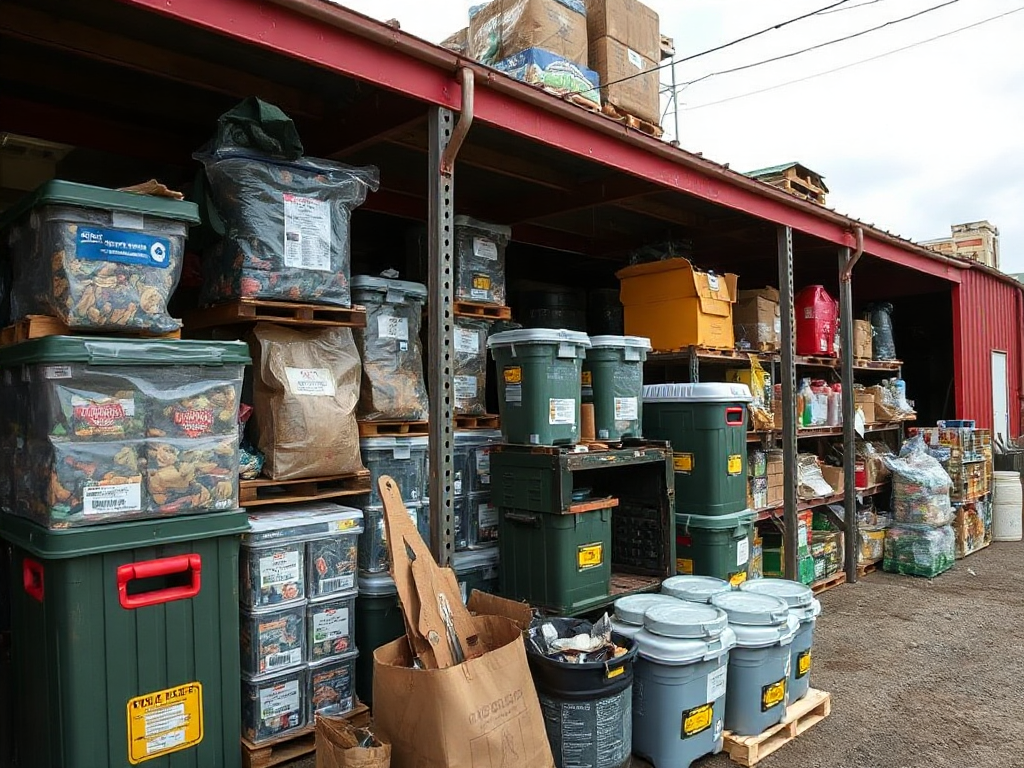
When preparedness spending becomes financially harmful, the problem is usually an expanding supply stockpile that displaces rent, debt payments, food, medical needs, or cash reserves without adding comparable resilience. Warning signs include buying duplicates before using existing items, carrying high-interest balances for equipment, purchasing specialized gear for unlikely scenarios, and ignoring storage, maintenance, or expiration costs. A safer approach is to protect essential household finances first, then fund the most probable disruptions with versatile supplies, basic skills, and a modest replenishment budget. Review purchases by risk reduced per dollar, pause nonessential buying, and redirect money toward debt reduction, insurance gaps, transportation, and immediately usable necessities.
When Preparedness Purchases Cross A Financial Line
Preparedness spending becomes financially harmful when it weakens the household’s ability to handle ordinary financial shocks. A basement full of supplies does not compensate for missed rent, unpaid utility bills, unaffordable medication, or credit-card balances that continue accumulating interest. Resilience depends on both physical readiness and financial flexibility, so a purchase should be judged by the disruption it addresses, how often it can be used, and what essential obligation it displaces.
The distinction is not between spending nothing and buying everything. A few gallons of stored water, shelf-stable foods the household already eats, flashlights, batteries, first-aid materials, and a way to receive alerts may address common short-term disruptions at a relatively modest cost. A specialized generator, large freeze-dried-food order, protective equipment, or duplicate storage system may require substantially more money, maintenance, and space. The expensive option is not automatically more protective if the household cannot operate, store, test, or replace it.
Consider two households with the same emergency concern. One buys a costly device on credit while postponing an overdue vehicle repair. The other keeps a smaller supply of familiar food, maintains transportation, and sets aside cash for an unexpected bill. The second household may have less impressive equipment, yet it has fewer points of failure during a power outage or evacuation. The comparison illustrates why financially harmful preparedness spending is a resource-allocation problem, not a test of commitment.
A useful first question is whether the purchase reduces a credible risk or mainly reduces anxiety for a few minutes. Anxiety can produce urgency, bulk buying, and repeated research that never becomes a usable plan. Practical readiness should leave core finances intact and create capabilities that remain useful after the imagined event has passed.
Warning Signs That Spending Has Become Harmful
The clearest warning sign is substitution: preparedness purchases are being made with money needed for necessities. Delaying a housing payment, skipping a medical appointment, using high-interest credit, or reducing food quality to buy another supply container indicates that the budget has lost its boundary. Even a cash purchase can be harmful when it consumes the reserve needed for an ordinary car repair or temporary loss of income.
Inventory behavior provides another useful signal. Buying duplicates without checking dates, opening packages, or confirming compatibility often means the stockpile is growing faster than household use. Water containers may need inspection, batteries may lose charge, food may expire, and fuel-related equipment may require safe storage and periodic testing. The sticker price hides these ongoing costs. A cheap item that is forgotten in a damp shed can be less useful than a slightly more expensive item that is accessible, familiar, and maintained.
Specialization also deserves scrutiny. Gear designed for a rare scenario may look reassuring but offer little value during a winter outage, temporary water interruption, job disruption, or short evacuation. Before buying, identify the exact task, the likely duration, the people affected, and the alternative if the product fails. A multipurpose light, portable charger, manual can opener, and ordinary household food may serve several scenarios; a narrowly designed device may serve only one.
Watch for social and emotional pressure as well. Limited-time offers, alarming online content, and claims that a serious household must own a particular product can bypass normal purchasing judgment. A practical pause can expose the problem: wait one week, compare the item with an existing substitute, and write down the financial tradeoff. If the purchase still makes sense after that pause and can be paid for without sacrificing essentials, it may deserve consideration. If not, the urge was probably carrying more weight than the risk.
Prioritizing Resilience Without Sacrificing Stability
Financially sound preparedness begins with a priority order rather than a shopping list. Protect current housing, utilities, food, medication, transportation, insurance, and minimum debt obligations before adding specialized supplies. The exact order varies by household, but the principle is consistent: a measure that prevents an everyday disruption from becoming a crisis often has greater practical value than equipment reserved for a low-probability event.
Next, match spending to local and household-specific exposure. A household in a cold climate may place more value on safe warmth, layered clothing, and outage communication than on desert water-hauling equipment. Someone who relies on refrigerated medication has a different vulnerability from a household focused mainly on food storage. Mobility limitations, pets, infants, remote work, and limited transportation change the priority list. Broad internet checklists can identify categories, but they cannot decide which gap matters most in one home.
Use a simple value test for each proposed purchase:
- Probability: Could this household reasonably face the disruption?
- Consequence: What happens if the gap remains unresolved?
- Versatility: Can the item serve ordinary life or multiple hazards?
- Readiness: Can everyone use, maintain, and access it?
- Financial effect: Will buying it reduce cash reserves or increase costly debt?
This test favors boring but dependable actions in many homes: maintaining a vehicle, keeping documents accessible, learning how to shut off utilities, storing food that is already eaten, and keeping a small amount of cash available. Those choices may feel less dramatic than acquiring advanced equipment, but they address operational failure points. The common mistake is treating visible inventory as proof of readiness while overlooking skills, access, communication, and the money required to keep the household functioning.
A Practical Review Process For Existing Supplies
A spending correction does not require discarding everything or abandoning preparedness. It requires turning an accumulation into a working system. Start by gathering receipts, account statements, subscriptions, storage costs, and recent purchases. Separate items into four groups: immediately useful, useful after testing, excess or duplicate, and unsuitable. This review often reveals that the largest problem is not one expensive item but a pattern of small purchases that escaped scrutiny.
Test the first group under ordinary conditions. Cook a meal from stored food, charge the backup power source, operate the radio, inspect water containers, and confirm that every household member can find essential items. Testing exposes compatibility and usability problems before an emergency does. It also shows whether a product has a genuine place in the household’s routine. A backup stove that nobody can safely operate is not equivalent to a tested cooking method.
The second group needs a decision, not indefinite storage. Set a date for testing, maintenance, or use. If an item cannot be used safely, has no clear storage location, or requires a replacement part that costs more than its likely value, selling, donating, recycling, or returning it may be more rational than keeping it. Check manufacturer instructions and local disposal rules for batteries, fuel, chemicals, and pressurized equipment rather than improvising.
Use recovered money deliberately. Applying proceeds to high-cost debt, restoring an emergency reserve, paying for needed vehicle maintenance, or buying a truly missing basic item converts past overspending into stronger resilience. Do not automatically replace sold items with a new version. The purpose of an audit is to reduce financial leakage and clarify priorities, not to create another shopping cycle. Readers comparing expenses with readiness gaps can use this spending review question set before making the next purchase.
Building A Sustainable Preparedness Budget
A sustainable budget treats preparedness as household maintenance rather than a race toward a finished stockpile. Create a separate monthly or quarterly amount only after essential bills, debt requirements, and savings goals are covered. The amount can be small; consistency matters more than a dramatic one-time purchase. Assign part of it to replenishment and maintenance, because food rotation, battery replacement, training, and equipment testing are recurring responsibilities.
Divide the budget between immediate gaps and longer-term improvements. Immediate gaps might include safe drinking water, several familiar meals, lighting, communication, basic sanitation, and necessary medications managed according to professional instructions. Longer-term improvements might include weatherization, transportation repairs, backup power, or a skill class. A purchase that lowers future operating costs can compete favorably with a product that merely adds another object to storage.
Set stop rules before shopping. For example, do not buy a duplicate until the current item is used or fails; do not finance nonessential preparedness equipment; do not purchase food that the household will not eat; and do not add gear without assigning a storage location, test date, and maintenance cost. These rules are especially useful when marketing or fear makes a purchase feel urgent.
Review the budget after a move, income change, new medical need, household addition, or major hazard change. A plan that was affordable last year may not fit the current household. The strongest sign that the approach is working is not a fuller closet; it is fewer unresolved essentials, supplies that are rotated and understood, and enough financial room to respond when an unexpected bill arrives. For a broader household assessment, connect the budget review with the rest of the preparedness decision rather than treating shopping as the entire solution.
Frequently Asked Questions
Is buying emergency supplies ever financially harmful?
Yes. Spending becomes harmful when it uses money needed for housing, health care, food, transportation, debt obligations, or a cash reserve, especially when the purchases are duplicates or difficult to maintain.
What should come before expensive preparedness gear?
Address essential bills, high-cost debt, transportation reliability, insurance gaps, basic communication, water, food, sanitation, and household-specific medical needs before buying specialized equipment.
How can I tell whether a stockpile is too large?
It may be too large if items expire before use, storage obstructs access, duplicates accumulate, maintenance is unaffordable, or the inventory was funded by debt or skipped necessities.
Should I sell preparedness items I no longer need?
Possibly, if the items are safe, legal to transfer, functional, and unlikely to serve a realistic household need. Use the recovered money for essential repairs, debt reduction, savings, or a clearly identified readiness gap.
Can a small preparedness budget still be useful?
Yes. A modest recurring amount can cover familiar food, water containers, lighting, communication, sanitation, maintenance, and skill practice when purchases are prioritized and rotated instead of accumulated.
Conclusion
Preparedness should increase a household’s options, not remove its ability to pay for ordinary life. The first corrective step is to compare the supply shelf with the financial obligations and risks it may be competing against. Keep versatile items that are tested, accessible, and regularly used; question duplicates, specialized gear, and purchases carrying expensive debt. Direct freed-up money toward cash reserves, transportation, medication needs, basic utilities, and repairs that reduce everyday vulnerability. A sustainable approach also includes maintenance and replacement, so the budget reflects the real cost of ownership rather than the checkout price alone. Review the system after major household or income changes, and let actual local hazards and household needs—not marketing pressure—determine what deserves the next dollar.
Additional Resources
Authoritative Sources
- The importance of financial preparedness
main.sbcounty.govThe importance of financial preparedness · 1. Start an emergency savings account · 2. Create a budget · 3. Reduce debt · 4. Review your insurance ...
- Financial Preparedness
ready.govGet financial preparedness tips to prepare financially before a disaster. Also learn how to rebuild your life after a disaster or other ...