
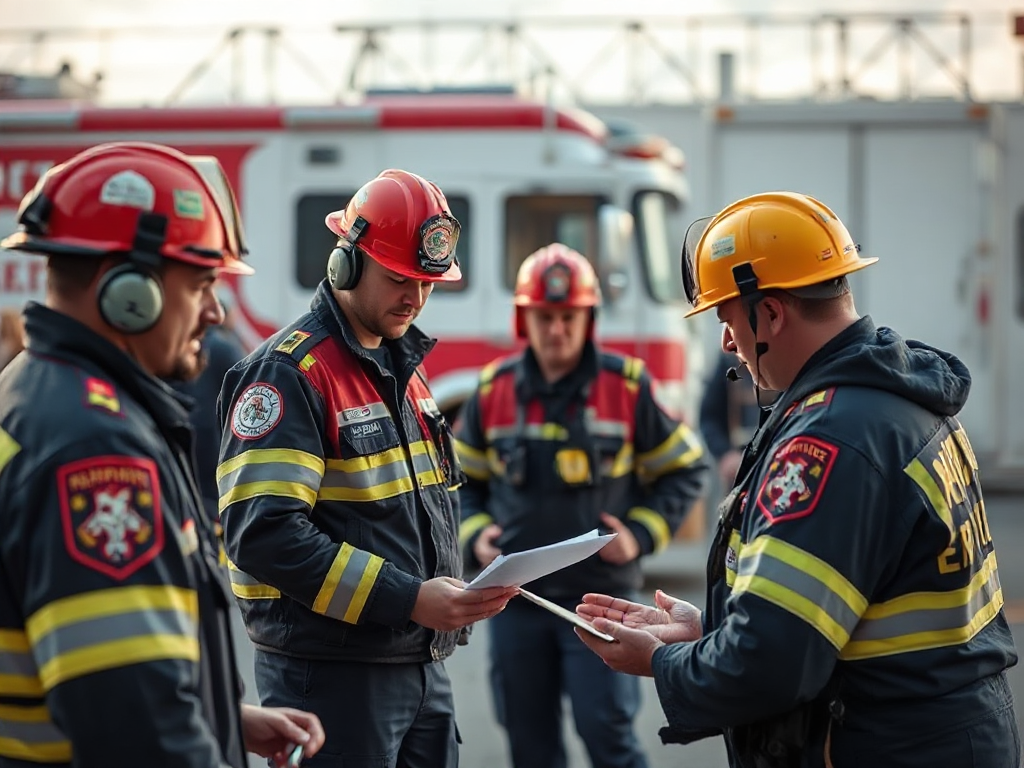
To create a training plan for emergency response, begin by assessing the specific needs of your organization or community, identifying potential hazards, and determining the skills required for effective response. Next, develop clear objectives and training modules tailored to various scenarios, ensuring that participants engage in hands-on practice. Regular evaluation and updates to the training plan are crucial to adapt to changing circumstances and improve overall readiness.
Assessing Needs and Hazards
Creating a training plan for emergency response starts with a comprehensive needs assessment. This involves identifying the specific hazards that may impact your organization or community, such as natural disasters, industrial accidents, or public health emergencies. Understanding the local context, including historical data on incidents, can provide valuable insights into potential risks.
To effectively assess needs, consider conducting surveys or focus groups with stakeholders, including emergency services, community leaders, and potential responders. This collaborative approach helps to identify gaps in existing training and resources, ensuring that the training plan addresses the most critical areas.
For example, a community that frequently experiences flooding may prioritize training in water rescue techniques and evacuation procedures, while an industrial facility might focus on hazardous material handling and fire safety protocols. By tailoring the training to the specific needs of the environment, you can enhance preparedness and response capabilities.
Defining Objectives and Training Modules
Once the assessment is complete, the next step is to define clear objectives for the training plan. Objectives should be specific, measurable, achievable, relevant, and time-bound (SMART). For instance, an objective could be to train 100% of staff in basic first aid within six months.
Following the establishment of objectives, develop training modules that cover essential skills and knowledge areas. These modules can include topics such as emergency communication, first aid, evacuation procedures, and incident command. Incorporating a mix of theoretical knowledge and practical skills is crucial for effective learning.
Consider utilizing various training formats, such as workshops, simulations, and online courses, to cater to different learning styles. For example, hands-on simulations allow participants to practice skills in a controlled environment, reinforcing their ability to respond effectively in real situations. Additionally, including scenario-based training can help participants apply their knowledge to practical situations.
Implementation and Hands-On Training
With objectives and training modules in place, the next phase is the implementation of the training plan. This involves scheduling training sessions, securing qualified instructors, and ensuring that all necessary resources are available. Effective communication is essential during this phase to ensure all participants understand the training schedule and expectations.
Hands-on training is a critical component of emergency response preparedness. Engaging participants in practical exercises, such as mock drills or tabletop exercises, allows them to practice their skills in realistic scenarios. This approach not only reinforces learning but also helps build confidence among responders.
For instance, conducting an evacuation drill in a workplace can highlight potential challenges and areas for improvement while familiarizing employees with the procedures. Additionally, feedback from participants during these drills can inform future training sessions, helping to refine the overall training plan.
Evaluation and Continuous Improvement
After implementing the training plan, it is vital to establish a system for evaluating its effectiveness. This can be achieved through participant feedback, assessments, and performance evaluations during drills. Regularly reviewing these evaluations will help identify strengths and weaknesses in the training program.
Continuous improvement is essential to adapt to changing circumstances, such as new regulations, emerging threats, or advancements in emergency response techniques. Schedule regular reviews of the training plan, incorporating lessons learned from evaluations and updates to best practices.
For example, if a new piece of equipment is introduced, update the training modules to include proper usage and safety protocols. By fostering a culture of continuous improvement, organizations can ensure that their emergency response training remains relevant and effective.
Frequently Asked Questions
What are the key components of an emergency response training plan?
The key components include needs assessment, defined objectives, training modules, hands-on training, and evaluation for continuous improvement.
How often should emergency response training be conducted?
Training should be conducted regularly, ideally at least once a year, with additional sessions for new staff or significant updates in procedures.
What types of training formats are most effective?
A combination of workshops, simulations, and online courses is often most effective, catering to different learning styles and reinforcing practical skills.
How can I assess the effectiveness of my training plan?
Effectiveness can be assessed through participant feedback, performance evaluations during drills, and regular reviews of the training content.
Why is continuous improvement important in emergency response training?
Continuous improvement ensures the training remains relevant, adapting to new threats, regulations, and advancements in emergency response techniques.
Conclusion
Creating a training plan for emergency response is a critical process that enhances preparedness and resilience in the face of potential crises. By thoroughly assessing needs, defining clear objectives, implementing hands-on training, and committing to continuous improvement, organizations can significantly improve their emergency response capabilities. Prioritizing practical, scenario-based training will empower responders to act effectively when it matters most, ultimately safeguarding lives and property.
Further Reading
Authoritative Sources
- 6 Essential Steps to Crafting an Effective Emergency ...
dialmycalls.com6 Steps to Create an Effective Emergency Response Plan · Step 1: Conducting a Risk Assessment · Step 2: Establishing Roles and Responsibilities.
- How to Create & Implement an Emergency Response Plan
protrainings.comThe first step to creating an emergency response plan is to identify the types of emergencies that could occur at your workplace. Then you'll ...
- Emergency Response Plan [+Template] — 11-Step Guide
alertmedia.comCreate a robust emergency and disaster response plan to protect your people, operations, and assets during critical events.
- Emergency Response Plan: Build a Crisis-Ready Strategy
omnilert.comLearn how to build an emergency response plan with clear roles, risk assessments, training, technology, and responder coordination.