
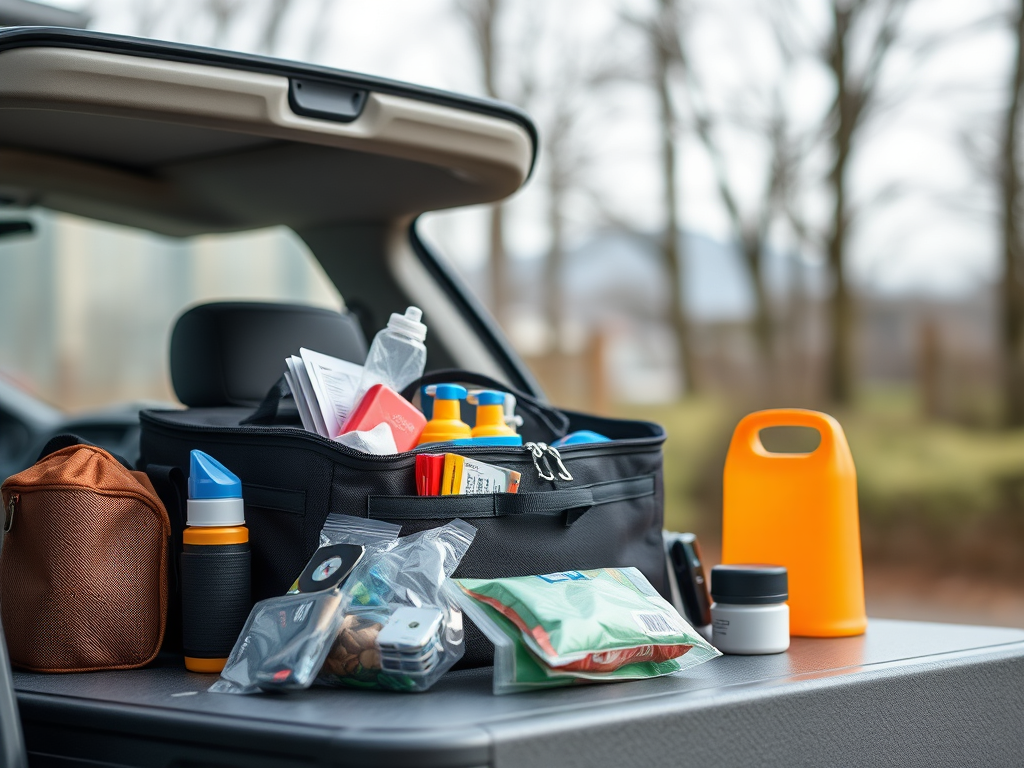
Creating a mobile emergency kit for on-the-go preparedness involves assembling critical supplies that ensure safety and survival during unexpected situations. Start by including basic necessities like water, non-perishable food, a first aid kit, and essential tools such as a flashlight and multi-tool. Prioritize compact, lightweight items that are easy to carry, and regularly check and update the kit to maintain its effectiveness. This proactive approach can significantly enhance your readiness for emergencies while traveling or away from home.
Understanding the Importance of a Mobile Emergency Kit
A mobile emergency kit is vital for ensuring safety during unforeseen situations while on the move. Emergencies can occur anywhere, whether you’re traveling, commuting, or engaging in outdoor activities. Having a well-prepared kit can provide peace of mind and essential resources to handle crises effectively. It is important to recognize that emergencies range from natural disasters to personal health incidents, making readiness crucial.
Many people underestimate the likelihood of emergencies when away from home, which can lead to inadequate preparation. By creating a mobile emergency kit, you equip yourself with the necessary tools and supplies to respond promptly to various scenarios, minimizing risks to your health and safety. Furthermore, a well-organized kit increases your confidence in managing emergency situations, allowing you to focus on effective problem-solving rather than panic.
Essential Items to Include
When assembling a mobile emergency kit, prioritize including essential items that cater to basic needs and potential emergencies. Here are key categories and examples of items to consider:
- Water and Food: Pack at least one gallon of water per person per day for at least three days, along with non-perishable food items such as energy bars, canned goods, or dehydrated meals.
- First Aid Supplies: Include a comprehensive first aid kit with bandages, antiseptic wipes, adhesive tape, scissors, and any personal medications.
- Tools and Equipment: A multi-tool, flashlight with extra batteries, and a whistle can be invaluable for signaling for help or performing minor repairs.
- Clothing and Shelter: A compact emergency blanket, poncho, and extra clothing layers can protect against the elements.
- Personal Identification: Keep copies of important documents, such as identification and insurance information, in a waterproof bag.
Remember that the specific contents of your kit may vary based on your personal needs, the environment, and the activities you engage in. For instance, families with children may need to include baby supplies or comfort items, while those with pets should consider their needs as well.
Strategies for Packing and Organizing Your Kit
Effective packing and organization of your mobile emergency kit can significantly enhance its usability during an emergency. Here are several strategies to consider:
- Use Compact Containers: Choose a durable backpack or a compact container that is easy to carry. Ensure it has multiple compartments for organizing supplies.
- Label Contents: Clearly label bags or containers within your kit to quickly locate items when needed. This can save precious time during a stressful situation.
- Prioritize Accessibility: Place frequently used items, such as first aid supplies and food, at the top or in easily accessible pockets to ensure quick retrieval.
- Practice Retrieval: Familiarize yourself with the contents and layout of your kit. Conduct practice drills to ensure you can quickly access what you need in a real emergency.
By implementing these strategies, you can optimize your mobile emergency kit for efficiency, making it easier to manage during crises. Additionally, consider customizing your kit based on your routine and the environments you frequent, ensuring it meets your specific needs.
Maintaining Your Mobile Emergency Kit
Regular maintenance of your mobile emergency kit is essential to ensure its effectiveness. Over time, items can expire, batteries can die, and supplies can become depleted. Here are some best practices for maintaining your kit:
- Regular Checkups: Schedule periodic reviews of your kit, ideally every six months. Check the expiration dates of food and medications, and replace any expired items.
- Update Based on Needs: As your lifestyle or family dynamics change, reassess the items in your kit. For instance, if you have a new pet or a family member with specific medical needs, ensure your kit reflects these changes.
- Restock After Use: After any use of your kit, immediately restock it to ensure it’s ready for future emergencies.
Maintaining your mobile emergency kit not only ensures you are always prepared but also reinforces the importance of being proactive in emergency preparedness. A well-maintained kit can make a significant difference in your ability to respond effectively to crises.
For more detailed guidance on emergency preparedness, consider checking resources from official organizations like the FEMA and the American Red Cross.
Frequently Asked Questions
What should I prioritize in my mobile emergency kit?
Prioritize essential items like water, non-perishable food, a first aid kit, a flashlight, and necessary personal medications.
How often should I check my emergency kit?
Check your emergency kit at least every six months to ensure items are not expired and everything is stocked properly.
Can I customize my emergency kit for specific activities?
Yes, customize your kit based on your activities, such as including outdoor gear for hiking or baby supplies for family trips.
What is the best way to store my emergency kit?
Store your emergency kit in a durable, water-resistant backpack or container that is easy to carry and access.
How do I ensure my kit is effective during an emergency?
Familiarize yourself with the contents, practice retrieval during drills, and ensure all items are regularly maintained and updated.
Conclusion
Creating and maintaining a mobile emergency kit is a proactive step toward ensuring your safety and preparedness during unexpected situations. By carefully selecting essential items, organizing your kit efficiently, and conducting regular maintenance, you can enhance your readiness for emergencies. Emphasizing practical preparedness empowers you to respond effectively and confidently when crises arise, making your mobile emergency kit a vital component of your on-the-go safety strategy.