
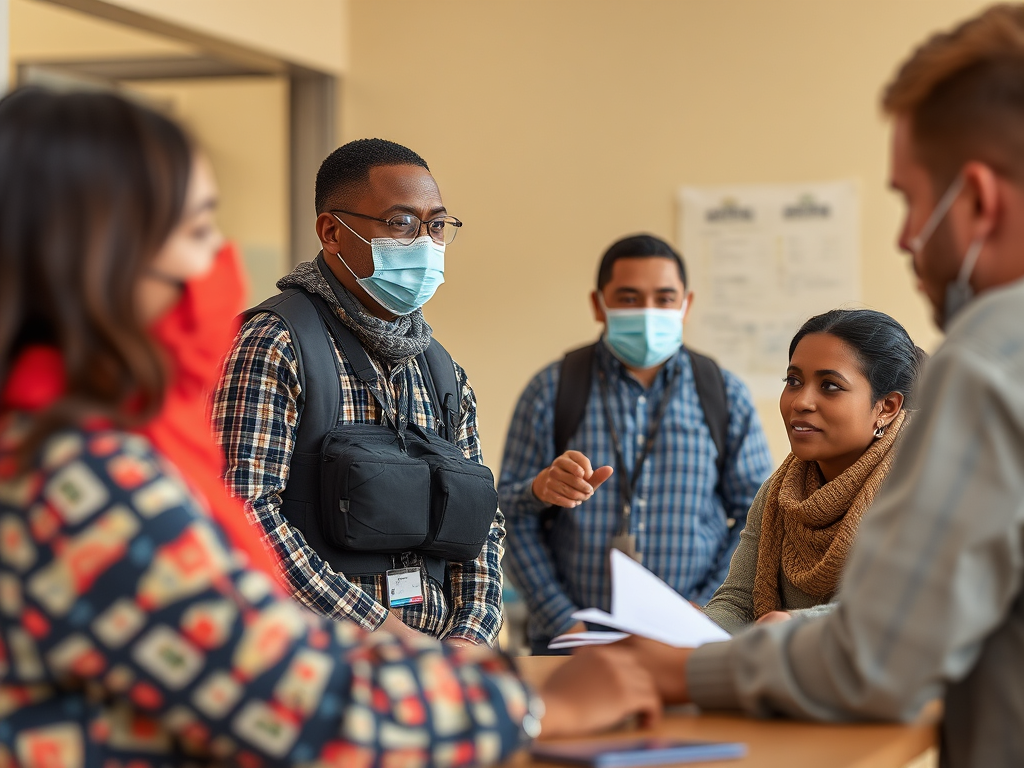
To effectively navigate cultural differences in emergency responses, it is essential to recognize and respect the unique beliefs and practices of diverse communities. Engaging local leaders can enhance trust and facilitate better communication, ensuring that responses are culturally sensitive. A common mistake is assuming uniformity in cultural norms, which can lead to miscommunication and hinder cooperation. By fostering open dialogues and incorporating community insights, emergency responders can create tailored strategies that resonate with affected populations, ultimately improving the overall effectiveness of emergency management efforts.
Understanding Cultural Contexts in Emergencies
Understanding cultural contexts in emergencies is vital for effective response strategies. Different cultures may have unique beliefs, values, and practices that influence their reactions during crises. For instance, some cultures may prioritize collective decision-making, while others might rely on individual authority figures. Recognizing these differences can prevent misunderstandings and ensure that responses are respectful and effective.
When emergency responders fail to consider cultural contexts, they risk alienating affected communities. This can lead to misinformation, lack of cooperation, and ultimately, ineffective emergency management. For example, in some cultures, public displays of emotion are discouraged, leading individuals to appear unresponsive during crises. Understanding these nuances allows responders to tailor their approaches to better engage with diverse populations.
Building Trust and Relationships
Building trust and relationships is essential for effective emergency response. Trust can significantly enhance cooperation during crises, enabling responders to gather accurate information and mobilize resources more effectively. Engaging local leaders and community members can facilitate this trust-building process.
One common mistake in emergency management is overlooking the importance of local knowledge and networks. For example, in a natural disaster, local leaders often have a deeper understanding of community dynamics and can provide critical insights into how best to communicate and coordinate efforts. Establishing partnerships with these leaders can foster a sense of ownership and collaboration, ultimately leading to more effective responses.
Effective Communication Strategies
Effective communication strategies are crucial when navigating cultural differences in emergency responses. Language barriers, differing communication styles, and cultural nuances can complicate interactions between responders and affected populations. Therefore, employing culturally appropriate communication methods is essential.
For instance, using visual aids or community interpreters can help bridge language gaps. Additionally, adapting communication styles to align with local customs can enhance understanding. In some cultures, indirect communication is preferred over direct confrontation, and recognizing these preferences can improve rapport and information exchange.
Moreover, feedback mechanisms should be established to ensure that the messages conveyed are understood and accepted by the community. This two-way communication fosters a collaborative environment where community members feel empowered to share their concerns and insights.
Training and Preparedness for Diverse Communities
Training and preparedness initiatives should incorporate cultural competence to effectively navigate differences in emergency responses. Emergency personnel must be trained to recognize and respect cultural diversity, which can significantly impact their interactions with community members during crises.
Workshops and simulations that focus on cultural awareness can prepare responders to handle diverse situations more effectively. For example, training programs can include role-playing scenarios that involve cultural misunderstandings, allowing responders to practice their communication and engagement skills in a safe environment. This proactive approach not only enhances responders’ effectiveness but also builds community confidence in their ability to manage emergencies.
Furthermore, preparedness plans should be inclusive, ensuring that they address the needs of all community members, including marginalized groups. This may involve creating multilingual resources and incorporating culturally relevant practices into emergency drills.
Frequently Asked Questions
Why is cultural awareness important in emergency responses?
Cultural awareness is crucial because it helps emergency responders understand diverse perspectives, ensuring effective communication and cooperation during crises.
How can I improve communication with diverse communities during emergencies?
Improving communication can be achieved by using interpreters, visual aids, and adapting your communication style to fit cultural preferences.
What role do local leaders play in emergencies?
Local leaders act as trusted intermediaries who understand community dynamics and can facilitate effective communication and resource mobilization.
What common mistakes should be avoided in cultural engagement?
Common mistakes include making assumptions about cultural norms, failing to engage local leaders, and not adapting communication strategies to fit the audience.
How can training improve emergency response effectiveness?
Training enhances effectiveness by equipping responders with the skills to navigate cultural differences, fostering better interactions and community trust.
Conclusion
Navigating cultural differences in emergency responses is essential for effective crisis management. By understanding cultural contexts, building trust, employing effective communication strategies, and providing adequate training, responders can enhance their ability to engage with diverse communities. Prioritizing these aspects not only improves emergency response outcomes but also fosters long-term community resilience. As we continue to face various challenges, embracing cultural diversity in emergency management will be vital for ensuring safety and cooperation.