
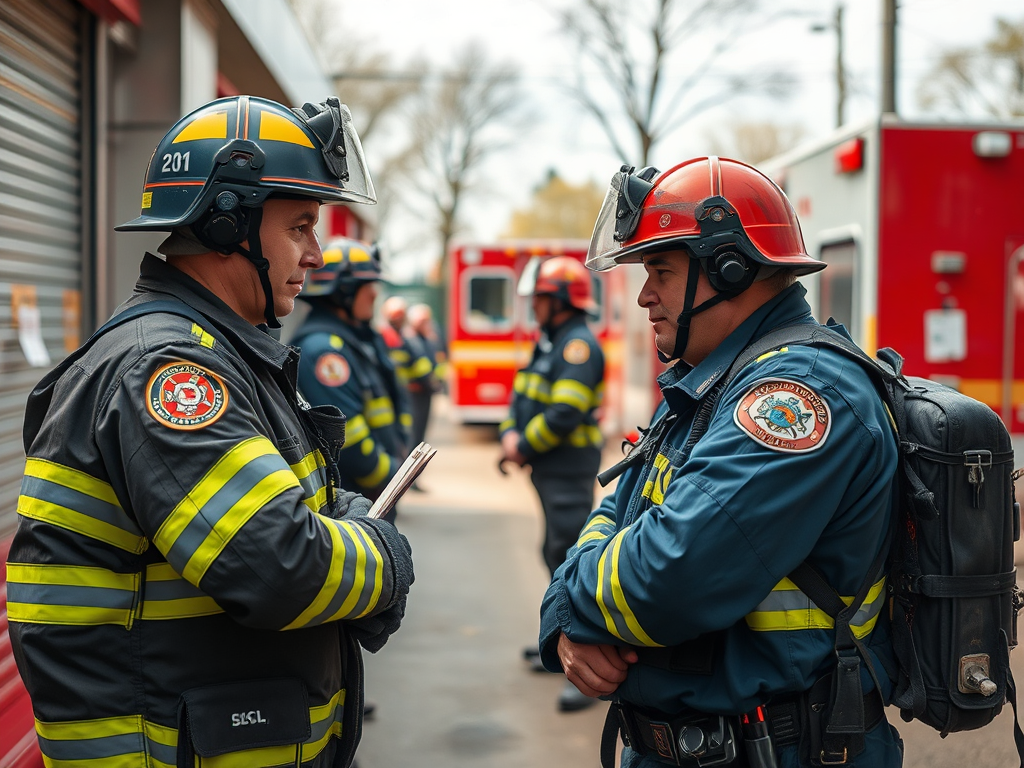
Recognizing signs of burnout in emergency responders involves identifying symptoms such as emotional exhaustion, reduced performance, and detachment. These indicators can lead to serious consequences if unaddressed, including impaired decision-making and increased risk to both responders and the public. Effective solutions include implementing regular mental health check-ins and fostering a supportive work environment to mitigate these effects and ensure responders receive the help they need.
Understanding Burnout in Emergency Responders
Burnout is a psychological syndrome characterized by prolonged stress and emotional exhaustion, particularly prevalent among emergency responders due to the high-stakes and often traumatic nature of their work. Understanding the context of burnout in this field is crucial as these professionals regularly face life-or-death situations, leading to chronic emotional strain. This strain can manifest in various ways, making it essential for organizations to recognize and address burnout proactively.
Emergency responders, including paramedics, firefighters, and police officers, often work long hours under stressful conditions, which may lead to feelings of helplessness, frustration, and fatigue. The culture within emergency services often emphasizes stoicism and resilience, which can discourage individuals from seeking help or acknowledging their struggles. Recognizing the signs of burnout is vital not only for the well-being of the responders but also for the safety of the communities they serve.
Key Signs and Symptoms of Burnout
Identifying the signs of burnout in emergency responders is critical for timely intervention. Common symptoms include:
- Emotional Exhaustion: This is often the most prominent sign, characterized by feelings of being overwhelmed, drained, and unable to cope.
- Reduced Performance: Responders may notice a decline in their effectiveness at work, leading to mistakes or oversight in critical situations.
- Detachment: A sense of disconnection from colleagues, clients, or the job itself can emerge, leading to isolation and decreased teamwork.
- Physical Symptoms: Chronic fatigue, headaches, and gastrointestinal issues can also be indicators of burnout.
- Negative Attitude: Increased cynicism or negativity towards work and colleagues can signify underlying stress and burnout.
Being aware of these signs is the first step in addressing burnout effectively. Emergency responders must be encouraged to report these symptoms without fear of stigma or reprisal.
Impact of Burnout on Performance and Health
The consequences of burnout extend beyond individual well-being and can significantly impact organizational performance and public safety. When emergency responders experience burnout, their ability to make sound decisions can be compromised, increasing the risk of errors during critical interventions. For example, a fatigued paramedic may misinterpret a patient’s symptoms, leading to inappropriate treatment.
Moreover, prolonged burnout can lead to severe mental health issues, including anxiety, depression, and post-traumatic stress disorder (PTSD). These conditions not only affect the responders’ personal lives but can also lead to increased absenteeism, higher turnover rates, and a general decline in team morale.
Organizations must recognize that the health of their responders directly correlates with the quality of service they provide. Therefore, addressing burnout should be viewed as a strategic priority to maintain a capable and effective emergency response team.
Effective Strategies to Manage and Prevent Burnout
To combat burnout, it is essential to implement effective management strategies that promote mental health and well-being among emergency responders. Some effective strategies include:
- Regular Mental Health Check-Ins: Establishing routine mental health evaluations can help identify early signs of burnout and provide necessary support.
- Peer Support Programs: Encouraging peer support can foster a sense of community and provide a safe space for responders to share their experiences and challenges.
- Training and Resources: Providing training on stress management techniques and access to mental health resources can empower responders to take proactive measures in managing their well-being.
- Work-Life Balance Initiatives: Promoting a healthy work-life balance through flexible scheduling and adequate time off is crucial for preventing burnout.
- Creating a Supportive Culture: Organizations should cultivate an environment where seeking help is normalized and encouraged, reducing the stigma around mental health issues.
Implementing these strategies can significantly reduce the incidence of burnout and enhance the overall effectiveness of emergency responders. Prioritizing mental health is not just beneficial for the individual; it is essential for the safety and well-being of the entire community.
Frequently Asked Questions
What are the main causes of burnout in emergency responders?
Main causes include high-stress environments, long hours, exposure to traumatic events, and lack of support.
How can organizations support emergency responders to prevent burnout?
Organizations can implement mental health resources, promote peer support, and encourage work-life balance.
Are there specific symptoms that indicate burnout in emergency responders?
Yes, symptoms include emotional exhaustion, detachment, reduced performance, and physical ailments.
What role does peer support play in managing burnout?
Peer support fosters community, allowing responders to share experiences and reduce feelings of isolation.
When should emergency responders seek professional help for burnout?
They should seek help when experiencing persistent symptoms that impact their personal and professional lives.
Conclusion
Recognizing and addressing burnout in emergency responders is crucial for maintaining their well-being and ensuring effective service delivery. By understanding the signs and implementing proactive strategies, organizations can create a supportive environment that prioritizes mental health. Emergency responders must be encouraged to seek help when needed, fostering a culture of care and resilience that benefits both the responders and the communities they serve.