
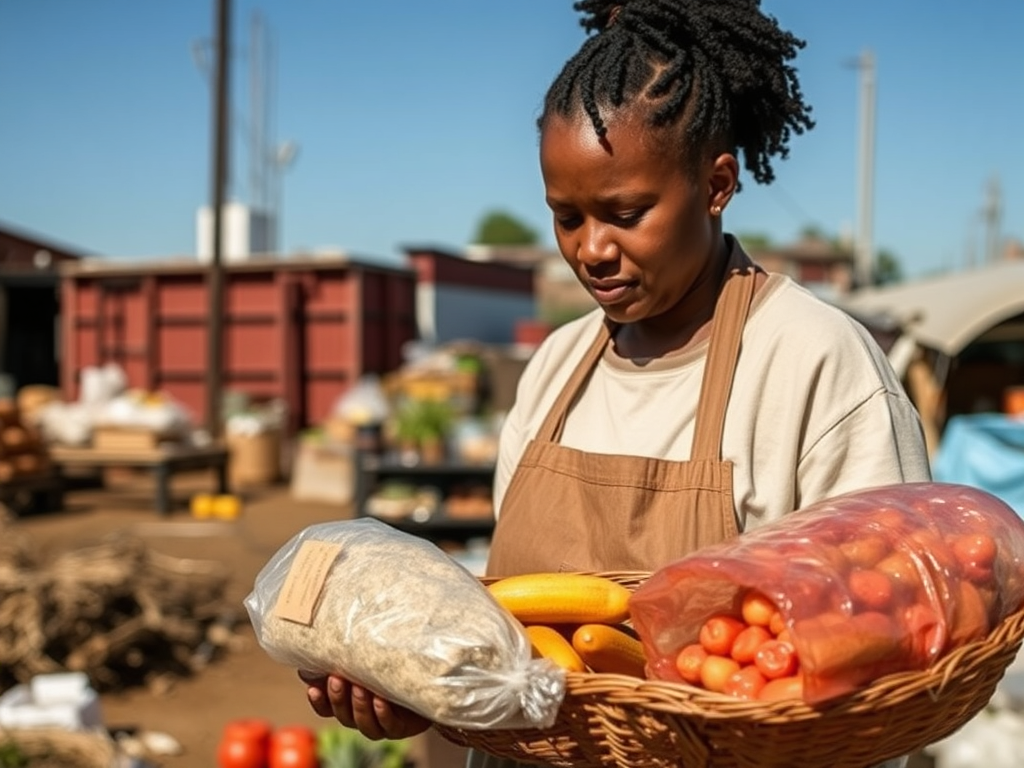
To effectively address food security in disaster planning, communities should conduct a comprehensive assessment of local food resources, including farms and food banks, to identify available supplies and their nutritional value. Establishing emergency food distribution systems is essential, as is creating partnerships with local agricultural stakeholders to enhance resilience. Developing strategies for food storage and transportation logistics will ensure that food access remains a priority during crises. Clear communication channels with affected populations can further support recovery efforts and mitigate hunger, ultimately fostering community resilience in the face of disasters.
Understanding Food Security in Disaster Contexts
Food security during disasters is critical for maintaining public health and community resilience. It encompasses access to sufficient, safe, and nutritious food to meet dietary needs. Disasters can disrupt food supply chains, leading to shortages and increased hunger. Understanding the dynamics of food security in these contexts is vital for effective disaster planning. This involves recognizing the potential impacts of disasters on local food systems, including agricultural losses, market disruptions, and logistical challenges in food distribution.
Addressing food security means planning for both immediate needs and long-term recovery. Without a focus on food, communities may face increased malnutrition and health issues, complicating recovery efforts. Therefore, integrating food security into disaster planning is not just about food distribution; it also involves understanding the broader implications of food access on community well-being.
Assessing Local Food Resources
A thorough assessment of local food resources is the first step in disaster planning. Communities should identify available food supplies, including local farms, food banks, and grocery stores. This assessment should also consider the types of food available, their nutritional value, and the capacity of local producers to meet emergency needs.
Engaging with local stakeholders, such as farmers and food distributors, can provide insight into the strengths and vulnerabilities of the food system. For example, understanding which crops are most resilient to disasters can help prioritize agricultural support during recovery phases. Additionally, mapping food resources allows planners to visualize access points and identify potential gaps in service.
Common mistakes in this assessment phase include overlooking smaller, local food producers or failing to account for seasonal variations in food availability. To mitigate these issues, planners should establish ongoing dialogues with food producers and community organizations to ensure a comprehensive understanding of local food dynamics.
Establishing Emergency Food Distribution Systems
Creating effective emergency food distribution systems is essential for addressing food security during disasters. These systems must be designed to deliver food quickly and efficiently to affected populations. Key components include identifying distribution sites, logistics for transportation, and methods for ensuring equitable access.
Distribution sites should be easily accessible and strategically located to reach the most vulnerable populations, including low-income households and those with limited mobility. Collaboration with local organizations can enhance the effectiveness of these systems, as they often have established networks and trust within communities.
Logistics play a crucial role in food distribution. This includes planning for transportation routes, storage facilities, and the management of perishable items. One common pitfall is failing to plan for the potential loss of transportation infrastructure due to a disaster, which can hinder food delivery. Therefore, planners should consider alternative transportation methods and establish contingency plans to ensure food reaches those in need.
Building Partnerships for Food Security
Partnerships are critical for enhancing food security in disaster planning. Collaborating with local farms, food banks, and non-profit organizations can create a robust support network that strengthens food systems. These partnerships can facilitate resource sharing, knowledge exchange, and collective action during emergencies.
For example, local farms can provide fresh produce for emergency food supplies, while food banks can coordinate distribution efforts. Additionally, partnerships with government agencies can secure funding and resources necessary for effective planning and response. Engaging community members in these partnerships fosters a sense of ownership and commitment to food security initiatives.
One common misconception is that food security is solely the responsibility of government agencies. In reality, it requires a multi-sectoral approach that includes input and participation from various stakeholders, including community members, private sector actors, and non-profit organizations. By building these partnerships, communities can create more resilient food systems that can withstand the impacts of disasters.
Frequently Asked Questions
What is food security in disaster planning?
Food security in disaster planning refers to ensuring access to sufficient, safe, and nutritious food during and after disasters, addressing both immediate needs and long-term recovery.
What are effective food distribution methods during disasters?
Effective food distribution methods include establishing accessible sites, planning transportation logistics, and collaborating with local organizations to ensure equitable access to food supplies.
Why are partnerships important for food security?
Partnerships enhance food security by fostering collaboration among local farms, food banks, and government agencies, creating a robust support network for food systems during disasters.
What common mistakes should be avoided in disaster food planning?
Common mistakes include overlooking local food producers, failing to plan for transportation disruptions, and not engaging community members in the planning process.
Further Reading
Authoritative Sources
Conclusion
Addressing food security in disaster planning is essential for ensuring community resilience and public health. By assessing local food resources, establishing effective distribution systems, and building partnerships, communities can better prepare for and respond to disasters. It is crucial to prioritize these elements to mitigate hunger and support recovery efforts. Engaging stakeholders and continuously evaluating food systems will create a more robust framework for food security during emergencies.