
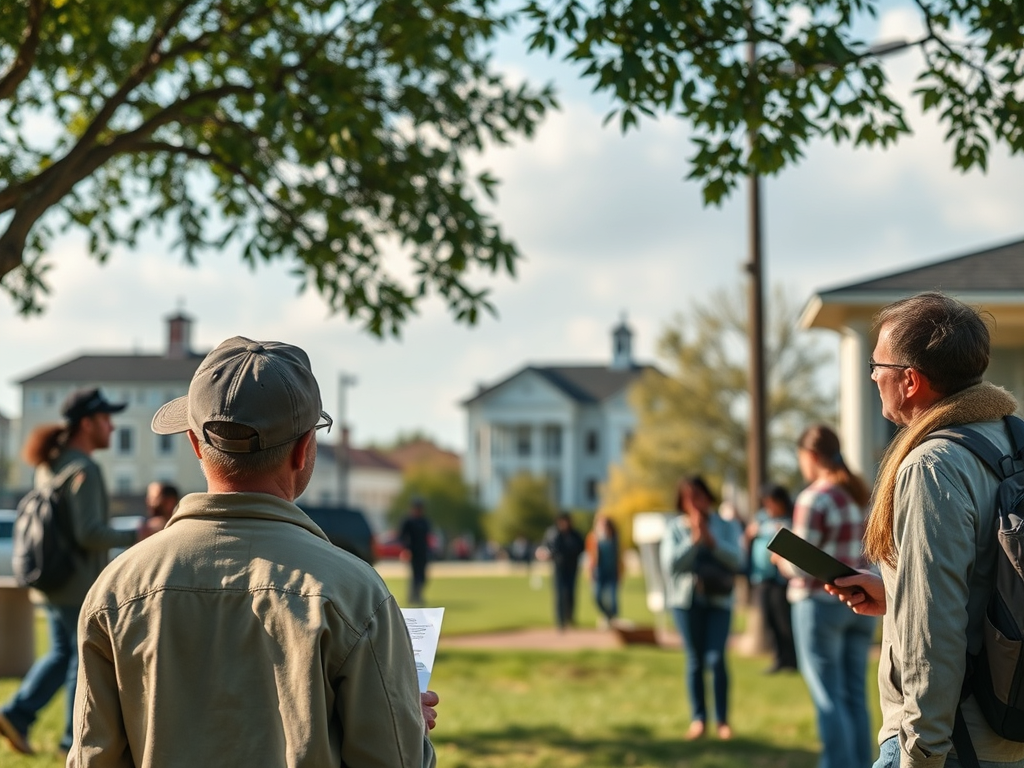
Incorporating local history into preparedness planning involves understanding historical events, assessing their impacts, and using that knowledge to inform current strategies. This approach helps communities recognize vulnerabilities, identify resources, and create tailored emergency plans based on past experiences. By analyzing local disasters, such as floods or fires, communities can develop specific responses that enhance resilience and preparedness. Engaging local historians and residents in this process can also foster a sense of community ownership and collaboration.
Understanding the Importance of Local History
Incorporating local history into preparedness planning is crucial because it provides context and understanding of past events that have shaped a community’s vulnerabilities. Historical events, such as natural disasters, conflicts, and economic shifts, reveal how different scenarios affected local populations and infrastructure. By studying these events, planners can identify patterns of response and resilience, which can inform today’s preparedness strategies. Understanding local history also fosters a sense of identity and community connection, encouraging residents to participate actively in planning efforts.
For instance, a community that experienced significant flooding in the past can analyze the circumstances surrounding those floods. This analysis may reveal weaknesses in infrastructure or emergency response that need to be addressed in current plans. Additionally, historical knowledge can guide the prioritization of resources and training, ensuring that preparedness efforts are relevant and effective.
Analyzing Historical Events for Current Preparedness
To effectively incorporate local history into preparedness planning, it’s essential to analyze specific historical events and their impacts on the community. This analysis should include an examination of the causes, responses, and outcomes of these events. Key questions to consider include: What were the community’s vulnerabilities? How did residents respond? What resources were available, and how effective were they?
For example, if a town has a history of wildfires, planners can review previous incidents to identify which areas were most affected, how evacuation procedures worked, and what resources were utilized. This data can help in creating targeted training for emergency responders and community members, ensuring that everyone understands their roles and responsibilities during a crisis.
Additionally, planners can use historical events to educate the community about potential hazards. Workshops or informational sessions can be organized to discuss past disasters and the lessons learned. This not only raises awareness but also empowers residents to take an active role in their safety.
Engaging the Community in Historical Context
Engaging the community in discussions about local history is essential for successful preparedness planning. Involving residents can provide valuable insights and foster a collaborative spirit. Local historians, schools, and community organizations can play a vital role in this process by organizing events, discussions, and educational programs.
One effective approach is to host community forums where residents can share their experiences and memories of past events. These narratives can enrich the planning process by highlighting personal stories and community values that may be overlooked in standard data analysis. Furthermore, incorporating diverse perspectives ensures that all voices are heard, leading to a more comprehensive understanding of local needs and challenges.
In addition to forums, creating a historical archive that includes photographs, documents, and oral histories can serve as a resource for both planners and residents. This archive can be utilized in training sessions and community workshops, reinforcing the importance of local history in shaping current preparedness strategies.
Developing Tailored Emergency Plans
Once local history has been analyzed and the community engaged, the next step is to develop tailored emergency plans that reflect the unique characteristics and needs of the area. These plans should incorporate insights gained from historical events, ensuring that they address specific vulnerabilities identified during the analysis phase.
For instance, if historical data shows that certain neighborhoods are more susceptible to flooding, emergency response strategies can include targeted evacuation routes and resources for those areas. Additionally, plans should outline clear communication strategies to keep residents informed during emergencies, drawing on lessons learned from past experiences.
It is also vital to regularly review and update these plans based on new information or changing circumstances. Engaging the community in this process ensures that the plans remain relevant and effective, as residents can provide feedback based on their experiences and evolving needs.
For those interested in learning more about incorporating local history into preparedness planning, consider exploring local government resources, historical societies, and emergency management organizations that provide guidelines and case studies on effective practices.
Frequently Asked Questions
Why is local history important for preparedness planning?
Local history is crucial because it reveals past vulnerabilities and responses to disasters, helping communities create effective, tailored preparedness strategies.
How can communities engage in historical analysis?
Communities can engage through forums, workshops, and collaboration with local historians to share experiences and document historical events.
What are the benefits of tailored emergency plans?
Tailored emergency plans address specific local vulnerabilities, improve response efficiency, and enhance community resilience during crises.
How can historical events shape current preparedness strategies?
Historical events provide insights into past vulnerabilities and successful responses, guiding the development of relevant and effective preparedness strategies.
What role do community narratives play in preparedness planning?
Community narratives enrich planning by highlighting personal experiences, fostering engagement, and ensuring diverse perspectives are included in the process.
Conclusion
Incorporating local history into preparedness planning is essential for building resilient communities. By understanding past events and engaging residents, planners can create tailored emergency strategies that effectively address local vulnerabilities. This collaborative approach not only enhances preparedness but also fosters a sense of community ownership and responsibility. Moving forward, communities should prioritize historical analysis and ongoing engagement to continuously improve their preparedness efforts.