
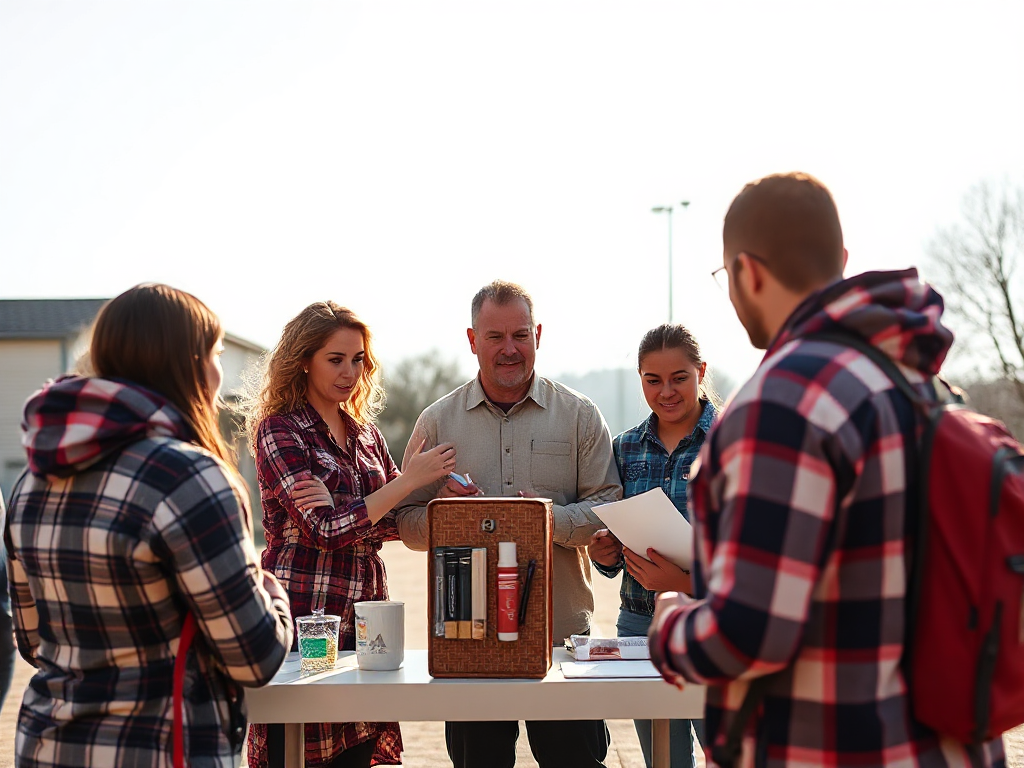
To organize a community preparedness group, begin by identifying diverse stakeholders, including local officials, emergency services, and engaged residents. Establish clear, actionable goals that reflect the community's specific needs, such as disaster response plans or resource sharing. It's crucial to foster trust and collaboration among members through regular meetings and training sessions. A common mistake is excluding non-professionals; involving a wider range of skills enhances the group's effectiveness. Prioritize open communication to ensure everyone feels valued and informed, which will strengthen the group's overall preparedness.
Identifying Stakeholders and Members
To effectively organize a community preparedness group, the first step is identifying key stakeholders and potential members. This includes local government officials, emergency services, community organizations, and residents interested in building resilience. Recognizing the diverse backgrounds and skills of potential members enhances the group’s overall capability. For example, involving local teachers can help in educational outreach, while farmers can provide insights on food security during crises.
A common mistake is limiting the group to only emergency management professionals. By including a broader range of community members, you can leverage various skills and knowledge bases, leading to a more robust preparedness strategy. Consider hosting an initial meeting or survey to gauge interest and collect contact information, ensuring a diverse representation in your group.
Establishing Goals and Objectives
Once stakeholders and potential members are identified, the next step is to establish clear goals and objectives for the community preparedness group. These goals should reflect the specific needs and risks of the community, such as disaster response, resource allocation, or public education. For instance, a community prone to flooding may prioritize creating evacuation plans and establishing communication protocols.
Effective goal setting involves collaboration and consensus among group members. Utilize techniques like brainstorming sessions or workshops to develop a shared vision. It’s essential to keep goals realistic and actionable. A typical pitfall is setting overly ambitious objectives that are difficult to achieve. Instead, focus on incremental steps that can be evaluated and adjusted as the group progresses.
Effective Communication Strategies
Communication is vital for the success of any community preparedness group. Establishing clear communication channels ensures that all members are informed and engaged. This can include regular meetings, newsletters, or social media updates. Utilizing multiple platforms helps reach a wider audience and accommodates different preferences for information consumption.
One effective approach is to designate a communication officer within the group who is responsible for disseminating information and gathering feedback. This role can help streamline communication and ensure consistency. Additionally, consider creating a shared online space, such as a Google Drive or a dedicated website, where resources, plans, and updates can be easily accessed by all members.
Engagement and Training Activities
Engaging the community through training activities is crucial for building preparedness. Organize workshops, drills, and simulations to provide practical experience in emergency response. These activities not only enhance skills but also foster camaraderie and trust among group members. For example, conducting a fire drill can help participants understand evacuation routes and communication protocols in a low-pressure environment.
A common misconception is that training is only necessary for specific roles within the group, like first responders. In reality, every member should have a foundational understanding of emergency procedures. Consider offering different levels of training to cater to varying interests and expertise, ensuring everyone can contribute effectively during a crisis.
Frequently Asked Questions
What is the first step in organizing a community preparedness group?
The first step is identifying key stakeholders and potential members who can contribute diverse skills and perspectives.
How can goals be effectively set for the group?
Goals should be established collaboratively through brainstorming sessions and should reflect the community's specific risks and needs.
Why is communication important in a preparedness group?
Effective communication ensures that all members are informed, engaged, and able to respond quickly during emergencies.
What types of training should be provided?
Training should encompass basic emergency procedures, specific roles, and practical drills to prepare all members for crisis situations.
How can community members be engaged in preparedness activities?
Engagement can be fostered through hands-on workshops, simulations, and regular updates on preparedness efforts and training opportunities.
Conclusion
Building a successful community preparedness group requires careful planning, effective communication, and active engagement from all members. By identifying stakeholders, establishing clear goals, and providing training opportunities, communities can enhance their resilience and readiness for emergencies. The next steps involve fostering collaboration and continuously assessing the group’s effectiveness in achieving its objectives.