
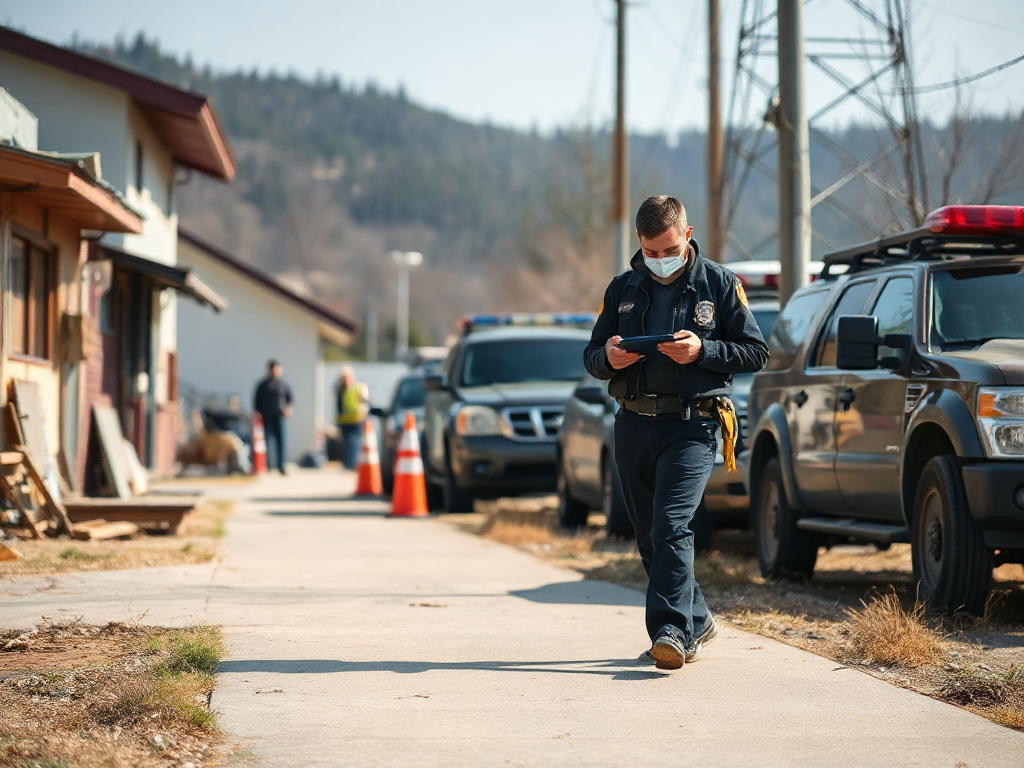
Identifying reliable sources for emergency information is essential for making informed decisions during crises. Trustworthy sources include official government agencies like FEMA and the CDC, which offer timely updates and safety guidelines. Established news outlets known for their integrity can also provide accurate information. It's important to be wary of misinformation, especially from social media, as it can lead to confusion and poor choices. Always cross-verify information from multiple reliable sources to ensure accuracy and clarity in critical situations.
Understanding the Importance of Reliable Information
Reliable information is critical during emergencies, as it guides decision-making and ensures safety. In times of crisis, misinformation can spread rapidly, leading to panic and poor choices. For instance, during natural disasters, accurate information about evacuation routes, shelter locations, and safety protocols can save lives. Therefore, knowing how to identify trustworthy sources is essential for effective response and preparedness.
Accurate information helps individuals and communities make informed decisions, whether preparing for a hurricane, managing health emergencies, or responding to civil unrest. Sources that provide timely updates can significantly impact survival rates and community resilience. Understanding what constitutes reliable information is a vital skill that can be developed through awareness and practice.
Key Sources for Emergency Information
When seeking emergency information, several key sources stand out as reliable. Government agencies, such as the Federal Emergency Management Agency (FEMA), the Centers for Disease Control and Prevention (CDC), and local emergency management offices, are primary resources. These organizations provide official updates, safety guidelines, and critical information tailored to specific emergencies.
In addition to governmental entities, established news organizations can be valuable. Trusted news outlets often have dedicated teams that cover emergencies and provide real-time updates. It is crucial to choose outlets known for their journalistic integrity and fact-checking practices.
Community organizations, such as local non-profits and volunteer groups, can also be excellent sources of information. They often provide localized insights and resources that may not be covered by national news. Engaging with these organizations can help individuals stay informed about community-specific issues and resources.
Verification Methods to Ensure Accuracy
To ensure the accuracy of the information sourced, it is important to employ verification methods. Cross-referencing information from multiple reliable sources is one effective strategy. If multiple trustworthy outlets report the same information, it is more likely to be accurate.
Additionally, checking the publication date is crucial. In emergencies, information can become outdated quickly, and relying on old data can lead to dangerous situations. Ensuring that the information is current helps maintain situational awareness.
Another method is checking for citations and references within the information. Reliable sources often cite studies, official documents, or expert opinions. If a source lacks citations or relies heavily on anecdotal evidence, it may not be trustworthy.
Common Mistakes in Information Assessment
One common mistake individuals make when identifying reliable sources for emergency information is relying solely on social media. While social media can provide real-time updates, it is often rife with misinformation. Users should be cautious about sharing unverified information and should instead seek out established sources.
Another mistake is failing to consider the context of the information. Understanding the source’s background, potential biases, and motivations can help assess reliability. For example, a source with a history of sensationalism may not provide accurate information during emergencies.
In closing, many people overlook the importance of local sources. National outlets may not always cover specific local emergencies adequately. Engaging with local news, community organizations, and government agencies ensures access to pertinent information that directly affects the community.
For more insights into identifying reliable sources for emergency information, consider visiting official websites of recognized organizations such as FEMA, the CDC, and local health departments. These resources provide comprehensive information and updates relevant to various emergency situations.
Frequently Asked Questions
How can I verify emergency information?
Verify emergency information by cross-referencing multiple reliable sources, checking publication dates, and looking for citations.
Why is it important to identify reliable sources?
Identifying reliable sources is crucial to ensure accurate information during emergencies, which guides effective decision-making and safety.
What common mistakes should I avoid?
Avoid relying solely on social media, failing to consider the context of information, and overlooking local sources for relevant updates.
How can I stay informed during an emergency?
Stay informed by following reliable sources, signing up for alerts from local authorities, and engaging with community organizations.
Conclusion
Identifying reliable sources for emergency information is a vital skill that can significantly impact safety and preparedness. By prioritizing trusted government agencies, established news outlets, and local organizations, individuals can access accurate and timely information. Employing verification methods, such as cross-referencing and checking publication dates, further enhances the reliability of the information. Being aware of common mistakes, such as over-relying on social media and neglecting local sources, helps individuals make informed decisions. Ultimately, staying informed and proactive can lead to better outcomes in emergencies.