
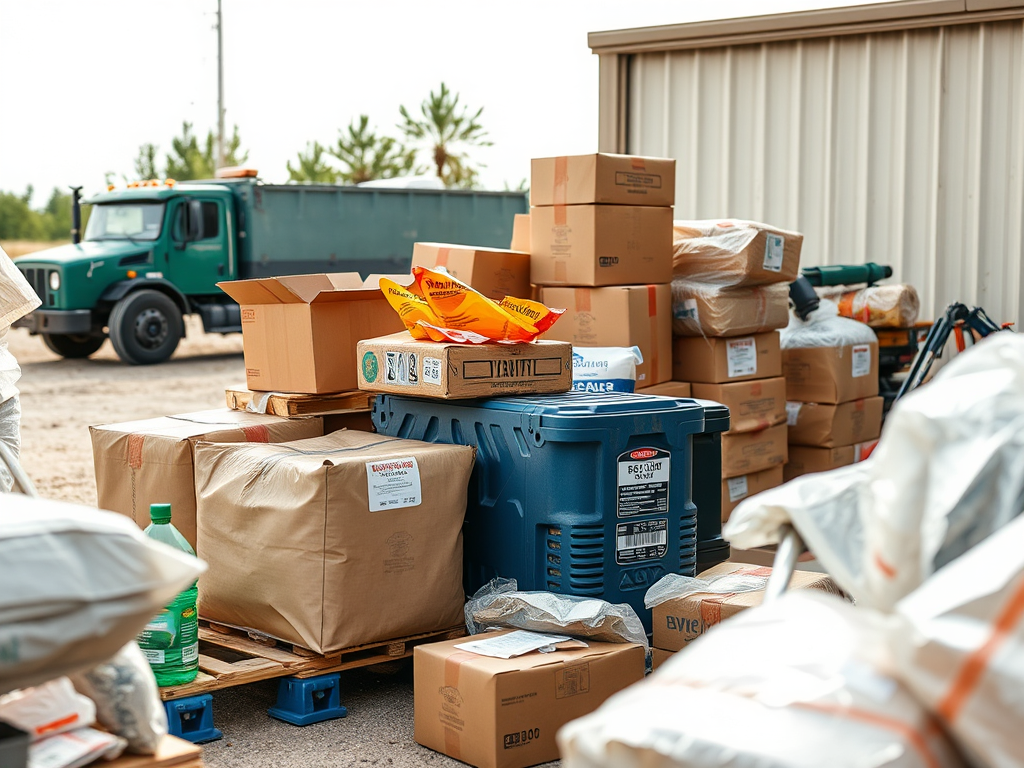
Managing supplies during extended crises involves careful planning and prioritization of essential resources. Start by assessing your current inventory to identify critical items, including food, water, medical supplies, and fuel. Create a sustainable supply plan that factors in potential shortages and establishes rotation systems to ensure freshness. Regularly review and adjust your inventory based on changing needs and conditions to avoid waste and ensure preparedness.
Understanding the Importance of Supply Management
Effective management of supplies during extended crises is crucial for survival and resilience. Without adequate supplies, individuals and communities may face dire consequences, including food scarcity, health risks, and inability to respond to emergencies. The importance of having a well-organized supply system cannot be overstated, as it directly impacts the ability to cope with prolonged disruptions.
During crises, the unpredictability of supply chains can lead to shortages and inflated prices. Understanding the importance of supply management means recognizing that proactive measures can mitigate these risks. A solid supply management strategy allows individuals to maintain access to essential resources, ensuring that they can sustain themselves and their families during challenging times.
Assessing Your Current Inventory
Before you can effectively manage supplies, a thorough assessment of your current inventory is essential. Begin by taking stock of all available resources, including food, water, medical supplies, and any other critical items. This assessment helps identify gaps in your supplies and informs future purchasing decisions.
To conduct an effective inventory assessment, categorize items based on their type and usage frequency. For example, group food items into non-perishables, perishables, and essentials. This categorization allows for better tracking and prioritization. Pay particular attention to expiration dates, as expired items can lead to waste and health risks.
One common mistake is underestimating the quantity needed for an extended period. Always consider the number of individuals relying on these supplies and factor in potential emergencies that may disrupt access to additional resources.
Creating a Sustainable Supply Plan
Once you have assessed your current inventory, the next step is to create a sustainable supply plan. This plan should outline how to acquire, maintain, and utilize supplies effectively over an extended period. Start by determining which items are essential for survival and prioritize them in your planning.
Consider factors such as shelf life, storage requirements, and availability. For example, canned goods and dried foods have long shelf lives and can be stored easily. In contrast, fresh produce requires more immediate consumption and careful management.
Your supply plan should also account for potential shortages and price fluctuations. Establish relationships with local suppliers and consider diversifying sources to reduce dependency on a single provider. This approach can help ensure you have access to necessary supplies even during disruptions in the supply chain.
Implementing Inventory Rotation Systems
Implementing an inventory rotation system is crucial for maintaining the quality and usability of supplies. This system ensures that older items are used before newer ones, reducing waste and maximizing the effectiveness of your supply management strategy. One effective method is the First In, First Out (FIFO) approach, where the first items added to your inventory are the first to be used.
To implement FIFO, organize your storage space so that older items are easily accessible. Label containers with expiration dates to facilitate monitoring. Regularly check your inventory for items nearing their expiration dates and plan meals or uses around these items to prevent waste.
Additionally, consider keeping a log of your supplies to track usage patterns and identify any items that may need replenishing. This proactive approach helps maintain a balanced inventory and ensures you are always prepared for unexpected situations.
Frequently Asked Questions
What types of supplies should I prioritize during a crisis?
Prioritize non-perishable food, clean water, medical supplies, and personal hygiene products, as these are essential for survival.
How often should I check my supplies?
Check your supplies at least quarterly, or more frequently if you anticipate potential emergencies, to ensure everything is up to date and usable.
What is the best way to store supplies long-term?
Store supplies in a cool, dry place away from direct sunlight, using airtight containers for food items to prevent spoilage.
How can I ensure my supplies do not expire?
Implement a FIFO system, regularly monitor expiration dates, and plan meals around items nearing their expiration to minimize waste.
What should I do if I run out of essential supplies?
If you run out of essential supplies, assess local resources, consider bartering with neighbors, and reach out to community support networks for assistance.
Conclusion
Managing supplies during extended crises requires proactive planning, thorough assessment, and effective inventory practices. Prioritize essential resources, regularly assess your inventory, and implement sustainable supply strategies to ensure preparedness. By taking these steps, you can mitigate risks and ensure that you and your loved ones are well-equipped to navigate challenging situations.