
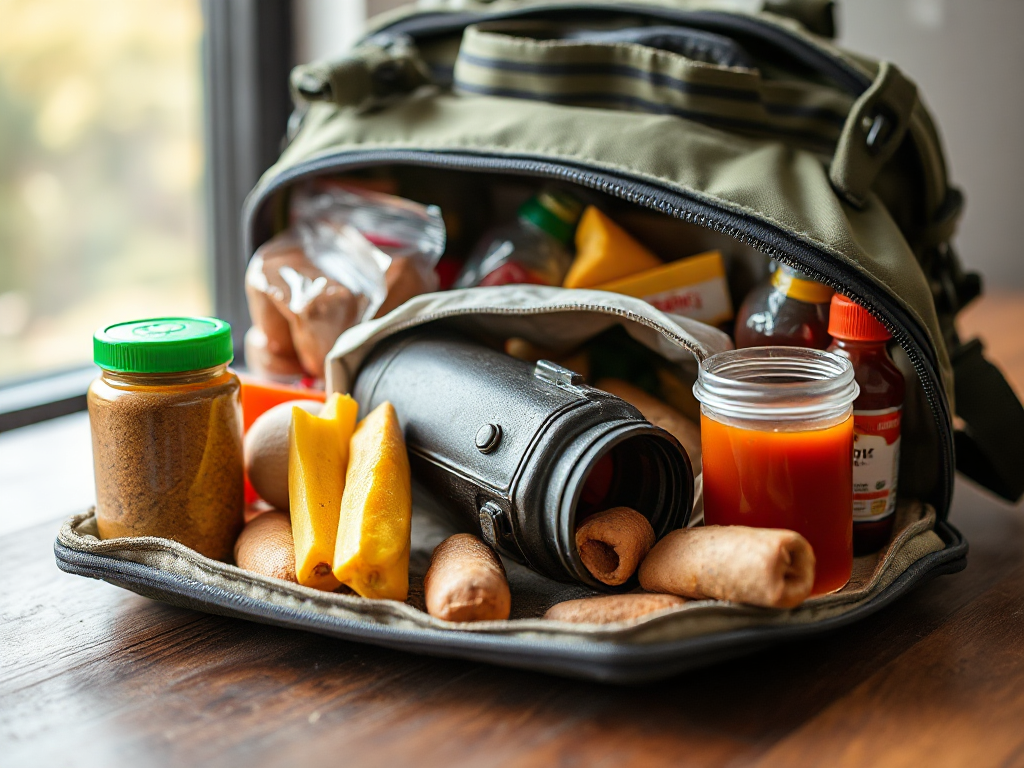
The best foods for a bug out bag are those that are non-perishable, lightweight, and easy to prepare. Ideal options include freeze-dried meals, which can be rehydrated with water, and canned goods like beans and meats that offer high calorie content and long shelf life. Energy bars serve as convenient snacks packed with carbohydrates and protein, while dehydrated fruits and vegetables provide essential vitamins. It's essential to avoid foods that require extensive cooking or refrigeration, as they can hinder your mobility and efficiency during an emergency. Always remember to include a can opener if you pack canned items.
Understanding Bug Out Bags
A bug out bag is a portable kit that contains the essential items one would need to survive for at least 72 hours during an emergency. The primary purpose is to ensure that you can evacuate quickly and safely, with necessary supplies readily available. Food is a critical component of these bags, as it provides the energy and nourishment needed to maintain physical and mental performance during stressful situations.
When selecting foods for your bug out bag, consider factors such as shelf life, weight, and preparation requirements. Foods that are lightweight, compact, and can be eaten without extensive cooking or preparation are ideal. This ensures that you can maintain mobility and efficiency in emergency scenarios.
Top Food Choices for Bug Out Bags
The best foods for a bug out bag, several categories stand out:
- Freeze-Dried Meals: These meals are lightweight and can be rehydrated with water. They often come in a variety of flavors and are designed to provide balanced nutrition.
- Canned Goods: Items like beans, vegetables, and meats are excellent choices due to their long shelf life and high calorie content. Make sure to include a can opener in your bag.
- Energy Bars: Packed with carbohydrates and protein, energy bars are easy to carry and require no preparation. They make for a quick snack that can keep your energy up.
- Dehydrated Fruits and Vegetables: These provide essential vitamins and can be eaten as snacks or added to meals. They are lightweight and have a long shelf life.
- Nuts and Seeds: These are a great source of healthy fats and protein. They are compact and energy-dense, making them ideal for a bug out bag.
- Jerky: Beef or turkey jerky is a high-protein option that is also lightweight and shelf-stable, making it a great addition to your supplies.
Choosing a variety of these foods will ensure that you have a balanced diet even when on the move.
Considerations for Food Storage
Proper storage of food in your bug out bag is crucial for ensuring its longevity and safety. Here are some key considerations:
- Packaging: Choose foods that are vacuum sealed or in sturdy packaging to protect them from moisture and pests. Avoid items in fragile containers.
- Temperature Control: Store your bug out bag in a cool, dry place to extend the shelf life of the food. Heat can degrade nutritional quality and spoilage.
- Rotation: Regularly check and rotate the food supplies to ensure you use items before they expire. This practice helps maintain a fresh and effective bug out bag.
By following these guidelines, you can maximize the effectiveness of your food supplies in emergency situations.
Common Mistakes to Avoid
When assembling a bug out bag, it’s easy to make mistakes that can compromise your preparedness. Here are some common pitfalls to avoid:
- Ignoring Dietary Restrictions: Always consider any food allergies or dietary restrictions of those who will be using the bag. Stocking foods that everyone can eat is essential.
- Overpacking: While it’s important to have enough food, overpacking can lead to unnecessary weight. Prioritize lightweight, nutrient-dense options.
- Neglecting Water Needs: Food is only one part of emergency preparedness. Ensure you have a reliable source of water or water purification methods included in your bag.
Avoiding these mistakes will enhance your readiness and ensure you are better equipped to handle an emergency.
Frequently Asked Questions
What types of food should I avoid in a bug out bag?
Avoid perishable foods that require refrigeration, as well as items high in sugar that can lead to energy crashes.
How often should I check my bug out bag supplies?
Check your supplies at least twice a year to ensure everything is still within its expiration date and in good condition.
Can I include homemade food in my bug out bag?
While it’s possible, homemade food typically lacks the shelf stability of commercial options, so it’s best to stick with commercially packaged items.
What is the best way to prepare food in an emergency?
In emergencies, food that requires minimal preparation, such as energy bars or canned goods, is ideal. If cooking is necessary, ensure you have portable cooking gear.
How much food should I pack in my bug out bag?
Aim for at least 1,200 to 2,000 calories per day per person, depending on activity levels and duration of the emergency.
Conclusion
Having the right foods in your bug out bag is critical for maintaining energy and health during an emergency. Focus on lightweight, non-perishable items that require minimal preparation. Regularly check and rotate your supplies to ensure freshness. By being proactive and strategic about your food choices, you can significantly enhance your emergency preparedness.