
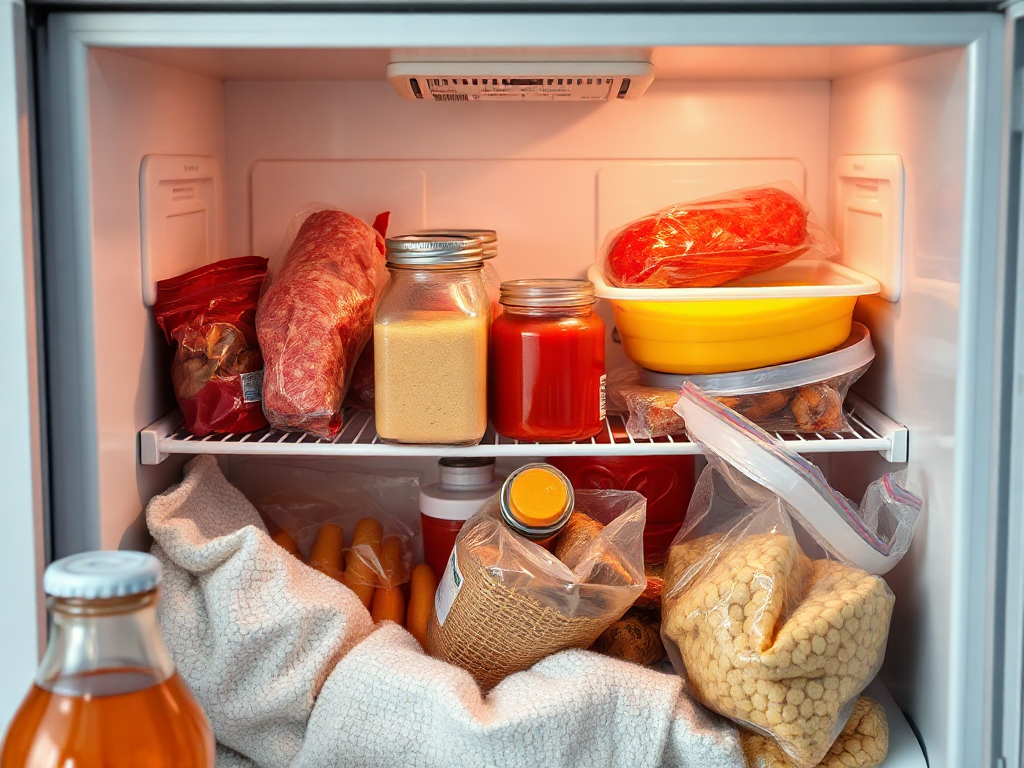
If your freezer thaws out, first check the temperature of the food inside. If it remains at 40°F or below, it is generally safe to refreeze or cook. However, if the temperature exceeds this for more than two hours, you should discard perishable items like meat, poultry, and seafood to prevent foodborne illnesses. Always inspect for signs of spoilage, as bacteria can grow rapidly in warmer conditions. Using a food thermometer can help ensure food safety and minimize waste during such incidents.
Assessing the Situation: Temperature and Time
When your freezer thaws out, the first action is to evaluate the internal temperature. Foods that remain at 40°F or below are typically safe to consume or refreeze. However, if the temperature exceeds this threshold for over two hours, the risk of harmful bacteria increases significantly. It’s essential to use a food thermometer to check the temperature of the food, particularly for meats, poultry, and seafood, which are highly susceptible to spoilage.
Additionally, consider the duration of the thawing. If your freezer has been off for an extended period, the safety of the food diminishes. For instance, ice crystals in food can indicate that it may still be safe if the food is at 32°F, but if it has fully thawed, bacteria may have begun to grow. Therefore, prompt assessment is crucial to minimizing waste and ensuring safety.
Deciding What to Keep: Safe Food Guidelines
Once you have assessed the situation, the next step is determining which items are still safe to keep. The USDA provides clear guidelines: if the food is still cold (below 40°F), you can refreeze it. However, for items like dairy, eggs, and cooked foods, the risk of bacteria is higher, necessitating careful consideration before refreezing. Foods that have been at temperatures above 40°F for more than two hours should be discarded. This includes meats, poultry, fish, and any perishable items.
Always trust your senses. If food smells off, has a strange color, or feels slimy, it’s best to err on the side of caution and dispose of it. Remember, consuming spoiled food can lead to serious health issues, so it’s crucial to prioritize safety over saving money on groceries.
Preventing Future Thawing: Best Practices
To prevent future thawing events, consider implementing several best practices. First, ensure your freezer is maintained at 0°F for optimal food preservation. Regularly check the temperature settings and make adjustments as necessary. Additionally, keep a thermometer inside your freezer to monitor temperatures easily.
Investing in a backup power source, such as a generator, can also be beneficial during power outages. Furthermore, organizing your freezer can help you quickly identify which items to use first and minimize the risk of spoilage. Avoid overloading your freezer, as this can restrict airflow and lead to uneven temperatures.
Handling Power Outages: Emergency Measures
Power outages can lead to significant thawing in freezers, so it’s essential to have an emergency plan. If you anticipate a long outage, keep your freezer closed as much as possible to maintain the cold temperature. A full freezer will keep its temperature longer than a partially filled one, so consider keeping ice packs or frozen water bottles in your freezer as well.
In the event of a power outage, use a thermometer to check the temperature of the food once power is restored. If the food has been above 40°F for more than two hours, follow the guidelines for discarding perishable items. Always have a list of foods and their safe storage times handy to make informed decisions during these situations.
Frequently Asked Questions
What should I do first if my freezer thaws out?
First, assess the temperature of the food inside. If it is below 40°F, it is generally safe to refreeze or cook. If above, discard perishable items.
How long can food stay safe in a thawed freezer?
Food can remain safe in a thawed freezer for about two hours if the temperature is above 40°F. After that, the risk of foodborne illness increases.
Can I refreeze food that has thawed?
You can refreeze food that has thawed as long as it has remained below 40°F. If it has been above this temperature for more than two hours, it is safer to discard it.
What types of food should I throw away after a thaw?
Perishable items like meat, poultry, fish, dairy, and eggs should be discarded if they have been above 40°F for more than two hours.
How can I prevent my freezer from thawing in the future?
Maintain a temperature of 0°F, avoid overloading, and consider having a backup power source like a generator for outages to prevent future thawing.
Conclusion
In the event of a freezer thaw, it is crucial to act quickly to assess the situation and determine which foods remain safe. Prioritize safety by checking temperatures and following USDA guidelines for food storage. Implementing preventive measures can help avoid future thawing incidents and ensure your food remains safe. Stay informed and prepared to protect your food supply effectively.
Further Reading
Authoritative Sources
- Keep Food Safe After a Disaster or Emergency | Food Safety
cdc.govSteps to take during a power outage · Keep refrigerator and freezer doors closed. · If the doors stay closed, food will stay safe up to: 4 hours ...
- Feed a Freezer, Starve a Landfill - Zero-Waste Chef
zerowastechef.substack.comTo thaw most foods, move them to the refrigerator to thaw overnight for using the next day. thaw out in a few hours on the counter. To thaw ...
- Using your freezer to reduce food waste (and save money)
planetdetroit.orgStep 1: Clean and organize. Store it Use airtight containers designed for freezing to keep your food at top quality and avoid freezer burn. ...
- Freezing and Food Safety
fsis.usda.govLet the can thaw in the refrigerator before opening. If the product doesn't look and/or smell normal, throw it out. DO NOT TASTE IT!