
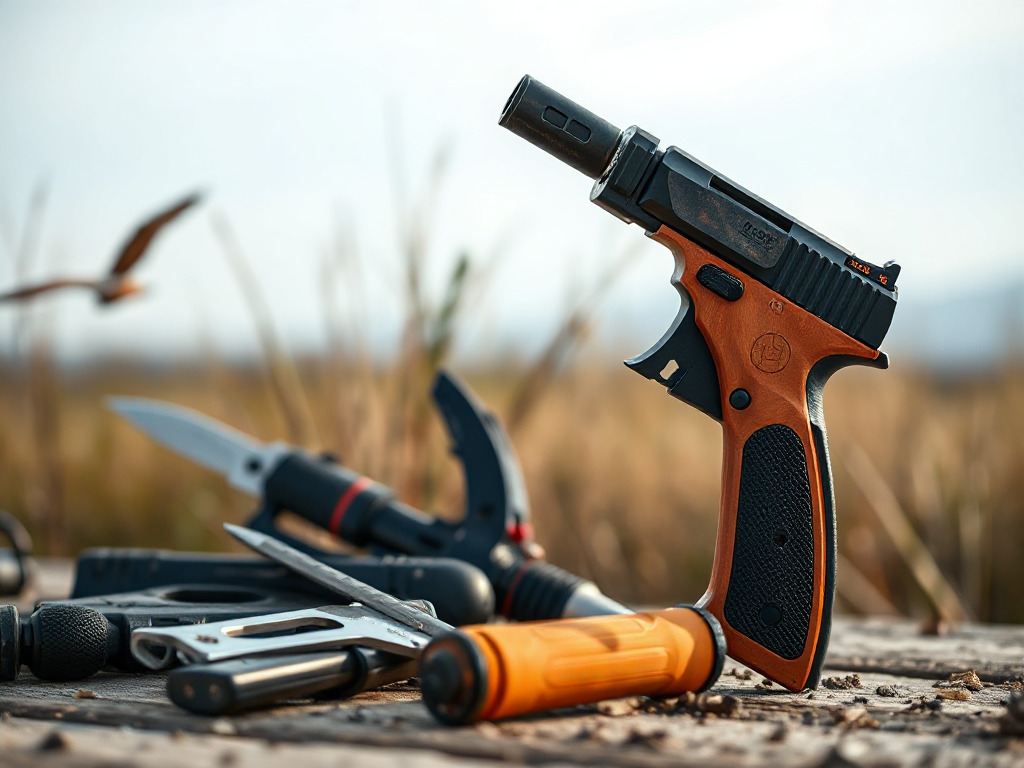
Misunderstanding the effectiveness of various self-defense tools can lead to dangerous situations. Many individuals mistakenly believe that simply carrying tools like pepper spray or stun guns guarantees their safety, without recognizing that their effectiveness heavily depends on the user's training and situational awareness. For instance, a person untrained in using pepper spray may struggle to deploy it effectively during an attack, especially if environmental factors, like wind, come into play. To enhance personal safety, it's essential to not only choose the right self-defense tool but also to undergo proper training and practice regularly to ensure readiness in real-life scenarios.
Understanding Self-Defense Tools
Self-defense tools encompass a wide range of items designed to protect individuals from physical harm. These include personal alarms, pepper spray, stun guns, and tactical pens, among others. Understanding how each tool functions and its intended use is essential for effective self-defense. Many people purchase these tools without adequate knowledge of their operation or limitations, which can lead to ineffective responses during a threatening situation.
The effectiveness of a self-defense tool often hinges on the user’s familiarity and training with it. For example, pepper spray can be highly effective against an assailant, but if the user is not trained in its use, they may struggle to deploy it effectively under stress. Additionally, the situational context can greatly influence outcomes; for instance, wind conditions can affect the spray’s trajectory, potentially rendering it ineffective.
Common Misconceptions
Many misconceptions surround self-defense tools that can lead to dangerous situations. One prevalent belief is that carrying a self-defense tool guarantees safety. This is a significant misunderstanding, as the mere presence of a tool does not ensure it will be used effectively in a crisis. For example, individuals may think that carrying a stun gun will deter an attacker, but if they are untrained or caught off guard, they may be unable to use it when needed.
Another misconception is that non-lethal tools, such as pepper spray, are harmless. While they are generally safer than lethal weapons, they can still cause serious harm or escalate a situation. Misusing these tools can have legal repercussions and may also provoke further aggression from an attacker. Therefore, understanding the implications of using self-defense tools is crucial for effective and responsible self-defense.
Real-World Effectiveness
The effectiveness of self-defense tools varies widely based on several factors, including the environment, the nature of the threat, and the user’s preparedness. For instance, pepper spray may be effective in a well-lit, open area but less so in a confined or dark space where the user cannot see their target clearly. Similarly, personal alarms can attract attention and deter an assailant, but their effectiveness is contingent upon the presence of bystanders who can respond.
Real-world scenarios often reveal that the best self-defense strategy combines awareness, de-escalation tactics, and the appropriate use of tools. For example, in a situation where an attacker confronts you, using a personal alarm to alert others while maintaining a safe distance can be more effective than drawing a weapon. Understanding these dynamics can help individuals make informed choices about their self-defense strategies.
Choosing the Right Tool for You
Selecting the appropriate self-defense tool requires careful consideration of personal circumstances, including lifestyle, environment, and comfort with the tool. For example, someone who frequently travels in urban areas may benefit from carrying pepper spray, while someone who works in a rural setting might prefer a personal alarm or a tactical pen. It is essential to assess the potential risks and the likelihood of encountering a threat.
Moreover, training plays a crucial role in the effective use of self-defense tools. Individuals should seek training sessions that cover not only the mechanics of using the tools but also situational awareness and de-escalation techniques. This comprehensive approach can significantly enhance one’s ability to respond effectively in a crisis.
Frequently Asked Questions
What are the most effective self-defense tools?
The effectiveness of self-defense tools varies, but common options include pepper spray, personal alarms, and tactical pens, each suited for different scenarios.
How can I choose the right self-defense tool for my needs?
Consider factors such as your environment, personal comfort with the tool, and the specific threats you may face when selecting a self-defense tool.
Do self-defense tools guarantee safety?
No, self-defense tools do not guarantee safety. Their effectiveness depends on situational factors and the user's training and preparedness.
Can I use self-defense tools in any situation?
Using self-defense tools is subject to legal and ethical considerations. It's crucial to understand local laws and the appropriate context for their use.
What should I do if my self-defense tool fails?
If a self-defense tool fails, prioritize de-escalation and escape. Being aware of your surroundings and having a plan can help mitigate risks.
Conclusion
Understanding the effectiveness of various self-defense tools is crucial for personal safety. Many misconceptions can lead to overconfidence or misuse, which can have serious consequences. By choosing the right tool, seeking proper training, and understanding the situational context, individuals can enhance their self-defense strategies. Prioritizing awareness and preparedness is essential for navigating potential threats effectively.