
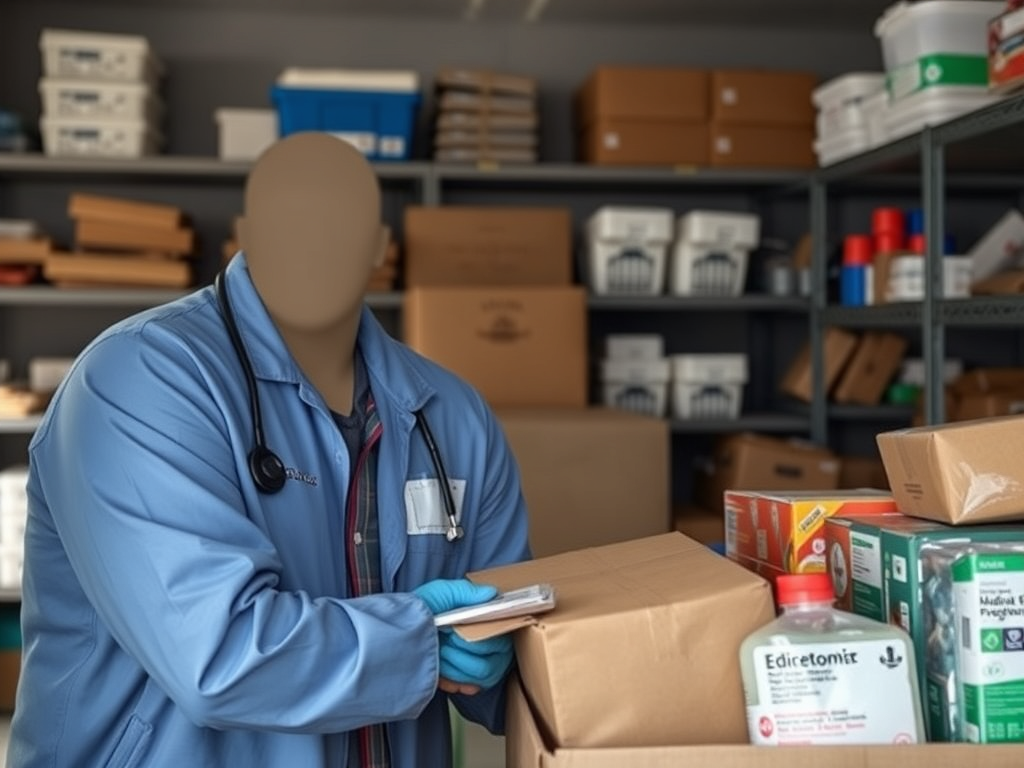
Common mistakes in stockpiling medical supplies include neglecting to account for the variety of necessary items and failing to monitor expiration dates. Many individuals focus on basic supplies while overlooking critical items like prescription medications and specialized equipment, which can lead to inadequate preparedness. Regularly reviewing and updating your stockpile is essential to ensure that all supplies are current and effective. Additionally, tailoring your inventory to specific health needs and potential emergencies can significantly enhance your readiness for unexpected situations. Prioritizing essential items and understanding their proper storage will further improve your overall preparedness.
Understanding the Importance of Medical Supply Stockpiling
Stockpiling medical supplies is crucial for preparedness in emergencies, ensuring that individuals and families can respond effectively to health crises. Proper stockpiling can mitigate the impact of unforeseen events, such as natural disasters or pandemics, where access to medical care may be limited. Understanding the significance of this practice can lead to better health outcomes in critical situations.
In emergency scenarios, the availability of essential medical supplies can mean the difference between life and death. Therefore, having a well-thought-out stockpile can not only provide peace of mind but also empower individuals to take charge of their health and safety during crises. However, many make common mistakes that can compromise the effectiveness of their stockpiling efforts.
Common Mistakes Made in Medical Supply Stockpiling
One of the most prevalent mistakes in stockpiling medical supplies is underestimating the variety of items needed. Many individuals tend to focus solely on basic supplies like bandages and antiseptics while neglecting other critical items such as prescription medications, specialized equipment, and first-aid training resources. This oversight can leave individuals unprepared for specific health needs.
Another common error is failing to regularly check and update supplies. Medical supplies have expiration dates, and using expired products can pose serious health risks. Creating a schedule to review and replace items ensures that the stockpile remains effective over time. Additionally, many people store supplies without considering environmental factors; for example, extreme temperatures can damage certain medications and equipment.
Essential Items to Include in Your Stockpile
When building a medical supply stockpile, it’s essential to include a diverse range of items tailored to your specific needs. Basic supplies should consist of bandages, antiseptics, gauze, and adhesive tape. However, it’s equally important to include prescription medications, over-the-counter pain relievers, and any specialized items necessary for chronic conditions.
Consider integrating first-aid manuals, splints, and personal protective equipment (PPE) such as masks and gloves. Additionally, stockpiling items that address common health issues, such as allergy medications or asthma inhalers, can enhance your preparedness. Assessing your family’s health history and potential emergencies can guide your choices in selecting the right supplies.
Proper Storage and Maintenance of Medical Supplies
Proper storage of medical supplies is crucial to maintain their efficacy. Supplies should be kept in a cool, dry place, away from direct sunlight and humidity. Organizing your stockpile in clearly labeled containers can make it easier to access items during emergencies. Regularly checking expiration dates and rotating supplies can help ensure that everything remains usable when needed.
It’s also beneficial to keep an inventory list of your supplies, noting quantities and expiration dates. This practice not only helps with organization but also assists in planning for future needs. Understanding how to maintain and care for your medical supplies will optimize their effectiveness and ensure you are prepared for any health-related emergency.
Frequently Asked Questions
What are the most critical items to stockpile for medical emergencies?
Critical items include bandages, antiseptics, prescription medications, first-aid manuals, and personal protective equipment.
How often should I check my medical supply stockpile?
It's advisable to check your stockpile at least every six months to ensure items are not expired and to replenish supplies as necessary.
What are common mistakes people make when stockpiling medical supplies?
Common mistakes include underestimating the variety of needed supplies and failing to regularly update or check expiration dates.
How should I store medical supplies?
Store medical supplies in a cool, dry place, away from sunlight and humidity, and keep them organized in labeled containers.
Can I use expired medical supplies?
Using expired medical supplies is not recommended as they may not be effective and could pose health risks.
Conclusion
Being proactive about stockpiling medical supplies is essential for ensuring preparedness in emergencies. By avoiding common mistakes, regularly updating your inventory, and prioritizing essential items, you can create a stockpile that meets your needs. Understanding proper storage methods will help maintain the effectiveness of your supplies, allowing you to respond confidently in times of crisis.